
Introducing solid foods is a progressive journey, and your baby’s tableware needs to evolve alongside their developing motor skills and chewing abilities. Rather than relying strictly on age milestones, observing your child’s physical cues and feeding behaviors will help you determine exactly when to transition from caregiver-fed purees to independent family meals. Choosing the right children’s tableware involves matching the design, material, and grip of each utensil to your baby’s current developmental stage. By aligning their bowls, plates, and spoons with their physical capabilities, you support their natural transition to self-feeding while keeping mealtimes safe and manageable.
Recognizing Your Baby's Weaning Stage and Feeding Signals
Every baby develops at their own pace, making physical and behavioral cues far more reliable than age charts when selecting tableware. The early weaning stage typically begins when your baby can sit upright with minimal support and hold their head steady. At this point, they no longer push food out of their mouth automatically, can swallow smooth purees easily, and show curiosity when watching you eat.
As your baby moves into the mid-weaning stage, they begin gumming or chewing soft lumps of food rather than just swallowing. You will observe them frequently reaching for your spoon, trying to grab food directly from your plate, and attempting to bring their hands to their mouth. This stage is characterized by a desire to explore textures, though their coordination is still developing.
Products mentioned in this guide

![Cartoon Melamine Divider Plates & Bowls Hello Kitty/Cinnamoroll/Pikachu/Gudetama/Mickey Cute Tableware for Children [SG Ready Stock]](https://img.lazcdn.com/g/p/b665e0898d9093db39f16aaa50be51aa.jpg_400x400q80.jpg_.webp)


Prices are valid at publication and may change. Please refer to the product page for the latest price.
The late weaning stage is marked by the emergence of the pincer grasp, where your baby uses their thumb and index finger to pick up small pieces of food. They will show a strong desire for independence, attempting to scoop food with utensils and successfully bringing the spoon to their mouth with fewer spills.
Selecting Tableware for the Early Weaning Stage
During the initial phase of introducing solids, the primary goal is to introduce new tastes and textures while keeping the experience gentle on your baby’s developing mouth. The first utensil you introduce should be a specialized caregiver-fed spoon. Look for spoons with soft silicone tips that protect sensitive, teething gums from accidental bumps. A long, slender handle is essential here, as it allows you to reach the bottom of deep puree jars easily and gives you precise control while feeding your baby.

The bowl you choose for this stage should have a small capacity and a shallow depth. A shallow bowl prevents you from overfilling it, which helps maintain portion control and keeps the food at an appealing temperature. It also makes it much easier for you to scoop up every last bit of puree without awkward angles. At this stage, the bowl remains entirely in the caregiver’s hands, so complex suction bases are not yet necessary.
When purchasing these initial items, always check the packaging for manufacturer age recommendations and material safety labels. Look for clear indications that the products are BPA-free and made from food-grade materials. In Singapore’s warm and humid climate, ensuring that tableware can be thoroughly dried after washing is crucial to prevent any moisture retention.
Adjusting Tableware for the Mid-Weaning Stage
As your baby transitions to the mid-weaning stage, mealtimes become highly interactive and often messy. This is the ideal time to introduce suction bowls and plates. These items feature a silicone or rubber base that adheres firmly to the high chair tray or dining table, preventing your baby from tipping or throwing their food. While suction tableware is incredibly helpful for containing messes, its effectiveness depends heavily on the surface material; textured wood or matte finishes may not hold the suction as securely as smooth plastic or glass.
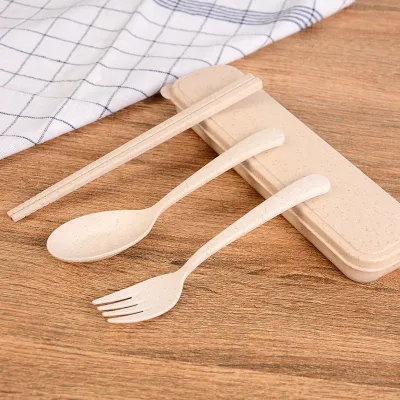
This stage also calls for a shift in utensil design. Swap the long-handled caregiver spoons for short-handled training spoons. These are specifically engineered for tiny hands, featuring chunky, textured grips that are easy for a baby to grasp. Many training spoons have rounded, bulbous handles or integrated collar guards that prevent the baby from inserting the spoon too far into their mouth, encouraging safe self-feeding practice.
Additionally, you can begin introducing drinking vessels. Depending on your baby’s sitting stability and swallowing coordination, a weighted straw cup or a simple sippy cup can be introduced. A weighted straw allows your baby to drink from any angle, even when tilted, which supports their natural drinking posture.
Upgrading to Independent Eating in the Late Weaning Stage
By the late weaning stage, your toddler is actively working toward joining family meals and eating the same foods as the rest of the household. To support this transition, divided plates become highly useful. These plates feature separate compartments that keep different food textures and flavors from mixing. This separation is particularly helpful for toddlers who may be sensitive to mixed textures, and it serves as a visual guide for parents to offer a balanced variety of grains, proteins, and vegetables.
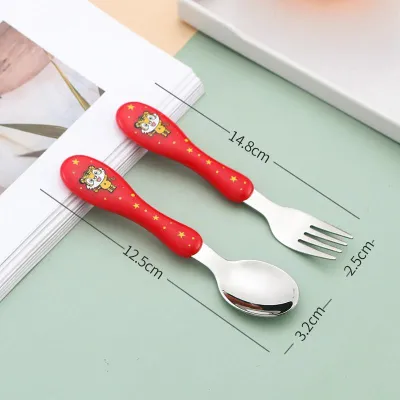
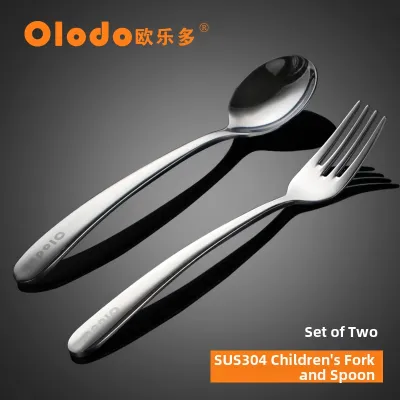
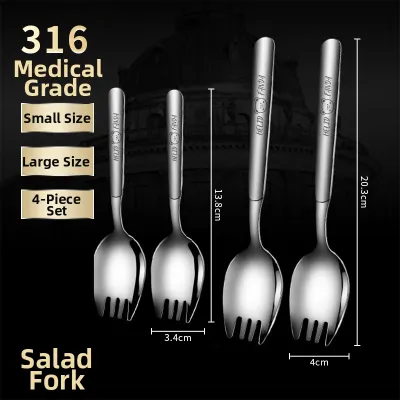
Utensils should also evolve to match their improving dexterity. Transition your toddler to fork and spoon sets with slightly longer, contoured handles that promote a proper mature grip. The fork tines should be rounded and blunt enough for safety, yet functional enough to pierce soft foods like steamed carrots or pasta. Look for materials like high-quality stainless steel with silicone handles, which offer a realistic dining experience while remaining safe for young children.
Drinking skills should advance toward open cups or spill-proof straw cups without valves. Practicing with a small, open cup—initially with just a tiny splash of water—helps develop oral motor control and teaches your child how to regulate their sip size. Choose cups with weighted bases to minimize tipping, and accept that spills are a natural and necessary part of the learning process.
Essential Safety Checks and Maintenance for Children's Tableware
Maintaining the safety of your children’s tableware requires a consistent routine of inspection and proper care. Regularly perform a visual inspection of all silicone and plastic items. Look closely for tiny cracks, tears, deep bite marks, or areas where the material has become sticky or discolored. Damaged silicone can harbor bacteria or break apart, posing a choking hazard, and should be replaced immediately.
You should also test the suction power of your plates and bowls periodically. Over time, exposure to heat and washing can cause suction bases to warp or lose their flexibility, reducing their grip on dining surfaces. If a suction bowl slides easily across a clean high chair tray, it no longer provides reliable spill protection.
Always adhere strictly to the manufacturer’s guidelines regarding cleaning and sterilization. While many silicone items are dishwasher-safe, some plastics can degrade or release chemicals when exposed to high-temperature sterilization cycles.
Frequently Asked Questions (FAQ)
When should I stop using suction bowls and plates?
You can begin transitioning away from suction tableware when your child demonstrates improved motor control and a reduced tendency to intentionally throw or tip their dishes. This shift typically occurs when they can scoop food smoothly without pushing the bowl around. Introducing standard weighted bowls at this stage helps build careful handling skills, preparing them for dining out at local food centres or restaurants where suction surfaces are not available.
Do I need to buy a complete tableware set all at once?
It is generally more practical to purchase tableware stage-by-stage rather than buying a large, multi-piece set before your baby starts solids. Buying individual pieces allows you to match your purchases directly to your baby’s immediate developmental needs and physical size. This approach also prevents you from cluttering your kitchen cabinets with items your child might outgrow or reject before they ever have a chance to use them.

Community discussion
Share your experience or ask a question. Comments are reviewed before publication.