
Selecting the right breast pump is a highly personal decision that depends on your daily routine, pumping frequency, and budget. Rather than searching for a single universal solution, the most effective approach is to match the mechanical and functional features of available pump types to your specific lifestyle needs. This guide provides a structured framework to help you evaluate your circumstances, understand the core differences between pump categories, and build a personalized shortlist for your breastfeeding care journey.
Every mother’s lactation journey is unique, and the device that works perfectly for someone else might not align with your physical comfort or daily schedule. Some parents require a heavy-duty setup to support exclusive pumping, while others simply need a compact tool for occasional relief when away from their baby. By focusing on how a pump fits into your living space, work environment, and physical anatomy, you can make an informed investment that protects your physical well-being and supports your feeding goals. If you experience persistent pain or have concerns about your milk supply, consult a qualified lactation consultant or healthcare professional for personalized guidance.
Understanding the Main Breast Pump Types
To make an informed choice, you must first understand the three primary categories of breast pumps available on the market: manual, standard electric, and wearable or portable electric pumps. Each category utilizes a distinct mechanical approach to milk expression, offering different levels of efficiency, control, and mobility.
Products mentioned in this guide
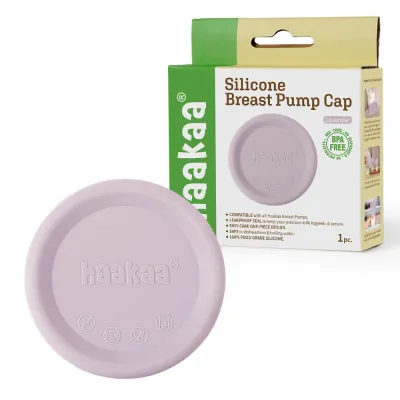
Prices are valid at publication and may change. Please refer to the product page for the latest price.
Manual breast pumps operate entirely on manual power, requiring you to squeeze a handle repeatedly to generate suction. Because they contain no electrical components, they are completely silent, highly lightweight, and exceptionally portable, fitting easily into a small handbag. They are an excellent choice for occasional use, such as relieving engorgement while on the go, pumping a single bottle for a partner to feed the baby, or serving as a reliable backup during power outages or travel. However, because they require continuous hand action and can only pump one breast at a time, they are generally not suitable for frequent or exclusive pumping sessions, as they can quickly cause hand and wrist fatigue.
Standard electric pumps are powered by an electric motor that automates the suction and release cycle, mimicking a baby’s natural nursing rhythm. These devices are available in single or double configurations, with double electric pumps being the preferred choice for parents who need to pump frequently or establish a robust milk supply. By stimulating both breasts simultaneously, double electric pumps trigger a stronger prolactin response, which can help increase overall milk yield while cutting pumping time in half. While highly efficient, standard electric pumps traditionally require a connection to a wall outlet or rely on a relatively heavy, external rechargeable battery pack, meaning you must remain seated near a power source or carry a dedicated pump bag during your sessions.
Wearable and portable electric pumps represent the latest evolution in breastfeeding care, designed to fit entirely inside a standard nursing bra without external tubes, wires, or dangling bottles. These hands-free devices utilize miniature motors integrated directly into the collection cups, allowing you to move around, attend to household tasks, or work at a desk while actively pumping. While they offer unmatched discretion and freedom of movement, they do come with trade-offs. The compact motors may offer less customizable suction ranges compared to standard electric models, the collection cups often have a smaller milk capacity, and the multi-part design requires meticulous assembly and thorough cleaning to maintain hygiene and prevent leaks.
Assessing Your Pumping Frequency and Daily Routine
Your daily schedule and feeding plans are the most significant factors in determining which pump type will serve you best over the long term. A parent who direct-feeds their infant most of the day has vastly different equipment needs than an exclusively pumping parent or one preparing to return to a full-time office environment.

If your goal is exclusive pumping—meaning your baby receives breast milk primarily or entirely via bottles—efficiency and durability are your top priorities. Exclusive pumping requires maintaining a strict schedule of multiple sessions per day, including during the night, to mimic an infant’s feeding demands. For this demanding routine, a high-performance, double electric pump with a robust motor is essential to prevent physical exhaustion and ensure consistent milk expression. Relying solely on a manual pump or a low-powered wearable device for exclusive pumping can lead to incomplete breast emptying, which may gradually decrease your milk supply over time.
For parents preparing to return to a professional workplace, the pumping routine must adapt to office environments, meeting schedules, and commuting. In Singapore, where professional spaces vary widely, you must evaluate the facilities available at your workplace. If your office provides a private, secure lactation room equipped with power outlets and a sink, a standard double electric pump will allow you to complete your sessions quickly and efficiently during scheduled breaks. However, if you must pump in shared spaces, travel frequently for client meetings, or commute via public transit, a quiet, wearable pump offers the discretion needed to maintain your schedule without feeling tethered to a specific room.
Nighttime and early morning pumping sessions present unique challenges, particularly when you are operating on minimal sleep. During these quiet hours, minimizing disruption to your household is key. A pump with a loud, vibrating motor can easily wake a sleeping baby or partner, making a quiet or whisper-soft motor design highly desirable. Additionally, look for a pump base or motor unit that features a backlit LED screen, allowing you to adjust settings and monitor session times in the dark without turning on bright overhead lights. Easy, intuitive assembly is also a major benefit at 3:00 AM, as complex systems with numerous tiny parts can easily lead to assembly errors and spilled milk.
Evaluating Comfort, Fit, and Physical Requirements
A breast pump can only perform effectively if it fits your body comfortably. Proper physical alignment between your breast tissue and the pump hardware is essential not only for maximizing milk expression but also for preventing painful tissue damage, friction blisters, and clogged milk ducts.
The most critical component of pump fit is the breast shield, commonly referred to as the flange. The flange is the funnel-shaped plastic or silicone piece that channels your nipple into the pump’s suction tunnel. If the flange tunnel is too small, your nipple will rub against the sides, causing painful chafing and restricting milk flow; if it is too large, excess areola tissue will be drawn into the tunnel, leading to swelling and inefficient expression. Do not assume the standard flange included in most retail boxes is correct for your anatomy. Before purchasing a pump, use a nipple measuring tool or ruler to determine your nipple’s base diameter, and consult the manufacturer’s sizing guide to select the appropriate flange or silicone insert size.
Suction strength and cycle speed settings play a vital role in mimicking the natural physiology of infant feeding. Babies do not suck with a single, continuous force; instead, they begin with rapid, light sucks to stimulate the let-down reflex, followed by slower, deeper swallows once the milk begins to flow. High-quality electric pumps replicate this process through dual-phase expression technology, featuring a rapid stimulation mode and a slower expression mode. Ensure any electric pump you consider allows you to adjust both the vacuum strength and the cycle speed independently, as finding your personal comfort threshold is key to triggering efficient milk release without causing pain.
The physical weight and ergonomics of the pump unit should also be factored into your decision. If you choose a wearable pump, the weight of the motor and the collected milk will rest entirely within your bra. This requires investing in highly supportive, structured nursing bras to prevent the pump from shifting or compressing your breast tissue, which can restrict milk ducts. For manual pumps, the ergonomics of the handle are paramount. Look for a handle that allows for a comfortable, natural grip and requires minimal force to compress, reducing the risk of repetitive strain injuries in your hands and wrists over weeks of daily use.
Budgeting and Long-Term Value Considerations
Investing in breastfeeding care equipment requires balancing upfront costs against ongoing operational expenses. While it can be tempting to purchase the most expensive, feature-rich model available, a practical assessment of your budget and actual usage duration will help you find the best value.
In Singapore, breast pump prices span a wide spectrum, starting from under S$50 for basic manual models to upwards of S$600 for premium double electric or wearable systems. If you anticipate needing a high-performance, hospital-grade pump for only a short period—such as the first few weeks postpartum to establish your milk supply or to overcome an initial latching difficulty—renting a professional-grade unit from an authorized local distributor or hospital can be a highly practical and cost-effective alternative to purchasing a brand-new machine. This allows you to access superior motor performance during the critical early weeks before transitioning to a more affordable, portable personal pump for long-term maintenance.
When calculating your budget, remember that the initial purchase price of the pump is not the final cost. Breast pumps rely on consumable silicone parts, such as duckbill valves, diaphragms, backflow protectors, and tubing, which naturally stretch, wear down, or lose elasticity over time due to regular use and frequent sterilization. When these parts degrade, the pump’s suction efficiency drops significantly, often leading users to mistakenly believe the motor is failing. Before committing to a specific brand, research the local availability and cost of these replacement parts, as well as compatible breast milk storage bags and feeding bottles, to ensure you can easily maintain your device without excessive ongoing expenses.
Finally, always verify the warranty terms and the availability of local customer support before making your purchase. Many cheaper pumps available on international online marketplaces are parallel imports that do not carry a local warranty in Singapore. If the motor malfunctions or a critical component breaks, you may have to ship the unit overseas at your own expense, leaving you without a pump for an extended period. Purchasing from authorized local retailers ensures that you have access to a valid manufacturer’s warranty, local service centers, and responsive customer support teams who can quickly troubleshoot issues or provide replacement parts when urgent needs arise.
Building Your Shortlist: A Decision Matrix
With an understanding of pump types, your daily routine, physical fit, and budget, you can now synthesize this information to build a personalized shortlist of candidate models. This structured approach prevents decision fatigue and ensures you select a device based on functional utility rather than marketing trends.
Begin by creating a simple priority matrix that ranks your non-negotiable requirements against optional features. For example, if you commute daily via public transport and have a highly active schedule, portability, weight, and battery life will occupy the top tier of your matrix, while smart connectivity or app integration will fall into the optional category. Conversely, if you are primarily pumping at home, maximum suction customization and ease of cleaning may take precedence over compact size and wireless operation. By clearly defining your priorities, you can quickly eliminate models that do not align with your primary lifestyle constraints.
Once you have narrowed your choices to two or three specific models, download their official user manuals from the manufacturer’s website. Reviewing the manual provides valuable insight into the actual complexity of the device, including the exact number of parts that must be washed and sterilized after each use. Pay close attention to whether the pump is designed as a closed system. A closed-system pump features a physical barrier, such as a silicone diaphragm, that prevents milk from entering the tubing or the motor unit. This design is crucial for maintaining hygiene, preventing mold growth within the internal components, and ensuring the long-term safety of your expressed milk.
As you finalize your selection, learn to recognize red flags that indicate a potentially unreliable product. Avoid devices that lack clear brand identification, transparent manufacturer contact information, or easily accessible safety certifications. Be cautious of pumps that do not offer a range of flange sizes or compatible inserts, as a proper fit is non-negotiable for comfortable and effective pumping. By prioritizing transparency, local support, and physical compatibility over low prices or exaggerated performance claims on unverified platforms, you can select a breast pump that reliably supports your breastfeeding care journey.
Frequently Asked Questions (FAQ)
This section addresses common practical queries regarding the maintenance, hygiene, and safety of breast pumps to help you care for your equipment and protect your milk supply.
How often should I replace breast pump parts?
The replacement frequency for breast pump parts depends heavily on how often you pump and the specific guidelines provided by your device’s manufacturer. As a general rule, consumable silicone parts such as duckbill valves, membranes, and backflow protectors are subject to significant mechanical stress and should be inspected regularly. If you pump multiple times a day, these silicone components may need to be replaced every 1 to 3 months, while less frequent pumpers may only need to replace them every 6 months.
Perform a visual inspection of your pump parts during each cleaning session. Look for tiny tears, chips, or stretching in the silicone, as well as any cloudiness or residue buildup that cannot be washed away. If you notice a sudden drop in your pump’s suction strength, or if the milk expression process feels slower than usual, it is highly likely that a worn valve or membrane is leaking air and needs immediate replacement. Always follow your specific brand’s replacement schedule and use genuine manufacturer parts to ensure optimal performance and safety.
Can I use a second-hand breast pump?
Using a second-hand breast pump requires careful consideration of the device’s design, hygiene history, and mechanical integrity. You must first determine whether the pump is a closed-system or an open-system model. Closed-system pumps feature a physical barrier that prevents milk and moisture from entering the pump motor and tubing, making them significantly safer for multi-user use. Open-system pumps lack this barrier, meaning microscopic droplets of milk can enter the motor housing, creating a risk of mold and cross-contamination that cannot be fully sanitized.
If you decide to use a pre-owned closed-system pump, you must completely discard all used accessories and purchase brand-new, sealed replacement parts. This includes all tubing, flanges, valves, membranes, and collection bottles that come into direct contact with breast milk or your skin. Additionally, verify the manufacturer’s policy regarding warranty transfer, as most warranties are non-transferable and only apply to the original purchaser. Keep in mind that pump motors have a finite lifespan and may lose suction power over time, so a heavily used second-hand device may not perform as effectively as a new one.

Community discussion
Share your experience or ask a question. Comments are reviewed before publication.