
Choosing the right bed bumper guard is a critical step in transitioning your child from a secure cot to a larger bed. To make the safest choice, you must evaluate your child’s developmental stage, measure your specific bed frame and mattress dimensions, and select a guard with a secure anchoring system. A mismatch between the guard and the bed type can create dangerous gaps, while using a guard for a child who is too young or too active can lead to safety hazards.
In Singapore, where space-saving bed frames like platform beds, divans, and recessed frames are common, finding a compatible guard requires close attention to how the barrier attaches to the bed base. Additionally, the warm and humid tropical climate makes material selection, such as choosing breathable mesh over heavy padding, an important consideration for comfort and airflow. By understanding your child’s physical milestones and your home’s sleeping arrangements, you can select a protective barrier that offers peace of mind.
Assess Your Child's Age and Sleep Habits
Before purchasing a bed bumper guard, you must assess whether your child is developmentally ready. Most manufacturers specify a minimum age, often starting around 18 to 24 months, and a maximum weight or age limit on their product labels. Introducing a bed guard too early, especially for infants who lack the strength to extricate themselves if they roll into a tight space, can pose serious suffocation and entrapment risks. Always consult the specific product documentation to verify that your child falls within the recommended age and weight ranges.
Products mentioned in this guide
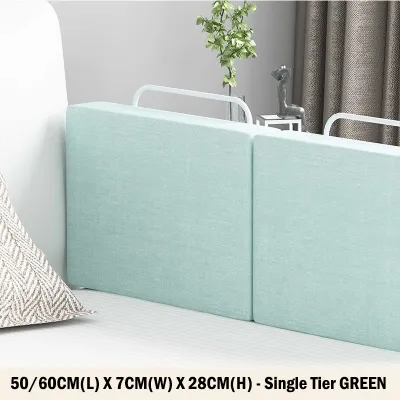
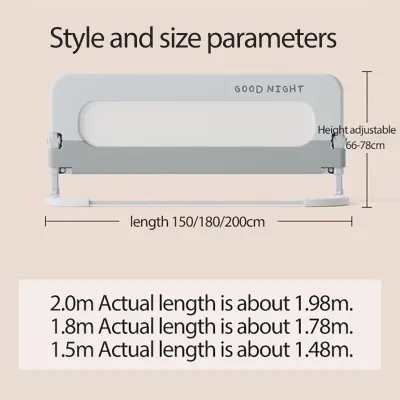
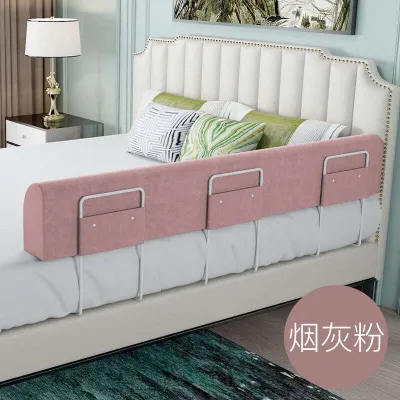
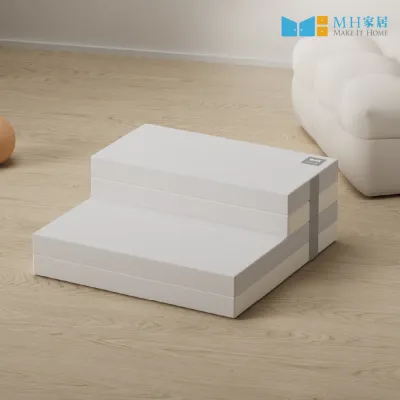
Prices are valid at publication and may change. Please refer to the product page for the latest price.
Observing your child’s physical milestones is equally important. If your child is highly active and rolls frequently during sleep, a guard can prevent accidental falls. However, if your child has reached the milestone of pulling up to stand or attempting to climb over barriers, a bed guard can quickly become a hazard. A child who tries to climb over a rail runs the risk of falling from a much greater height than if they had simply rolled out of a low bed.
Your child’s unique sleep behaviors will also dictate the height and robustness of the guard you need. Active sleepers who thrash, kick, or migrate across the mattress throughout the night require a taller, sturdier barrier that can withstand repeated impacts. Conversely, quieter sleepers who merely need a gentle physical cue to stay within the mattress boundaries may do well with a lower-profile bumper. Carefully monitoring these nighttime habits over several weeks will help you determine the exact level of support your child requires.
Match the Guard to Your Bed Size and Frame Type
A bed bumper guard must physically fit your child’s bed without creating gaps that could trap a limb or head. Start by taking precise measurements of your mattress, including its length, width, and thickness. Many modern mattresses, especially plush or pillow-top models, are significantly thicker than standard mattresses, which can reduce the effective height of a bed guard. If the mattress is too thick, the remaining height of the guard rail may not be sufficient to prevent a rolling child from tumbling over the top.

Different bed types require entirely different guard configurations. For instance, a toddler bed, which is already low to the ground, may only require a short, lightweight guard rail. Standard single beds, which are higher off the floor, demand a more robust system with a deeper anchoring mechanism. If you are attempting to adapt a guard to a cot with a drop-side or a convertible bed, you must verify that the guard does not interfere with the bed’s moving parts or leave open spaces at the corners.
The design of your bed frame is the most critical factor in determining how the guard anchors. Slatted bed bases allow you to thread safety straps around the individual slats, securing the guard’s anchor plates firmly beneath the mattress. Solid platform beds or divans, which are highly popular in Singapore apartments, do not have slats, meaning you must look for guards that utilize heavy-duty anchor straps that wrap around the entire mattress or systems that screw directly into the wooden platform. Recessed bed frames, where the mattress sits inside a wooden lip, present another challenge, as the guard’s folding hinges may get stuck against the frame, preventing you from lowering the rail to change the sheets.
Evaluate Material, Height, and Safety Features
When comparing different bed bumper guards, safety certifications and material specifications should be your primary focus. Look closely at the product packaging and labels to verify compliance with recognized international child safety standards, such as those from ASTM or BS EN. These standards ensure that the materials used are non-toxic, the gaps between components are safe, and the structural integrity can withstand typical toddler forces. Never rely solely on a product’s marketing claims; always look for physical labels or manufacturer documentation.
The two primary material options on the market are breathable mesh rails and padded foam bumpers. Mesh rails are highly popular because they allow excellent airflow, which is essential in Singapore’s warm climate to prevent overheating. They also provide clear visibility, allowing you to monitor your sleeping child from a distance. Padded foam bumpers, which are shaped like long wedges and sit directly on top of the mattress under the fitted sheet, offer a softer, more cushioned barrier. However, foam bumpers rely heavily on the weight of the mattress and the tightness of the sheet to stay in place, making them more prone to shifting if a child pushes against them.
The locking and hinge mechanisms of a bed guard are vital for daily convenience and safety. Many mesh guards feature a fold-down design that allows the rail to swing downward, making it easier to make the bed, change sheets, or sit with your child during bedtime stories. Ensure that the guard features a secure, child-proof double-lock mechanism that requires two distinct actions to release. This prevents an inquisitive toddler from accidentally unlocking the rail from the inside and causing a sudden fall.
Install and Verify the Bed Bumper Guard Securely
Proper installation is just as important as choosing the right guard, as an incorrectly installed barrier can create more hazards than it solves. Begin by placing the guard’s support arms flat against the bed base, beneath the mattress. If the manufacturer provides safety straps, anchor plates, or screws, you must use them exactly as directed. Simply relying on the weight of the mattress to hold the guard in place is highly dangerous, as a child’s weight pushing against the rail can easily slide the support arms out, causing the guard to collapse.
Once the guard is installed, you must conduct a thorough inspection for dangerous entrapment gaps. Check the space between the ends of the guard rail and the headboard or footboard of the bed. If these gaps are between 10 and 25 centimeters, they can trap a child’s head or neck, posing a severe suffocation risk. The guard should either fit completely flush against the headboard or leave a wide gap of more than 25 centimeters so that a child cannot become wedged. Additionally, ensure there is no gap between the bottom of the guard fabric and the top of the mattress.
Before allowing your child to sleep in the bed, perform a manual stability test. Firmly shake the guard rail in multiple directions to simulate a child rolling or leaning against it. The guard should remain rigid and firmly anchored without sliding or tilting away from the mattress. Check the locking mechanism to ensure it clicks securely into place and cannot be dislodged by upward or outward pressure. Repeat this physical check weekly, as daily use and bed-making can gradually loosen the straps and anchors.
Know When to Remove the Bed Bumper Guard
A bed bumper guard is a temporary safety measure, and knowing when to remove it is crucial for your child’s ongoing safety. Monitor your child’s physical development closely; once they are tall enough and strong enough to easily climb over the top rail, the guard must be removed immediately. At this stage, the guard no longer acts as a safety barrier but instead increases the risk of a serious fall from an elevated height.
You should also regularly consult the product manual to check if your child has exceeded the maximum height or weight limits specified by the manufacturer. As children grow, their center of gravity shifts, and a heavier child leaning against a guard can easily tip it over or break the locking hinges. If your child has outgrown the guard but still struggles with falling out of bed, consider transitioning them to a low floor bed or placing soft play mats on the floor next to the bed.
Ultimately, the goal is to help your child transition to independent sleeping. When your child can safely get in and out of bed on their own without stumbling, and shows a consistent pattern of staying centered on the mattress during sleep, the guard is no longer necessary. Removing the guard encourages independence and allows your child to navigate their sleeping space naturally.
Frequently Asked Questions (FAQ)
Can I use a bed bumper guard on a bunk bed or top bunk?
Standard bed bumper guards are generally not suitable for bunk beds or top bunks. The fall height from a top bunk is significantly greater, and standard guards are not designed to withstand the unique structural demands or prevent the specific entrapment risks associated with elevated frames. Always refer to the bunk bed manufacturer’s instructions, which typically require specific, integrated wooden or metal guardrails that meet strict height standards.
Are foam bed bumpers safer than mesh bed rails?
Neither option is universally safer, as both have distinct designs and safety considerations. Mesh bed rails anchor firmly to the bed frame, making them highly stable, but they require careful installation to avoid entrapment gaps. Foam bumpers are softer and easier to install under a fitted sheet, but they rely on friction and mattress weight, meaning they can shift if a child pushes against them. Always check the packaging for specific age recommendations and entrapment warnings for both types.
How do I clean and maintain a bed bumper guard?
To maintain hygiene and structural integrity, regularly check the care label on your bed guard. Many mesh guards feature removable fabric covers that are machine-washable, while others have wipe-clean surfaces that can be sanitized with mild soap and warm water. Additionally, perform routine maintenance checks on the hardware, inspecting the locking hinges, anchor straps, and metal joints for any signs of wear, fraying, or cracking.

Community discussion
Share your experience or ask a question. Comments are reviewed before publication.