
When baby-proofing a Singapore home, sharp furniture edges present an immediate hazard as infants transition from crawling to pulling themselves up. Finding a reliable bumper protector involves balancing material safety, adhesive durability under local humid conditions, and furniture compatibility. Parents in Singapore navigate a crowded market of baby-proofing products, making it essential to look beyond marketing claims and focus on verifiable safety indicators and practical installation steps.
By understanding what makes an edge guard truly protective, you can secure your living space without compromising your furniture or your child’s health. This guide outlines the essential criteria for evaluating these safety devices, how to verify local recommendations, and how to install them for long-lasting protection.
Key Criteria for Evaluating Bumper Protector Reliability
Because babies often explore their environment with their mouths, any bumper protector installed at their eye or mouth level must be free from harmful chemicals. Look for clear labels indicating the product is free from bisphenol A (BPA), phthalates, heavy metals, and flame retardants. Because these claims are easy to print on packaging, parents should verify if the manufacturer references recognized testing standards, such as those from international testing bodies. Check the product packaging or official manufacturer website for testing reports or conformity certificates rather than relying solely on a generic non-toxic sticker.
Products mentioned in this guide
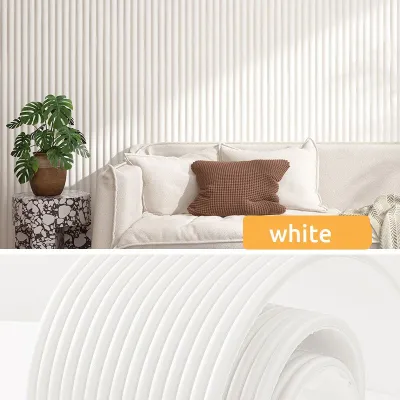
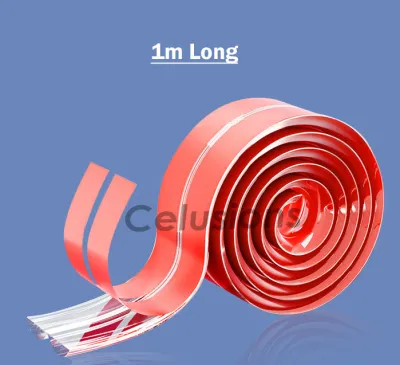
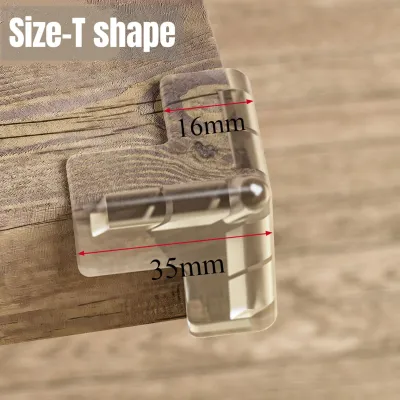
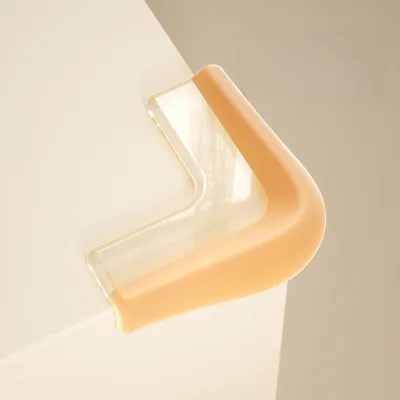
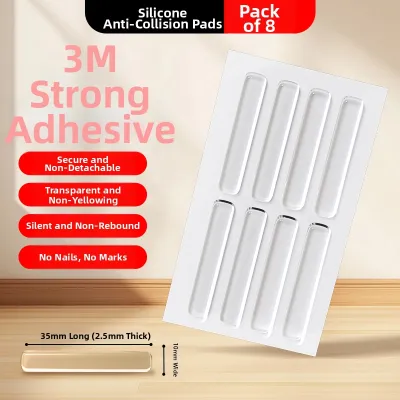
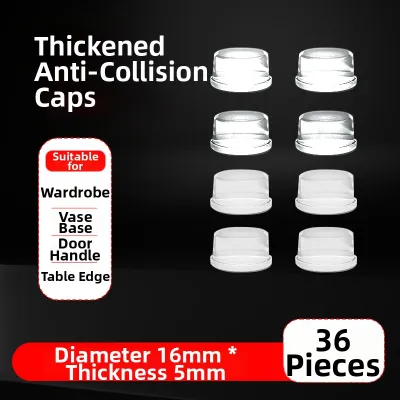
Prices are valid at publication and may change. Please refer to the product page for the latest price.
Physical protection depends heavily on thickness and density. High-density foam, such as Nitrile Rubber (NBR), offers excellent impact resistance by absorbing and dispersing the force of a collision. When evaluating foam protectors, gently squeeze the material; it should compress under pressure but spring back to its original shape immediately. If it remains compressed or feels too soft, it may bottom out during an impact, failing to protect your child from the hard edge underneath. For silicone or plastic protectors, look for internal air pockets or ribbed structures designed to cushion impacts without requiring excessive bulk.
The best bumper protector is useless if it peels off easily or damages your furniture upon removal. Look for products that specify the type of adhesive tape included, such as double-sided acrylic tape. Check the manufacturer’s specifications for surface compatibility warnings, as some adhesives can strip paint, varnish, or veneer from wooden surfaces. A reliable brand will clearly state which surfaces are safe for application and provide instructions on how to remove the adhesive without leaving permanent residue.
How to Verify Brand Trust and Parent Recommendations in Singapore
Singaporean parents frequently turn to online marketplaces and local e-commerce platforms to source baby-proofing gear. To find genuine recommendations, filter reviews to show only verified purchases and pay close attention to feedback written after several months of use. Initial reviews often praise the ease of installation, but long-term reviews reveal whether the adhesive holds up against Singapore’s high humidity or if the material degrades over time. Look for reviews that mention specific challenges, such as a toddler attempting to peel the guard off, to gauge real-world durability.

Be skeptical of highly repetitive, overly enthusiastic reviews that lack detail. Authentic reviews typically describe the specific piece of furniture the protector was used on, such as a TV console or a dining table. A lack of user-uploaded photos showing the installed product is another red flag, as genuine buyers in Singapore often share pictures to demonstrate how the protector looks in a real home setting. If multiple reviews use identical phrasing or focus solely on fast shipping rather than product performance, look for alternative sources of feedback.
Local parenting forums, social media groups, and community chats are invaluable resources for unfiltered opinions. Parents in Singapore often share their firsthand experiences with specific baby-proofing brands, detailing how well they survived daily wear and tear. Search these groups for discussions on edge guards and ask active members about their experiences with adhesive damage on local furniture brands. This peer-to-peer validation helps bypass sponsored content and marketing hype, pointing you toward brands that have successfully protected local homes.
Matching Bumper Protectors to Different Furniture Types
Selecting the right bumper protector requires analyzing the geometry of your furniture. A mismatch between the protector’s profile and the furniture’s edge leads to gaps, which invite curious fingers to peel the protector away. By matching the shape and material of the guard to the specific surface, you ensure a secure fit that maintains its protective qualities over time.
Corner Guards vs. Edge Strips
Corner guards are designed for point-impact protection on sharp, three-dimensional corners, such as those on coffee tables, desks, and low shelves. These guards typically come in spherical or L-shaped designs. Spherical guards offer rounded protection from multiple angles, making them ideal for corners that sit at a toddler’s head height. L-shaped corner guards provide a cleaner, more flush fit along the intersecting edges of a table, reducing the profile of the protector while still cushioning the sharpest point.
Edge strips, on the other hand, provide continuous linear coverage along the entire length of a table, shelf, or cabinet edge. These are usually sold in rolls that you can cut to size. U-shaped edge strips are perfect for thin glass or wood panels, as they wrap around both the top and bottom of the edge, securing the protector in place. Flat or L-shaped strips are better suited for thicker table edges where only the top and outer face require cushioning.
Material Compatibility for Glass, Wood, and Metal
The material of your furniture dictates the type of adhesive and protector you should use. Glass tables require highly transparent silicone protectors to maintain visibility and ensure that any dirt or peeling adhesive underneath is immediately visible. Because glass is non-porous, adhesives tend to bond very strongly to it, meaning you must choose a high-quality adhesive that can be removed cleanly without leaving a stubborn, cloudy residue.
Wooden furniture, especially pieces with delicate veneers, varnishes, or oil finishes, requires careful consideration. Strong adhesives can lift the finish or tear the wood fibers when removed. For these surfaces, look for protectors that specify compatibility with finished wood and consider using lighter, residue-free tapes if the furniture is highly valuable. Metal frames, such as those on modern shelving units or bed frames, are highly durable but can get very cold or warm depending on your home’s air conditioning; ensure the adhesive used is rated for temperature fluctuations to prevent premature peeling.
Installation and Maintenance for Maximum Safety
Proper installation is the foundation of bumper protector safety. Before applying any adhesive, clean the furniture surface thoroughly to remove dust, grease, and fingerprint oils, which severely weaken the bond. Use a mild soap solution or rubbing alcohol, checking first in an inconspicuous area to ensure it does not damage the furniture’s finish. Allow the surface to dry completely; even a tiny amount of moisture trapped under the adhesive can cause it to fail within days, especially in Singapore’s humid climate.
Once the surface is dry, apply the adhesive tape to the protector, press it firmly onto the furniture edge, and hold it in place for at least thirty seconds to activate the pressure-sensitive adhesive. Do not let your child near the newly installed protector immediately. Most adhesives require a curing period of 24 hours to reach their maximum bond strength. Installing the protectors in the evening after your child has gone to sleep is an excellent way to ensure the adhesive cures undisturbed overnight.
Bumper protectors are not a permanent solution; they require regular inspection to remain safe. Check the guards weekly for signs of peeling, cracking, or tearing. Toddlers may attempt to bite or pull at the foam, which can create small pieces that present a serious choking hazard. If you notice any damage to the material or if the adhesive begins to lift, remove the protector immediately and replace it with a fresh one. Always supervise your child closely, as no safety device can replace active adult supervision.
Frequently Asked Questions (FAQ)
Are clear silicone bumpers safer than foam ones?
Clear silicone bumpers offer aesthetic advantages because they blend in with your furniture, making them less noticeable to curious toddlers who might otherwise be tempted to pull them off. They also allow you to monitor the adhesive underneath for dirt buildup or peeling. However, foam bumpers generally offer superior shock absorption for high-impact areas due to their thickness and density. In terms of safety, both materials are reliable if they are free from harmful chemicals, but foam can be easier for a child to bite pieces off of, creating a potential choking hazard. Always check the manufacturer’s age guidelines and inspect both materials regularly for wear.
How do I remove bumper protectors without damaging my furniture?
To remove a bumper protector safely, you need to soften the adhesive bond before pulling. Use a hair dryer on a low, warm setting to gently heat the adhesive along the edge of the protector. Once the adhesive warms up, slowly peel the protector back, applying heat continuously as you go. For any stubborn residue left behind, apply a small amount of vegetable oil, baby oil, or a dedicated adhesive remover to a cloth and gently rub the area. Always consult your furniture’s care manual or test a small, hidden area before applying any heat or solvents to avoid voiding warranties or damaging delicate finishes.
Community discussion
Share your experience or ask a question. Comments are reviewed before publication.