
Selecting the right b.box straw cup for your baby involves matching their physical development and feeding stage to the cup’s specific design features. Children progress at different rates, meaning chronological age is often less important than observable motor skills and oral coordination. By understanding how your child interacts with liquids, you can choose a cup that encourages independent drinking, minimizes frustration, and supports healthy oral development.
Rather than viewing a straw cup as a single-stage purchase, it is helpful to think of it as a progressive learning tool. The transition from breast or bottle feeding to a straw requires entirely different muscle groups and coordination patterns. Evaluating your child’s readiness, comparing cup mechanisms like weighted straws and insulated walls, and verifying safety specifications will help you make an informed decision that fits your family’s daily routine.
Understanding Your Baby's Drinking Milestones
Before introducing any training cup, observe your baby’s physical readiness during family mealtimes. A primary indicator of readiness is the ability to sit upright unassisted with stable head control. This posture is essential for safe swallowing, as a slouching or tilting infant faces a higher risk of choking when handling free-flowing liquids. If your baby can sit securely in a high chair and shows active interest in your own drinking cups, they are likely ready to begin their transition.
Products mentioned in this guide
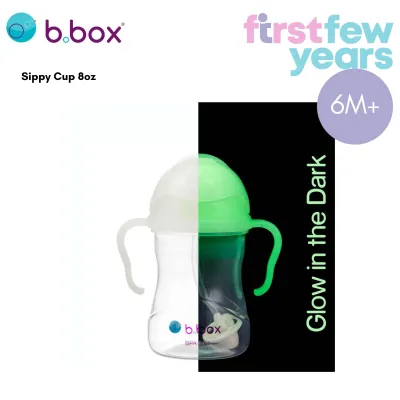
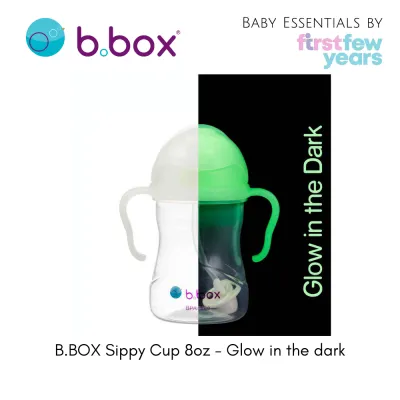
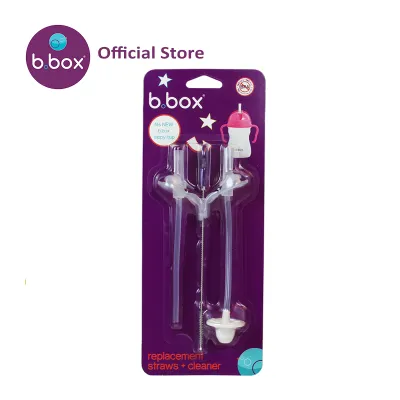
Prices are valid at publication and may change. Please refer to the product page for the latest price.
The transition from breast or bottle feeding to a straw cup involves a significant shift in oral motor mechanics. Bottle and breast feeding rely on a forward-and-backward tongue movement, known as suckling, to draw milk. In contrast, drinking from a straw requires the baby to seal their lips tightly around the silicone tip, retract their tongue, and create active suction using their cheek muscles. This transition helps strengthen the facial muscles used for speech development, making the straw cup a highly recommended milestone by pediatric feeding specialists.
Fine motor skills also play a critical role in determining which cup design is appropriate. Your baby should be able to reach for objects, grasp them with both hands, and bring them directly to their mouth with reasonable accuracy. In the early stages of learning, babies do not understand that a cup must be kept upright to access the liquid. They will naturally tilt, shake, and turn the cup upside down, which is why matching their physical capabilities to the correct cup mechanism is so important for preventing spills and keeping them motivated.
If you notice your baby struggling to coordinate swallowing, coughing frequently during attempts, or showing persistent frustration, it is best to pause the transition. Every child develops at their own pace, and forcing the process can lead to a negative association with drinking. In such cases, consulting a pediatrician, pediatric dentist, or feeding specialist can provide personalized guidance tailored to your child’s unique developmental timeline.
Matching bbox Straw Cup Features to Developmental Stages
For babies who are just beginning their straw-drinking journey, a weighted straw cup is often the most practical starting point. The defining feature of this design is a small, weighted anchor at the base of a flexible silicone straw. This weight ensures that the bottom of the straw remains submerged in the liquid, regardless of the angle at which the baby holds or tilts the cup. Because early learners frequently tilt cups upward as if they were bottles, the weighted straw allows them to successfully sip water even when lying down or holding the cup upside down.

As your child’s hand-eye coordination improves and they learn to keep their cup upright, they can transition to standard straw designs or free-flowing spout lids. Standard straw cups do not feature a weighted base, making them lighter and easier to carry for older toddlers. These cups are ideal for children who have mastered the basic mechanics of suction and no longer need to tilt the cup to access their drink. Transitioning to a standard straw also prepares them for using regular open cups and standard straws at restaurants or preschool.
When deciding between insulated and standard plastic cup bodies, consider your daily activities and local climate. Standard polypropylene (PP) cups are lightweight, translucent, and highly durable, making them excellent for indoor use and early learning when a heavy cup might tire a baby’s grip. However, if you live in a warm tropical climate like Singapore and spend significant time outdoors at parks or playgrounds, an insulated stainless steel cup is highly beneficial. Double-walled insulation helps keep water cool and refreshing for hours, though these cups are noticeably heavier and may require a stronger grip from an older toddler.
Cup capacity and handle design must also be matched to your child’s physical size and hydration needs. Early training cups typically feature a smaller capacity, around 240ml, paired with large, easy-grip handles that are permanently attached or securely fitted to the collar. These handles allow small hands to stabilize the cup and guide it to their mouth. For older toddlers who require more daily hydration, larger cups with a capacity of 300ml or more are more appropriate. These larger models often omit the side handles in favor of a contoured, slip-resistant body that fits easily into stroller cup holders and backpack side pockets.
Key Specifications to Verify Before Purchase
When shopping for a straw cup, verifying material safety labels on the product packaging is a critical first step. Look for clear, manufacturer-certified declarations stating that the product is free from Bisphenol A (BPA), Phthalates, and Polyvinyl Chloride (PVC). Because these cups are subjected to frequent washing, warm liquids, and constant biting, ensuring that the plastic and silicone components are food-grade and non-toxic is essential for your child’s long-term safety.
Carefully review the manufacturer’s instructions regarding heat limits, sterilization, and dishwasher compatibility. While many plastic cup bodies are safe for the top rack of a standard dishwasher, the silicone straws and weighted components often require gentler handling. For instance, weighted straws containing metal parts must never be placed in a microwave sterilizer or a microwave oven, as this poses a severe fire and safety hazard. Always verify whether the specific model you choose is compatible with steam sterilizers, UV sterilizers, or boiling water to avoid warping the plastic or damaging the leak-proof seals.
Before committing to a specific cup model, check the availability and cost of replacement parts in local retail outlets or online marketplaces. Silicone straws are prone to wear, especially when used by teething toddlers who tend to chew on the soft tips. Purchasing a cup that has readily available replacement straw packs, spare O-ring seals, and specialized cleaning brushes will save you from having to replace the entire cup when a single component wears out. Budgeting a few S$ for a maintenance kit upfront ensures that you can keep the cup hygienic and functional for a much longer period.
Transitioning and Daily Maintenance Guidelines
Introducing a straw cup should be a gradual, low-pressure process integrated into your baby’s daily routine. Start by offering the cup during regular mealtimes when your baby is already seated in their high chair and in a positive mood. Fill the cup with a small amount of familiar liquid, such as breast milk, formula, or water if they are over six months old. You can gently guide their hands to the handles and bring the straw to their lips, allowing them to explore the texture of the silicone. If they bite the straw instead of sucking, remain patient; this is a natural part of sensory exploration.
Maintaining strict hygiene is vital for preventing the buildup of mold and bacteria inside the narrow passages of the straw and the weighted ball. After every use, disassemble the cup completely, removing the lid, the silicone straw, the weighted anchor, and the rubber seal from the collar. Use a specialized, ultra-fine straw brush to scrub the inside of the silicone tube with warm, soapy water. Pay close attention to the valve area and the crevices around the weighted ball, as milk or juice residue can quickly become trapped in these tight spaces if not thoroughly rinsed.
Establish a routine inspection schedule to check the integrity of the cup’s components. Examine the silicone straw weekly for visible bite marks, tears, discoloration, or a loss of elasticity. A torn straw not only causes the cup to leak but can also pose a choking hazard if a small piece of silicone tears off in the baby’s mouth. If you notice persistent mold spots that do not wash away, or if the straw loses its suction due to wear, discard the straw immediately and replace it with a fresh, manufacturer-approved spare part.
Frequently Asked Questions (FAQ)
When is the best time to introduce a straw cup to my baby?
Most babies are developmentally ready to try a straw cup around six months of age, coinciding with the introduction of solid foods. Rather than relying solely on age, look for physical milestones such as independent sitting, strong head control, and an interest in reaching for your drinking utensils. Introducing a straw cup early helps prevent a strong attachment to bottle nipples and supports healthy oral muscle development. If you have concerns about your baby’s swallowing coordination or feeding progress, consult your pediatrician for personalized advice.
How do I properly clean the weighted ball inside the straw?
To clean the weighted ball, first disassemble the straw assembly completely from the cup lid. Run warm water directly through the straw while gently squeezing the weighted base to flush out any trapped liquid or residue. Insert a specialized, flexible straw brush into the bottom of the straw, rotating it gently to clean the internal cavity of the weight. Avoid using harsh abrasive cleaners or sharp tools that could puncture the silicone. Always refer to the manufacturer’s packaging to verify if the weighted components are safe for boiling, steam sterilization, or UV sterilization.

Community discussion
Share your experience or ask a question. Comments are reviewed before publication.