
Selecting the right changing setup for your baby involves balancing physical room constraints with daily caregiving workflows. In space-conscious homes, such as modern apartments or HDB flats, every square meter counts, making the choice of a babyhood change pad or changing table a critical design decision. To find the ideal model, you must evaluate your available floor area, determine your storage requirements for daily essentials, and understand how different configurations fit into your nursery layout. By focusing on physical measurements, structural stability, and manufacturer-specified guidelines, you can create a safe, ergonomic, and highly functional changing station that supports your family throughout your child’s infancy.
Assessing Your Nursery Space and Storage Needs
Before browsing specific models, take a realistic look at the physical layout of your nursery or shared bedroom. Start by identifying where the changing station will live, distinguishing between a tight, underutilized corner and a dedicated stretch of wall space. In smaller urban homes, a multi-functional approach is often necessary, where a single piece of furniture must serve multiple purposes, such as a chest of drawers that doubles as a changing surface.
Next, estimate the volume of storage you will need immediately at hand during a diaper change. A typical setup requires quick access to diapers, wet wipes, barrier creams, swaddles, and at least one change of clothing. If your nursery lacks built-in wardrobes or nearby shelving, you will need a changing unit that offers substantial integrated storage, whether through open shelves or deep drawers.
Products mentioned in this guide

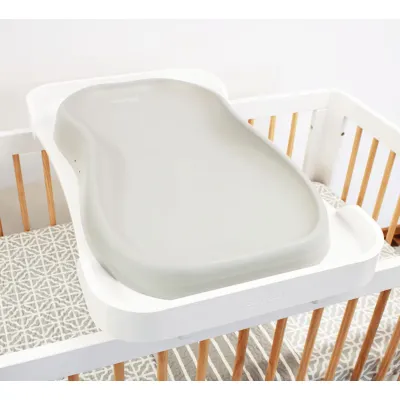

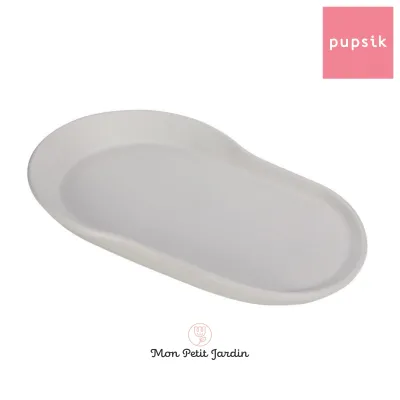


Prices are valid at publication and may change. Please refer to the product page for the latest price.
Consider how the room’s layout will evolve as your child grows. A changing station that takes up too much floor space early on can restrict movement once your baby begins crawling or playing on the floor. Prioritizing a compact footprint or a convertible design ensures the room remains adaptable and comfortable for both caregiver and child over the long term.
Matching Babyhood Change Pad Styles to Your Layout
Babyhood offers several changing solutions designed to accommodate different spatial limitations and storage preferences. For highly constrained spaces or multi-purpose rooms, compact and folding changing tables provide an excellent way to keep floor space clear when the unit is not in use. These lightweight, mobile options can be set up quickly for diaper changes and then folded flat to be stored behind a door or in a closet, making them ideal for shared master bedrooms or smaller secondary bedrooms.

If you have a moderate amount of space and prefer quick, unobstructed access to your baby’s essentials, a standard freestanding wooden changing table with open shelving is a practical choice. These models typically feature two or three open tiers, allowing you to organize baskets, diaper stacks, and wipes within arm’s reach. The open design also maintains a sense of visual openness in the room, preventing the furniture from feeling too heavy or imposing in a medium-sized nursery.
For larger nurseries or families who prefer a clean, clutter-free aesthetic, drawer-integrated changing tables or chest-of-drawers combos offer the maximum amount of concealed storage. These units feature a secure changing topper on top of a fully functional dresser, allowing you to store clothing, bedding, and bulk diaper supplies completely out of sight. Once your child outgrows the need for diaper changes, many of these models allow you to remove the changing topper entirely, leaving you with a classic piece of bedroom furniture that lasts for years.
Regardless of the style you choose, always verify the manufacturer’s official specifications before making a purchase. Check the documentation for the maximum weight limit, recommended age or developmental stage for safe use, and specific material care instructions. Additionally, ensure that any replacement change pad or mattress you buy is fully compatible with the internal dimensions of the changing table’s safety barriers to prevent sliding or gaps.
Essential Measurements and Safety Clearances
To ensure your changing table fits comfortably and operates safely, precise physical measurements are essential. Begin by measuring the exact floor footprint where you plan to place the unit, and compare these figures against the product’s external dimensions. Remember to measure the height as well, ensuring the changing surface aligns ergonomically with the primary caregiver’s waist to prevent repetitive back strain during daily changes.
Do not overlook the path the furniture must take to reach the nursery. Measure the width of your front door, hallways, stairwells, and the nursery doorway to confirm that the packaged box or fully assembled unit can pass through without damaging your walls or the product itself. If you live in a high-rise apartment, verify elevator dimensions if the item is delivered pre-assembled.
Beyond the physical footprint of the furniture, you must plan for adequate operational clearance. Leave enough standing room for the caregiver to move comfortably, bend over, and reach for supplies without feeling cramped. Ensure there is sufficient arm clearance on either side of the changing pad so you can safely support your baby during active moments.
Finally, safety guidelines require that heavy nursery furniture, especially units with drawers, be securely anchored to the wall to prevent accidental tip-overs. Identify the wall material in your nursery—such as drywall, brick, or concrete—and locate the studs or safe mounting points. Always refer to the manufacturer’s manual for specific anchoring instructions and use the appropriate hardware designed for your wall type.
Common Sizing and Placement Mistakes to Avoid
One of the most common spatial planning mistakes is failing to account for the full depth of a changing unit when its drawers or cabinet doors are fully extended. A dresser that seems to fit perfectly against a wall can block a doorway or restrict walking paths once you pull open a drawer to grab a clean onesie. Always measure the unit’s depth with all compartments fully open to ensure the room remains navigable.
Placement relative to environmental hazards is another critical safety consideration. Never position a changing table directly beneath or adjacent to a window, where an older baby could reach window latches, screens, or dangerous blind cords. Keep the station a safe distance away from unshielded electrical outlets, wall heaters, and decorative wall hangings that could be pulled down.
Lastly, do not assume that any standard changing pad will safely fit on top of an existing household dresser. Placing a loose pad on a smooth surface without a secure wooden topper, protective safety lips, or manufacturer-approved securing straps poses a significant fall risk. Always verify that the dresser’s top surface is deep and wide enough to accommodate the pad’s base fully, and follow the manufacturer’s instructions to secure the pad firmly to the furniture.
Frequently Asked Questions (FAQ)
Can I put a Babyhood change pad on a regular dresser?
Yes, you can place a Babyhood change pad on a regular dresser, provided you perform several essential safety and dimensional checks first. The dresser must have a flat, stable top surface that is deep and wide enough to fully support the base of the change pad without any overhang. It is crucial to verify that the dresser is at an ergonomic height for the caregiver to prevent back strain, and that the unit is securely anchored to the wall to prevent tipping. Always use the manufacturer’s recommended securing straps or a compatible wooden changing topper frame to lock the pad in place, and never leave your baby unattended on the elevated surface.
How much space do I need to leave around the changing table?
You should aim to leave at least 60 to 80 centimeters of clear floor space directly in front of the changing table to allow the caregiver to stand, bend, and move comfortably. Ensure there is enough clearance on the sides to open adjacent wardrobe doors, room doors, or drawers without obstruction. Additionally, maintain a safe distance of at least one meter from windows, blind cords, electrical outlets, and heaters to keep your baby safe from environmental hazards during changes.

Community discussion
Share your experience or ask a question. Comments are reviewed before publication.