
Selecting the right baby storage requires balancing immediate accessibility with long-term adaptability. In a bustling household, especially within compact urban apartments where floor space is at a premium, organizing baby essentials efficiently can significantly reduce daily parenting stress. The ideal storage setup categorizes items by their physical characteristics and frequency of use, ensuring that diapers, clothes, and toys each have a dedicated, safe, and easily reachable home. By matching specific storage formats—such as shallow drawers, open bins, and vertical wall organizers—to the unique demands of each baby item, you can create a functional nursery that grows alongside your child. Taking the time to plan your storage layout before purchasing furniture prevents clutter from accumulating and ensures that daily routines, from diaper changes to bedtime dressing, run as smoothly as possible.
Assessing Your Nursery Storage Needs
Before purchasing any storage furniture or organizing accessories, a thorough assessment of your physical space and daily routines is essential. Start by measuring the exact dimensions of the nursery, taking note of floor space, wall clearance, and the swing radius of doors and windows. In compact living environments, such as typical high-rise apartments, maximizing vertical space is often more practical than expanding the furniture footprint. Marking out potential furniture layouts with painter’s tape on the floor can help you visualize how much walking room remains once dressers, cribs, and shelving units are in place.
Next, categorize your baby’s belongings based on how often you will need to access them throughout the day. High-frequency items, such as diapers, wipes, onesies, and burp cloths, must be positioned within arm’s reach of your primary changing and dressing stations. Low-frequency items, including seasonal wear, next-size-up clothing, and spare bedding, can be relegated to less accessible areas like high closet shelves or under-crib storage boxes. When planning your nursery budget, allocating around S$150 to S$300 for high-quality, modular storage units can help you secure durable pieces that adapt to multiple stages of childhood without cluttering daily-use zones.
Products mentioned in this guide
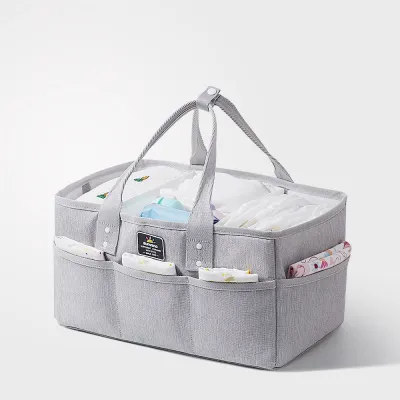
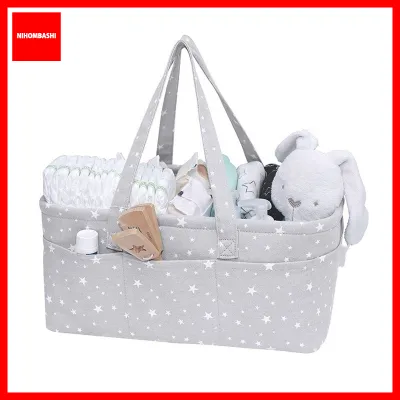
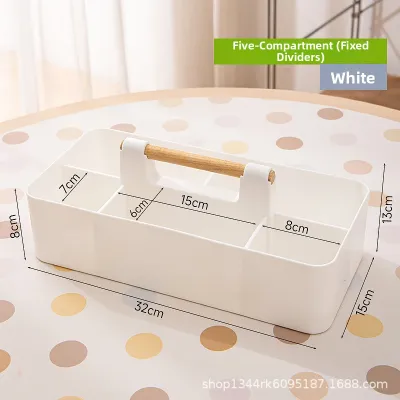
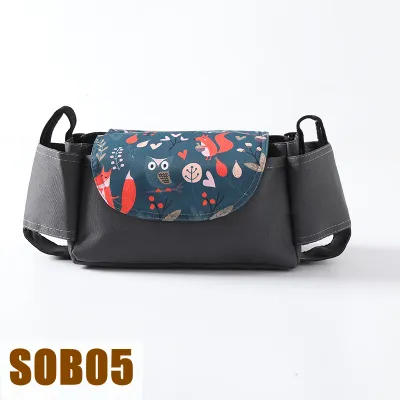
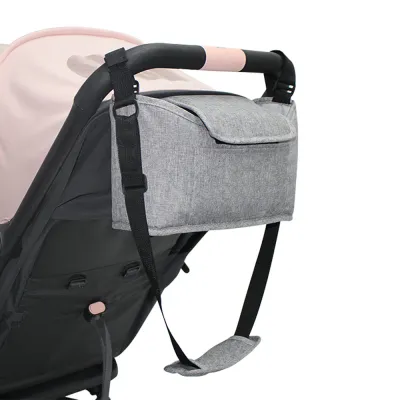
Prices are valid at publication and may change. Please refer to the product page for the latest price.
Ergonomics and caregiver safety should also dictate your storage layout. Consider the height and reach of everyone who will be caring for the baby to ensure that frequently used items do not require excessive bending, stretching, or balancing on step stools. A changing table setup that places essentials between waist and chest height minimizes physical strain during the dozens of diaper changes required each week. Additionally, keeping one hand on your baby at all times during changes is a critical safety practice, meaning your storage configuration must allow you to retrieve wipes, diapers, and fresh clothes using only your free hand.
Ideal Storage Types for Baby Clothes
Baby clothing is notoriously small, lightweight, and prone to unfolding when stacked in deep, open shelves. To manage these tiny garments effectively, shallow drawers equipped with adjustable drawer dividers or small fabric organizing grids are highly recommended. This setup allows you to store onesies, socks, beanies, and swaddles using the vertical folding method, where each item stands upright and remains fully visible. Instead of digging through a tall stack of shirts and disrupting the entire pile, you can easily identify and retrieve the exact piece you need in seconds.

For larger garments, outerwear, sleep sacks, and delicate outfits, hanging organizers or dedicated closet rods are far more practical. Hanging these items prevents wrinkling and makes it simple to assess your options at a glance. If your nursery closet features a single high rod, consider installing a tension rod or a hanging fabric shelving unit to double the usable vertical space. This adjustment is particularly useful for separating clothes by size ranges, allowing you to keep current-size garments on the lower, easily reachable rod while hanging future sizes higher up.
Managing outgrown or seasonal clothing requires a separate, low-profile storage strategy to keep your main wardrobe areas clear. Under-crib storage bins, especially those with wheels and secure lids, are excellent for stowing away clothes that your baby has temporarily or permanently outgrown. Alternatively, high closet shelves can hold labeled, clear plastic bins containing next-stage clothing sizes. Because Singapore’s tropical climate remains consistently warm and humid year-round, storing off-season or future-use garments in airtight containers with moisture-absorbing packets is a wise precaution to prevent mildew and musty odors.
Ideal Storage Types for Baby Toys
As your baby transitions from infancy to toddlerhood, the volume and variety of toys will inevitably increase, requiring a flexible storage system that adapts to changing play habits. For large, soft items like plush toys, blankets, and oversized building blocks, open bins or low, soft-sided baskets are the most practical choice. These containers allow for quick, effortless cleanup at the end of the day and make it easy for older babies to reach in and select their favorite items. Choosing baskets made from natural woven fibers or soft cotton rope ensures there are no sharp edges or heavy lids that could pinch small fingers.
Small toys, puzzles, and items with multiple pieces present a different challenge, as they can quickly become clutter or pose serious choking hazards if left scattered. For these items, clear plastic containers with secure, child-resistant latches are highly effective. The transparency allows you to see exactly what is inside without opening every box, while the secure latches ensure that babies cannot access small parts without adult supervision. Storing these containers on higher shelves or inside closed cabinets allows you to control when these toys are used, facilitating supervised play and keeping small pieces contained.
To encourage independent play and early organization skills, implement low, sturdy shelving units for board books and display toys. Front-facing book displays are particularly beneficial for young children, as they can identify books by their covers rather than their spines, prompting them to select and return books independently. Ensure these shelves are wide and stable, with a low center of gravity, so they remain upright even if a curious toddler attempts to pull themselves up using the frame.
Ideal Storage Types for Diapers and Wipes
Diapering is a high-frequency task that demands absolute efficiency, hygiene, and immediate accessibility. For your primary changing station, a portable diaper caddy or a countertop organizer is indispensable for holding a daily supply of diapers, wipes, creams, and disposal bags. These open-top organizers keep everything visible and arranged in separate compartments, allowing you to grab a fresh diaper or wipe with one hand while keeping your other hand securely on your baby. A portable caddy can also be easily carried from room to room, ensuring you have diapering essentials close by throughout the day.
Bulk supplies of diapers and wipes, which are often purchased in large, heavy boxes to save money, should be stored away from your primary workspace to conserve valuable surface area. Lower dresser drawers, deep closet shelves, or rolling under-crib bins are ideal locations for these bulk reserves. By keeping only a one- to two-day supply at the changing station and replenishing it from your bulk storage during quiet moments, you maintain a clean, uncluttered environment that is easy to sanitize.
In compact nurseries where floor and countertop space are extremely limited, vertical storage solutions can transform underutilized areas into highly functional zones. Wall-mounted pockets, pegboards, or over-the-door hanging organizers are excellent for holding wipes, diaper creams, hand sanitizers, and clean changing pad covers. Placing these vertical organizers directly adjacent to the changing table keeps essential items off the main surface while ensuring they remain within your immediate line of sight and reach.
Safety and Practicality Checks for Nursery Furniture
When selecting and installing nursery storage, safety must always take precedence over aesthetics and convenience. The most critical safety measure for any nursery is preventing furniture tip-overs, which can cause severe injuries to climbing toddlers. All tall dressers, bookcases, shelving units, and heavy storage chests must be securely anchored to the wall studs using heavy-duty anti-tip anchoring kits. Even if a piece of furniture seems heavy and stable, the weight of open drawers or a child climbing on the shelves can easily shift the center of gravity and cause it to topple forward.
Material safety is another vital consideration, as babies frequently touch, lean on, and even chew on nursery furniture surfaces. Before purchasing any storage unit, verify the manufacturer’s specification labels to ensure that the materials, paints, and finishes are non-toxic, lead-free, and low in volatile organic compounds (VOCs). Look for recognized safety standards and certifications on the product packaging or the manufacturer’s official website to confirm that the item has undergone rigorous testing for chemical emissions and structural integrity.
Finally, examine the mechanical construction of drawers and doors to prevent painful finger pinches and structural failures. Ensure that all drawer glides are equipped with built-in stop mechanisms that prevent the drawers from being pulled completely out of the frame and falling onto a child. Soft-close hinges on cabinet doors and toy chests are also highly recommended, as they slow down the closing action and prevent heavy lids or doors from slamming shut on little hands. Regularly inspect all hardware, tightening loose screws and checking the stability of wall anchors to ensure your storage remains safe over years of daily use.
Frequently Asked Questions (FAQ)
How often should I reorganize my baby's storage?
A practical approach is to align major nursery reorganizations with your baby’s developmental milestones and clothing size transitions, which typically occur every three to six months during the first year. As your baby outgrows their current wardrobe, use the transition to clear out small clothes, adjust drawer dividers, and bring the next size range into primary rotation. Similarly, as your child transitions from a stationary infant to a crawling or walking toddler, you will need to move fragile or hazardous items higher up and place age-appropriate toys on lower, accessible shelves.
Rotating toys every few weeks is another highly effective strategy to maintain your child’s interest and prevent visual clutter. Instead of keeping every toy available at once, store a portion of them in a closet or high cabinet and swap them out periodically. This rotation makes old toys feel new and exciting again, reduces the amount of cleanup required at the end of the day, and helps your child focus more deeply on the select toys currently available in their play space.
Are fabric storage bins safe for nurseries?
Fabric storage bins are generally safe and highly practical for nurseries, provided you verify their construction and material safety before use. When selecting fabric bins, look for options with sturdy internal wire frames, reinforced cardboard bases, or thick felt walls that maintain their shape even when empty. This structural integrity prevents the bins from collapsing or folding in on themselves, which could trap or pinch a baby’s hands during play. Avoid bins with flimsy, unsupported fabric walls that easily sag or tip over when filled.
Additionally, prioritize fabric bins that are easy to clean and free from harmful chemical treatments. Because nursery items are prone to spills, drool, and dust accumulation, choosing machine-washable fabric liners or bins made from wipeable materials is essential for maintaining a hygienic environment. Always read the manufacturer’s care and safety labels to confirm that the fabrics have not been treated with harsh flame retardants or stain-resistant chemicals, ensuring a safe and healthy space for your baby to explore.

Community discussion
Share your experience or ask a question. Comments are reviewed before publication.