
Introducing solid foods is a major milestone in your baby’s first year, and baby rice cereal is often one of the very first foods parents consider. In Singapore, where a wide variety of local and imported baby food brands fill the shelves, choosing the right option can feel overwhelming. To make the best choice, parents must look beyond attractive packaging and focus on key factors such as iron fortification, ingredient purity, age-appropriate textures, and reliable sourcing. By understanding what to look for on the nutritional label and how to safely prepare and introduce these cereals, you can ensure your infant’s transition to solids is both nutritious and safe.
When to Start and Is Baby Rice the Right First Food?
Around six months of age, babies begin to show signs that their digestive systems and motor skills are ready for foods other than breast milk or formula. It is important to look for specific developmental milestones rather than relying solely on age.
Key signs of readiness include holding the head steady and upright without assistance, sitting with minimal support in a high chair, and losing the tongue-thrust reflex, which automatically pushes solid objects out of the mouth. Your baby may also show active interest in what you are eating by reaching out, leaning forward, or watching your spoon closely.
Products mentioned in this guide
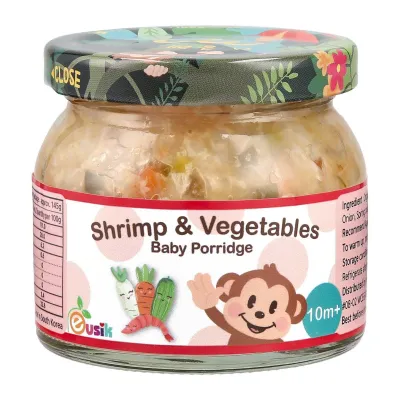
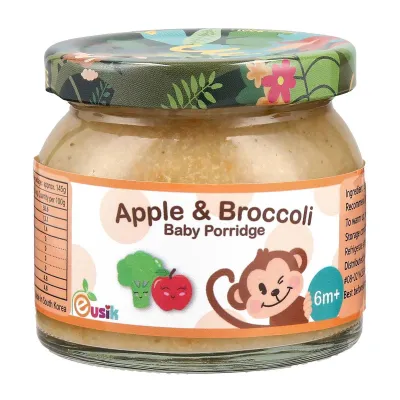
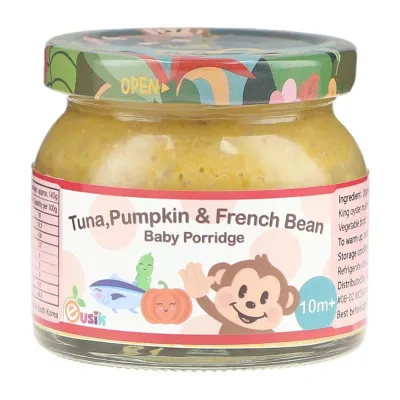
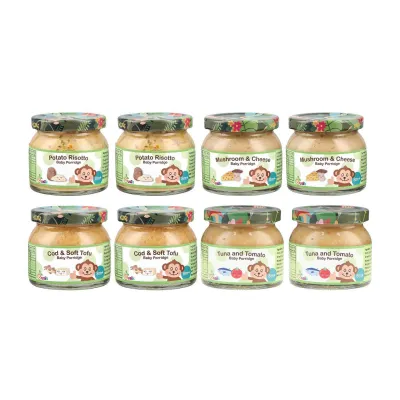
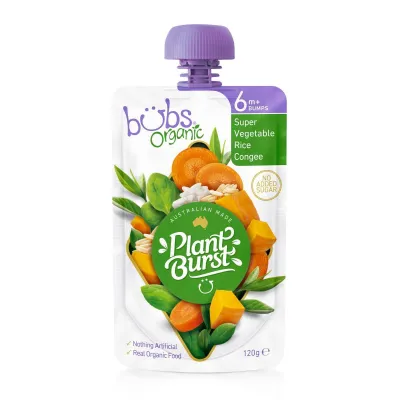
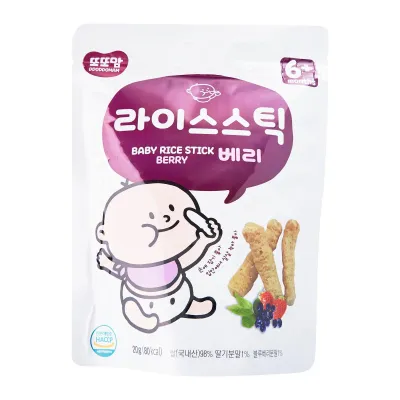
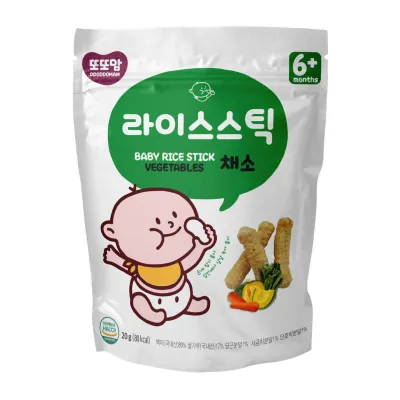
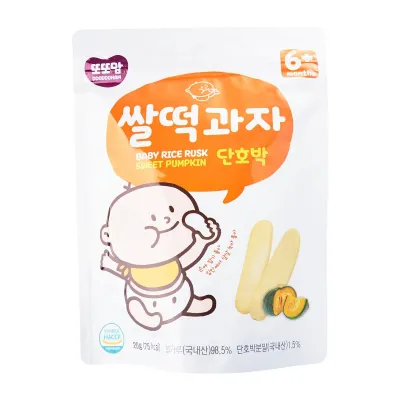
Prices are valid at publication and may change. Please refer to the product page for the latest price.
Baby rice cereal has traditionally been recommended as a first food because it is gentle on a developing digestive system, highly unlikely to cause allergic reactions, and has a mild flavor that does not overwhelm a baby’s palate. It serves as an excellent transitional food to help your baby learn how to swallow solids.
However, baby rice is not the only option for starting solids. Parents can also consider pureed vegetables, fruits, or other single-grain cereals like oats or barley as first foods. The choice depends on your baby’s individual needs and your pediatrician’s recommendations.
If your baby rejects the spoon, spits out the food repeatedly, or shows signs of distress such as crying or arching their back during feeding, it is important to pause. Do not force the feeding, as this can create negative associations with food. Wait a few days or a week before trying again, and consult your pediatrician if you have concerns about your baby’s readiness or physical reactions.
Essential Criteria for Selecting a Baby Rice Cereal Brand
When evaluating different baby rice cereal options, the nutritional profile should be your primary consideration. Around six months, a baby’s natural iron stores accumulated during pregnancy begin to deplete, making iron-rich foods essential.

Check the nutritional panel to ensure the cereal is fortified with iron, which is often listed as electrolytic iron, carbonyl iron, or ferrous fumarate. Compare the percentage daily value of iron across different brands to ensure your baby receives adequate support for healthy brain development and red blood cell production.
Ingredient purity is another critical factor. The ideal first cereal should have a very short, clean ingredient list, with the primary ingredient being simply rice flour or organic rice. Avoid products that contain added sugars, salt, artificial flavors, preservatives, or sweeteners, as babies do not need these additives and they can shape unhealthy taste preferences early on.
Texture and mixability are also important for early swallowers. The cereal must dissolve easily into a completely smooth, lump-free puree when mixed with liquid. Some brands use advanced milling processes that allow the cereal to mix instantly with warm or cold liquids without clumping, which is highly convenient for busy parents.
Finally, consider allergen cross-contamination. Even if a cereal is naturally gluten-free and made from rice, it may be processed in a facility that also handles wheat, soy, milk, or tree nuts. Carefully inspect the packaging for precautionary allergen labeling if your baby has a known family history of allergies or has shown sensitivity to certain ingredients.
Reading the Label: What to Verify Before Purchasing
Reading the label thoroughly is the best way to protect your baby from unnecessary additives and ensure you are buying a safe product. Manufacturers sometimes use alternative names for sugar to make their products look healthier, so scan the ingredient list for terms like maltodextrin, sucrose, dextrose, fructose, corn syrup solids, or concentrated fruit juices.
Always check the age-stage labeling on the front of the packaging. Baby food brands typically categorize their products by stages or months, such as “Stage 1,” “6 Months+,” or “First Foods.” These stages are designed to match specific developmental milestones, with Stage 1 cereals being finely ground for easy swallowing.
Verify the manufacturer’s preparation instructions, as different brands have different requirements. Some require mixing with warm breast milk or formula, while others can be mixed with cooled boiled water because they already contain milk solids. Using water with a cereal that does not contain milk solids will result in a meal with very low caloric and nutritional value.
In Singapore’s warm and humid climate, maintaining food safety is a constant priority. Before buying, inspect the physical condition of the packaging and avoid boxes with crushed corners, tins with dents, or bags with compromised seals, as moisture can easily enter and cause mold growth. Always check the expiration date to ensure the product remains fresh throughout its intended period of use.
Sourcing and Purchasing Baby Rice Cereal Safely
In Singapore, parents have access to several reliable retail channels for purchasing baby food. Established local supermarkets, specialized maternity stores, registered pharmacies, and official brand stores on major online platforms are the safest options.
These reputable retailers source their products directly from authorized distributors, ensuring proper temperature control and quality assurance during transit and storage. This minimizes the risk of purchasing expired, counterfeit, or improperly stored products.
While online marketplaces offer convenience, buying from unverified third-party sellers carries risks. Look out for parallel imports that lack English labeling, as you may not be able to read critical allergen warnings or preparation instructions. Other red flags include missing local distributor contact details, damaged or taped-over seals, and prices that seem unusually low compared to local retail standards.
Once opened, baby rice cereal is highly susceptible to moisture, insects, and spoilage, especially in Singapore’s humid environment. Do not store the cereal in its original cardboard box once opened; instead, transfer the inner foil bag to an airtight glass or BPA-free plastic container.
Store the container in a cool, dark pantry away from direct sunlight and appliances that generate heat. Most manufacturers recommend consuming the cereal within three to four weeks of opening to ensure optimal freshness and safety, so writing the opening date on the container can be a helpful reminder.
Safe Preparation and Monitoring for Allergic Reactions
Always wash your hands thoroughly with soap and water before preparing your baby’s food, and ensure all utensils, bowls, and spoons are clean and sterilized. Measure the cereal and liquid according to the manufacturer’s recommended ratio to achieve the correct consistency.
Use expressed breast milk, prepared infant formula, or cooled boiled water as directed by the manufacturer. Stir the mixture until it is completely smooth and free of lumps, and test the temperature on the inside of your wrist before feeding to ensure it is lukewarm or cool, never hot.
When introducing solids, offer only one new single-ingredient food at a time, and wait three to five days before introducing another. This observation window is crucial for identifying the exact cause of any adverse reaction, so do not introduce other new grains, fruits, or vegetables during this period.
Keep a close eye on your baby during and after feeding, as signs of an allergic reaction or food intolerance can appear within minutes or several hours. Watch for hives, skin rashes, swelling of the face or lips, vomiting, sudden diarrhea, or unusual fussiness and abdominal pain.
If you observe mild symptoms, stop feeding the cereal immediately and consult your pediatrician. For severe symptoms, such as difficulty breathing, wheezing, or widespread swelling, seek emergency medical care immediately.
Start with a very thin, runny consistency—almost like slightly thickened milk—so your baby can easily swallow it without choking. As your baby becomes more comfortable with the swallowing motion and shows better tongue control, gradually decrease the amount of liquid to create a thicker, paste-like consistency to help build oral muscles.
Frequently Asked Questions (FAQ)
Can I make my own baby rice cereal at home instead of buying commercial brands?
Making baby rice cereal at home is possible, but it comes with significant nutritional and safety trade-offs. Commercial baby cereals are specifically fortified with essential nutrients, particularly iron, which is difficult to replicate in a homemade version using standard kitchen ingredients. Additionally, achieving the ultra-fine, smooth texture required for early weaning can be challenging with standard home blenders. If you choose to make homemade rice cereal, ensure you use high-quality, thoroughly washed rice, maintain strict kitchen hygiene, and store small batches in the refrigerator for no more than 24 hours. You will also need to discuss alternative iron sources, such as pureed meats or iron drops, with your pediatrician to ensure your baby’s nutritional needs are met.
Does baby rice cereal cause constipation in infants?
Yes, baby rice cereal can sometimes cause or worsen constipation in infants. Rice is a refined grain that is naturally low in dietary fiber, and when combined with an immature digestive system transitioning from an all-liquid diet, it can lead to harder stools. Signs of constipation include your baby straining during bowel movements, passing hard, pellet-like stools, or showing signs of abdominal discomfort. To manage this, ensure you are mixing the cereal with adequate liquid (breast milk or formula). You can also try offering a few sips of cooled boiled water if your baby is over six months old, or temporarily switch to a higher-fiber single-grain cereal like oatmeal. If constipation persists or causes significant distress, pause the cereal and consult your pediatrician for guidance.
Is there a risk of heavy metals in baby rice cereal?
Rice plants naturally absorb arsenic, a heavy metal found in soil and water, more efficiently than many other grain crops. Because of this, there is a recognized risk of trace heavy metal exposure in rice-based products. To mitigate this risk, regulatory bodies set strict limits on arsenic levels in infant foods, and reputable brands conduct rigorous testing on their raw ingredients. As a parent, the best strategy is to offer a varied diet rather than relying solely on rice cereal as a daily staple. Rotate rice cereal with other nutritious single-grain options such as oat, barley, or quinoa cereals. Additionally, always follow the manufacturer’s preparation instructions and source your products from trusted brands that adhere to international safety standards.

Community discussion
Share your experience or ask a question. Comments are reviewed before publication.