
Selecting the right baby formula dispenser in Singapore requires a careful understanding of how different formula powders interact with environmental factors and dispenser designs. In Singapore’s tropical climate, high humidity levels can rapidly turn dry, free-flowing formula powder into a sticky, clumped mass if it is not stored and dispensed correctly. Whether you are preparing bottles for a day out or managing late-night feeds at home, the physical characteristics of your chosen formula—be it standard, organic, or hypoallergenic—will dictate which dispenser design offers the best accuracy, hygiene, and convenience.
A dispenser that works perfectly for a granular, standard cow’s milk formula might fail completely when filled with a fine, sticky amino acid-based powder. Understanding the relationship between powder texture, moisture resistance, and dispenser mechanics is the key to ensuring your baby receives a precisely measured, safe feed every time. By evaluating the sealing capabilities, material safety, and ease of maintenance of various dispenser styles, you can select a solution that fits seamlessly into your daily parenting routine.
Why Powder Type Matters When Choosing a Dispenser
Formula powders are not uniform; they vary significantly in their physical properties based on their ingredients and manufacturing processes. Standard formulas, organic options, and specialized hypoallergenic powders each possess unique grain sizes, fat contents, and densities that directly influence how they flow through a dispensing mechanism. For instance, standard formulas often contain emulsifiers and have a more granular structure that resists clumping under normal conditions, whereas organic formulas may lack these additives, making them more sensitive to environmental changes.
Products mentioned in this guide
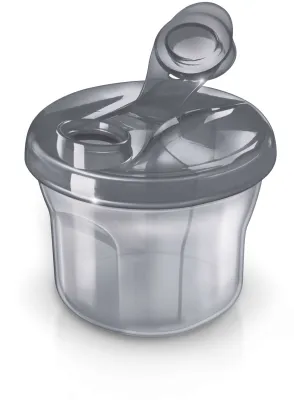
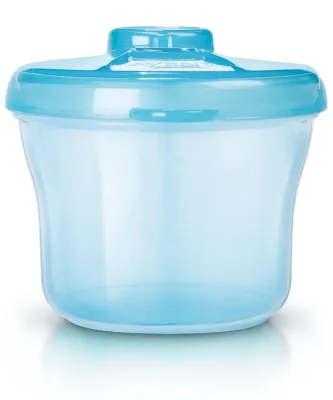
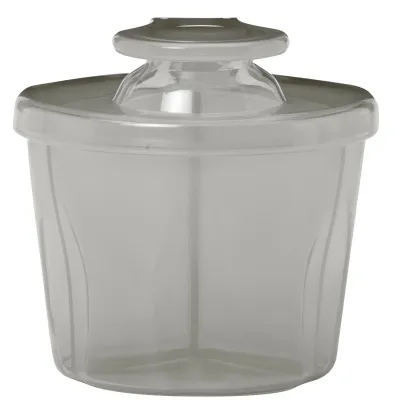
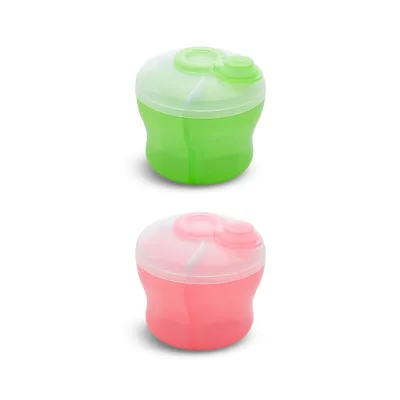
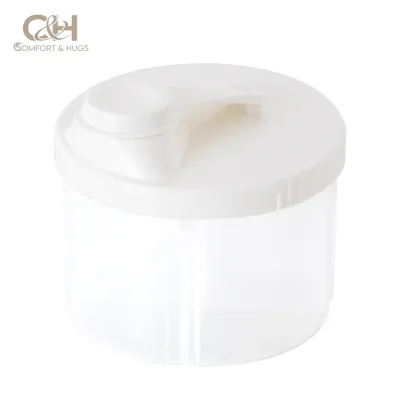
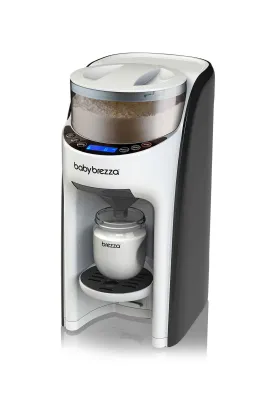
Prices are valid at publication and may change. Please refer to the product page for the latest price.
The primary challenge for parents in Singapore is the ambient humidity, which frequently exceeds 80%. Formula powder is highly hygroscopic, meaning it actively absorbs moisture from the surrounding air. When a dispenser is opened or when powder is transferred, exposure to humid air can cause immediate micro-clumping. If a dispenser relies on narrow openings, internal wheels, or small funnels, these tiny clumps can quickly accumulate, blocking the flow and leading to inaccurate portions.
Portion accuracy is critical for infant health. If a dispenser fails to deliver the correct amount of powder due to clumping or sticking, the resulting feed may be too diluted or too concentrated. Diluted formula can lead to nutritional deficiencies, while over-concentrated formula can strain a baby’s developing kidneys and digestive system. Therefore, matching the physical flow characteristics of your specific powder type to the mechanical design of the dispenser is a fundamental safety consideration.
Essential Features to Evaluate Before Buying
When evaluating baby formula dispensers, several critical design and functional specifications must be analyzed to ensure long-term safety and convenience. The first feature to consider is the portion accuracy mechanism. Manual dispensers, such as stackable containers or rotating towers, rely on pre-measured compartments where you scoop the powder yourself. This design eliminates mechanical dosing errors but requires you to ensure that each compartment is completely emptied during a transfer. Mechanical or semi-automated dispensers, on the other hand, use internal chambers or wheels to measure out specific volumes, making them highly dependent on the powder’s density and flowability.

Sealing technology is another vital feature, especially given the local climate. A high-quality dispenser must feature robust moisture barriers, such as food-grade silicone gaskets, airtight snap lids, or secure threaded closures. Without an effective seal, humidity will penetrate the storage chambers, causing the powder to degrade, lose its nutritional value, and become a breeding ground for bacteria. Look for dispensers that offer independent seals for each compartment rather than a single loose lid covering multiple sections.
Material safety is paramount when selecting any product that comes into contact with infant nutrition. Parents should carefully inspect product packaging and listings for clear material safety labels. Look for food-grade, BPA-free plastics such as polypropylene (PP), polyphenylsulfone (PPSU), or Tritan. These materials are not only safe from harmful chemical leaching but are also durable enough to withstand frequent cleaning and sterilization cycles without degrading or releasing microplastics.
Finally, ease of disassembly is crucial for maintaining daily hygiene. A dispenser with complex, non-removable parts or deep, narrow crevices is highly risky. Damp powder residue can easily become trapped in these hard-to-reach areas, leading to mold growth that is invisible from the outside. Ensure that every single component of the dispenser can be easily taken apart, scrubbed, and sterilized according to the manufacturer’s guidelines.
Matching Dispenser Designs to Your Formula Needs
To choose the most effective dispenser, it helps to understand how different physical designs align with your baby’s specific formula type and your family’s lifestyle. Dispensers generally fall into three main categories: stackable multi-compartment containers, rotating tower dispensers, and single large storage containers with integrated leveling tools. Each design offers distinct advantages depending on whether you are dealing with standard, organic, or highly specialized medical powders.
Standard Formula Powders
Standard infant formulas are typically the easiest to dispense due to their consistent, moderately granular texture. These powders flow relatively smoothly and are less prone to extreme sticking, making them highly compatible with classic stackable or rotating multi-port designs. These multi-compartment dispensers allow you to pre-portion individual feeds for a full day, which is incredibly convenient for travel or quick preparation.
When selecting a dispenser for standard formula, look for designs that feature wide, smooth-pouring funnels or spouts. Even though standard powder flows well, a narrow or poorly angled spout can still cause the powder to bridge and block the opening, especially if there is any residual moisture from previous cleanings. A wide opening ensures that the entire pre-measured portion transfers quickly and cleanly into the baby bottle without spilling.
Organic and Specialty Powders
Organic and specialty formulas often present unique handling challenges because they frequently omit synthetic anti-caking agents and stabilizers. This omission can result in a powder that is finer, more delicate, and significantly more sensitive to moisture. Some organic formulas also have a slightly higher fat content, giving them a stickier texture that tends to cling to plastic surfaces.
For these powders, prioritizing dispensers with superior airtight seals is essential to protect the sensitive nutrients from oxidation and moisture ingress. Additionally, look for dispensers made from high-quality, ultra-smooth plastics or glass. Smooth interior walls minimize static electricity and surface friction, preventing fine organic powders from sticking to the sides of the chamber. This ensures that the entire measured dose is successfully delivered into the bottle, maintaining the correct nutritional balance.
Hypoallergenic and Amino Acid-Based Powders
Hypoallergenic, extensively hydrolyzed, and amino acid-based formulas are highly specialized medical foods designed for infants with severe milk protein allergies or digestive issues. These powders are typically extremely fine, dusty, and exceptionally hygroscopic. They absorb ambient moisture almost instantly upon exposure to air, turning into a sticky, clay-like consistency that can easily clog mechanical dispensing parts.
Because precise dosing is critical for babies requiring these specialized formulas, manual pre-portioning dispensers with wide openings and manual leveling designs are highly recommended. Avoid complex mechanical dispensers with internal wheels or narrow dispensing channels, as the fine powder will inevitably build up and cause blockages or inaccurate dosing. Furthermore, choose a dispenser that allows for complete, effortless disassembly. Because hypoallergenic formulas leave a persistent, fine residue, every part must be thoroughly washed and sterilized to prevent any risk of bacterial contamination or cross-contamination with other food proteins.
Hygiene, Safety, and Daily Maintenance
Maintaining a strict hygiene and cleaning routine is the most critical aspect of using any baby formula dispenser. Before cleaning your dispenser, always consult the manufacturer’s instructions to verify the approved sterilization methods. Different materials react differently to heat and light; for example, some plastics can safely undergo boiling, steam sterilization, or dishwasher cleaning, while others may warp or degrade. If you use a UV sterilizer, ensure the dispenser material is UV-compatible, as prolonged exposure to ultraviolet light can cause certain plastics to become brittle, discolored, or prone to cracking.
The most common mistake parents make is assembling the dispenser or adding formula powder before the components are completely dry. In Singapore’s humid environment, natural air-drying can take several hours and may still leave microscopic traces of moisture in tight corners. Any residual moisture inside a dispenser chamber will cause the formula powder to clump, stick to the walls, and spoil. More importantly, damp, warm environments inside a sealed container create the perfect breeding ground for harmful bacteria such as Cronobacter sakazakii, which can cause severe illness in infants. To prevent this, ensure all parts are dried thoroughly in a clean, well-ventilated area, or use a sterilizer with a dedicated, high-efficiency drying cycle before reassembly.
Regular inspection of your dispenser is also essential for ongoing safety. Create a simple weekly checklist to examine each component for signs of wear and tear. Look closely for deep scratches on the inner surfaces, as these tiny grooves can harbor bacteria and are extremely difficult to clean effectively. Inspect the silicone gaskets and seals to ensure they remain flexible, tight-fitting, and free from mold or discoloration. If you notice any cracks, persistent cloudiness in the plastic, or loose seals, it is time to replace the dispenser immediately to protect your baby’s health.
Smart Shopping Checklist for Singapore Parents
When browsing online marketplaces, e-commerce platforms, or physical baby boutiques in Singapore, keeping a structured checklist will help you make a safe and authentic purchase. First, always verify the authenticity of the seller. Purchase directly from official brand stores, flagship malls, or authorized local distributors to ensure you are receiving a genuine product. Counterfeit baby products often bypass strict safety regulations and may contain unauthorized materials, low-grade plastics, or toxic chemicals that pose a direct risk to your infant.
Second, check the product listing or packaging for recognized safety marks and compliance labels. While different countries have their own certification bodies, look for clear indications that the product meets international food-grade standards, such as FDA compliance, European CE marking, or local consumer product safety requirements. These labels provide assurance that the materials used have been rigorously tested for chemical leaching and durability.
Finally, review the seller’s return policies and warranty conditions before finalizing your purchase. A reliable manufacturer or distributor should offer a clear return policy in the event that the dispenser arrives with manufacturing defects, such as warped plastic, missing components, or defective silicone seals. Having a warranty or a straightforward return process ensures that you can easily exchange a faulty product without hassle, giving you peace of mind as you prepare for your baby’s feeding journey.
Frequently Asked Questions (FAQ)
Can I use a formula dispenser for breast milk powder or toddler milk?
While it may be tempting to use a single dispenser for various powdered products, caution is required. Toddler milk and specialized breast milk fortifiers often have different fat contents, added sweeteners, and grain sizes compared to standard infant formula. These differences can significantly affect how the powder flows, potentially causing clumping or bridging in dispensers designed specifically for infant formula. Additionally, the scoop sizes and water-to-powder ratios for toddler milks are often different, which can lead to volumetric dosing errors in mechanical dispensers. Always consult the dispenser manufacturer’s guidelines to verify multi-use compatibility, and stick to manual pre-portioned containers if you need to transport different types of milk powders.
How often should I replace my baby formula dispenser?
There is no fixed calendar timeline for replacing a baby formula dispenser, as its lifespan depends heavily on the frequency of use, cleaning methods, and material quality. Instead of relying on a set timeframe, parents should base their replacement decisions on observable physical conditions. Inspect the dispenser daily during washing. If you observe deep scratches, persistent cloudiness that does not wash away, cracks in the plastic, or loose, stretched-out silicone seals that no longer provide an airtight barrier, the dispenser should be replaced immediately. Using a degraded dispenser compromises both the airtight seal and the hygienic integrity of your baby’s formula.

Community discussion
Share your experience or ask a question. Comments are reviewed before publication.