
Using a milk dispenser can significantly simplify your daily infant feeding routine, offering convenience and speed when preparing bottles. However, because infants have developing immune systems, maintaining high standards of hygiene and accuracy during formula preparation is paramount. A milk dispenser—whether a manual multi-compartment container or an advanced electric appliance—must be operated and maintained with strict attention to detail to minimize the risk of bacterial contamination and help ensure your baby receives the correct nutritional balance.
In warm and highly humid climates, such as Singapore, managing formula preparation requires extra vigilance. High humidity levels can cause dry formula powder to absorb moisture rapidly, leading to clumping, clogging, and inaccurate measurements. This guide outlines the essential steps to safely prepare, operate, clean, and maintain your milk dispenser to protect your baby’s health and support peace of mind with every feed.
Preparing Your Milk Dispenser for Safe First Use
Before introducing any baby formula to a new milk dispenser, you must verify that the device is physically intact and thoroughly sanitized. Begin by unboxing the unit in a clean, well-lit workspace. Carefully inspect every component, including the main housing, powder container, water tank, dispensing funnel, and all silicone seals or valves. Look closely for any manufacturing defects, hairline cracks, missing parts, or packaging debris that may have accumulated during transit.
Products mentioned in this guide
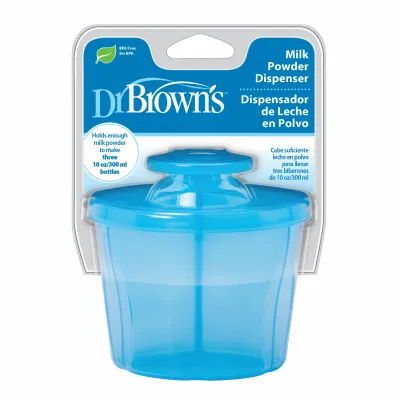
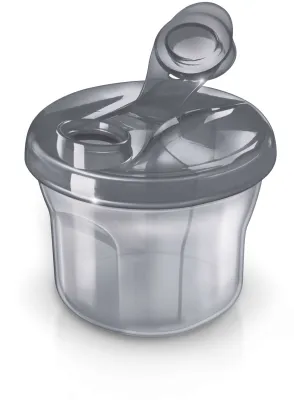
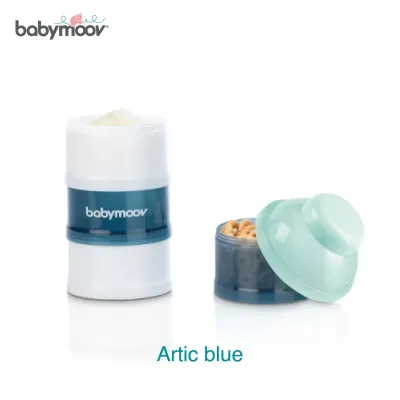
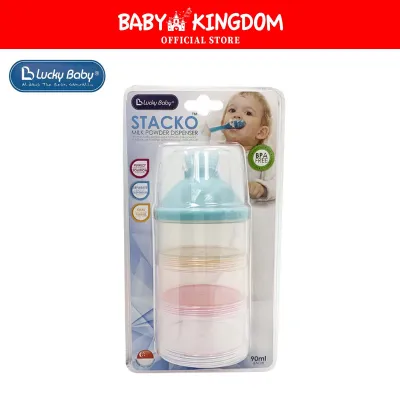
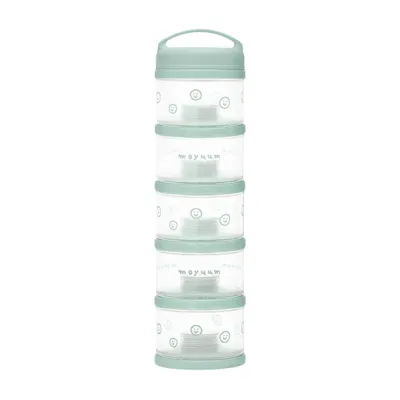
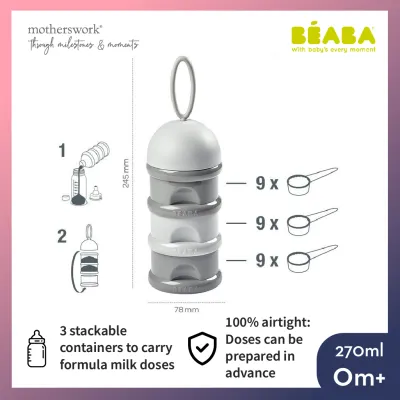
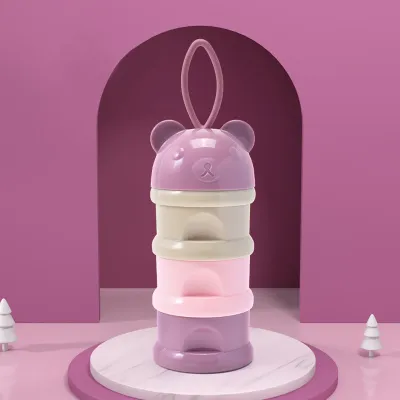
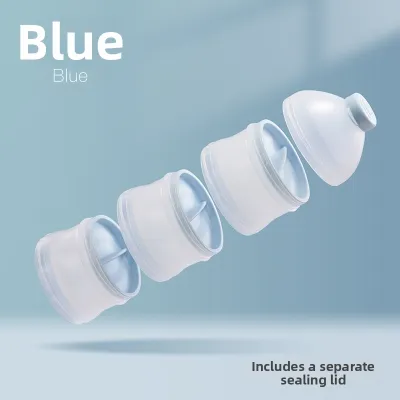
Prices are valid at publication and may change. Please refer to the product page for the latest price.
Once you have verified that all parts are present and undamaged, disassemble all removable components for an initial wash. Wash these parts thoroughly using warm, soapy water and a dedicated baby bottle brush. Avoid using standard kitchen sponges or dishcloths, which can harbor food residues and bacteria. Rinse each part under clean, running water to remove soap residue completely.
Before proceeding with any heat-based sterilization, consult the manufacturer’s instruction manual to verify the temperature limits of each component. Some plastic and silicone parts can warp, degrade, or release unwanted compounds if exposed to high temperatures. Check whether the parts are compatible with steam sterilizers, boiling water, UV sterilizers, or chemical sterilizing tablets. Once sterilized, allow all components to air-dry completely on a clean, elevated rack before reassembling the unit.
Step-by-Step Guide to Dispensing Formula Safely
To maintain hygiene and help ensure your baby receives the correct dosage of nutrients, you must execute the dispensing process with precision. Always begin by washing your hands thoroughly with soap and water for at least 20 seconds, drying them with a clean, lint-free towel. Ensure the countertop and the area surrounding the dispenser are clean and free from dust or spills.

When filling the dispenser’s powder compartment, use only dry formula powder from a freshly opened or properly stored container. Pour the powder gently into the compartment without packing it down or compressing it. Compressing the powder can alter its density, leading to an overly concentrated feed that can strain your baby’s digestive system. Conversely, under-filling or uneven distribution can result in a diluted feed, depriving your infant of essential nutrients.
Moisture control is critical during the filling process. Ensure your hands, the scoop, and the dispenser’s container are thoroughly dry before handling the powder. In humid environments, keep the powder compartment lid tightly sealed, opening it only briefly to refill. Any moisture that enters the compartment can cause the powder to clump, which can block the dispensing mechanism and lead to inaccurate portion sizes.
Align your sterilized baby bottle directly under the dispensing nozzle or funnel to prevent spills and minimize exposure to the open air. If you are using an automatic electric dispenser, double-check that the settings match your specific formula brand and stage, as different powders have unique densities and water-to-powder ratios. Operate the dispensing mechanism smoothly and continuously according to the manufacturer’s instructions.
After dispensing, always verify the prepared bottle against your baby’s specific feeding requirements. Check the volume of the liquid and ensure the formula is fully dissolved without clumps or sediment at the bottom. If you suspect the dispenser has delivered an incorrect ratio of water to powder, discard the feed immediately, clean the mechanism, and prepare a fresh bottle manually to support your baby’s safety.
Daily Cleaning and Sanitizing Routine
Consistent daily cleaning is a highly effective way to minimize the risk of bacterial growth and formula buildup inside your dispenser. Formula powder contains proteins and fats that, when combined with residual moisture and warmth, create an ideal environment for pathogens. Therefore, disassembling and washing the parts that come into contact with formula daily is a critical safety practice.
Begin your daily routine by unplugging the device if it is electric, and carefully removing all parts that touch the powder or water, such as the funnel, nozzle, and measuring wheel. Refer to the product labels or user manual to identify which components are dishwasher-safe and which require hand-washing. Typically, silicone valves and delicate plastic gears should be hand-washed to prevent warping and premature wear.
Wash the disassembled parts in warm water mixed with a mild, fragrance-free dish soap formulated specifically for baby products. Use a small, soft-bristled brush to clean hard-to-reach crevices, corners, and the dispensing chute where damp powder residue tends to accumulate. Rinse all parts thoroughly under running water to verify that no soap film remains, as dried soap can affect the taste of the formula and irritate your baby’s stomach.
After washing, place all components on a clean, elevated drying rack in a well-ventilated area. Allow them to air-dry completely before reassembling the dispenser. Avoid using kitchen towels or paper towels to dry the parts, as they can transfer fibers, dust, and bacteria back onto the clean surfaces. Reassembling the dispenser while parts are even slightly damp will trap moisture inside, leading to clumping of the formula powder and potential mold growth.
Troubleshooting Common Dispenser Issues
Even with regular cleaning, you may occasionally encounter operational issues with your milk dispenser. Understanding how to resolve these problems safely helps ensure you do not compromise the hygiene or accuracy of your baby’s feeds. The most common issue is powder clumping or blockages in the dispensing chute, usually caused by steam rising from the bottle below or high ambient humidity.
If you notice a blockage or uneven powder flow, stop using the dispenser immediately. Empty the powder compartment and inspect the chute. Use a clean, completely dry brush or spatula to gently clear any crusted powder. Do not use wet cloths or sharp metal objects to clear the chute, as moisture will worsen the blockage and metal tools can scratch the plastic. Ensure the entire pathway is dry and clear before refilling it with fresh powder.
Inaccurate portion dispensing is another common concern that requires prompt attention. If the machine consistently dispenses too much or too little formula, clean the internal measuring wheel and recalibrate the device according to the manufacturer’s instructions. Over time, static electricity or fine powder dust can coat the sensors or mechanical parts, affecting their precision. Regular deep cleaning of these internal components will help restore accurate dosing.
If the dispenser exhibits persistent mechanical malfunctions, such as failing to heat water to the correct temperature, displaying error codes, or making unusual noises, cease operation immediately. Do not attempt to repair complex electrical or heating elements yourself. Continued use of a malfunctioning device can lead to improperly mixed formula or safety hazards. Contact the manufacturer’s customer service department or a qualified professional for repair or replacement options.
Long-Term Maintenance and Replacement Indicators
To support the ongoing safety of your milk dispenser, you must regularly evaluate its physical condition over months of continuous use. Plastic and silicone components are subject to wear and tear from daily washing, sanitizing, and exposure to heat. Inspecting these parts systematically will help you determine when the device is no longer safe for formula preparation.
Examine all plastic components, particularly the powder container and the mixing funnel, for signs of physical degradation. Look for deep scratches, cloudiness, or hairline cracks. Scratches and cracks are highly problematic because they can harbor microscopic formula residues and bacteria that resist standard cleaning and sanitizing methods. If you observe any structural damage or persistent cloudiness that does not wash away, replace those specific parts or the entire unit.
Check all silicone seals, gaskets, and moving parts weekly. These components must remain flexible and intact to maintain airtight seals and prevent water leaks. Inspect them for stiffness, tearing, loss of elasticity, or black spots that indicate mold growth. Mold can develop quickly in hidden crevices if parts are not dried completely before reassembly. If mold is detected on silicone parts and cannot be completely removed through sterilization, replace the seals immediately.
Ultimately, your decision to replace the dispenser or its components should be based on observable physical degradation rather than a fixed calendar timeline. If the heating element shows heavy mineral scale that cannot be removed, or if the mechanical parts no longer align smoothly, transition back to manual formula preparation or invest in a new unit. Prioritizing physical integrity helps ensure your baby’s feeds remain safe and uncontaminated.
Frequently Asked Questions (FAQ)
Can I leave formula powder in the dispenser overnight?
Yes, you can leave formula powder in the dispenser overnight, provided the powder compartment has an airtight seal and is kept in a cool, dry environment. However, in highly humid climates like Singapore, leaving powder in the dispenser for extended periods increases the risk of moisture absorption, which leads to clumping and inaccurate dosing. To support safety and freshness, it is recommended to only fill the dispenser with the amount of powder you expect to use within a 24-hour period, and always ensure the lid is tightly sealed between feeds.
Is it safe to use a second-hand or borrowed milk dispenser?
Using a second-hand or borrowed milk dispenser is generally not recommended due to the difficulty of verifying its cleaning history and the integrity of its internal mechanisms. Hidden crevices, internal tubing, and pumps can harbor mold, bacteria, and mineral buildup that are nearly impossible to inspect or sanitize fully without professional disassembly. If you must use a pre-owned unit, perform a rigorous physical inspection, descale the water system thoroughly, and replace all removable silicone seals, funnels, and powder-contact parts with brand-new, official replacement parts from the manufacturer before use.
How do I descale or deep clean the internal mechanism?
To descale the internal heating elements and water pathways of your dispenser, you must avoid using harsh household chemicals, bleach, or abrasive cleaners, which can leave toxic residues and damage the machine. Instead, use only manufacturer-approved descaling solutions or a mild, food-grade citric acid solution if explicitly permitted by the user manual. Run the descaling solution through the machine’s cleaning cycle, and then perform multiple flush cycles with clean, distilled water to verify that all cleaning agents are completely rinsed out before preparing any formula.
Community discussion
Share your experience or ask a question. Comments are reviewed before publication.