
Choosing commercial baby food can feel overwhelming with shelves lined with endless options, colorful pouches, and complex nutritional claims. The key to selecting the right baby food brands lies in matching their product offerings directly to your baby’s developmental milestones and nutritional requirements, starting from the transition to solids at six months. By understanding what to look for on labels and how textures should progress, you can confidently navigate the grocery aisles to support your child’s growth. This guide will help you evaluate commercial options, understand stage-by-stage nutritional needs, and make informed decisions for your baby’s feeding journey.
Understanding Your Baby's Nutritional Needs by Stage
Around the six-month mark, breastmilk or formula alone no longer provides sufficient quantities of certain key nutrients, making the introduction of solid foods essential. During this transition, your baby’s natural iron and zinc stores begin to deplete, which is why early solid foods must prioritize these specific minerals. Selecting commercial options that are fortified or naturally rich in iron helps bridge this nutritional gap safely, supporting rapid brain development and healthy immune function.
Before introducing solids, ensure your baby shows signs of developmental readiness, such as maintaining steady head control, sitting upright with minimal support, and showing active interest in what you are eating. These physical milestones indicate that their digestive system and swallowing mechanisms are mature enough to handle foods other than milk.
Products mentioned in this guide
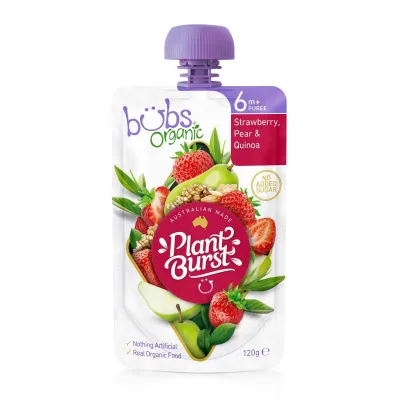
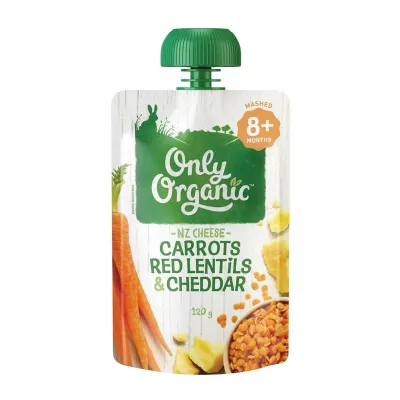
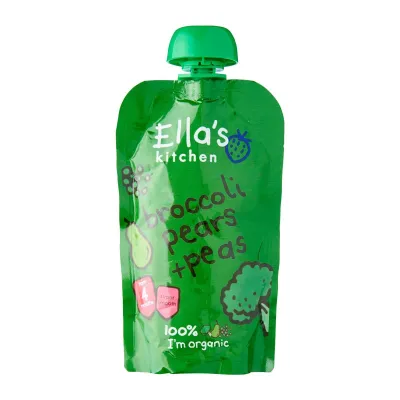
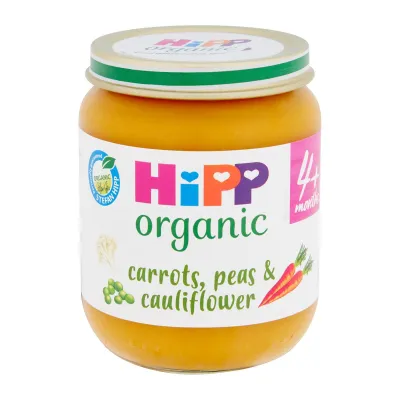
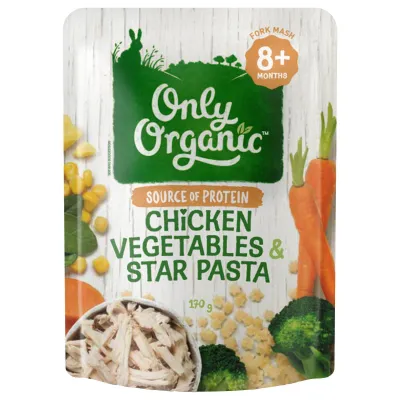
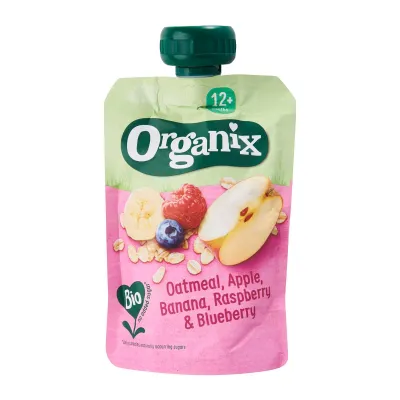
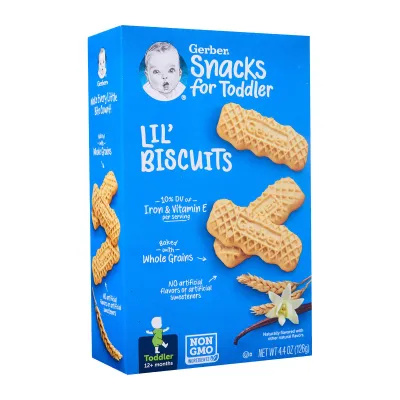
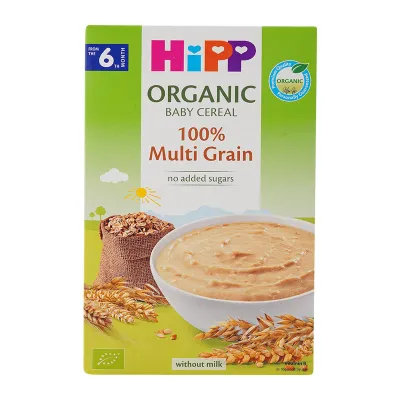
Prices are valid at publication and may change. Please refer to the product page for the latest price.
Texture progression is equally critical for oral motor development and speech preparation. Babies need to move gradually from completely smooth, thin purees to thicker, mashed consistencies, and eventually to soft, chopped foods. This progression teaches them how to move food around their mouth, swallow safely, and eventually chew, which are foundational skills for eating family meals. Delaying the introduction of textured foods past nine or ten months can sometimes lead to feeding aversion or texture selectivity later on.
Introducing common allergens early and systematically is another key aspect of modern infant nutrition. When evaluating baby food options, look for products that allow you to introduce potential allergens—such as peanut, egg, soy, or wheat—one at a time in a controlled manner. This approach helps you monitor your baby’s reactions closely and identify any sensitivities before moving on to complex, multi-ingredient meals.
Key Criteria for Evaluating Baby Food Brands
When assessing commercial baby food brands, ingredient transparency should be your primary filter. High-quality brands clearly list every ingredient on the back of the packaging, avoiding vague terms or proprietary blends that obscure what your baby is actually consuming. A short, recognizable ingredient list is generally a strong indicator of a minimally processed product that preserves natural nutrients.

Parents should actively check labels to avoid added sugars, excessive sodium, and unnecessary thickeners or fillers like cornstarch, tapioca, or refined flours. These additives are often used to bulk up products or extend shelf life, but they offer little nutritional value and can shape a baby’s palate toward overly sweet or salty tastes. Opt for brands that rely on the natural flavors of whole fruits, vegetables, and grains rather than concentrates or flavor enhancers.
It is also helpful to understand how different brands process their foods. Traditional shelf-stable jars and pouches undergo high-heat pasteurization to ensure safety, which can sometimes reduce heat-sensitive vitamins. Some modern brands use high-pressure processing (HPP) or flash-freezing to preserve more natural flavors and nutrients, though these products typically require refrigeration and have a shorter shelf life.
Packaging safety and convenience are also practical considerations for daily feeding routines. Look for brands that use BPA-free packaging, secure caps, and clear windows on pouches so you can inspect the contents before serving. While squeeze pouches offer convenience when you are out, they should be designed to allow easy dispensing onto a spoon rather than direct sucking, which can impact dental development and self-regulation.
Budget and local availability will inevitably influence your long-term choices. In Singapore, commercial baby food prices can vary widely, with individual jars or pouches typically ranging from S$3 to S$8 depending on the brand, organic certification, and import origin. It is wise to choose brands that are consistently stocked in local supermarkets or reliable online marketplaces to ensure you can maintain a consistent feeding routine without sudden disruptions.
Navigating Brand Options by Developmental Stage
Selecting the right commercial baby food requires matching the product’s design to your baby’s physical capabilities. As your child grows, their nutritional needs and oral motor skills change rapidly, meaning a brand that was highly suitable at six months may no longer be suitable at ten months.
6 to 8 Months: First Tastes and Single Ingredients
At the very beginning of the weaning journey, the focus should be on single-ingredient purees that allow your baby to experience individual flavors. This stage is less about consuming large volumes and more about learning how to swallow solids and identifying potential food sensitivities. Brands that offer single-vegetable or single-fruit purees make it easy to isolate new foods and monitor for any adverse reactions over a few days.
Iron-fortified options, such as single-grain baby cereals, are excellent foundational foods during these early weeks. When selecting these products, verify that the brand does not add sugar, salt, or unnecessary fruit juice concentrates to sweeten the mix. Oatmeal or barley cereals are often selected over rice cereal to minimize dietary exposure to naturally occurring arsenic in rice. The goal is to let your baby experience the natural, earthy taste of foods like oats, brown rice, or pureed spinach without artificial flavor enhancement.
Look for brands that offer purees made from nutrient-dense vegetables like sweet potato, butternut squash, peas, and carrots. These early tastes help establish a preference for savory flavors before your baby becomes accustomed to the natural sweetness of fruits.
8 to 10 Months: Texture Progression and Mixed Flavors
As your baby approaches eight months, they are ready to transition away from completely smooth purees toward graduated textures. Look for brands that offer stage-two products, which typically feature thicker blends, small soft lumps, or finely mashed ingredients. These textures encourage your baby to practice their chewing motion, even before their first teeth fully emerge.
This stage is also the perfect time to expand your baby’s palate with mixed-ingredient meals. Seek out brands that combine vegetables, grains, and proteins—such as chicken, lentils, or beef—without relying on added sodium for flavor. Many high-quality brands use mild herbs and spices like cinnamon, parsley, or cumin to create complex flavor profiles that prepare your baby for family meals.
Portion sizes also become more important during this stage as your baby’s appetite increases. Choose brands that offer larger jars or pouches that match your baby’s growing intake, or select options that can be easily portioned out and stored safely in the refrigerator for up to 24 hours.
10 to 12 Months and Beyond: Family Meals and Finger Foods
By ten months, your baby’s pincer grasp is developing, and they will want to feed themselves. Look for brands that offer safe, dissolvable finger foods, such as puffed grain snacks or soft baked wafers, which melt easily in the mouth to minimize choking risks. These snacks should serve as practice for self-feeding rather than a replacement for nutrient-dense meals, so check that they are low in sugar and sodium.
When choosing toddler meals for older babies, look for options that mirror typical family dishes but are prepared with modified sodium levels and safe, bite-sized textures. This is also the ideal time to transition away from pouches entirely. Serving commercial baby food from a bowl with a spoon encourages independent feeding skills and helps your child learn to associate the visual appearance of food with its taste and texture.
As your baby transitions to table foods, commercial toddler meals can serve as a convenient bridge for busy days. Look for brands that focus on whole grains, diverse protein sources, and visible pieces of vegetables to help your child transition smoothly to eating the same meals as the rest of the family.
Reading Labels and Spotting Red Flags
Decoding the nutritional panel on commercial baby food is essential for avoiding products that do not align with your nutritional goals. One common pitfall is front-of-pack marketing that highlights premium ingredients, like spinach or quinoa, while the actual ingredient list reveals the product is primarily made of cheap apple or pear puree filler. Because ingredients are listed in descending order of weight, always turn the package over to verify that the advertised ingredients are actually the primary components.
Be vigilant about hidden sugars and high-sodium ingredients that may be listed under alternative names, such as fruit juice concentrate, cane syrup, or yeast extract. While these ingredients make the food highly palatable, they do not support healthy dietary habits. Additionally, check for allergen cross-contamination warnings and manufacturing facility statements if your family has a history of severe food allergies.
Understanding the difference between marketing claims and actual nutritional data is key. A package may boast “no added sugar,” but the product could still have a very high sugar content if it relies heavily on concentrated fruit juices. Comparing the total sugar grams on the nutrition facts panel across different brands will help you select the most balanced option for your baby.
Frequently Asked Questions (FAQ)
Is organic baby food always better than conventional brands?
Organic baby food brands adhere to strict farming practices that limit synthetic pesticide residues, which many parents prefer. However, an organic label does not automatically guarantee greater nutritional value, nor does it mean the product is free from high levels of natural sugars or sodium. If budget constraints make organic options difficult to sustain, prioritize conventional brands that offer short, clean ingredient lists and minimal additives over organic products with high sugar content.
How long can I rely on commercial baby food pouches?
While commercial baby food pouches offer significant convenience during travel or busy days, relying on them long-term can hinder oral motor development. Sucking food directly from a pouch bypasses the need for chewing and spoon-feeding, which are critical skills for speech development and jaw strength. Use pouches sparingly, and whenever possible, squeeze the contents onto a spoon and serve them in a bowl to encourage active eating habits.

Community discussion
Share your experience or ask a question. Comments are reviewed before publication.