
Choosing the right baby feeding spoon is a foundational step in your child’s transition to solid foods. The ideal utensil changes as your baby grows, moving from soft, shallow designs that protect tender gums to sturdier, ergonomic models that foster independent self-feeding. Matching the spoon’s physical characteristics to your baby’s developmental milestones ensures a smoother, safer, and more encouraging mealtime experience for both parent and child.
Rather than purchasing a single set of spoons to last throughout the entire weaning journey, caregivers benefit from viewing utensils as developmental tools. Each stage of weaning introduces new motor skills, oral capabilities, and feeding dynamics. By understanding how spoon materials, bowl depths, and handle shapes align with these physical changes, you can make informed decisions that support your baby’s growing autonomy.
Understanding Weaning Stages and Spoon Requirements
The weaning process is typically divided into three distinct phases, each characterized by specific physical milestones and nutritional textures. In the early stage, usually starting around six months of age, babies are transitioning from an all-liquid diet to smooth, single-ingredient purees. At this point, the infant’s oral motor skills are highly basic; they are still learning how to swallow non-liquid food and may still exhibit a mild tongue-thrust reflex. Consequently, the spoon must act as a gentle vessel that deposits tiny amounts of food onto the middle of the tongue without overwhelming the mouth or irritating sensitive gums.
Products mentioned in this guide
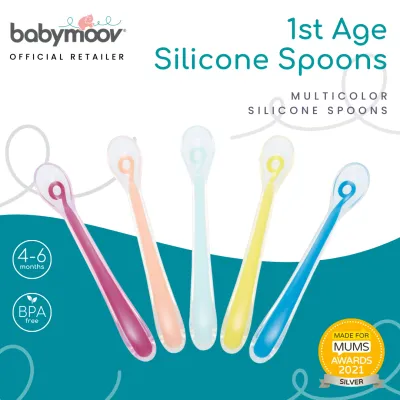
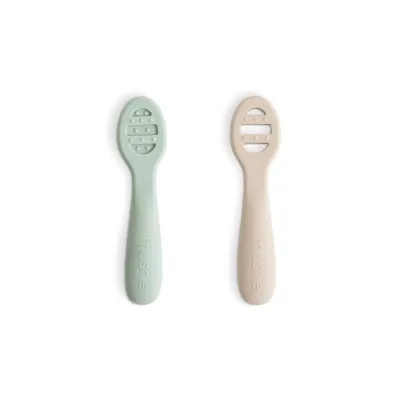
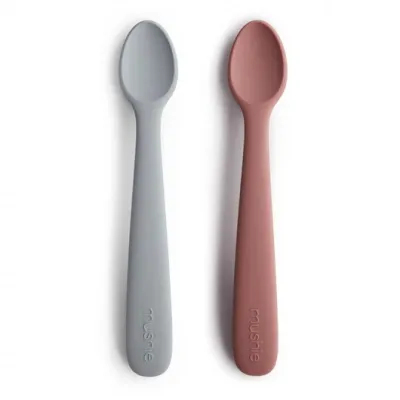
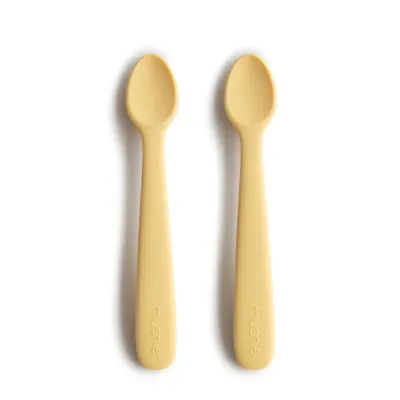
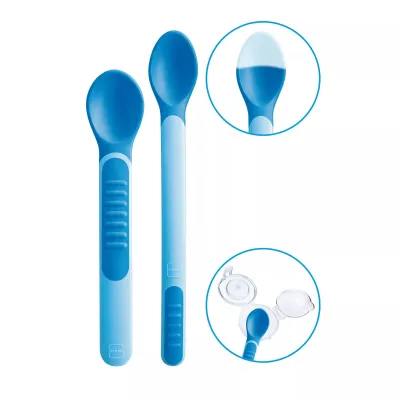
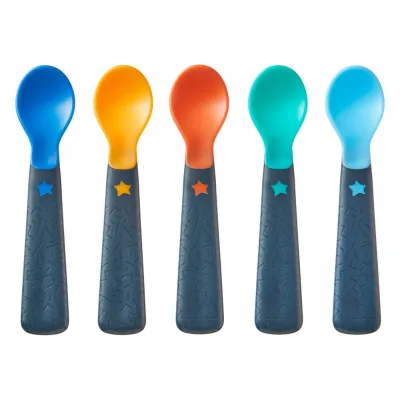
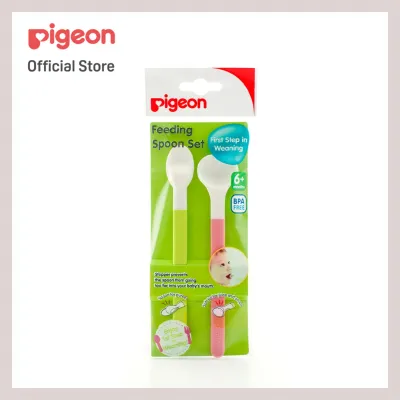
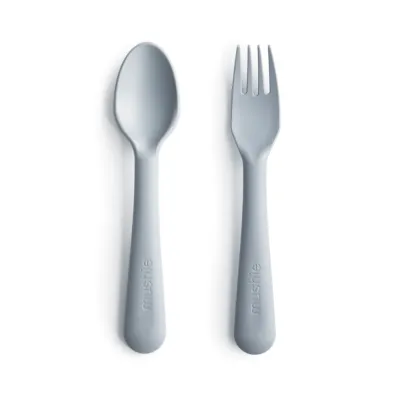
Prices are valid at publication and may change. Please refer to the product page for the latest price.
As your baby enters the middle weaning stage, typically between seven and nine months, their physical coordination improves significantly. They begin to sit up independently, show a keen interest in grasping objects, and start to master the up-and-down chewing motion required for thicker, mashed, or finely minced foods. This transitional phase is marked by the baby’s desire to participate actively in feeding. The spoon requirements shift from a purely parent-guided tool to a transitional object that the baby can hold, chew on, and attempt to guide toward their own mouth.
By the late weaning stage and toddlerhood, which generally begins around ten months and extends past the first year, the child is developing a pincer grasp and refining their wrist rotation. They are now consuming a wide variety of chopped family foods, soft solids, and textured grains. Self-feeding becomes the primary goal, requiring a spoon that can successfully scoop up denser foods and hold them securely during the journey from bowl to mouth. The spoon’s design must accommodate the toddler’s still-developing hand-to-eye coordination and grip strength.
The physical dimensions of the spoon must evolve alongside these developmental shifts. Early spoons require an extremely shallow bowl to prevent the parent from overloading the baby’s mouth, which can cause gagging or distress. As the baby’s oral cavity grows and their swallowing mechanism matures, the bowl depth should increase to handle thicker textures and larger portions. Similarly, material stiffness must transition from highly flexible, soft silicone that cushions accidental bumps against the gums to firmer plastics or metals that provide the structural integrity needed to scoop and cut through solid foods.
The transition from parent-led feeding to baby-led self-feeding also dictates handle design. When a parent is feeding the baby, a long, slender handle is highly beneficial, allowing the adult to maintain a comfortable grip and reach the bottom of deep food jars easily. However, when the baby begins to self-feed, these long handles become a leverage hazard and are difficult for tiny hands to control. Self-feeding spoons require short, thick, and textured handles that fit snugly within a baby’s palmar grasp, reducing the distance between the hand and the mouth to make self-guided feeding more successful.
Key Features to Evaluate Before Buying
Before purchasing any baby feeding spoon, caregivers should systematically evaluate several key features to ensure safety, durability, and practical usability. Material safety is the most critical consideration. Because these utensils come into direct contact with your baby’s mouth daily, you must verify that they are free from harmful chemicals. Look for clear product packaging labels indicating that the spoon is made from food-grade materials, is BPA-free, and complies with relevant international safety standards. Avoid products that lack clear material disclosures or those that use low-grade plastics that may leach chemicals when exposed to heat.

Handle ergonomics should be selected based on who will be holding the spoon during the majority of the meal. If you are primarily feeding your baby, look for handles with a comfortable, non-slip grip and sufficient length to keep your hand clear of the food bowl. For spoons intended for baby use, prioritize chunky, rounded, or textured handles that are easy for small hands to clasp. Some self-feeding spoons feature angled or curved handles designed to align with the natural path of a baby’s hand-to-mouth movement, minimizing the need for complex wrist rotation which develops later in toddlerhood.
Smart features, such as heat-sensitive color-changing tips, can offer a helpful visual cue for parents concerned about food temperature. However, these features should be evaluated with a degree of caution. If you choose a heat-sensitive spoon, always verify the specific temperature thresholds and limitations outlined in the manufacturer’s manual. Some color-changing materials can degrade over time when exposed to high sterilization temperatures or prolonged UV light, and they should never replace the practice of manually testing the food’s temperature on your inner wrist before feeding.
Cleaning compatibility is another essential factor that directly impacts daily convenience and hygiene. Baby utensils require frequent, thorough cleaning to prevent the buildup of bacteria in crevices or textured surfaces. Before buying, check the manufacturer’s guidelines to confirm whether the spoons are dishwasher-safe, can withstand steam sterilization, or have specific boiling limits. Some materials, particularly certain plastics or spoons with integrated wooden handles, cannot tolerate high-heat sterilization or prolonged soaking, which may make them less practical for busy households.
Recommended Spoon Types by Weaning Stage
To help you navigate the vast array of options available on the market, we have structured a conditional shortlist framework based on your baby’s developmental phase. This framework matches specific spoon characteristics—such as material, bowl depth, and handle length—to the physical capabilities of your child. By selecting utensils designed for your baby’s current stage, you can minimize frustration and support their natural progression toward independent eating.
It is important to emphasize that the age ranges associated with each stage are approximate guidelines rather than strict rules. Every baby develops at their own unique pace, and you should always prioritize observing your child’s individual readiness cues over chronological age. Before introducing a new spoon type, verify the manufacturer’s age recommendations on the product packaging and ensure your baby displays the physical stability and interest required for that specific feeding stage.
Stage 1: Early Weaning (Around 6 Months)
During the initial phase of weaning, the primary goal is to introduce your baby to the sensation of swallowing smooth purees. For this delicate stage, the ideal spoon features an ultra-soft, flexible silicone bowl that is both shallow and narrow. This design ensures that only a tiny, manageable portion of food is offered at a time, preventing the baby’s mouth from being overloaded. The soft silicone material acts as a protective cushion for sensitive, teething gums, ensuring that accidental bumps or sudden movements do not cause pain or discourage the baby from eating.
The handle of a Stage 1 spoon should be long, slender, and ergonomically designed for the parent’s hand. Since parent-led feeding is the norm during early weaning, a longer handle allows you to maintain a relaxed grip and easily scrape the sides and bottoms of baby food jars or blending containers. The length also helps you guide the spoon into the baby’s mouth at a flat, horizontal angle, which is crucial for helping them clear the food off the spoon using their upper lip.
When shopping for early weaning spoons, always check the product labels to verify the specific age suitability, which is typically marked as suitable for ages four to six months and older. Look for descriptions that specify the use of medical-grade or high-quality food-grade silicone, and check for softness ratings if provided by the manufacturer. Avoid spoons with hard plastic edges or deep bowls during this stage, as they can be uncomfortable for a beginner and make it difficult for the baby to remove the food successfully.
Stage 2: Mid Weaning (Around 7 to 9 Months)
As your baby transitions into the middle stage of weaning, they will begin to explore thicker purees, mashed bananas, and finely minced foods. To accommodate these denser textures, look for spoons with medium-depth bowls. The slightly deeper bowl helps contain textured foods and prevents them from sliding off easily as the spoon is moved. This stage is also when babies begin to show a strong desire to hold the spoon themselves, making the transition from parent-led feeding to self-feeding support highly important.
To encourage your baby’s developing grip and hand-to-eye coordination, Stage 2 spoons should feature shorter, textured, or chunky handles. These handles are designed to fit comfortably within a baby’s palmar grasp, allowing them to practice bringing the spoon to their mouth. Many transitional spoons also incorporate textured collars or shields near the bowl to prevent the baby from inserting the spoon too far into their mouth, providing an added layer of reassurance as they explore self-feeding.
When selecting a transitional spoon, it is vital to verify the utensil’s weight and balance. A spoon that is too heavy or poorly balanced will easily slip from a baby’s grasp, leading to frustration and messy cleanups. Look for lightweight designs made from a combination of soft silicone and sturdy plastic cores, which provide enough structural rigidity for scooping while remaining easy for small hands to lift. Always check the manufacturer’s age recommendations to ensure the spoon is designed for the transitional phase.
Stage 3: Late Weaning and Toddlerhood (10 Months and Beyond)
By the time your child reaches late weaning and enters toddlerhood, they are actively mastering the art of independent self-feeding. They are now eating a wide variety of solid foods, including grains, small pieces of cooked vegetables, and meats. To support this stage, recommend spoons with deeper, wider bowls and firmer materials. High-quality silicone with a rigid inner core, or durable stainless steel with rounded plastic handles, are excellent choices. These materials provide the strength needed to scoop up denser foods and cut through soft solids on the plate.
The handle design for Stage 3 spoons should focus heavily on ergonomics that support wrist rotation. Toddlers are still refining the motor skills required to turn their wrists to bring a spoon straight into their mouth without tipping the food out. Spoons with ergonomically curved, angled, or contoured handles can significantly assist with this transition by aligning the spoon bowl with the natural angle of the toddler’s approach. Short, bulbous handles remain highly effective for maintaining a secure grip.
Before introducing firmer materials like stainless steel, caregivers must carefully inspect the durability, edge smoothness, and structural integrity of the utensils. Ensure that any metal spoons have completely rounded, smooth edges that will not scrape the child’s lips or gums. Check that the plastic or silicone handles are securely bonded to the metal portion, with no gaps where food particles or moisture could become trapped. Regular inspections ensure that the utensils remain safe and hygienic as your toddler’s self-feeding skills grow.
Safety Checks and Maintenance for Baby Spoons
Maintaining the hygiene and structural integrity of your baby’s feeding spoons is essential for their health and safety. Before using any new spoon for the first time, always perform the initial preparation steps recommended by the manufacturer. This typically involves washing the spoon thoroughly in warm, soapy water and sterilizing it using your preferred method, such as a steam sterilizer, boiling water, or a chemical sterilizing solution. Always adhere strictly to the temperature limits specified in the instruction manual to avoid warping or degrading the materials.
Regular visual and tactile inspections should be integrated into your daily cleaning routine. Before each use, take a moment to examine the spoon under good lighting. Run your fingers along the edges and the bowl to check for any signs of wear, tears, discoloration, or micro-cracks. Silicone spoons, while highly durable, can develop small tears if bitten repeatedly by teething babies. Plastic spoons can become scratched or brittle over time, creating tiny crevices where bacteria can multiply despite thorough washing.
There are several clear conditions under which you should immediately discontinue the use of a baby spoon and replace it. If you notice any deep scratches, peeling material, or loose parts—such as a separate handle detaching from the spoon bowl—discard the utensil immediately to prevent choking hazards. For heat-sensitive spoons, if the color-changing component stops functioning or shows signs of uneven discoloration, it may indicate material degradation, and the spoon should be retired. Regularly replacing worn utensils ensures that your baby’s mealtime remains safe and sanitary.
Frequently Asked Questions (FAQ)
When should I introduce a spoon to my baby?
You can begin introducing a spoon to your baby when they start showing clear signs of developmental readiness for solid foods, which typically occurs around six months of age. Observable cues include your baby sitting upright with minimal support, showing active interest in the food on your plate, reaching out to grasp utensils, and bringing objects accurately to their mouth. They may also begin to demonstrate a basic pincer grasp, using their thumb and forefinger to pick up small items. It is always highly recommended to consult your pediatrician or family doctor to discuss your baby’s unique developmental timeline before starting the weaning process.
Are silicone spoons better than stainless steel for weaning?
Neither material is universally superior; rather, each serves a distinct purpose depending on your baby’s current weaning stage and chewing development. Soft silicone spoons are ideal for early weaning because they are gentle on sensitive, teething gums and prevent accidental injury when a baby is still learning to coordinate their mouth movements. As your child grows into a toddler and masters self-feeding, stainless steel spoons become highly beneficial because their rigid structure allows for efficient scooping of denser, textured foods. Evaluate your baby’s current oral motor skills and feeding goals to choose the material that best supports their immediate needs.

Community discussion
Share your experience or ask a question. Comments are reviewed before publication.