
Selecting the right B.Box bottle for your baby’s weaning journey is not just about picking a product off the shelf; it is about matching the bottle’s design to your child’s rapidly developing motor skills and oral coordination. As infants transition from the simple suckling reflex of early infancy to the complex swallowing patterns required for cup drinking, their needs change dramatically. By observing your baby’s physical milestones and understanding how different bottle mechanisms support self-feeding, you can choose a transition system that minimizes frustration and encourages independent drinking.
Rather than relying solely on age recommendations, parents should observe how their baby handles different flow rates and cup designs. Transitioning from soft spouts to weighted straws and direct-drink tops as their independence grows ensures a smoother weaning process. This approach supports natural oral development and helps your baby build confidence at their own pace.
Assessing Your Baby's Weaning Readiness and Motor Skills
Before introducing any new drinking vessel, caregivers must evaluate whether a baby is physically prepared for the transition. A primary indicator of readiness is the ability to sit upright independently with minimal support. Good head and neck control are essential for safe swallowing, as a baby who slouches or tilts backward is at a higher risk of choking when liquid flows from a spout or straw. Additionally, look for the ability to grasp objects and bring them accurately to the mouth, which shows the bilateral coordination needed to hold a two-handed cup.
Products mentioned in this guide
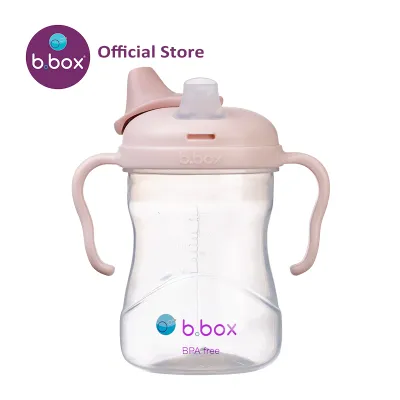
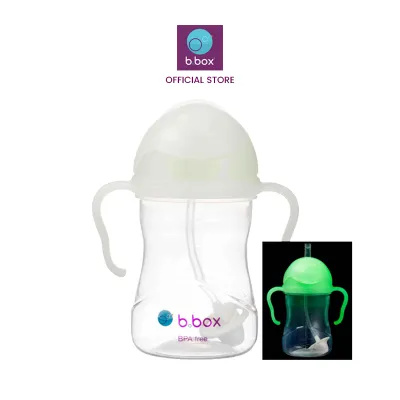
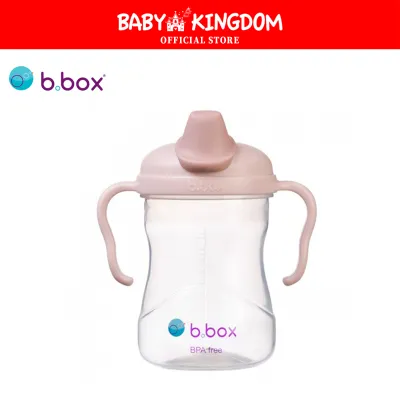
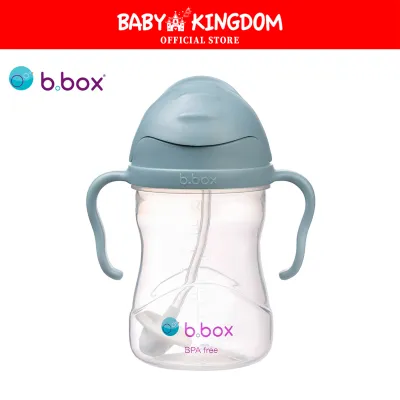
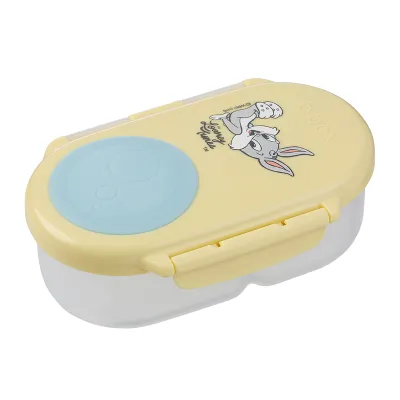
Prices are valid at publication and may change. Please refer to the product page for the latest price.
Oral motor skills develop in tandem with these gross motor milestones. In the early months, babies rely on an anterior-posterior tongue movement to suckle from a breast or standard bottle nipple. Weaning requires the tongue to transition to a mature swallow, where the tongue tip elevates to push liquid backward. You can observe this transition when your baby begins to sip small amounts of liquid from a spoon without letting it immediately dribble out of the corners of their mouth.
Behavioral cues also offer valuable guidance for parents. If your baby starts reaching for your glass during family meals, mimics your drinking motions, or shows intense curiosity about cups, they are likely ready to try a transition bottle. Conversely, a baby who suddenly begins biting down on standard bottle nipples or showing frustration during milk feeds may be signaling that the current flow rate or bottle style no longer matches their oral drive.
Reading B.Box Labels and Manufacturer Guidelines
When browsing transition options, the product packaging serves as your primary guide for safety and developmental alignment. Manufacturers typically print recommended age ranges on the front of the box, such as four months, six months, or twelve months plus. While these age brackets are helpful starting points, they should always be treated as general guidelines rather than strict rules, as individual developmental timelines vary.

Pay close attention to the specific mechanism types and flow rates described on the label. Transition kits often feature interchangeable lids, including soft silicone nipples, ergonomic spouts, and weighted straws. Each of these designs requires a different oral action. For instance, a soft spout allows liquid to flow with gentle pressure, making it an easier step from a standard nipple, whereas a weighted straw requires active suction to draw liquid upward. Checking the packaging for flow-rate indicators helps prevent purchasing a system that flows too quickly for a beginner.
Material safety and maintenance instructions are equally critical details found on the product label. Ensure the packaging confirms the bottle is free from Bisphenol A (BPA), Phthalates, and Polyvinyl Chloride (PVC) to protect your baby’s health. Review the manufacturer’s guidelines regarding temperature limits, sterilization methods, and dishwasher compatibility. Some materials can withstand steam sterilization, while others may warp under high heat, making it essential to verify the care instructions before first use.
Aligning Weaning Stages with B.Box Bottle Features
The weaning process can be divided into distinct stages, each aligning with specific bottle features designed to support your baby’s growing independence. During the early transition phase, which often begins around four to six months, the goal is to introduce the concept of a cup without overwhelming the baby. An introductory spout cup with a soft, familiar silicone tip and easy-grip handles is ideal here. This design allows the baby to practice holding a cup and tipping it upward, while the slow-flow mechanism prevents sudden surges of liquid.
As babies enter the mid-weaning stage, typically around six to nine months, they develop stronger hand-eye coordination and a firmer grip. This is the optimal time to introduce a weighted straw bottle. The innovative weighted ball at the end of the straw moves with the liquid, allowing the baby to drink from any angle, whether they are sitting upright or reclining. This design supports the development of lip closure and active suction, which are crucial skills for speech development and mature swallowing.
For advanced weaning, usually occurring around twelve months and beyond, toddlers are ready to transition toward open-cup drinking. Bottles featuring a direct-drink spout or a 360-degree rim allow toddlers to control the flow of liquid more independently. These advanced designs mimic the action of drinking from a regular cup while still providing a degree of spill resistance, helping to build confidence during family meals without creating excessive mess.
Recognizing When to Upgrade or Adjust the Bottle
Even with careful planning, parents must remain attentive to how their baby interacts with their bottle and be ready to make adjustments. Negative usage signals are clear indicators that a change is needed. If your baby frequently chokes, coughs, or sputters while drinking, the flow rate may be too fast, or the mechanism may be too advanced. On the other hand, if a baby becomes frustrated, cries, or refuses the bottle entirely, they may be struggling to extract liquid through a straw or spout that is too restrictive.
Physical wear and tear on the bottle components is another critical factor that demands immediate attention. Silicone spouts and straws are subject to intense chewing, especially when babies are teething. Regularly inspect these parts for bite marks, tears, thinning, or discoloration. Damaged silicone can tear completely, posing a choking hazard, and degraded valves can compromise the leak-proof seal or alter the intended flow rate.
Finally, celebrate your baby’s milestone achievements by upgrading their drinking system proactively. Once your baby can easily hold a weighted straw cup and drink without spilling, consider introducing a direct-drink lid to challenge their motor skills further. Gradually phasing out younger bottle styles ensures that your child’s oral muscles continue to develop strength and coordination in line with their overall growth.
Frequently Asked Questions (FAQ)
Can I use a weighted straw bottle for a baby just starting weaning?
While some babies adapt quickly, a weighted straw bottle is generally better suited for the mid-weaning stage rather than the very beginning. Early weaning requires a simpler transition from the suckling reflex, making a soft silicone spout or a transition nipple a more natural first step. Before introducing a straw, verify the manufacturer’s age recommendations on the packaging and assess whether your baby has developed the oral strength required to create suction and manage the flow of liquid through a straw.
How often should I replace the silicone spouts or straws?
Silicone spouts and straws should be inspected daily for signs of wear, such as tears, bite marks, or persistent discoloration that cannot be cleaned. As a general safety and hygiene practice, manufacturers often recommend replacing these wearable silicone parts every six to eight weeks, or immediately if any damage is detected. Budgeting for replacement accessories, which are typically sold in multi-packs for a few S$, is a practical way to ensure you always have clean, intact parts on hand without interrupting your baby’s weaning progress.

Community discussion
Share your experience or ask a question. Comments are reviewed before publication.