
Choosing the right apple puree for your baby in Singapore requires looking beyond colorful cartoon characters and appealing marketing slogans on the shelves. With a vast array of imported and local baby food options available in supermarkets and online marketplaces, parents must learn how to evaluate product labels, packaging safety, and developmental suitability. Making an informed decision ensures your infant receives a safe, nutritious introduction to solid foods while supporting their natural growth milestones.
To select the most suitable option for your family, you need a systematic approach to analyzing ingredients, comparing packaging formats, and matching textures to your baby’s age. This guide provides a comprehensive framework to help you navigate the baby food aisle with confidence, ensuring every dollar spent on store-bought puree contributes directly to your child’s health and developmental progress.
What to Look for on the Ingredient Label
Reading the ingredient label is the most critical step in ensuring the apple puree you purchase is safe and nutritious. The ingredient list on baby food is organized by weight, meaning the first item listed is the most abundant. For a high-quality apple puree, the very first ingredient should simply be apple. Parents should look for products that contain 100% fruit without unnecessary additives, fillers, or thickeners that dilute the nutritional value of the food.
Products mentioned in this guide
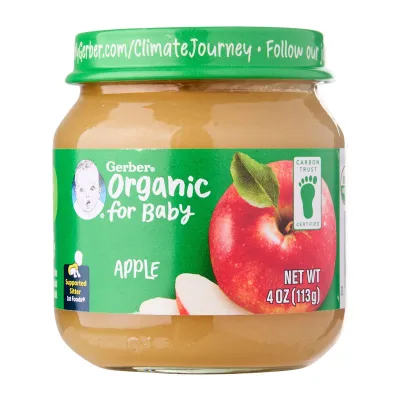
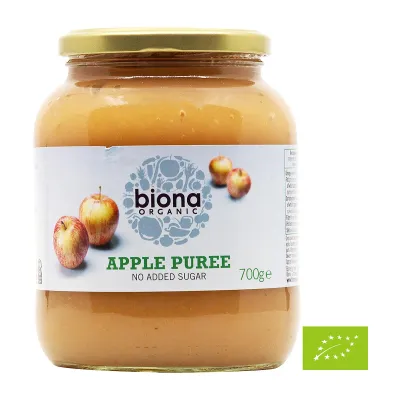
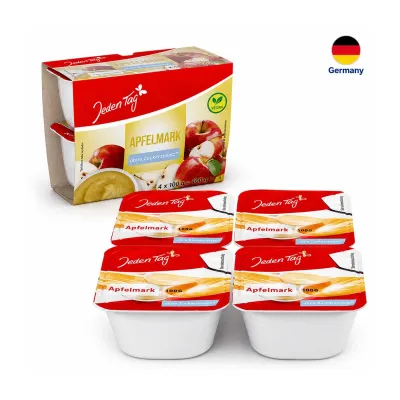
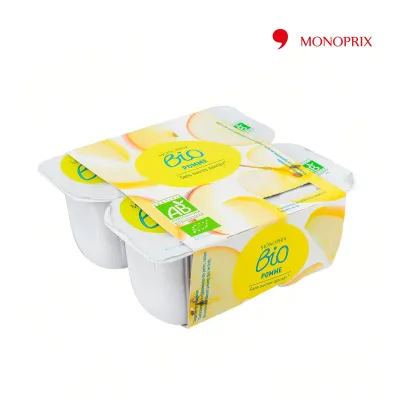
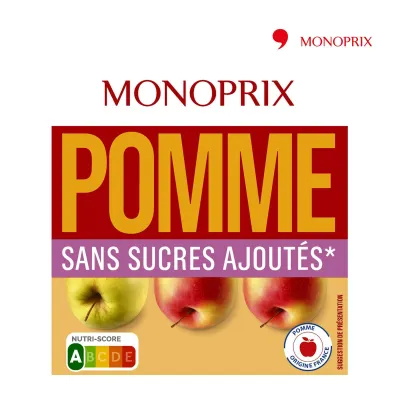
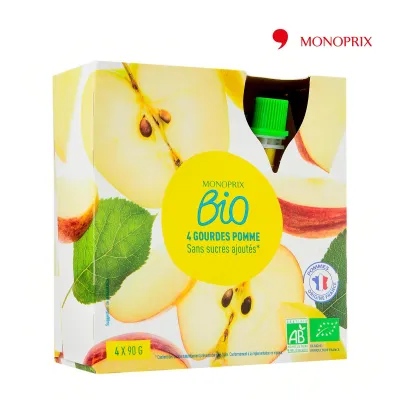
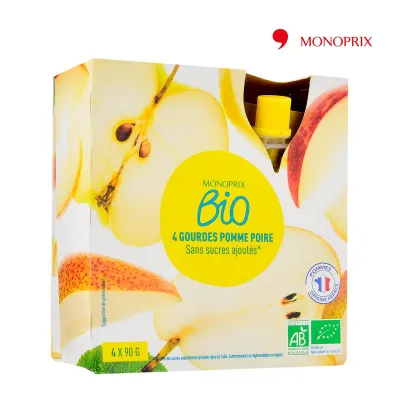
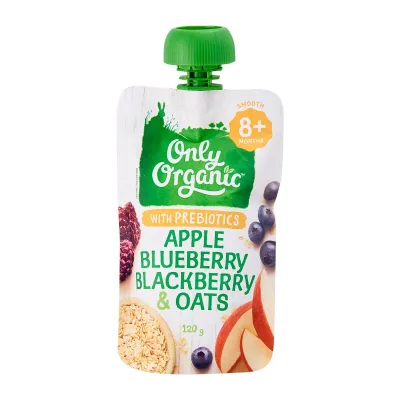
Prices are valid at publication and may change. Please refer to the product page for the latest price.
Many commercial baby foods contain hidden added sugars, syrups, or even sodium to enhance flavor or extend shelf life. These additions are unnecessary and can be harmful to an infant’s developing system. Common culprits to watch out for on the label include cane sugar, brown rice syrup, fruit juice concentrates, and corn syrup. Consuming added sugars early in life can predispose infants to a preference for overly sweet foods and increase the risk of early tooth decay. Always verify that there is no added salt or sodium, as an infant’s kidneys are not yet mature enough to process high levels of salt.
Organic certifications offer an extra layer of assurance regarding how the apples were grown and processed. When shopping in Singapore, you will encounter various international organic logos, such as the USDA Organic seal, the European Union Organic leaf, or the Australian Certified Organic logo. These certifications indicate that the fruit was grown without synthetic pesticides, herbicides, or genetically modified organisms (GMOs). Parents should actively look for these official certification symbols on the packaging rather than relying solely on the word “organic” printed on the front label, as marketing terms are not always strictly regulated.
Allergen cross-contamination and preservative declarations are also vital components of label reading. Even if apple puree is naturally gluten-free and allergen-free, it may be processed in a facility that handles common allergens like wheat, dairy, soy, or nuts. If your baby has a known family history of allergies, look for explicit statements such as “processed in an allergen-free facility” or check for precautionary warnings. Additionally, avoid products that list chemical preservatives like sulfur dioxide or sodium benzoate, which are sometimes used in adult foods but are unsuitable for infant consumption.
Many reputable baby food brands use vitamin C, often listed as ascorbic acid, as a natural preservative. When apples are peeled and pureed, exposure to oxygen causes them to turn brown through a natural process called enzymatic browning. Adding a small amount of ascorbic acid lowers the pH and prevents this oxidation, keeping the puree looking fresh and appealing. Ascorbic acid is a safe, nutrient-dense ingredient that serves a functional purpose without introducing synthetic chemicals to your baby’s diet.
Comparing Packaging Formats: Pouches, Jars, and Cartons
Commercial baby food is primarily sold in three packaging formats: squeeze pouches, glass jars, and paperboard cartons. Each format offers distinct advantages and drawbacks regarding convenience, safety, environmental impact, and overall cost-effectiveness. Understanding these differences allows you to choose the format that best aligns with your daily feeding routine and household budget.

Squeeze pouches have become incredibly popular among parents in Singapore due to their lightweight design and unmatched convenience. They are highly portable, making them ideal for outings to local parks or shopping malls. Pouches also allow for easy portion control, as you can squeeze the desired amount onto a spoon and reseal the remainder for later use. However, squeeze pouches present specific safety concerns. The small plastic caps are a potential choking hazard if left within a baby’s reach. Caregivers must always supervise infants during feeding and immediately discard or store the caps safely.
Feeding directly from a squeeze pouch can also impact a baby’s oral development. Sucking food from a nozzle does not encourage the same jaw and tongue movements as spoon-feeding, which are essential for speech development. Furthermore, direct sucking prevents the baby from seeing, smelling, and fully experiencing the texture of the food. To promote healthy sensory development, it is highly recommended to squeeze the puree onto a clean spoon rather than letting your baby suck directly from the pouch nozzle.
Traditional glass jars remain a highly reliable and stable packaging option. Glass is completely inert, meaning there is zero risk of chemical leaching into the food, even during long periods of storage. Jars allow parents to visually inspect the color, consistency, and quality of the puree before purchasing. The primary drawbacks of glass jars are their weight and fragility. They can easily shatter if dropped on hard kitchen tiles, creating a safety hazard. Additionally, once opened, glass jars must be handled carefully to avoid chipping the rim with metal spoons.
From an environmental perspective, the packaging materials differ significantly in their recyclability. In Singapore, glass jars are highly recyclable and can be placed directly into the blue recycling bins found in residential estates. In contrast, multi-layer plastic squeeze pouches are incredibly difficult to recycle due to their combined plastic and foil layers. Consequently, most used pouches end up in the general waste stream destined for incineration. Parents who prioritize environmental sustainability may prefer glass jars or look for brands that offer specialized pouch recycling programs.
Cost-effectiveness is another major consideration for growing families. Generally, glass jars and larger cartons offer a lower cost per gram compared to squeeze pouches, which carry a price premium for their specialized packaging and convenience features. If you primarily feed your baby at home, purchasing glass jars or larger multi-serve cartons can lead to significant savings over time. Pouches can then be reserved for travel or emergency situations where convenience is paramount.
Matching Texture and Formulation to Your Baby's Age
As your baby progresses through the weaning journey, their ability to process different food textures will change rapidly. It is essential to match the texture and formulation of the apple puree to your baby’s specific developmental stage to ensure safe swallowing and encourage the development of oral-motor skills. Introducing the wrong texture too early can lead to gagging or choking, while delaying texture transitions can make it harder for babies to accept solid foods later on.
During the early stages of weaning, typically around six months of age, infants require an ultra-smooth, single-ingredient texture. At this stage, the primary goal is to introduce the concept of swallowing solid food and to test for any potential allergic reactions. The puree should be completely free of lumps, seeds, or skin fragments. Single-ingredient apple puree is an excellent starter food because it is mild, easily digestible, and generally well-tolerated by young infants.
As your baby grows older, usually around eight to ten months, they will begin to develop chewing motions, even before their first teeth fully emerge. At this stage, you should transition to thicker, textured purees or mixed-fruit formulations. Many brands offer stage-two purees that combine apple with other fruits, vegetables, or grains, such as apple and oats, or apple and sweet potato. These combinations introduce complex flavors and slightly thicker consistencies that challenge your baby to use their tongue and jaw muscles more actively.
While commercial baby food packaging often features age guidelines, such as “6+ months” or “Stage 1,” these are general recommendations rather than absolute rules. Every baby develops at their own pace. Parents should cross-reference these label guidelines with their baby’s actual physical milestones. Signs of readiness for thicker textures include the ability to sit upright with minimal support, good head control, the disappearance of the tongue-thrust reflex, and an active interest in reaching for adult food. Always consult your pediatrician or a qualified healthcare professional before initiating solids or moving to advanced textures.
It is equally important to recognize when to stop using smooth purees altogether. Relying on smooth purees for too long can hinder the development of the muscles needed for chewing and speech. Once your baby successfully manages thick, textured purees, you should begin introducing finely mashed fresh apples or soft-cooked, tiny apple pieces. This transition typically occurs around ten to twelve months of age, helping your baby graduate smoothly to family meals and self-feeding.
Building Your Selection Checklist for Supermarkets and Online Retailers
When shopping for apple puree in physical supermarkets or through online retailers in Singapore, having a practical checklist ensures you select safe, high-quality products while maximizing your household budget. Physical inspection is straightforward in a store, but online shopping requires careful reading of product descriptions, specifications, and customer feedback to verify quality.
First, always inspect the physical integrity of the packaging. If you are shopping in a physical store, handle the product to check for any defects. Never purchase or feed your baby from a squeeze pouch that appears swollen, bloated, or damaged, as this indicates bacterial contamination and spoilage. For glass jars, ensure the safety button on the metal lid is fully depressed and does not pop up when pressed; a popped button indicates that the vacuum seal has been compromised. When ordering online, inspect these elements immediately upon delivery before storing the items in your pantry.
Second, verify the expiration dates clearly printed on the packaging. Distinguish between “best before” and “use by” dates. A “best before” date indicates when the product will maintain its peak quality, flavor, and nutritional value, whereas a “use by” date is a strict safety deadline. When purchasing apple puree in bulk or during online promotional sales, ensure the expiration dates leave you with ample time to consume the products. Avoid buying close-to-expiry items unless you plan to use them immediately.
Third, review the storage instructions provided by the manufacturer. While unopened commercial purees are shelf-stable and can be stored in a cool, dry pantry, some specialized organic brands may require refrigeration even before opening. Ensure you have adequate refrigerator or pantry space to accommodate your purchase, especially if you live in Singapore’s warm, humid climate, which can accelerate the degradation of improperly stored food products.
Finally, calculate and compare the price per serving to determine the true value of the product. Prices for commercial apple puree in Singapore can vary widely, typically ranging from S$2.00 to over S$5.00 per unit, depending on the brand, organic certification, and packaging format. To make an accurate comparison, divide the total price of the product by its weight in grams to find the cost per 100 grams. This simple calculation helps you identify which brands offer the best long-term value without compromising on ingredient quality.
Frequently Asked Questions (FAQ)
Can I make apple puree at home instead of buying store-bought options?
Yes, making apple puree at home is a straightforward and cost-effective alternative to store-bought options. To prepare it safely, start by thoroughly washing, peeling, and coring sweet apples, such as Gala or Fuji. Cut the apples into small, uniform chunks and steam them until they are completely tender. Once cooked, transfer the apples to a sterilized blender or food processor and blend until you achieve an ultra-smooth consistency, adding a small amount of the steaming liquid or breast milk if needed to reach the desired thickness.
Homemade apple puree has a much shorter shelf life than commercial products because it does not undergo industrial pasteurization. You can safely store fresh homemade puree in an airtight container in the refrigerator for up to three days. For longer storage, portion the puree into clean silicone freezer trays and freeze for up to two months. Always prioritize food safety by thoroughly sterilizing all preparation utensils, avoiding the addition of any sugars, salt, or honey, and supervising your baby closely during feeding.
How should I store opened store-bought apple puree safely?
Once a commercial container of apple puree is opened, it is exposed to airborne bacteria and must be refrigerated immediately. Most manufacturers recommend consuming opened purees within 24 to 48 hours. Always refer to the specific storage instructions printed on the product label, as some formulations may have slightly different safety windows. Keep the opened container tightly sealed in the coldest part of your refrigerator, rather than in the door shelves where temperatures fluctuate.
To prevent bacterial contamination, never feed your baby directly from the jar or pouch if you plan to store leftovers. Saliva contains enzymes and bacteria that, when introduced into the container via a used spoon, will cause the puree to spoil rapidly. Instead, always spoon the desired portion into a separate, clean baby bowl and feed from there, leaving the remaining portion in the original container uncontaminated. Before serving any leftover puree, inspect it carefully for signs of spoilage, such as an off-smell, unusual watery separation, mold growth, or significant discoloration.

Community discussion
Share your experience or ask a question. Comments are reviewed before publication.