
Selecting the right 2-in-1 toilet seat for your toddler involves matching their physical development and emotional readiness with specific safety and design features, rather than simply picking a popular brand. Because bathroom layouts and child proportions vary, a product that works for one family may not suit another. This guide breaks down the essential evaluation criteria, safety verification steps, and practical transition strategies to help you confidently choose and use a 2-in-1 toilet seat that supports your child’s potty training journey in Singapore.
To choose the right 2-in-1 toilet seat for potty training in Singapore, you must match your child’s physical development and emotional readiness with the specific dimensions of your home toilet and the layout of your bathroom. A successful transition relies on finding a seat that provides secure stability, proper ergonomic support, and a comfortable fit for your toddler, rather than relying on brand popularity or universal claims. Because Singaporean bathrooms often feature compact layouts or specific toilet bowl shapes, selecting a model that fits securely without sliding is essential for your child’s safety and confidence.
Understanding the 2-in-1 Toilet Seat Design
A 2-in-1 toilet seat is designed to bridge the gap between a standalone toddler potty and a standard adult toilet. This equipment typically comes in two primary configurations. The first is an integrated toilet reducer seat that attaches directly to your existing toilet bowl, combined with an adjustable step stool that allows your child to climb up independently. The second configuration is a standalone training potty that later converts into a removable reducer ring for the adult toilet. Both designs aim to make the adult toilet less intimidating by scaling down the opening to fit a toddler’s smaller proportions.
Products mentioned in this guide
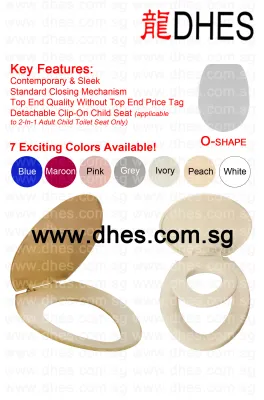
![[SG Seller] 2 in 1 Adult Child Toilet Seat Cover with Potty Training Seat PP Material Double Family Toilet Lid](https://img.lazcdn.com/g/p/054cadc0f2b755dc500d4208ae8e3732.jpg_400x400q80.jpg_.webp)
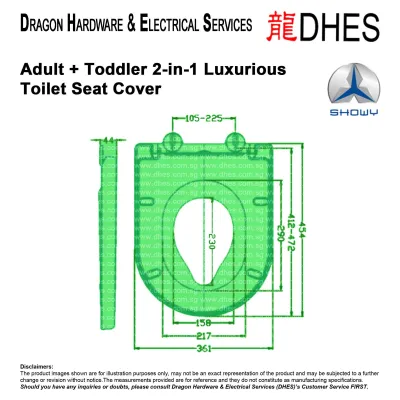
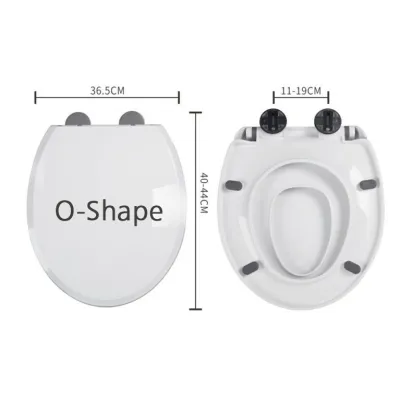
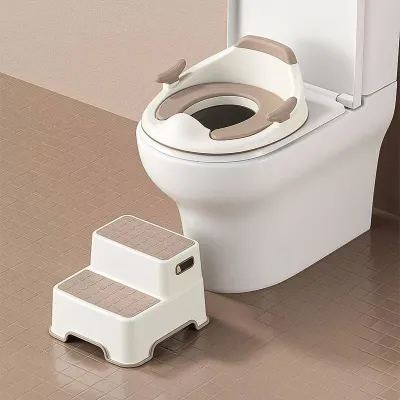
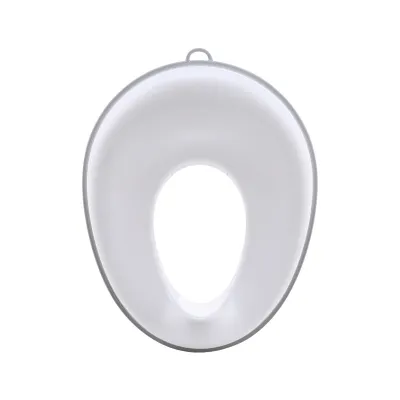
Prices are valid at publication and may change. Please refer to the product page for the latest price.
Transitioning directly to the main toilet with the help of a 2-in-1 seat offers significant physical and psychological benefits. When a child uses a standard toilet without a reducer, they often tense their muscles to prevent themselves from falling in, which can lead to anxiety and chronic constipation. A 2-in-1 seat provides a secure, contoured surface that supports their thighs and buttocks, allowing them to relax. Furthermore, when paired with an attached or standalone step stool, it ensures their feet are firmly planted. This foot support is crucial because it allows the child to adopt a natural squatting posture, which aligns the pelvic floor muscles and makes bowel movements much easier.
In Singapore, where residential bathrooms in HDB flats and condominiums often have limited floor space, the compact nature of a 2-in-1 toilet seat is highly advantageous. Unlike standalone floor potties that require dedicated floor space and manual emptying, an integrated 2-in-1 seat utilizes your existing plumbing. Many models feature a foldable design, allowing the step ladder and seat assembly to be folded flat and stored upright against the wall or in a narrow gap beside the toilet when not in use. This keeps the bathroom clear for adult family members and maintains a tidy, hygienic environment.
Essential Features to Evaluate Before Buying
When shopping for a 2-in-1 toilet seat, the first physical specification to evaluate is the dimension and shape of the reducer ring. The seat should feature a contoured design that gently slopes inward to keep your child centered and secure. For families training boys, a built-in splash guard is an essential feature to prevent urine from spraying over the rim. Look for a splash guard that is high enough to be effective but soft or rounded enough to prevent injury if the child slides forward while mounting or dismounting the seat.

The step stool component requires careful inspection, particularly regarding height adjustability and foot support. Children grow rapidly, and a step stool that is too low will leave their legs dangling, while one that is too high may prevent them from sitting comfortably. Look for models that offer multiple height settings for the steps. The step platform itself should be wide enough for your toddler to turn around safely before sitting down. A textured, non-slip surface on the steps is vital to prevent slips, especially since bathroom floors are frequently damp.
Ergonomic handles or handrails are another critical feature that builds toddler confidence. When climbing up or sitting on the toilet, toddlers often feel off-balance. Sturdy, easy-to-grip handles on either side of the seat or along the ladder frame give your child a secure point of contact. This physical support helps them stabilize themselves during the transition from standing to sitting. Ensure the handles are made of a non-porous, easy-to-clean material that does not trap moisture or bacteria.
Finally, consider the overall footprint, foldability, and locking mechanisms of the unit. If you choose a ladder-style 2-in-1 seat, it must fold smoothly but also lock securely into place when unfolded. A loose or wobbly joint can cause the ladder to shift under your child’s weight, which can frighten them and set back their training progress. Measure your bathroom floor space and the distance from the toilet rim to the opposite wall to ensure the ladder can extend fully at a safe angle without blocking the bathroom door or vanity.
Safety Checks and Stability Standards
Safety is the paramount concern when introducing any new equipment into a wet bathroom environment. Before purchasing or using a 2-in-1 toilet seat, you must physically verify its stability on your specific toilet bowl. Inspect the underside of the reducer seat for high-quality, non-slip rubber pads or silicone grips. These pads must make direct, firm contact with the adult toilet seat or porcelain rim to prevent the reducer from sliding sideways when your child shifts their weight.
The base of the step stool or ladder must also feature robust non-slip feet. In Singapore’s humid climate, bathroom tiles can become slippery from condensation or water splashes. The rubber feet on the bottom of the ladder must grip the floor securely without sliding backward as your child climbs. Before each use, perform a quick manual check by pressing down on the seat and trying to wiggle it; if there is significant play or sliding, adjust the positioning or check if the rubber pads have worn down.
Always read and strictly adhere to the manufacturer’s specific age, weight, and height limits printed on the product packaging or instruction manual. Do not assume a seat is suitable for your child based solely on their age, as physical development and weight vary widely. Using a seat that is rated for a lower weight than your child’s current weight can cause the plastic joints to flex, crack, or fail entirely. Keep a close eye on these limits as your child grows, and prepare to transition to standard bathroom fixtures once they approach the upper thresholds.
Regularly inspect the structural integrity of the 2-in-1 seat for signs of wear and tear. Plastic components can degrade over time due to exposure to cleaning chemicals, humidity, and physical stress. Check for hairline cracks around the hinges, folding joints, and screw holes. Ensure all screws and plastic bolts are tightened securely but not overtightened to the point of stripping the threads. If you notice any structural damage, loose joints that cannot be tightened, or worn-out non-slip pads, stop using the equipment immediately to prevent falls.
Creating a Smooth Potty Training Transition Plan
Introducing a 2-in-1 toilet seat should be a gradual, low-pressure process that aligns with your child’s emotional readiness. Start by placing the assembled seat in a familiar, dry area of your home, such as the living room or playroom. Allow your toddler to explore the equipment fully clothed, climb the steps, and sit on the seat while reading a book or watching a favorite show. This familiarization helps demystify the object and removes the pressure of performance, turning the seat into a normal, non-threatening part of their environment.
Once you move the seat into the bathroom, focus on teaching proper physical alignment. When your child sits on the reducer, guide them to place their feet flat on the step stool. Their knees should be slightly higher than their hips, creating a comfortable squatting angle. Explain to them that their feet must stay on the step to keep them steady. This physical grounding not only prevents them from feeling like they are falling into the bowl but also physically relaxes the puborectalis muscle, making it much easier for them to eliminate successfully.
Manage common toddler fears, such as the loud sound of the toilet flushing or the sudden movement of water, with patience and clear explanations. Many children are terrified of being flushed away or dislike the sudden noise. You can agree to flush the toilet only after they have safely stepped down and left the bathroom, or let them press the flush button themselves to give them a sense of control. Use positive reinforcement, such as verbal praise, high-fives, or a simple sticker chart, to celebrate their effort and willingness to sit on the seat, regardless of whether they actually produce anything.
Consistency is key to building lasting habits. Establish a predictable daily routine by encouraging your child to sit on the 2-in-1 seat at specific times, such as immediately after waking up, after meals, or before bath time. Even if they only sit for a couple of minutes, this regular schedule helps program their body’s natural rhythms. Keep these sessions short and stress-free; if your child resists or becomes upset, do not force them to stay on the seat. Simply try again during the next scheduled window to keep the association positive.
Cleaning and Daily Maintenance
Maintaining strict hygiene is essential to keep your 2-in-1 toilet seat safe and sanitary for daily use. Establish a daily wiping protocol using mild, child-safe soap and warm water or specialized sanitizing wipes. Focus on high-contact areas, including the reducer seat surface, the splash guard, and the handrails. Avoid using harsh chemical cleaners, bleach, or abrasive scrubbing pads, as these can degrade the plastic, strip away non-slip coatings, and leave chemical residues that might irritate your toddler’s sensitive skin.
Deep cleaning should be performed at least once a week to prevent bacterial buildup in hard-to-reach areas. Disassemble the removable parts of the seat according to the manufacturer’s instructions. Pay close attention to the underside of the reducer ring, the crevices around the hinges, and the textured surfaces of the step stool where dirt and moisture can accumulate. Thoroughly clean the non-slip rubber pads on the base of the ladder and the underside of the seat, as dust and soap scum can reduce their grip and compromise stability.
After cleaning, ensure all components are completely dry before reassembling or folding the unit for storage. Trapped moisture in a warm, humid Singaporean bathroom can quickly lead to mold and mildew growth, particularly in hollow plastic frames or rubber joints. Regularly inspect the moving parts, hinges, and folding mechanisms to ensure they are free of debris and operate smoothly. If the seat is stored folded, check that the locking mechanism still engages firmly when unfolded to maintain structural safety.
Frequently Asked Questions (FAQ)
At what age should a toddler start using a 2-in-1 toilet seat?
Most toddlers show readiness to begin using a 2-in-1 toilet seat between 18 months and 3 years of age, though readiness is developmental rather than chronological. Look for physical signs, such as the ability to walk steadily, climb steps, and stay dry for consecutive hours, alongside cognitive signs like communicating the need to go or expressing interest in adult bathroom habits. Always verify the manufacturer’s minimum age and weight specifications on the product label before introducing the seat to ensure it can safely support your child’s current size.
Can a 2-in-1 toilet seat fit all toilet bowl shapes?
Not all 2-in-1 toilet seats are universally compatible with every toilet bowl shape. Standard toilets generally come in round, oval, or elongated shapes, and some modern designs feature square rims. Before purchasing, measure the length and width of your toilet bowl rim, as well as the height from the floor to the top of the seat. Compare these measurements with the manufacturer’s compatibility guide. Many adjustable ladder-style seats can accommodate standard round and elongated bowls but may not sit securely on square or unusually high designer toilets.
How do I transition from the 2-in-1 seat to the regular toilet?
The transition to a regular toilet occurs when your child physically outgrows the reducer seat or expresses a desire to use the toilet like an adult. Signs of readiness include their thighs fitting tightly in the reducer ring or their knees bending at an uncomfortable angle on the step stool. To transition, remove the 2-in-1 seat and replace it with a sturdy, standalone step stool placed in front of the toilet. This allows them to climb up independently and rest their feet comfortably while sitting directly on the adult toilet seat.

Community discussion
Share your experience or ask a question. Comments are reviewed before publication.