
Newborn skin is incredibly delicate, possessing a skin barrier that is up to 30% thinner than that of an adult. This structural difference makes a baby’s skin highly permeable, exceptionally sensitive, and prone to rapid moisture loss and chemical irritation. For parents in Singapore, selecting the gentlest grooming products is a critical step in preventing contact dermatitis, eczema flare-ups, and localized infections.
While numerous brands line the shelves of local pharmacies and baby specialty stores, finding the gentlest option requires looking past generic marketing claims. Because brand formulations can change and independent clinical testing data is often proprietary, caregivers should not rely solely on brand names. Instead, the safest approach is to verify specific physical properties, material purity, and third-party certifications on the product packaging. The gentlest cotton balls for newborn skin are those made from 100% pure, unbleached, organic cotton that features a high-density, low-lint structure.
Essential Features of Newborn-Safe Cotton Balls
When comparing different cotton products for baby care, evaluating the physical and structural attributes of the cotton is essential. These features directly impact how the material interacts with a newborn’s sensitive skin barrier during daily cleaning routines.
Products mentioned in this guide
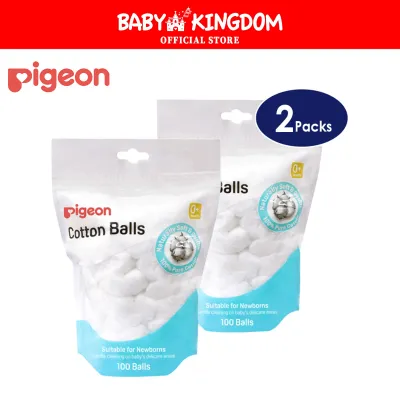
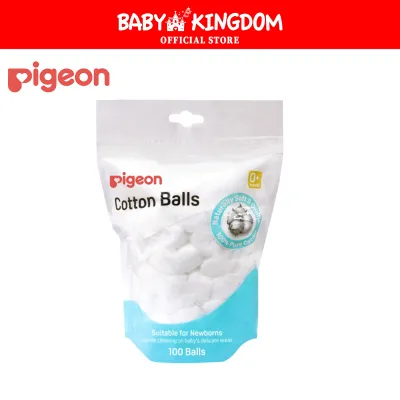
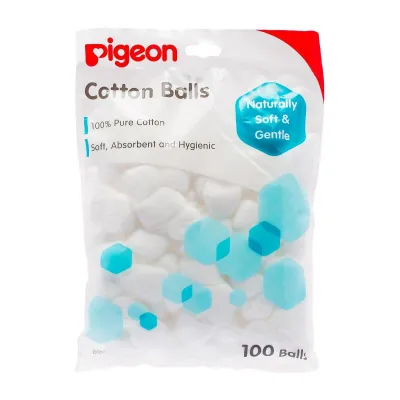
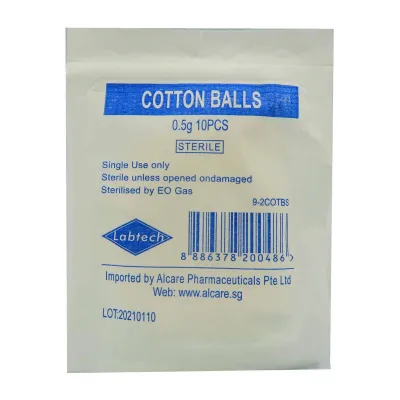
Prices are valid at publication and may change. Please refer to the product page for the latest price.
Material Purity
The primary factor in determining the gentleness of a cotton ball is its material composition. Caregivers should always opt for 100% natural cotton over synthetic blends or rayon mixtures. Synthetic fibers, such as polyester, are often stiffer and less absorbent than natural cotton. These synthetic alternatives can cause micro-abrasions on a newborn’s skin during wiping. Furthermore, synthetic blends frequently require chemical binders or heat-fusing processes during manufacturing to hold the fibers together, introducing unnecessary chemical residues to the finished product. Pure natural cotton is inherently hypoallergenic, highly absorbent, and exceptionally soft, making it the safest medium for delicate skin.
Texture and Density
The structural density of a cotton ball determines its tendency to shed fibers, a phenomenon known as linting. High-quality baby cotton balls are spun tightly to ensure the fibers remain cohesive when wet. When cotton sheds, tiny loose fibers can become trapped in the baby’s skin folds, around the healing umbilical cord stump, or in the delicate eye area. This trapped lint can cause friction, trap moisture, and lead to localized irritation or infection. To evaluate density before use, caregivers can perform a simple dry stretch test: gently pull the cotton ball. A high-density, well-constructed cotton ball will resist tearing and will not release a cloud of fine airborne fibers.
Size and Shape
Different grooming tasks require different cotton formats to minimize skin friction and maximize cleaning efficiency. Standard-sized cotton balls are highly versatile and conform well to irregular body contours, making them excellent for cleaning behind the ears, around the nose, or within the folds of the neck. Jumbo-sized cotton balls are highly practical for diaper area cleanups, as they hold a larger volume of water and cover more surface area, reducing the number of wipes needed. For tasks requiring even pressure distribution, such as wiping the cheeks or forehead, flat cotton pads or puffs are often superior. Pads offer a smooth, uniform surface that minimizes friction and prevents the concentrated rubbing that can occur with rounded cotton balls.
Packaging
Singapore’s tropical climate features high relative humidity, which often exceeds 80% year-round. This warm, damp environment is highly conducive to the growth of mold, mildew, and airborne bacteria. Consequently, the packaging of baby cotton products plays a vital role in maintaining hygiene. Caregivers should avoid cotton balls sold in open-top boxes or flimsy plastic wraps that cannot be securely closed after opening. Instead, look for products packaged in heavy-duty, resealable zip-lock bags or airtight containers. This protects the unused cotton from absorbing ambient moisture and prevents contamination from dust and household allergens.
Materials and Additives to Avoid
To protect a newborn’s highly permeable skin, caregivers must be vigilant about the chemical processing methods and additives used during cotton manufacturing. Many standard household cotton products undergo treatments that leave behind irritating chemical residues.

Chemical Bleaching
Raw cotton is naturally off-white or light beige and contains natural oils and waxes. To make cotton highly absorbent and visually appealing, manufacturers must scour and whiten the fibers. Traditional manufacturing often relies on chlorine bleaching, a process that can produce trace amounts of dioxins. Dioxins are persistent organic pollutants that can accumulate in body tissues and are associated with developmental and immune system issues. To safeguard newborn skin, caregivers should avoid chlorine-bleached cotton. Instead, look for products labeled “Totally Chlorine Free” (TCF), which utilize hydrogen peroxide or oxygen-based whitening methods, or choose completely unbleached cotton.
Optical Brighteners and Fluorescers
Optical brighteners, or fluorescent whitening agents (FWAs), are chemical compounds added to some cotton products to make them appear brighter and whiter under light. These chemicals do not improve the cleanliness or absorbency of the cotton; they merely coat the fibers to reflect blue light. Optical brighteners do not bind permanently to the cotton and can easily transfer to a baby’s wet skin. Once on the skin, these chemicals can cause contact dermatitis, photo-allergic reactions, and persistent irritation, especially when exposed to sunlight. Pure, safe baby cotton should be free from these unnecessary cosmetic additives.
Added Fragrances or Lotions
Many commercial baby products are infused with artificial fragrances or moisturizing lotions to appeal to consumers. However, synthetic fragrances are among the leading causes of allergic contact dermatitis in infants. A newborn’s skin does not require added lotions or scents from a dry cotton ball, which can interfere with the skin’s natural pH balance. Unscented, additive-free cotton is the safest choice. Caregivers should note the difference between “fragrance-free” and “unscented” labels; fragrance-free products contain no added scent chemicals, whereas unscented products may contain masking fragrances designed to neutralize the smell of other ingredients.
Pesticide Residues
Conventional cotton farming is highly chemical-intensive, utilizing synthetic pesticides, herbicides, and fertilizers. Trace amounts of these agricultural chemicals can remain on the harvested cotton fibers throughout the manufacturing process. While standard purification processes remove the majority of these residues, opting for certified organic cotton provides an extra layer of safety. Organic cotton is grown using natural, non-toxic farming methods, ensuring that the raw material is free from harmful agricultural chemicals. This minimizes the risk of chemical exposure for newborns while supporting environmentally sustainable farming practices.
How to Read Labels and Verify Brand Claims
Navigating the baby care aisle requires a critical eye. Many brands use appealing marketing terms that are not backed by strict regulatory definitions, making it essential for parents to know how to verify these claims.
Decoding Marketing Terms
Terms such as “hypoallergenic,” “dermatologically tested,” and “natural” are frequently displayed on baby product packaging. However, these terms are often unregulated and can be used by manufacturers without standardized clinical proof. For instance, a product labeled “natural” may still contain synthetic fibers or have undergone harsh chemical bleaching. Similarly, “hypoallergenic” simply means the product is less likely to cause an allergic reaction, but it does not guarantee safety for highly sensitive newborn skin. Caregivers should look past these front-of-pack claims and inspect the ingredient list and certifications on the back of the packaging.
Checking Certifications
To ensure a product is truly safe and gentle, look for reputable, independent third-party certifications. These organizations conduct rigorous testing to verify the environmental and chemical safety of the textile products.
- Global Organic Textile Standard (GOTS): This is the leading global standard for organic fibers. A GOTS certification guarantees that the product contains at least 70% (or 95% for the "organic" grade) certified organic fibers and has been processed without toxic heavy metals, formaldehyde, or chlorine bleaching.
- OEKO-TEX Standard 100 (Class 1): This certification tests finished textile products for harmful substances. Class 1 is the strictest category, specifically designed for baby and toddler products up to 36 months of age. It ensures the cotton is free from harmful levels of formaldehyde, heavy metals, pesticides, and allergenic dyes.
- USDA Organic: This seal verifies that the cotton was grown in accordance with organic agricultural standards, free from synthetic fertilizers and genetic modification.
Ingredient Transparency
Always inspect the material composition list on the packaging. A high-quality product will clearly state “100% Cotton” or “100% Organic Cotton.” If the packaging lists vague terms like “cotton blend,” “soft fibers,” or “regenerated cellulose,” the product likely contains synthetic materials like polyester or rayon. If a brand does not provide a clear material list on its packaging or official website, it is best to choose an alternative brand that offers full ingredient transparency.
Cross-Referencing Reviews
When shopping on online marketplaces or local pharmacy websites in Singapore, customer reviews can provide valuable insights into how a product performs in real-world scenarios. When reading reviews, filter for specific feedback regarding the physical integrity of the cotton. Look for comments mentioning whether the cotton balls shed excessively, fall apart when wet, or leave a fuzzy residue on the baby’s skin. Pay attention to any mentions of a chemical or musty odor upon opening the package, as this can indicate poor manufacturing standards or improper storage conditions in local warehouses.
Safe Handling and Usage During Baby Care
Using high-quality cotton balls is only half the battle; proper handling and application techniques are equally important to ensure newborn hygiene and safety.
Preparation and Hygiene
Before handling baby cotton products, caregivers must wash their hands thoroughly with soap and water for at least 20 seconds. This prevents the transfer of bacteria, viruses, and dirt from the caregiver’s hands to the sterile or clean cotton. When preparing to clean sensitive areas like the eyes, face, or umbilical cord stump, dampen the cotton ball with sterile saline solution or water that has been boiled and allowed to cool to room temperature. Avoid using tap water directly from the faucet, as it may contain trace impurities or bacteria that can irritate a newborn’s delicate skin or open wounds.
Preventing Choking and Inhalation Hazards
Loose cotton fibers pose a subtle but serious hazard to newborns. If a fiber-shedding cotton ball is used near the baby’s nose or mouth, the baby could inhale the fine fibers, leading to respiratory discomfort or coughing. To minimize this risk, ensure the cotton ball is damp but not dripping wet; moisture helps bind the fibers together and prevents shedding. Never leave loose cotton balls or packaging within a baby’s reach. Additionally, caregivers should never use cotton swabs or cotton balls inside the baby’s ear canal or deep inside the nasal passages. This can push wax or mucus deeper, cause blockages, or damage delicate internal membranes. Only clean the visible, outer surfaces of the ears and nose.
Disposal and Environmental Impact
Used cotton balls should be disposed of immediately in a lined diaper bin or general waste bin. Never flush cotton balls down the toilet. Unlike toilet paper, which is designed to disintegrate rapidly in water, cotton fibers do not dissolve easily and can quickly clog household plumbing systems and municipal sewer lines. For environmentally conscious households in Singapore, choosing certified organic, biodegradable cotton options helps reduce environmental impact, as these fibers decompose naturally without releasing synthetic microplastics into the ecosystem.
When to Stop and Consult
Caregivers should monitor the baby’s skin closely after each cleaning routine. If you notice persistent redness, dry patches, a bumpy rash, or signs of skin peeling, stop using the current cotton product immediately. These symptoms may indicate an allergic reaction or contact dermatitis. Furthermore, when cleaning the umbilical cord stump, watch for signs of infection, such as yellow discharge, swelling, warmth, or a foul odor. If any of these signs appear, or if a skin rash does not improve within a few days of stopping the product, consult a pediatrician or a qualified healthcare professional in Singapore for proper diagnosis and treatment.
Frequently Asked Questions (FAQ)
Can I use regular adult cotton balls for my newborn?
Regular adult cotton balls are generally not recommended for newborn care. Standard household cotton products are often manufactured with lower quality control standards and are more likely to contain synthetic fiber blends, which can be abrasive on a baby’s thin skin. Additionally, adult cotton balls frequently undergo harsh chlorine bleaching and may contain optical brighteners or chemical binders to maintain their shape. They also tend to have a looser spin, resulting in excessive fiber shedding and linting. This increases the risk of leaving irritating fibers on your baby’s skin or near their airway. To ensure safety, always choose cotton products specifically designed, tested, and certified for infant use.
Are cotton pads better than cotton balls for cleaning a baby's eyes?
Cotton pads are often superior to cotton balls for cleaning a newborn’s delicate eye area. Most high-quality baby cotton pads feature pressed or stitched edges, which significantly reduces linting and prevents loose fibers from shedding. Wiping a baby’s eye with a standard cotton ball can leave fine fibers trapped in the eyelashes or on the surface of the eye, causing irritation and blinking. When cleaning the eyes, use a fresh, damp cotton pad for each eye. Wipe gently in a single motion from the inner corner of the eye outward. This technique, combined with the low-lint structure of a cotton pad, minimizes friction and prevents the spread of potential infections between the eyes.
How should I store baby cotton balls to keep them hygienic?
To maintain the hygiene of baby cotton balls, store them in a clean, dry, and airtight environment. Singapore’s high humidity can cause cotton to absorb moisture from the air, creating an ideal breeding ground for mold, mildew, and bacteria. Keep the cotton balls in their original resealable zip-lock packaging, ensuring the seal is completely closed after each use. Alternatively, transfer the cotton balls to a dedicated, clean plastic or glass container with a secure, airtight silicone seal. Store this container in a dry cupboard or drawer, away from the high-humidity environment of the bathroom or immediate baby bath area. Always inspect the cotton for any discoloration, dampness, or unusual musty odors before using it on your baby.

Community discussion
Share your experience or ask a question. Comments are reviewed before publication.