
Finding the right soft toy storage box for your nursery involves balancing safety, accessibility, and space efficiency. In compact urban homes, managing a growing collection of plush toys requires a solution that fits your layout while keeping items clean and within your child’s reach. By focusing on material safety, ease of cleaning in a humid climate, and child-friendly designs, you can select a storage option that keeps clutter at bay and supports your child’s development.
Plush toys are often among the first gifts a baby receives, and the collection can quickly grow to overwhelm a room. A dedicated storage box not only keeps the nursery tidy but also helps establish a structured environment where your child can play safely. Choosing the right container requires looking beyond aesthetics to evaluate how the item will perform in daily use.
How to Evaluate Soft Toy Storage Boxes for Your Nursery
Before purchasing any storage solution, measure the available floor space in your nursery. Singapore apartments, such as HDB flats and condominiums, often require smart space planning to maximize every square meter. Consider whether the box will sit in a corner, under a crib, or alongside a wardrobe, and ensure it does not obstruct walkways or door swings. If floor space is limited, look for stackable bins or options that can fit inside existing shelving units to keep the floor clear.
Products mentioned in this guide
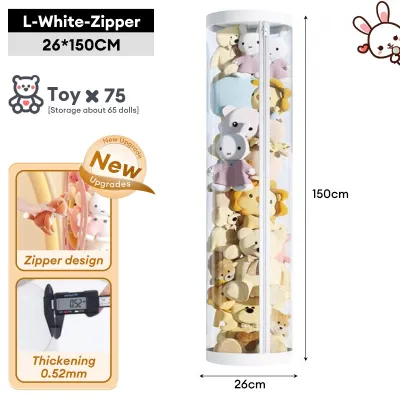
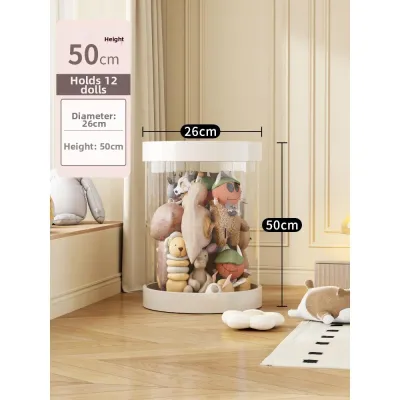
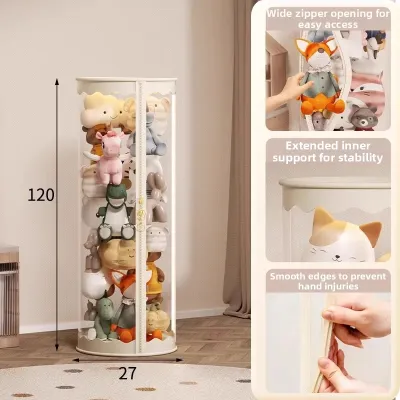
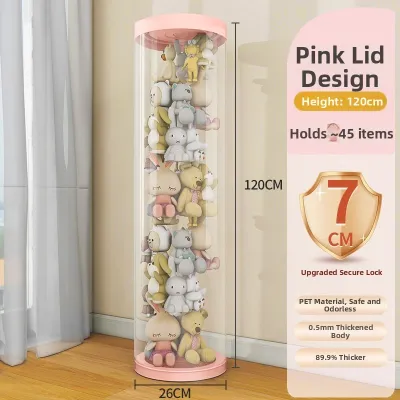
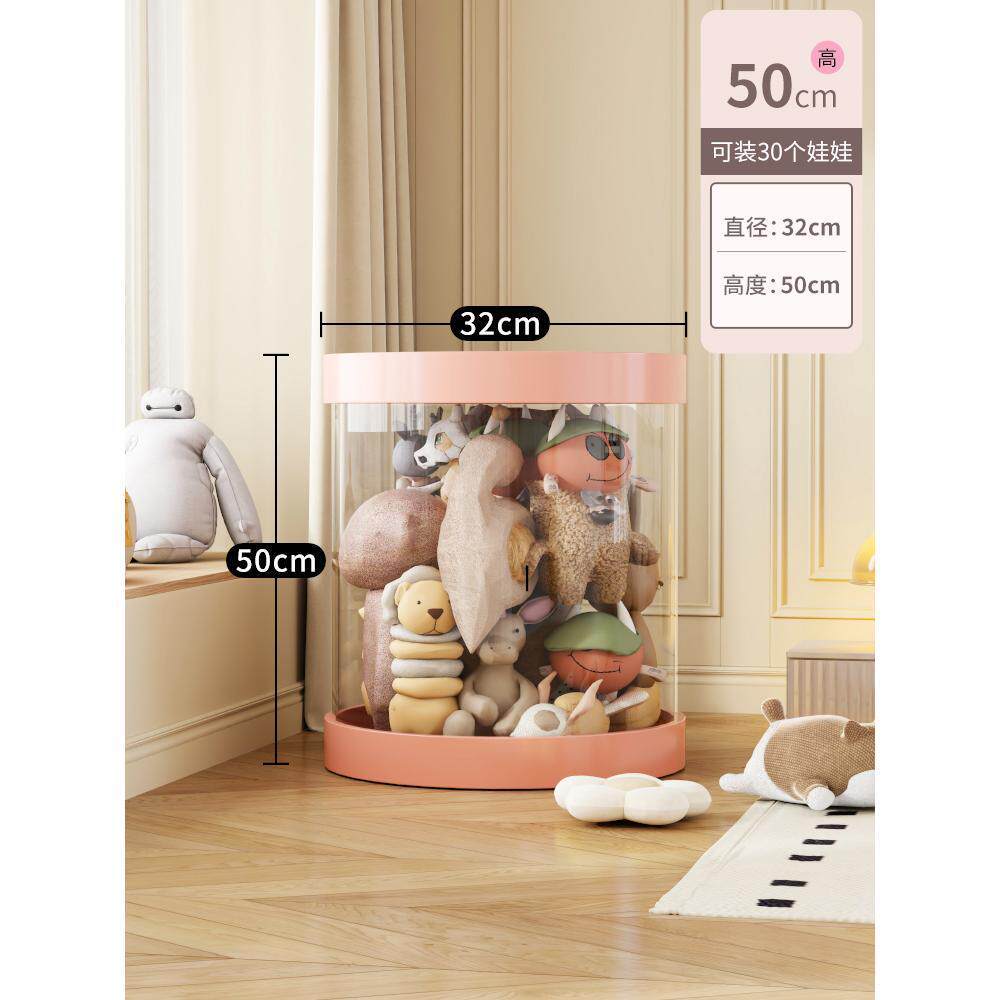
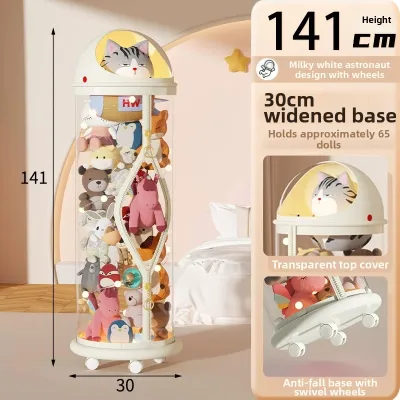
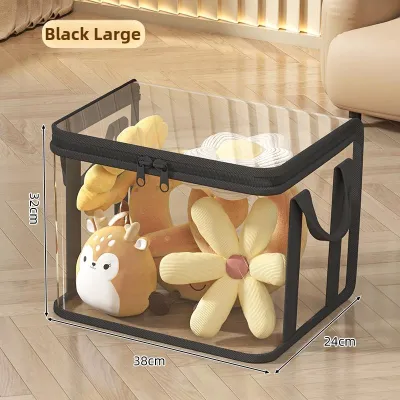
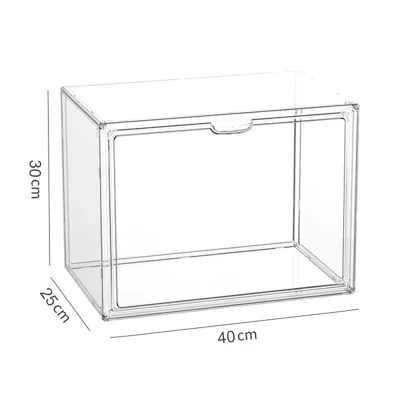
Prices are valid at publication and may change. Please refer to the product page for the latest price.
Next, take stock of your child’s current plush toy collection and anticipate future growth. Soft toys tend to accumulate quickly from family gifts, holiday celebrations, and developmental milestones. Choosing a modular system or a slightly larger bin than currently needed can save you from having to upgrade your storage setup within a few months. It is often helpful to categorize toys by size, keeping smaller rattles in one compartment and larger plush animals in another.
Consider the height of the storage box in relation to your child’s age and physical development. For infants and crawling babies, low-profile baskets that sit directly on the floor allow them to explore their toys safely. As your child grows into a toddler, slightly taller bins can be introduced, provided they remain stable and easy to access. Matching the physical dimensions of the box to your child’s reach promotes a sense of ownership and ease of use.
Finally, balance the visual design of the storage box with its daily usability. While a beautifully themed box can complement your nursery decor, it must remain highly accessible to your child. Low-profile bins or open-top designs allow toddlers to see and reach their favorite toys independently, encouraging self-play and easy cleanup. If a storage box is too tall or difficult to open, it defeats the purpose of fostering independence.
Comparing Different Types of Toy Storage Solutions
Fabric and canvas bins are highly popular for nursery organization because they are lightweight and collapsible. These bins pose virtually no risk of injury if a toddler bumps into them, pulls them down, or attempts to climb inside. They are excellent for storing soft, lightweight plushies and can be easily folded flat and tucked away when not in use. Many fabric options feature reinforced handles, making them easy to carry from room to room.

Wooden toy boxes offer a classic, sturdy aesthetic that can transition into childhood and beyond. They are highly durable and can double as seating or a display shelf in the nursery. However, because wood is heavy, you must carefully inspect the construction, weight, and lid mechanisms to ensure they are safe for small hands. A solid wood box is a long-term investment, but it requires a dedicated spot in the room due to its weight and lack of portability.
Woven and rattan baskets provide a natural, breathable texture that fits well with modern nursery themes, such as Scandinavian or bohemian designs. The natural airflow of woven materials is beneficial for preventing musty odors in plush toys, which can easily trap moisture. When choosing woven options, inspect the interior and exterior thoroughly for loose fibers, sharp weaves, or splinters that could snag toys or scratch delicate skin.
Clear plastic organizers offer maximum visibility, allowing you and your child to identify contents instantly without rummaging through the entire bin. They are exceptionally easy to wipe clean and disinfect, making them a highly hygienic choice for younger babies who put toys in their mouths. However, they lack the visual warmth of fabric or wood and may make a nursery feel more utilitarian if not styled thoughtfully within closets or shelving units.
Essential Safety and Practical Features to Check
If you select a storage box with a lid, prioritize checking the lid safety mechanisms. Look for slow-closing safety hinges or tension joints that prevent the lid from slamming shut on tiny fingers. Some designs feature completely removable, lightweight lids or open-front cutouts to eliminate the risk of pinching altogether. Never use a heavy, unhinged lid that a child could pull down onto themselves.
Stability is another critical factor, especially as babies begin to pull themselves up to a standing position. Heavy wooden boxes or tall shelving units must be stable enough to resist tipping over. Check the manufacturer’s instructions regarding wall anchoring, and avoid placing heavy items near the top of any storage unit. A wide, low-profile base is generally the safest shape for freestanding nursery furniture.
Do not assume a product is safe based on its appearance or marketing claims. Always verify the materials by checking the manufacturer’s labels and product specifications. Look for indications of non-toxic finishes, lead-free paints, BPA-free plastics, or certified organic textiles to ensure the storage box is safe for a nursery environment. If a manufacturer does not provide clear material disclosures, it is best to look for an alternative.
For large, lidded storage boxes, ventilation is a vital safety requirement. Ensure the box features ventilation holes or gaps around the lid to prevent suffocation hazards in the unlikely event a child climbs inside. This simple design feature provides peace of mind and essential airflow, which also helps keep the stored plush toys fresh and free from stagnant air.
Regularly inspect the hardware and structural integrity of your storage boxes over time. Screws on wooden boxes can loosen with frequent use, and fabric seams or handles can fray under heavy loads. Setting aside a few minutes every few months to tighten loose fittings and check for wear and tear ensures the storage remains safe for your child to use.
Tips for Organizing and Maintaining the Toy Box
To prevent your nursery from becoming overwhelmed, implement a toy rotation system. Group soft toys into categories and keep only a select few in the accessible storage box, storing the rest out of sight in a closet or cabinet. Rotating the toys every few weeks keeps your child engaged with “new” items and prevents the storage box from overflowing, making daily cleanup much more manageable.
Maintaining your storage boxes is essential for hygiene, particularly in Singapore’s warm and humid climate. High humidity can encourage dust mites, allergens, and mold growth on fabric and wooden surfaces. Establish a regular cleaning routine: wipe down plastic and wooden boxes with a damp cloth, and vacuum or spot-clean fabric bins as recommended by the manufacturer. Ensure the room is well-ventilated to keep moisture levels low.
Consider using visual labels on your storage bins to help your child understand where each toy belongs. For younger children, a simple picture of a plush toy taped to the front of the bin is far more effective than written words. This visual cue simplifies the sorting process and turns tidying up into an educational matching game that supports cognitive development.
Use the storage box as a tool to teach your toddler basic tidying habits. Make cleanup time a fun, predictable part of the daily routine by singing a song or turning it into a simple sorting game. Lightweight, open-top fabric bins are perfect for this stage, as toddlers can easily drop their plush toys inside without assistance. Keeping the process simple and positive helps build lifelong organizational skills.
Frequently Asked Questions (FAQ)
How often should I wash fabric toy storage bins?
Refer to the manufacturer’s care label before washing any fabric storage bin, as some feature cardboard or plastic structural inserts that cannot be submerged in water. For bins with removable, machine-washable covers, washing them every few months is generally sufficient unless a spill occurs. For non-washable bins, regular vacuuming and prompt spot cleaning with a damp cloth and mild detergent will keep them fresh. Always ensure the bin is completely dry before returning toys to it to prevent mold.
Are wooden toy boxes safe for toddlers?
Wooden toy boxes can be safe for toddlers if they meet specific safety criteria. Ensure the box features slow-closing safety hinges that hold the lid open at any angle, preventing sudden drops. Check that all edges are rounded, the surface is smooth and free of splinters, and the finish is non-toxic. Additionally, verify that the box is stable and cannot be easily tipped over if a child climbs on it, anchoring it to the wall if recommended by the manufacturer.

Community discussion
Share your experience or ask a question. Comments are reviewed before publication.