
Finding the best reusable potty training pants for your toddler in Singapore requires balancing material breathability, reliable leak protection, and ease of use. In our warm, humid tropical climate, heavy, non-breathable fabrics can quickly lead to skin irritation, making the choice of materials a top priority. The ideal training pants should allow your child to feel the sensation of wetness—which is crucial for cognitive development and potty awareness—while providing enough absorbency to protect your floors and furniture from sudden accidents. By focusing on certified organic inner linings, adjustable waterproof outer shells, and designs that support your toddler’s growing independence, you can establish a comfortable and sustainable potty training routine.
Why Choose Reusable Over Disposable Training Pants?
Transitioning from diapers to training pants is a significant developmental milestone. While disposable pull-ups offer convenience, reusable cloth training pants provide distinct environmental, financial, and developmental advantages that make them highly appealing to local families. From an ecological perspective, choosing reusable options significantly reduces household waste. In a city-state like Singapore, where waste minimization is increasingly vital, diverting hundreds of single-use disposables from landfills is a meaningful step toward sustainable living.
Financially, the long-term cost-effectiveness of reusable training pants is substantial. Although the initial upfront investment for a set of cloth pants is higher than a single pack of disposables, the cumulative savings over several months of potty training can be considerable. A typical toddler may take anywhere from a few months to over a year to achieve consistent daytime dryness. During this period, the cost of purchasing disposable pull-ups continuously adds up, whereas a modest rotation of high-quality reusable pants can be washed and reused hundreds of times, and even passed down to younger siblings.
Products mentioned in this guide
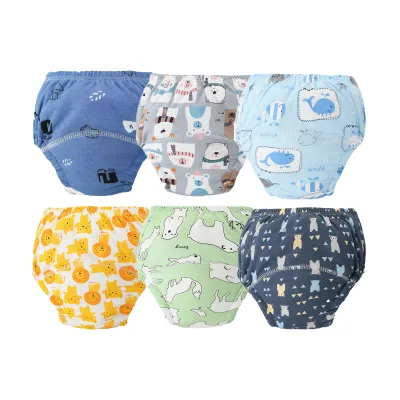
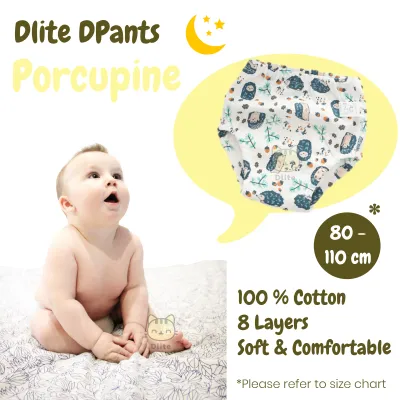
![[4 at $10.90] Baby Toilet Training Pants 6 Layers Reusable Cloth Diaper Waterproof Underwear Nappy Potty Highly Absorbent](https://img.lazcdn.com/g/p/197076b91cd3cd72b6ad2647e18e82e9.png_400x400q80.png_.webp)
![[SG Ready Stock] Baby Toilet Training Pants 6 Layers Cotton Toddler Kid Potty Training Underwear Washable Cloth Diaper Children Day Gifts](https://img.lazcdn.com/g/p/3987f2eec680cd64554d9932f24c6993.jpg_400x400q80.jpg_.webp)
![[SG Ready Stock] Baby Toddler Girls Boys 6 Layer Cotton Toilet Potty Training Pants Rewashable Underwear Diapers [Little Gems] BLO005](https://img.lazcdn.com/g/p/81afa0b07219e9cddc0d2f8d334f8fbc.jpg_400x400q80.jpg_.webp)
![[LIL BUBBA SG] SIZE XL 3-PCS SET GIRL DESIGN 6-LAYER POTTY TRAINING PANTS | KIDS UNDERWEAR| NO MORE DIAPER](https://img.lazcdn.com/g/p/466dc1098522f057ff37bbfc5f1856df.jpg_400x400q80.jpg_.webp)
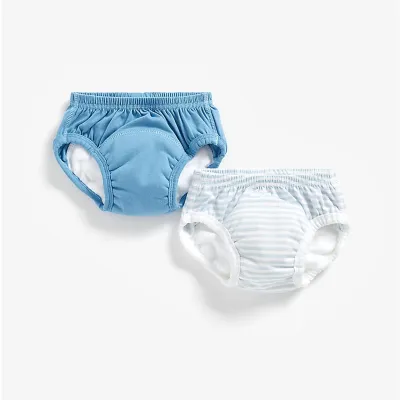
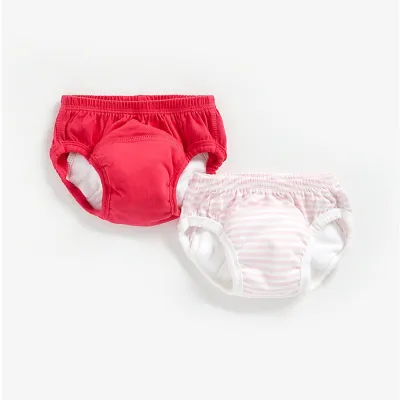
Prices are valid at publication and may change. Please refer to the product page for the latest price.
Developmentally, reusable training pants play a critical role in accelerating the potty training process through sensory feedback. Disposable training pants are designed with highly absorbent chemical cores that instantly wick moisture away, leaving the child feeling dry even after an accident. This lack of feedback can delay the child’s understanding of bodily functions. In contrast, reusable cloth pants allow the toddler to feel a temporary sensation of wetness against their skin. This immediate physical feedback helps them connect the urge to urinate with the physical consequence, encouraging them to use the potty sooner.
Furthermore, the breathability of natural fabrics is a major benefit for sensitive toddler skin. Synthetic disposable cores can trap heat and moisture, creating a warm environment prone to diaper rash, especially during active outdoor play in Singapore’s year-round heat. Reusable pants made with natural fibers like organic cotton or bamboo allow for superior air circulation, keeping your child’s skin cool and reducing the risk of friction-induced chafing. If your child develops persistent skin irritation or a severe rash, stop using the pants and consult a qualified healthcare professional.
Core Features to Evaluate in Reusable Training Pants
When evaluating different reusable training pants, understanding the technical specifications of the materials used is essential for ensuring both performance and comfort. The outer shell of the training pants is responsible for containing moisture, and this is typically made from either Polyurethane Laminate (PUL) or Thermoplastic Polyurethane (TPU). Both materials are waterproof, but they are manufactured using different processes. TPU is heat-bonded rather than chemically bonded, which many parents prefer as it is often considered more environmentally friendly and slightly softer. When shopping, check the product labels to verify the type of waterproof barrier used and ensure it is breathable to prevent heat buildup.

The inner lining, which sits directly against your toddler’s skin, determines both the comfort level and the degree of wetness feedback. Common options include organic cotton, bamboo terry, and microfleece. Cotton is highly breathable, durable, and provides excellent wetness feedback, making it a classic choice for daytime training. Bamboo is exceptionally soft, highly absorbent, and has natural hypoallergenic properties, though it may take longer to dry in humid conditions. Microfleece, on the other hand, is a synthetic stay-dry fabric that wicks moisture away; while useful for sensitive skin that reacts quickly to wetness, it may reduce the sensory feedback needed for active potty training.
Structural design features are equally important for preventing leaks during sudden accidents. Look for training pants that feature double leg gussets or reinforced elastic seals around the thighs. These gussets act as a secondary barrier, containing liquid and solid waste effectively without digging into your child’s skin. Additionally, check the width and elasticity of the waistband. A wide, flat elastic band distributes pressure evenly across the toddler’s abdomen, preventing red marks while ensuring the pants stay securely in place during active play.
Matching Absorbency Levels to Your Toddler's Stage
Potty training is a progressive journey, and your child’s absorbency needs will change as they gain better bladder control. Matching the absorbency level of the training pants to your toddler’s current stage is key to avoiding unnecessary bulk while preventing messy cleanups. In the early stages of training, when accidents are frequent and involve full bladder releases, you will require heavy protection. These pants often feature multiple built-in layers of microfiber, bamboo, or hemp, or they may include a pocket design where you can add extra absorbent inserts for longer outings or car rides.
As your toddler begins to recognize the urge to go and experiences only minor dribbles or leaks on the way to the bathroom, you can transition to light protection pants. These designs typically feature a single or double layer of absorbent cotton sewn directly into the wet zone, paired with a lightweight waterproof backing. Light protection pants are much trimmer, fitting closely like regular underwear, which helps boost your child’s confidence while still providing a safety net for minor mishaps.
To verify the absorbency capacity of a specific product, carefully review the manufacturer’s specifications. Some brands specify the number of layers or the exact fabric blend used in the wet zone, while others provide a general fluid capacity rating. Keep in mind that these ratings are often tested under ideal laboratory conditions; real-world performance will depend on your child’s unique output and the fit of the pants. Modular designs that feature a pocket opening are highly versatile, allowing you to customize the absorbency by adding slim boosters for nap times and removing them for active daytime training.
Sizing, Fit, and Ease of Use for Toddlers and Parents
Achieving the correct fit is paramount to preventing leaks and ensuring your toddler’s comfort. Unlike diapers, which are highly adjustable due to adhesive tabs, reusable training pants rely heavily on precise sizing. When choosing a size, do not rely solely on your child’s age or weight range, as toddlers of the same weight can have vastly different body shapes. Instead, consult the brand’s specific size chart and measure your child’s waist and upper thigh circumference using a soft measuring tape. A proper fit should be snug enough to prevent gaps around the legs when your child moves, yet loose enough to allow you to slide two fingers comfortably under the waistband.
Always verify the recommended age, development stage, weight range, and specific method of use from the product documentation before purchasing. Never infer suitability solely from a product name or generic category. Caregivers must supervise toddlers during use to ensure the pants fit correctly and do not cause discomfort or restriction of movement.
The style of the training pants also impacts how easily your child can navigate their daily routine. Pull-up styles with highly elastic side panels are excellent for fostering independence, allowing toddlers to easily pull their pants down and up when using the toilet. This mimics adult underwear and builds self-reliance. However, pull-up styles can be challenging to remove cleanly if your child has a solid accident.
To address this, some manufacturers offer hybrid designs featuring side snaps or Velcro closures. These side-opening pants allow caregivers to quickly snap the pants off during a messy cleanup, preventing the need to slide soiled fabric down the child’s legs. If your child is still experiencing frequent bowel accidents, starting with snap-sided training pants can save significant cleanup time, transitioning to standard pull-up styles as their bowel control improves.
Building Your Shortlist: Shopping and Verification Steps
With numerous options available on online marketplaces and specialty baby boutiques, building a reliable shortlist requires careful verification of product claims. First, prioritize textile safety. Because these garments sit directly against sensitive skin for extended periods, look for independent safety certifications such as the Oeko-Tex Standard 100. This certification verifies that the fabric has been tested for harmful substances and chemicals. You can verify these claims by checking the product packaging, looking for the certification label, or visiting the official manufacturer website.
Next, leverage user reviews to assess the long-term durability of the training pants. Look for feedback from parents who have used the products for several months, paying close attention to comments regarding elastic retention, fabric pilling, and how well the waterproof layer holds up after multiple wash cycles. In Singapore’s tropical climate, fabrics are subjected to frequent washing, so durability is a critical factor in determining the true value of your investment.
Finally, ensure you purchase your selected training pants from official brand stores or authorized local distributors. Buying from authorized channels guarantees that you are receiving genuine products made with safe, certified materials. It also ensures access to valid manufacturer warranties and clear return or exchange policies, which is particularly important if you discover that the sizing is not a perfect fit for your toddler’s build. Always check for recent product safety recalls or manufacturer warnings on official regulatory websites before finalizing your purchase.
Washing and Maintenance Routine for Longevity
Proper care and maintenance are vital to preserving the absorbency, elasticity, and waterproof integrity of your reusable training pants. Always consult the manufacturer’s specific care label before washing, as temperature limits can vary. Generally, washing in cold or lukewarm water (typically below 40 degrees Celsius) is recommended to protect the delicate TPU or PUL waterproof membrane from delaminating. Avoid using extremely hot water cycles or high-heat dryer settings, as excessive heat can degrade the elastic bands and cause the waterproof backing to crack over time.
The choice of laundry detergent also plays a significant role in maintaining fabric performance. Use a gentle, residue-free detergent that does not contain fabric softeners, optical brighteners, or chlorine bleach. Fabric softeners are particularly detrimental to reusable training pants, as they leave a thin, waxy coating on the fibers that repels moisture, drastically reducing the pants’ absorbency. If you encounter stubborn stains, opt for sun-bleaching on a drying rack or use a gentle, oxygen-based stain remover that is explicitly approved by the manufacturer.
Managing your laundry routine efficiently is especially important in Singapore’s humid climate. To prevent the buildup of mold, mildew, and unpleasant odors, establish a consistent pre-rinse routine. If a solid accident occurs, flush the waste down the toilet and rinse the training pants thoroughly under running water before placing them in a dry, well-ventilated diaper pail. Avoid leaving damp training pants in a closed container for more than one to two days. When drying, line-drying indoors near a well-ventilated window or using a gentle low-heat cycle in a clothes dryer will help maintain the elasticity and extend the lifespan of your training gear.
Frequently Asked Questions (FAQ)
How many pairs of reusable training pants do I need?
For a typical potty training journey, a starter rotation of 6 to 8 pairs is usually sufficient if you plan to wash them daily. If you prefer to wash laundry every two to three days, building a stash of 12 to 15 pairs is more practical, especially considering Singapore’s high humidity, which can extend line-drying times indoors. Having a larger rotation also ensures you always have a spare pair ready in your diaper bag for outings.
Can reusable training pants be used for nighttime sleep?
Standard daytime reusable training pants are generally not designed to handle the heavy, continuous wetting that occurs during overnight sleep. For nighttime use, it is best to look for dedicated overnight cloth diapers, heavy-duty training pants with pocket systems for extra inserts, or specialized bedwetting pants. Always check the manufacturer’s absorbency guidelines and consider your child’s sleep depth before transitioning away from overnight diapers.
What should I do if the training pants start leaking after washing?
If your training pants begin to leak or repel liquid after several washes, it is often due to detergent buildup or mineral deposits. You can address this by performing a deep clean or stripping process, which involves washing the clean pants in hot water without detergent to wash away residues. Additionally, inspect the leg elastics for wear and tear; if the elastics have stretched out, the resulting gaps will cause leaks regardless of the fabric’s absorbency.

Community discussion
Share your experience or ask a question. Comments are reviewed before publication.