
Potty training in Singapore’s tropical climate presents a unique set of challenges for parents. With average relative humidity levels frequently exceeding 80% and temperatures hovering around 30°C year-round, choosing the right potty training pants is crucial. Standard disposable training pants often trap heat and moisture, leading to skin irritation and discomfort. Reusable options offer a breathable, eco-friendly alternative, but they must be selected carefully to ensure they dry quickly in local laundry conditions and keep toddlers comfortable.
Transitioning to reusable training pants helps toddlers recognize when they are wet, which is a fundamental step in the potty training process. In a humid environment, the materials you choose will directly impact how quickly your child learns and how comfortable they remain during active play. This guide explores the best reusable options available in Singapore, focusing on fabric performance, breathability, and practical maintenance in high humidity.
Why Switch to Reusable Potty Training Pants in a Tropical Climate?
Disposable training pants rely heavily on plastic backings and superabsorbent polymers to lock away moisture. While this prevents leaks, it also creates a sealed, high-humidity microclimate against your toddler’s skin. In Singapore’s intense heat, this trapped moisture and lack of airflow can quickly lead to heat rash, diaper dermatitis, and chafing. Reusable training pants, constructed from woven natural fibers or breathable synthetic meshes, allow air to circulate freely, keeping the skin cool and significantly reducing the risk of painful rashes.
Products mentioned in this guide
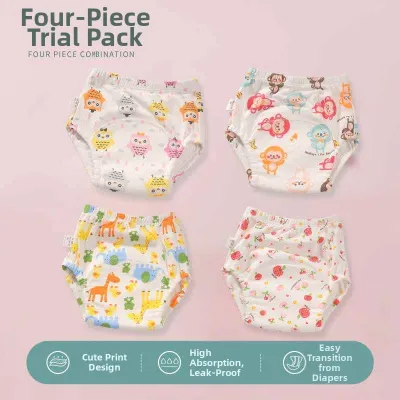
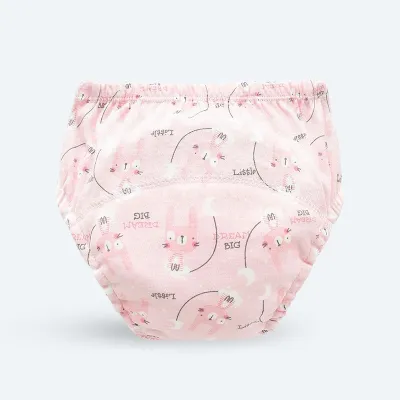
![[SG Ready Stock] Baby Toilet Training Pants Cotton Summer Breathable Kids Potty Training Pants Rewashable Diapers](https://img.lazcdn.com/g/p/4d301591498842b30b331bb768b7d2cf.jpg_400x400q80.jpg_.webp)
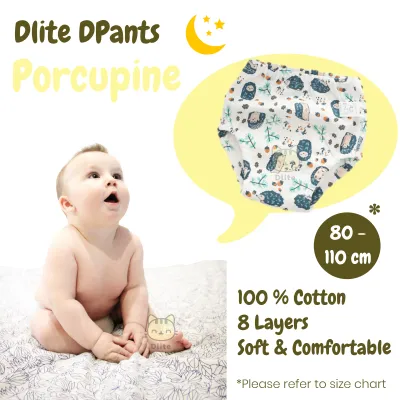
![[4 at $10.90] Baby Toilet Training Pants 6 Layers Reusable Cloth Diaper Waterproof Underwear Nappy Potty Highly Absorbent](https://img.lazcdn.com/g/p/8ddde1677384c797b9de2af14f2beb0f.png_400x400q80.png_.webp)
![[SG Local Stock] 6 Layers Baby Toilet Training Pants Breathable Waterproof Baby Diaper Pants Kids Potty Training Rewashable Diapers Panties Underwear Children Day Gifts](https://img.lazcdn.com/g/p/3c008923aebea28cff8035fa6d41ddb6.jpg_400x400q80.jpg_.webp)
![SG REady Stock BLO007 Baby Toddler Boys Girls Potty Training Pants Underwear [Little Gems] Polyester](https://img.lazcdn.com/g/p/9961afe7f5231e80e53be025331edae7.jpg_400x400q80.jpg_.webp)
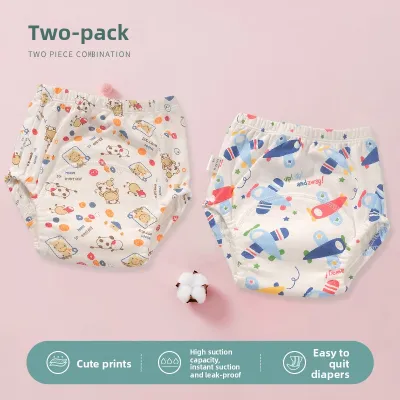
Prices are valid at publication and may change. Please refer to the product page for the latest price.
From an environmental perspective, the impact of disposable diapers and training pants on Singapore’s limited landfill space is substantial. All trash in Singapore that cannot be recycled is incinerated, and the resulting ash is sent to the Semakau Landfill, which is projected to reach capacity in the coming decades. By choosing reusable training pants, families can divert hundreds of single-use products from the waste stream. Even a partial commitment, such as using reusables at home and disposables only during long outings, makes a measurable difference in reducing household waste.
Furthermore, reusable pants support the cognitive aspect of potty training far better than disposables. Because disposables are designed to keep babies completely dry, toddlers often do not realize they have had an accident. Reusable pants allow the child to feel the sensation of wetness immediately, helping them connect the physical urge to urinate with the consequence of a wet pant. This sensory feedback loop is essential for successful toilet training and often accelerates the entire process.
Key Features to Look for in Humid-Weather Training Pants
Breathable Materials
When evaluating reusable options, the choice of fabric is the most critical factor for skin health. Natural fibers like bamboo viscose and organic cotton are highly breathable and naturally soft. Bamboo is particularly favored in tropical climates because of its cool-to-the-touch feel and excellent moisture-absorption properties. Synthetics, while useful for durability, must be engineered as lightweight meshes or wicking fabrics to prevent heat buildup.

Quick-Drying Capabilities
Singapore’s high humidity means that line-drying laundry can take considerably longer, especially during the monsoon seasons. If training pants take more than 24 hours to dry, they are susceptible to developing a musty smell or harboring mildew. Look for designs that feature thinner absorbent layers, removable inserts, or side-snapping panels that can be opened flat on the drying rack to maximize air exposure.
Wetness Sensation vs. Absorbency
A successful training pant must strike a delicate balance between containing accidents and letting the child feel wet. It should have enough absorbency to catch a single accident without leaking onto your furniture or floor, but it should not contain so much absorbent material that it functions like a standard diaper. This balance ensures the toddler receives the necessary sensory feedback while giving you enough time to reach the bathroom.
Fit and Elasticity
Sweaty skin is highly vulnerable to friction and chafing. The leg bands and waistbands of the training pants must be soft, wide, and covered in fabric rather than exposed elastic. A secure yet gentle fit prevents leaks from escaping down the legs while ensuring the pants do not leave deep, red indentations on your child’s skin during active play.
Top Eco-Friendly Reusable Potty Training Pants Profiles for Singapore
Selecting the right brand involves matching your child’s daily routine and your household’s laundry setup with the appropriate material profile. Below are three distinct categories of reusable training pants available through specialty baby retailers and online platforms in Singapore.
Best for Maximum Breathability: Bamboo and Organic Cotton Options
These training pants prioritize natural, cooling fibers directly against the child’s skin. Brands like Bambino Mio offer classic cotton training pants that feature a concealed water-resistant layer and an inner pad designed to catch small accidents. Another excellent option is GroVia, which utilizes organic cotton in its training pant linings, providing a soft, hypoallergenic surface that minimizes skin irritation during hot afternoon play.
- Pros: Highly breathable, exceptionally soft, cooling against sweaty skin, and free from synthetic chemicals that might irritate sensitive skin.
- Cons: Natural fibers hold onto moisture longer, resulting in slower drying times on indoor laundry racks; they also tend to have a lower liquid capacity compared to synthetic hybrids.
Before You Buy Checklist
- Verify the exact fiber composition of the inner lining to ensure it is primarily bamboo or organic cotton.
- Check the product label for recognized textile certifications, such as OEKO-TEX Standard 100, to ensure the fabric is free from harmful substances.
- Measure your child's thighs and waist carefully, as natural cotton pants have less stretch than synthetic blends and may shrink slightly after the first wash.
Best for Quick-Drying: Lightweight and Fast-Wicking Designs
For households relying on indoor drying racks or shaded HDB corridors, fast-drying capabilities are paramount. Brands like SuperUndies design training pants with specialized synthetic fabrics, such as polyester microfiber and athletic fabrics, that wick moisture away from the skin while drying incredibly fast after a wash. These designs often feature pocket openings where you can adjust the absorbency level by adding or removing inserts.
- Pros: Dries rapidly even in high humidity, highly durable through frequent wash cycles, and allows for customizable absorbency.
- Cons: Synthetic fabrics can sometimes feel warmer than natural fibers and may retain body odors if not washed thoroughly with an appropriate deep-cleaning routine.
Before You Buy Checklist
- Examine the thickness of the absorbent core to ensure it is not too bulky for daily movement.
- Check if the outer layer is made of a lightweight, breathable mesh that allows heat to escape.
- Verify if the brand recommends specific washing detergents to prevent synthetic fibers from trapping oils and odors.
Best for Extended Wear: Breathable Waterproof Hybrids
When you are heading out for errands, taking public transport, or putting your toddler down for a nap, you need extra protection against larger leaks. Brands like Close Parent Pop-in offer hybrid training pants that combine a fast-wicking inner lining with a breathable polyurethane laminate (PUL) outer shell. This design provides a reliable waterproof barrier while still allowing water vapor to escape, preventing the intense heat buildup associated with traditional plastic covers.
- Pros: Excellent leak protection for outings and naps, protects clothing and car seats, and offers side snaps for easy removal in case of solid accidents.
- Cons: Slightly warmer to wear than pure cotton options, and requires careful washing and drying to protect the waterproof membrane from delamination.
Before You Buy Checklist
- Verify the quality of the PUL outer layer and check if the manufacturer offers a warranty against delamination.
- Review the manufacturer's care instructions to ensure the pants can withstand your household's washing machine settings.
- Ensure the side snaps or elastic panels are flat and covered to prevent them from pressing uncomfortably into your child's hips.
Comparison Matrix: Choosing the Right Training Pant for Your Child
This table provides a quick reference to help you compare the three primary profiles of reusable training pants based on key performance dimensions in a humid climate.
| Material Profile | Primary Material | Breathability Rating | Drying Speed | Best Use Case | Key Limitation |
|---|---|---|---|---|---|
| Bamboo / Cotton | Bamboo viscose / Organic cotton | Excellent | Slow to Moderate | Active daytime wear at home | Lower absorbency capacity |
| Quick-Dry Synthetic | Polyester microfiber / Athletic mesh | Moderate | Fast | Frequent washing cycles | Can retain odors if not deep-cleaned |
| Breathable Hybrid | Natural inner / PUL outer shell | Moderate | Moderate | Outings, car rides, and naps | Slightly warmer than pure natural fibers |
Washing and Drying Reusable Pants in High Humidity
Maintaining reusable training pants in Singapore’s humid climate requires a consistent laundry routine to prevent the growth of bacteria, mold, and ammonia buildup. Always consult the care label on your specific product before washing, as instructions may vary by brand.
Pre-treatment
Immediately after an accident, shake any solid waste into the toilet. Rinse the training pants thoroughly under cold running water to flush out urine and prevent stains from setting. If you cannot wash them immediately, wring them out and place them in a well-ventilated wet bag or dry pail. Do not leave wet pants sitting in a sealed, airtight plastic bag, as the warm, humid air will rapidly accelerate mold growth.
Washing
Wash the training pants using a standard machine cycle with a residue-free detergent. Avoid using fabric softeners, as they leave a chemical coating on the fibers that severely reduces absorbency and clogs breathable pores. Do not use chlorine bleach, which can degrade the elastic bands and ruin the waterproof PUL membrane. A wash temperature of 40°C is generally sufficient to clean the fabrics thoroughly without causing heat damage to the synthetic components.
Drying in Humidity
To dry your training pants efficiently in Singapore, maximize airflow. Hang them on an indoor rack near an open window or balcony where there is a natural breeze, or position a standing fan to blow air directly across the rack. If you have access to direct sunlight, hang the pants outdoors; sunlight acts as a natural sanitizer and helps fade stubborn stains. However, avoid leaving pants with PUL outer layers in intense, direct midday sun for extended periods, as extreme heat can crack the waterproof lining. Do not tumble dry on high heat unless the manufacturer’s label explicitly permits it.
Storage
Store clean, dry training pants in a cool, dry drawer or basket. Ensure they are completely dry before putting them away; even a small amount of residual moisture can lead to mildew in a closed wardrobe. For soiled pants waiting for laundry day, use a breathable mesh bag or a dry pail with a ventilated lid to keep air circulating and minimize ammonia odors.
Frequently Asked Questions (FAQ)
How many reusable potty training pants do I need for potty training in Singapore?
For full-time potty training, a starting stash of 10 to 12 pairs is recommended. This quantity accounts for an average of 3 to 4 accidents per day, while allowing 24 to 48 hours of drying time in Singapore’s humid weather. If you wash laundry daily or use a clothes dryer on a low-heat setting permitted by the manufacturer, you may be able to manage with a smaller stash of 6 to 8 pairs.
Can I use reusable training pants overnight in a tropical climate?
Standard reusable training pants are not designed to handle a full bladder release overnight. Using them during sleep can lead to leaks and prolonged wetness against the skin, increasing the risk of heat rash. For nighttime use, it is better to use dedicated overnight cloth diapers with high-absorbency inserts, or wait to transition to training pants overnight until your child is consistently dry during their afternoon naps.
How do I remove stubborn stains and odors from cloth training pants?
Sun-bleaching is the safest and most effective way to remove stains in Singapore. Simply hang the wet, clean pants in direct sunlight for a few hours. For persistent ammonia or musty odors caused by humidity, perform a deep clean by washing the pants with a specialty laundry sanitizer or running a hot cycle (up to the maximum temperature allowed by the manufacturer) with an extra rinse to remove any lingering detergent buildup.
Are reusable potty training pants more cost-effective than disposables?
Yes, reusable training pants offer significant long-term savings. While the upfront cost of purchasing a stash of 10 to 12 high-quality reusable pants is higher than buying a single pack of disposables, they can be washed and reused thousands of times. The financial benefits increase further if you preserve the pants well enough to use them for subsequent children, or if you resell them in local parenting communities once your child is fully trained.
Community discussion
Share your experience or ask a question. Comments are reviewed before publication.