
Finding the right portable playmat in Singapore requires balancing lightweight convenience with reliable protection for your baby. Whether you are heading to the Singapore Botanic Gardens for a morning picnic, visiting family, or setting up a temporary play area at a local cafe, a travel-friendly mat ensures your child has a clean, cushioned space to explore. With a wide variety of brands available in the local market, identifying the option that best fits your lifestyle involves looking closely at physical design, material safety, and real-world durability.
While many brands claim to offer the ultimate travel solution, parents must look beyond marketing buzzwords to find a product that truly withstands the demands of on-the-go use. The ideal choice depends heavily on your primary mode of transport, your typical outing destinations, and the specific developmental stage of your child. A newborn resting on a park lawn requires different cushioning and surface protection than a crawling toddler.
To make an informed decision, parents should evaluate key physical features, material safety standards, and real-world durability. This guide outlines the essential criteria to help you shortlist and verify the best portable playmat options for your family’s lifestyle, ensuring your outdoor adventures remain safe, comfortable, and stress-free.
Products mentioned in this guide
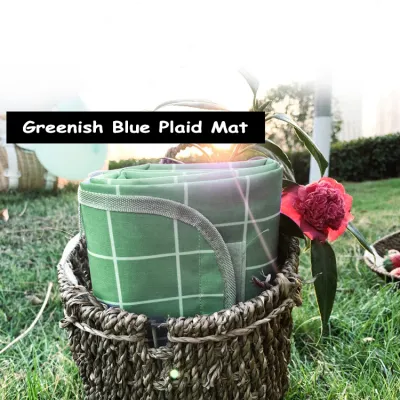
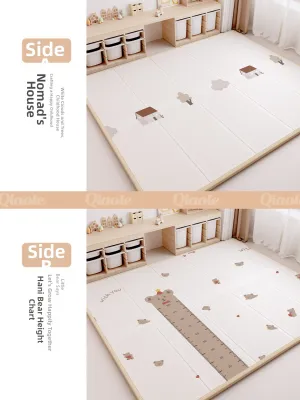
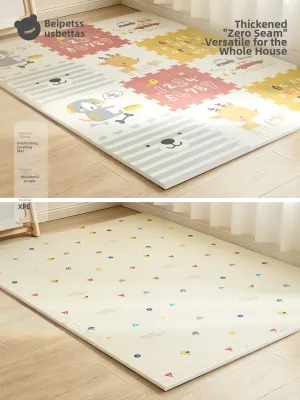
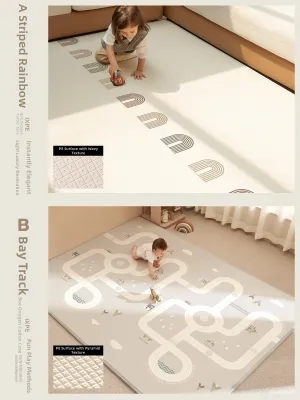
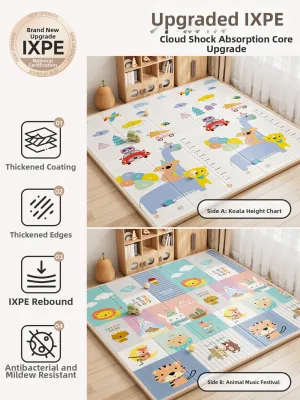
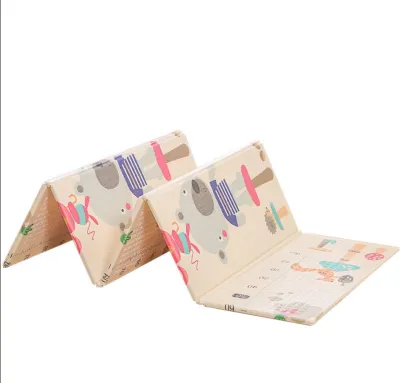
Prices are valid at publication and may change. Please refer to the product page for the latest price.
Essential Portability and Design Features
When navigating busy MRT stations, boarding buses, or packing a diaper bag, every gram and centimeter matters. A truly portable playmat must fold down into a compact shape that fits easily into standard stroller storage baskets or the boot of a compact car. Parents should measure their stroller’s under-seat basket before purchasing, as some travel mats remain surprisingly bulky even when folded, which can quickly become a hassle during transit.
The ease of folding and unfolding a mat can make or break an outing, especially when managing a squirming infant single-handedly. Look for designs that feature intuitive accordion folds or simple roll-up mechanisms that can be operated with one hand. Avoid complex folding patterns that require multiple steps, precise alignment, or excessive force, as these can become highly frustrating during sudden tropical downpours when you need to pack up quickly.
A secure carrying system is vital for keeping the play surface clean during transit and preventing it from unfolding unexpectedly. High-quality portable mats often come with integrated shoulder straps, built-in handles, or dedicated travel bags. A travel bag is particularly useful because it prevents the dirty underside of the mat—which has been in contact with park grass or public floors—from touching your other baby gear, stroller fabric, or car upholstery after a day out.
Additionally, consider the weight of the mat in relation to its folded size. A mat that is incredibly compact but surprisingly heavy can strain your shoulders during long walks. Aim for a weight that you can comfortably carry alongside your diaper bag and stroller, ensuring that the physical effort of bringing the mat along does not discourage you from using it.
Material Safety and Durability Checks
Because babies spend significant time in direct contact with the playmat, verifying material safety is the most critical step in your selection process. Parents should look for clear, independent safety certifications on product packaging or official brand websites, such as EN71 (European Toy Safety Standard) or ASTM (American Society for Testing and Materials). Avoid brands that make vague claims of being non-toxic or chemical-free without referencing recognized international testing standards that verify the absence of harmful phthalates, heavy metals, and formamide.

Outdoor environments in Singapore present unique challenges, including high humidity, damp grass, and abrasive sand. The surface of a portable mat should feature a water-resistant or waterproof coating that allows spills, sweat, and dirt to be wiped away instantly. Materials like high-density XPE foam or water-resistant TPU are excellent for resisting moisture absorption, preventing grass stains from ruining the mat, and ensuring that dampness from the ground does not seep through to your baby’s clothes.
Choosing the right thickness involves a direct trade-off between comfort and portability. Thicker mats, typically ranging from 1 cm to 1.5 cm, provide superior cushioning on hard surfaces like concrete, wooden decking, or tiled floors, which is ideal for babies learning to sit or crawl. However, this extra padding increases the overall bulk and weight, making thinner fabric-based or lightweight foam mats (around 0.5 cm) more practical for quick trips where light carrying is the priority.
Durability also extends to how the mat handles repeated cleaning and exposure to sunlight. Look for mats with reinforced edges and high-quality heat-sealed seams, as these areas are the most prone to fraying or splitting over time. A durable outer layer should resist scratching from small twigs, pebbles, or toys, ensuring the mat remains a safe and hygienic play space for years to come.
Matching the Playmat to Your Outing Scenarios
For brief outings to a nearby playground or neighborhood park, an ultra-lightweight, fast-deploying mat is highly efficient. These scenarios do not require heavy cushioning; instead, prioritize a mat that can be unfolded in seconds and offers basic water resistance to block ground dampness. A simple, thin foldable foam mat or a compact fabric mat with a water-resistant backing works perfectly for these short sessions, allowing you to set up a clean base camp with minimal effort.
When planning a full day at East Coast Park or Sentosa, your requirements shift toward durability, comfort, and environmental protection. Look for mats with thicker cushioning to protect against uneven ground, sand-resistant surfaces that can be easily shaken clean, and secure anchoring features like corner loops for ground pegs. These features prevent the mat from lifting in coastal breezes and keep sand from accumulating on the play area, ensuring a comfortable space for extended outdoor play.
Your daily mode of transport dictates the maximum practical size and weight of your playmat. Parents relying on public buses and the MRT should strictly limit mat weight and prioritize models with hands-free carrying straps or those that fit entirely inside a backpack. If you primarily travel by private car or taxi, you can afford to choose a slightly heavier, more cushioned folding mat that can live permanently in the car boot, ready for spontaneous stops.
Consider also the social settings you frequent, such as indoor playgroups or cafes. In these environments, a compact, aesthetically neutral mat that fits neatly between table legs is often preferred over a sprawling, brightly colored outdoor mat. Matching the mat’s footprint to your typical surroundings ensures you can use it comfortably without encroaching on public walkways or other patrons’ space.
Building Your Shortlist: Pre-Purchase Verification
Before finalizing your purchase on local ecommerce platforms or at physical baby boutiques, cross-reference the official specifications with verified customer feedback. Pay close attention to reviews discussing long-term durability, seam integrity, and how well the mat holds up after multiple washes or outdoor trips. Look for patterns in reviews, such as complaints about peeling outer layers, lingering chemical odors, or tearing seams, which indicate poor manufacturing quality.
A reliable brand should offer accessible customer support and, ideally, options to purchase replacement parts like travel bags or carry straps. If a strap breaks or a bag is lost, being able to buy a replacement directly from the brand prevents the entire mat from becoming inconvenient to transport. Check the brand’s official website to see if they maintain a dedicated customer service channel or local distributor for Singapore-based buyers, which can significantly simplify post-purchase support.
When purchasing from online marketplaces, always verify the seller’s return policy and the warranty terms provided. Ensure you are buying from official flagship stores or authorized distributors to guarantee that the product is genuine and covered by local consumer protection standards. A clear warranty policy provides peace of mind, especially when investing in a premium portable playmat designed to last through multiple developmental stages.
Finally, compare the ease of maintenance advertised by the manufacturer with the actual experiences of other parents. A mat that requires complex hand-washing or takes days to dry is highly impractical for busy families. Prioritize brands that offer straightforward cleaning instructions and quick-drying materials, allowing you to keep the mat clean and ready for your next outing with minimal effort.
Frequently Asked Questions (FAQ)
Can I use a standard indoor playmat for outdoor outings?
While it is physically possible to bring an indoor playmat outside, it is generally not recommended due to differences in design and materials. Standard indoor mats are often bulky, heavy, and lack the folding mechanisms or carrying straps necessary for easy transport. Furthermore, indoor mats frequently feature delicate outer covers that can be easily punctured by twigs or stained by grass and soil, leading to hygiene issues when brought back into the home.
How should I clean and store a portable playmat after outdoor use?
To maintain hygiene and prolong the lifespan of your portable playmat, always wipe down the surface with a damp cloth and mild, baby-safe soap immediately after returning home. Ensure the mat is completely dry on both sides before folding and storing it, as trapping moisture can lead to mold and mildew growth in Singapore’s humid climate. Always refer to the manufacturer’s care label for specific instructions regarding washing machine compatibility, sun exposure, and approved cleaning agents.

Community discussion
Share your experience or ask a question. Comments are reviewed before publication.