
Selecting a portable play mat for kids in Singapore requires balancing weight, folding mechanism, and material durability. While many brands claim to offer the ultimate travel solution, the right choice depends on your family’s specific outdoor habits—whether you are navigating the sandy shores of Sentosa, setting up a picnic at the Singapore Botanic Gardens, or visiting relatives in a compact HDB flat. Parents should look for mats that fold compactly enough to fit into stroller baskets or car boots, feature water-resistant surfaces that wipe clean instantly, and carry verifiable non-toxic safety certifications.
In Singapore’s warm and humid climate, outdoor gear must withstand unique environmental challenges. High humidity accelerates mold growth on damp surfaces, while sudden tropical downpours require gear that can be packed away in seconds. Furthermore, families relying on public transport like the MRT or buses need lightweight, self-containing mats that do not add unnecessary bulk to an already packed diaper bag. By focusing on physical design, material safety, and brand transparency, parents can confidently select a high-quality travel mat that keeps their little ones safe and comfortable on the go.
Key Portability Features to Look for in Travel Play Mats
The physical design of a travel play mat directly determines how often you will actually use it. A mat that is too heavy, awkward to fold, or difficult to carry will quickly be left behind in the closet. When evaluating different brands and models, the folding mechanism is the first critical feature to analyze.
Products mentioned in this guide
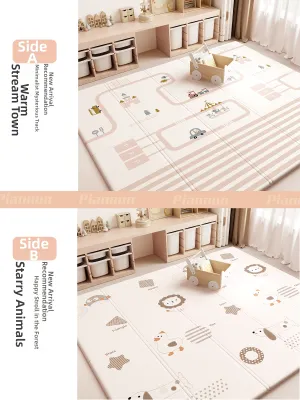
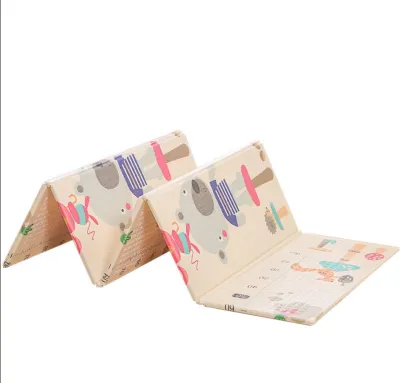
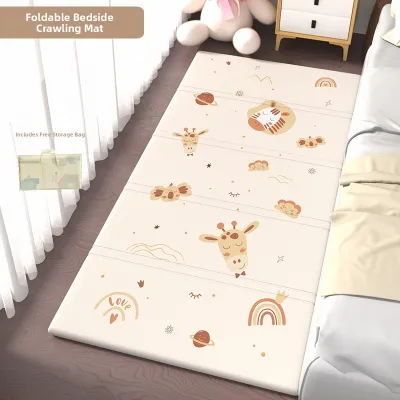
Prices are valid at publication and may change. Please refer to the product page for the latest price.
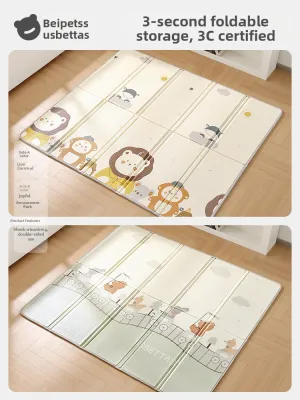
Accordion or Z-fold mats are highly popular for travel because they fold flat along pre-creased lines. This design allows the mat to compress efficiently without trapping air inside, resulting in a neat, rectangular package that slides easily into car boots or behind car seats. Accordion mats also deploy in seconds, laying flat immediately without curling at the edges.
Roll-up mats, while offering a seamless surface that is easy to wipe down, are generally less practical for on-the-go families. They tend to behave like a spring, constantly trying to unroll unless secured tightly with straps. Additionally, rolled mats form a long, cylindrical shape that rarely fits into standard stroller baskets, making them awkward to carry on public transport.
Tri-fold mats typically feature thicker cushioning, making them excellent for babies who are still mastering sitting up or crawling. However, their folded footprint remains relatively large. If you primarily travel by car, a tri-fold mat is a viable option, but for families navigating crowded shopping malls or boarding buses, the bulk can be highly inconvenient.
Weight is another crucial factor. A truly portable play mat for kids should ideally weigh between 1kg and 1.8kg. Anything heavier than 2.5kg will quickly become a physical strain when combined with a diaper bag, a stroller, and a squirming toddler. Look for mats that feature integrated carrying handles, built-in shoulder straps, or those that come with a dedicated, water-resistant travel bag. A shoulder strap is particularly valuable as it frees up both hands for managing your child and pushing a stroller.
Finally, consider the setup and pack-away speed. When a sudden rain shower hits or your toddler has a meltdown, you need to be able to pack up your gear in under thirty seconds. Test the folding process to ensure it does not require complex alignment, tucking, or fastening of multiple buckles. The most reliable travel mats can be unfolded and folded back up using only one hand while you hold your child with the other.
Choosing the Right Material and Safety Standards for Outdoor Use
Outdoor environments subject play mats to rough surfaces, moisture, dirt, and direct sunlight. The materials used in the mat’s construction must be durable enough to withstand these elements while remaining completely safe for a baby’s sensitive skin.

Polyurethane (PU) leather covers with an inner foam core (such as XPE or EPE foam) offer a premium, cushioned feel. The outer PU layer is highly water-resistant and can be wiped clean instantly with a damp cloth or baby wipe. However, PU leather can absorb heat when exposed to direct sunlight, making the surface uncomfortably warm in Singapore’s afternoon sun. If choosing a PU mat, ensure you use it in shaded areas.
Thermoplastic Polyurethane (TPU) is an increasingly popular material for modern travel mats. TPU is highly elastic, lightweight, and exceptionally durable. It offers excellent resistance to punctures from twigs or small stones, making it ideal for grass and park use. TPU is also free from harmful plasticizers and does not emit the strong chemical odors often associated with cheaper plastics.
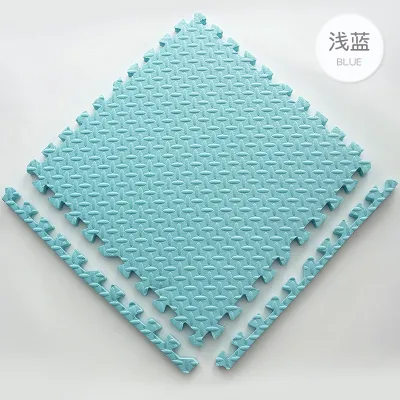
Ethylene-Vinyl Acetate (EVA) foam is commonly used in interlocking puzzle mats and budget folding mats. While EVA is extremely lightweight and affordable, interlocking tiles are highly impractical for outdoor travel. Dirt, sand, and moisture easily seep through the puzzle seams, requiring you to clean both the top and bottom of every single tile. If you prefer EVA, opt for a single-piece folding design with heat-sealed edges rather than interlocking pieces.
Safety certifications are paramount when selecting a play mat for kids. Because babies spend significant time face-down on these surfaces, the materials must be free from toxic chemicals. Parents should look for products that carry recognized international safety certifications. These include the KC (Korea Certification) mark, the EN71 European Toy Safety Standard, or ASTM International certifications. These standards verify that the mat has been tested for heavy metals, phthalates, formamide, and volatile organic compounds (VOCs).
Cushioning thickness involves a direct trade-off with portability. While a 4cm thick mat provides maximum impact protection for home use, it is far too bulky for travel. For outdoor and on-the-go use, a thickness of 1cm to 1.5cm is the ideal sweet spot. This thickness provides sufficient protection from hard ground, concrete, or damp grass while allowing the mat to fold down into a compact, travel-friendly size.
How to Evaluate Brand Reliability and Retailer Authenticity
With numerous brands available on online marketplaces and in local baby boutiques, parents must know how to distinguish high-quality, authentic products from cheap, potentially unsafe counterfeits. Evaluating brand reliability requires looking beyond marketing claims and examining warranties, seller credentials, and testing transparency.
A reliable manufacturer will stand behind their product with a clear warranty. When researching brands, check if they offer a warranty that covers manufacturing defects, such as splitting seams, peeling outer membranes, or zipper failures. A warranty of six months to a year is standard for reputable brands. Be cautious of brands that offer no warranty or classify all structural failures as “normal wear and tear.”
Verifying authorized retailers in Singapore is essential for ensuring you receive an authentic product. Many premium play mat brands have official distributors or flagship stores on major e-commerce platforms. Shopping through these official channels, or purchasing from established local mother-and-baby retail stores, guarantees that the product has undergone local safety compliance checks. Avoid purchasing from unauthorized third-party sellers offering unusually low prices, as these products may be parallel imports that lack local warranty support or safety certifications.
Brand transparency is a strong indicator of quality. Reputable brands willingly publish their safety testing reports and material compositions on their official websites. They do not rely solely on generic buzzwords like “100% safe” or “non-toxic.” Instead, they specify the exact materials used and provide downloadable PDF copies of their laboratory test results. Additionally, reliable brands maintain responsive customer support channels, making it easy to contact them if you need replacement parts, such as a new travel bag or carrying strap.
Your Pre-Purchase Checklist for Selecting a Travel Play Mat
Before making your final purchase, use this practical checklist to ensure the play mat you choose perfectly matches your family’s lifestyle and travel gear.
- Measure Your Storage Spaces: Do not guess whether a mat will fit your stroller or car. Measure the under-seat basket of your stroller, the depth of your car boot, or the interior of your favorite travel bag. Compare these measurements directly with the manufacturer's listed "folded dimensions" of the play mat.
- Inspect the Edge Binding and Seams: If shopping in a physical store, closely examine the edges of the mat. Look for reinforced, heat-sealed edges or double-stitched seams. Weak seams are the first areas to split under the stress of frequent folding, and they can trap dirt, sand, and moisture, leading to hygiene issues.
- Test the Folding Mechanism: Practice folding and unfolding the mat. If you are shopping online, look for video demonstrations showing the folding process. Ensure the mat can be packed away quickly without requiring precise, tedious alignment.
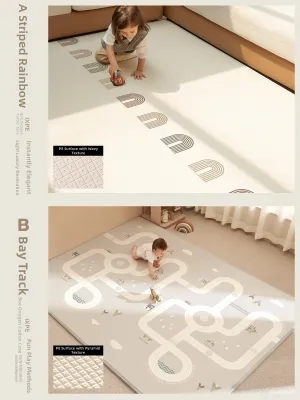
- Assess the Surface Texture: Run your hand over the mat's surface. A slight texture is beneficial as it prevents your baby from slipping when learning to crawl. However, avoid mats with deep, intricate grooves, as these crevices will trap sand, dirt, and spilled liquids, making the mat incredibly difficult to clean on the go.
- Verify the Return Policy: If purchasing online, ensure the retailer offers a flexible return policy. This allows you to inspect the mat's physical weight, thickness, and folding ease at home, ensuring it meets your expectations before you use it outdoors.
Frequently Asked Questions (FAQ)
Can I use a portable play mat directly on grass or sand?
Yes, you can use a portable play mat directly on grass or sand, provided the mat’s underside is specifically designed for outdoor use. The bottom layer must be fully waterproof and puncture-resistant to prevent dampness from seeping through and to protect the mat from sharp twigs, dry grass, or small stones.
When using a mat on sand, choose a material with a smooth, anti-static surface that does not allow sand particles to cling to it. Before folding the mat to go home, always shake off loose sand and debris. Wipe the underside down with a damp cloth or dry towel to prevent abrasive particles from scratching the play surface when the mat is compressed and folded.
How do I clean and store a travel play mat to prevent mold?
Singapore’s high humidity makes proper cleaning and storage critical for preventing mold and mildew growth. Never fold and store a play mat while it is still damp from outdoor moisture, sweat, or cleaning sprays. Trapping moisture inside a folded mat in a warm environment will lead to mold development within days.
After each outdoor use, wipe the entire mat down with a mild, baby-safe sanitising spray or soapy water. Allow the mat to air dry completely in a well-ventilated, shaded indoor area. Avoid leaving the mat in direct, harsh sunlight for extended periods to dry, as prolonged UV exposure can degrade the materials, cause colors to fade, and make plastics brittle. Once fully dry, store the mat flat or folded in a cool, dry closet away from direct sunlight.

Community discussion
Share your experience or ask a question. Comments are reviewed before publication.