
Parents in Singapore seeking the best organic peach baby food pouches must look beyond attractive packaging and focus on rigorous verification. The ideal pouch is one that matches your baby’s specific developmental stage, features a verified organic certification, contains no added sugars or unnecessary fillers, and is packaged in safe, BPA-free materials. Because product availability in local supermarkets and online marketplaces can shift, the most reliable approach is to master a clear evaluation framework. This allows you to assess any brand on the shelf, ensuring your baby receives safe, wholesome nutrition during their weaning journey.
Navigating the baby food aisle can be overwhelming with dozens of imported brands claiming to be the healthiest option. By focusing on objective criteria—such as ingredient transparency, certification authenticity, and developmental appropriateness—you can cut through marketing hype. This guide provides the practical tools and knowledge needed to evaluate organic peach pouches systematically, helping you make informed decisions that support your baby’s growth and health.
Key Criteria for Evaluating Organic Peach Pouches
Establishing a reliable framework for assessing organic peach pouches is essential for filtering options in physical stores or e-commerce platforms. The first step in this framework is verifying recognized organic certification logos. When shopping in Singapore, you will primarily encounter imported products bearing certifications such as the USDA Organic seal, the EU Organic leaf, or Australia’s NASAA Organic logo. These certifications are not mere marketing labels; they legally require farms to adhere to strict standards, including the prohibition of synthetic pesticides, chemical fertilizers, and genetically modified organisms (GMOs). Verifying these logos ensures that the peaches used in the puree were grown in soil free from harmful chemical residues.
Products mentioned in this guide
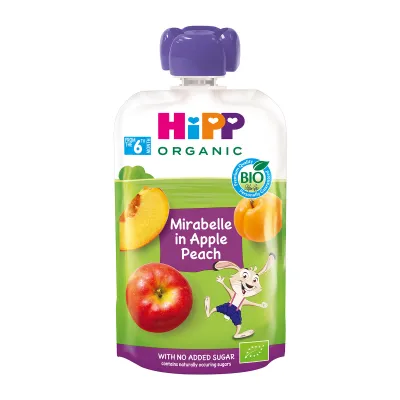
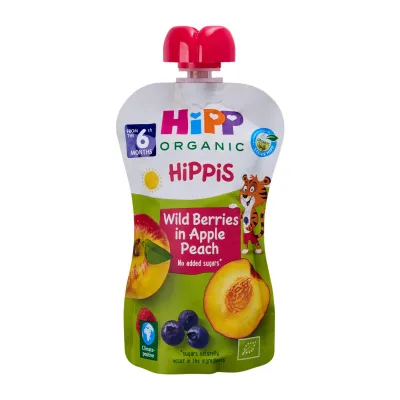
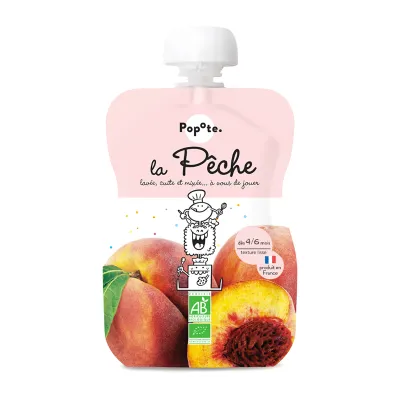
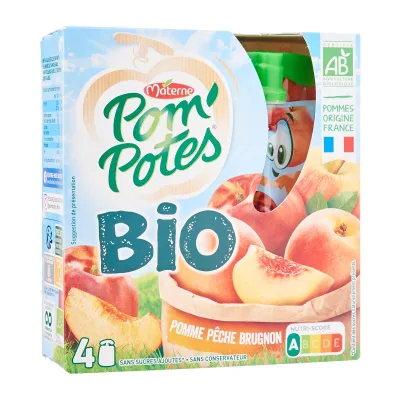
Prices are valid at publication and may change. Please refer to the product page for the latest price.
Beyond organic certification, interpreting the ingredient list is crucial for distinguishing between high-quality purees and those diluted with cheaper components. A premium organic peach pouch should list organic peach as the primary ingredient, ideally making up 100% of the fruit content. Many commercial brands blend peach with apple or pear purees to lower production costs. While these blends are not inherently harmful, they alter the nutritional profile and flavor. You should carefully examine the ingredient list to ensure you are paying for genuine peach content rather than inexpensive filler juices or artificial preservatives that extend shelf life at the expense of nutritional quality.
Matching the puree texture and ingredient complexity to your baby’s specific developmental stage is the final key criterion. For babies who are just beginning their weaning journey, typically around six months of age, a single-ingredient, completely smooth puree is necessary to test for food tolerances and allergies. As your baby develops better swallowing coordination and oral motor skills, usually around eight to ten months, you can introduce thicker, multi-ingredient blends. These advanced pouches may combine organic peach with whole grains like oats or quinoa, or other fruits and vegetables, helping to transition your baby toward more complex textures and varied flavors.
Understanding Ingredient Labels and Nutritional Value
Deeply analyzing the nutrition facts panel and ingredient list ensures that the selected pouches deliver genuine nutrition rather than empty calories. One of the most common pitfalls when choosing fruit-based baby foods is overlooking hidden sugars. Even if a package prominently displays a “no added sugar” claim, the product may contain fruit juice concentrates, such as apple or white grape juice concentrate. These concentrates are highly processed syrups that strip away the natural fiber and vitamins of the whole fruit, leaving behind concentrated fructose. This high sugar content can over-sensitize your baby’s developing palate to extreme sweetness, potentially leading to a preference for sugary foods later in life.

Evaluating nutritional synergy and actual fruit ratios is also important when peach is blended with other ingredients. Peach is naturally rich in vitamin C, which plays a vital role in supporting immune function and enhancing iron absorption. When organic peach is blended with iron-fortified grains or iron-rich vegetables like spinach, the vitamin C in the peach helps your baby’s body absorb non-heme iron more efficiently. However, you must check the ingredient order on the label; ingredients are listed by weight in descending order. If organic peach is listed near the end of a long list, the pouch may contain only a negligible amount of peach, failing to provide the targeted nutritional benefits.
Finally, you must check for clear allergen statements, cross-contamination warnings, and the presence of unnecessary fillers or thickeners. Some manufacturers add ingredients like cornstarch, rice flour, or xanthan gum to artificially thicken the puree, giving it a heavier consistency. These fillers offer little to no nutritional value and simply dilute the nutrient density of the fruit. Additionally, if your baby has known sensitivities, look for explicit labels indicating that the product was processed in a dedicated allergen-free facility, especially regarding common allergens like gluten, dairy, soy, or nuts.
Safety, Packaging, and Storage Considerations
Maintaining food safety and integrity from the point of purchase to feeding time is paramount when handling baby food pouches. Before buying any pouch, physically inspect the packaging for structural integrity. Ensure that the tamper-evident seal around the cap is completely intact and that the pouch does not feel unusually soft or bloated. You should also look for explicit manufacturer claims stating that the packaging materials are BPA-free, BPS-free, and phthalate-free. Because fruit purees are naturally acidic, they can cause harmful chemicals to leach from low-quality plastic linings into the food, making certified safe packaging non-negotiable.
Singapore’s tropical climate, characterized by high humidity and warm ambient temperatures, requires strict adherence to proper storage conditions. Unopened organic peach pouches should be stored in a cool, dry pantry away from direct sunlight and heat sources. Once a pouch is opened, its shelf life decreases dramatically. If your baby feeds directly from the pouch nozzle, saliva is introduced into the container, which can rapidly promote bacterial growth. Consequently, any leftover puree from a directly sucked pouch must be discarded. If you squeeze the puree onto a clean spoon or bowl without letting the nozzle touch any surface, you can recap the pouch immediately, store it in the refrigerator, and use it within 24 to 48 hours, depending on the manufacturer’s specific instructions.
Recognizing clear signs of spoilage is critical to preventing foodborne illness in infants. Never feed your baby from a pouch that exhibits bloating, swelling, or leaking, as these are classic indicators of active bacterial fermentation and gas production inside the sealed package. When dispensing the puree, always squeeze a small amount onto a spoon first to inspect its appearance. Look for any unusual discoloration, mold, separation of liquids, or sour, off-odors. If you detect any of these signs, or if you are in doubt about the product’s freshness, establish a strict rule to discard the compromised product immediately rather than risking your baby’s health.
Building a Shortlist: What to Look for on the Shelf
Translating evaluation criteria into a practical, actionable checklist simplifies the process of identifying qualified products during shopping trips. When browsing the shelves of local supermarkets or specialty baby stores in Singapore, keep a mental or digital checklist. This checklist should require: a verified organic certification logo, organic peach listed as the first or second ingredient, zero added sugars or fruit juice concentrates, and intact, BPA-free packaging. Having this structured approach allows you to quickly filter out products that rely on misleading marketing designs but fail to meet basic nutritional and safety standards.
In addition to the basic checklist, take the time to compare brand claims regarding peach sourcing, processing methods, and corporate transparency. Some premium brands utilize cold-pressing or high-pressure processing (HPP) instead of traditional thermal pasteurization. While thermal pasteurization effectively kills bacteria, the high heat can degrade heat-sensitive vitamins, such as vitamin C, and alter the natural flavor of the peach. Cold-pressed or HPP purees retain more of the fresh fruit’s original nutrients and taste, though they often require continuous refrigeration and have a shorter shelf life. Understanding these processing differences helps you choose a product that aligns with your nutritional priorities.
Evaluating the cost-to-volume ratio while factoring in your baby’s typical serving size is also essential for minimizing food waste and optimizing your household spending. Organic baby food pouches in Singapore generally range in price from S$3.00 to S$6.00 per pouch. To make an objective financial comparison, look at the unit price per 100 grams rather than the total package price. If your baby is in the early stages of weaning and only consumes a few teaspoons of puree per feeding, purchasing larger pouches may lead to unnecessary waste if the leftovers cannot be finished within the safe 24-to-48-hour refrigeration window. In such cases, smaller pouches or portioning the puree into sterile containers for freezing may be more economical.
Transitioning from Pouches to Whole Fruits
While organic peach pouches offer unmatched convenience for busy parents, managing pouch frequency and transitioning to solid foods is vital for your baby’s long-term development. Prolonged, exclusive reliance on pureed formats can negatively impact oral motor development. Sucking food from a nozzle bypasses the natural chewing process, which is essential for strengthening the jaw, tongue, and cheek muscles. These muscles are not only critical for chewing solid foods safely but also play a foundational role in speech development. Furthermore, exclusive pouch feeding limits your baby’s sensory exposure to the diverse textures, shapes, and temperatures of whole foods, which can contribute to picky eating habits later on.
To prevent over-reliance on purees, you should plan clear strategies for combining pouch purees with fresh, whole fruits. You can use organic peach puree as a transition tool by mixing a spoonful of it into textured foods, such as mashed organic bananas, warm oatmeal, or plain unsweetened yogurt. This introduces a familiar flavor while gradually increasing the texture complexity. As your baby develops a stronger pincer grasp and shows readiness for finger foods, you can transition to serving very soft, ripe, peeled fresh peach chunks or thinly sliced steamed peaches. This allows your baby to explore the physical properties of the fruit, encouraging self-feeding and sensory exploration.
It is important to define clear conditions for when to pause pouch use or seek professional guidance. If your baby consistently refuses any food that requires chewing, gags excessively when introduced to soft textures, or shows a strong aversion to eating from a spoon, it may be time to scale back on pouch purees. Every baby develops at their own pace, but persistent feeding difficulties should not be ignored. If you experience ongoing challenges during the weaning process, consult a pediatrician or a registered pediatric dietitian. These professionals can evaluate your baby’s oral motor skills, assess their nutritional intake, and help you design a customized, safe weaning plan that supports a healthy transition to family meals.
Frequently Asked Questions (FAQ)
Can babies be allergic to peaches in pouches?
Yes, babies can develop allergies to peaches, even when they are organic and pureed. While peach is not among the most common high-risk allergens, it can still trigger allergic reactions, including skin rashes, hives, vomiting, or Oral Allergy Syndrome (OAS), which typically presents as itching or swelling around the mouth. When introducing peach puree for the first time, start with a very small amount—such as one teaspoon—of a single-ingredient pouch. Monitor your baby closely for three to five days without introducing any other new foods. If you observe any signs of an allergic reaction, such as swelling, difficulty breathing, or a sudden rash, stop feeding the puree immediately and consult a healthcare professional.
Is it safe to freeze leftover peach puree from a pouch?
It is only safe to freeze leftover peach puree if your baby has not fed directly from the pouch nozzle. Saliva contains bacteria and digestive enzymes that quickly contaminate the food and accelerate spoilage. If you plan to freeze a portion of the puree, squeeze the desired amount directly from the pouch onto a clean spoon or into a sterile bowl before feeding. You can then squeeze the remaining untouched puree from the pouch into a clean, food-grade silicone ice cube tray, cover it tightly to prevent freezer burn, and place it in the freezer. Use these frozen puree cubes within one to three months, and never refreeze thawed leftovers.
How do I verify if a brand's organic claim is legitimate?
To verify if a brand’s organic claim is legitimate, inspect the product packaging for an official certifying body’s logo, such as the USDA Organic seal, the EU Organic leaf, or Australia’s NASAA Organic logo. Legitimate organic products will also display a certification code or the name of the certifying agency near the ingredient list. You can cross-reference these details by visiting the official database or website of the respective certifying body to confirm that the manufacturer’s certification is active and valid. If a product claims to be organic but lacks a recognized logo or certification code, you should treat the claim with caution.

Community discussion
Share your experience or ask a question. Comments are reviewed before publication.