
Selecting the right dry yogurt snacks for your baby in Singapore involves balancing nutritional value, developmental readiness, and food safety. Dry yogurt, commonly known as freeze-dried yogurt drops, has become a popular snack choice for parents seeking convenient, mess-free options. However, with numerous brands lining the shelves of local supermarkets and baby specialty stores, identifying which options are truly suitable for your child’s specific developmental stage requires a careful look at ingredient lists, manufacturing standards, and physical textures. Rather than relying on brand popularity alone, parents must evaluate how these snacks are processed, what ingredients they contain, and how safely they dissolve.
To make an informed decision, you need to understand the physical properties of freeze-dried foods, recognize the signs that your baby is ready for this texture, and know how to verify the safety of products imported into Singapore. This guide provides a comprehensive framework to help you navigate the baby food aisle, decode product labels, and establish safe feeding practices at home.
Understanding Dry Yogurt for Babies and Developmental Readiness
Dry yogurt snacks are produced through a specialized preservation process known as freeze-drying, or lyophilization. Unlike standard dehydration, which uses heat to evaporate moisture and often results in a chewy, tough texture, freeze-drying involves freezing the yogurt and then placing it under a vacuum. This process sublimates the water content directly from ice to vapor, preserving the original cellular structure, shape, and nutritional components of the yogurt. The result is a light, airy, and porous snack that is designed to dissolve quickly when it comes into contact with moisture, such as a baby’s saliva.
Products mentioned in this guide
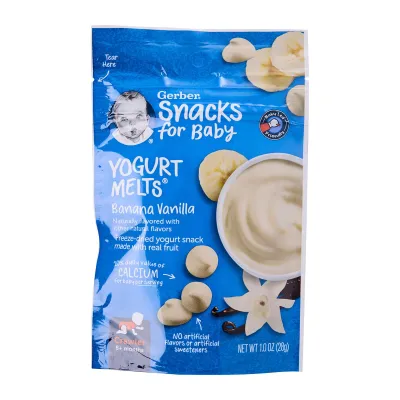
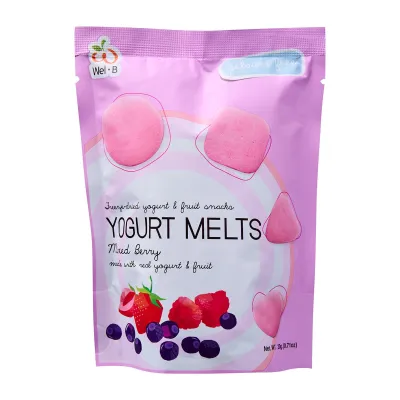
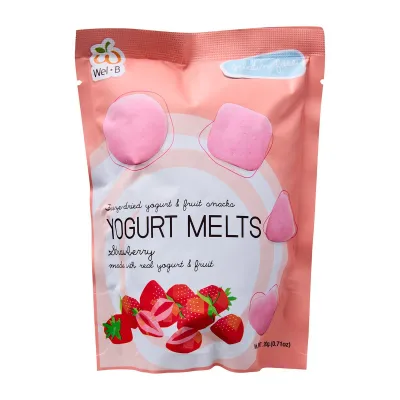
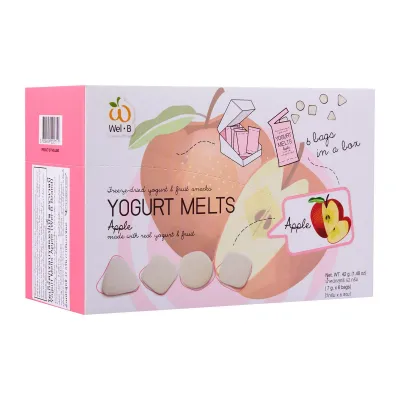
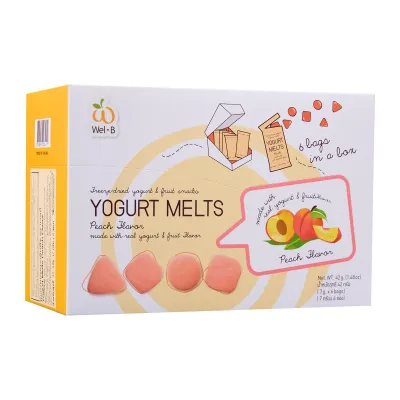
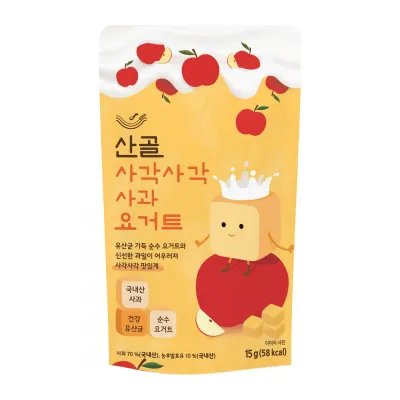
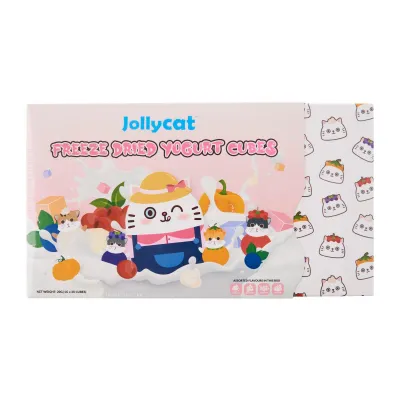
Prices are valid at publication and may change. Please refer to the product page for the latest price.
Before introducing dry yogurt to your baby’s diet, it is essential to assess their developmental readiness rather than relying solely on the age recommendations printed on product packaging. Most babies are physically capable of handling freeze-dried snacks around eight to ten months of age, but individual development varies. Key signs of readiness include the ability to sit upright in a high chair completely unassisted, maintaining good head and neck control. Your baby should also demonstrate the pincer grasp, which is the ability to pick up small objects using the thumb and index finger, and show a keen interest in self-feeding.
Furthermore, your baby must have transitioned past the early infant extrusion reflex, where the tongue automatically pushes solid objects out of the mouth. They should be actively making chewing or mashing motions with their gums when offered textured foods. Because introducing new food categories can carry risks of allergic reactions or digestive adjustments, always consult a pediatrician or a qualified pediatric dietitian before adding dry yogurt to your baby’s feeding schedule.
Key Criteria for Evaluating Baby Dry Yogurt Brands
When comparing different dry yogurt brands available in Singapore, the nutritional profile should be your primary consideration. High-quality options should retain a significant portion of the calcium and protein naturally found in fresh yogurt, which are vital for your baby’s bone development and muscle growth. Check the nutrition information panel to compare these values across brands. Additionally, look for products that guarantee the presence of live and active cultures. While the freeze-drying process renders these beneficial probiotic bacteria dormant, they reactivate upon rehydration in the mouth, contributing positively to your baby’s developing gut microbiome.

Sugar content is another critical differentiator that requires close inspection. While milk naturally contains lactose, many commercial brands add cane sugar, fruit juice concentrates, or syrups to enhance the flavor of their yogurt drops. To support healthy dietary habits and protect emerging primary teeth, prioritize brands that contain minimal or no added sugars. Compare the total sugar content per serving on the nutrition label, and cross-reference this with the ingredient list to ensure the sweetness comes primarily from natural dairy and whole fruit purees rather than refined sweeteners.
The physical texture and melt-in-mouth properties of the yogurt drops are paramount for safety. A safe dry yogurt drop must dissolve rapidly on the tongue without requiring active biting or chewing. If a drop remains hard, gummy, or sticky after being exposed to moisture, it poses a significant choking hazard. Parents should always test a sample from every new pouch themselves: place a drop on your tongue and verify that it melts away smoothly within seconds without leaving any hard clumps.
Finally, evaluate the quality of the product packaging. Freeze-dried foods are highly hygroscopic, meaning they rapidly absorb moisture from the surrounding air. In Singapore’s humid climate, exposure to air can quickly turn a crispy, safe yogurt drop into a soft, rubbery hazard. Look for brands that package their snacks in high-barrier, multi-layer foil pouches equipped with robust, airtight resealable zippers to maintain freshness and structural integrity after opening.
Reading the Label: Ingredients to Embrace and Avoid
Decoding the ingredient list on a package of dry yogurt is the most reliable way to ensure you are purchasing a wholesome product. Start by identifying the base ingredient: look for brands that use whole milk or full-cream milk rather than skimmed or low-fat milk. Dietary fats are essential for infants and toddlers under two years of age, as they support rapid brain development, nervous system function, and the absorption of fat-soluble vitamins. Unless specifically advised otherwise by your pediatrician, whole-milk-based yogurt drops are the preferred choice.
Carefully scan the label to identify and avoid unnecessary additives. Steer clear of products containing artificial flavors, synthetic colors, chemical preservatives, or modified food starches, which are often used as cheap fillers to mimic a creamy texture. The ingredient list should be short, simple, and composed of recognizable whole foods, such as whole milk yogurt, fruit purees, and live cultures. Be particularly cautious of hidden sugars disguised under names like maltodextrin, anhydrous dextrose, or concentrated apple juice, which are frequently added to appeal to a child’s sweet tooth but offer little nutritional value.
Allergen transparency is critical when selecting any baby food. Because dry yogurt is a dairy product, it naturally contains milk, which is a common allergen. The packaging must feature a clear allergen declaration. If your baby has a known sensitivity or a family history of allergies, check for precautionary statements regarding cross-contamination, such as warnings that the product was manufactured in a facility that also processes gluten, soy, peanuts, or tree nuts.
Many premium brands highlight organic or grass-fed claims on their packaging. While these labels indicate that the ingredients were sourced from farms adhering to specific environmental and agricultural standards, they do not automatically guarantee a low-sugar or nutritionally superior product. Always verify organic claims by looking for recognized certification logos, such as the USDA Organic or EU Organic seals, but remember to prioritize the actual nutritional breakdown and ingredient simplicity over marketing claims.
Where to Find and Verify Reliable Brands in Singapore
To ensure the safety and authenticity of the baby food you purchase, source dry yogurt exclusively from reputable retail channels in Singapore. Established local supermarkets, department stores, and specialized baby boutiques maintain strict quality control and proper storage conditions. While online shopping offers convenience, avoid purchasing baby food from unauthorized third-party sellers or parallel importers on general e-commerce platforms. These products may have been subjected to improper temperature and humidity control during transit or warehousing, which can compromise both the safety of the food and the delicate texture of the freeze-dried drops.
Before buying, verify that the product complies with local food safety regulations. Legally imported baby food in Singapore must feature a clear importer label on the packaging, detailing the name and contact information of the local distributor. You can also monitor the Singapore Food Agency (SFA) website for any active food recalls, safety alerts, or import restrictions related to baby food brands. Checking these official resources ensures you do not inadvertently purchase a batch that has been flagged for quality issues.
When comparing prices, which typically range from S$6 to S$12 per pouch depending on the brand and organic certification, calculate the cost per 10 grams rather than comparing the flat price per bag. Packaging sizes vary widely, and this calculation helps you identify the true value of the product. While premium organic brands often carry a higher price tag, the investment is often justified by cleaner ingredient profiles and superior packaging that protects the product from humidity.
Always perform a physical inspection of the packaging before purchasing. Ensure the pouch is completely sealed, with no punctures, tears, or signs of swelling, which could indicate bacterial contamination or air leakage. Check the expiration date carefully; although freeze-dried products generally have a long shelf life, you should avoid buying items that are close to their expiry date, as the texture may have degraded over time.
Safe Feeding Practices and Choking Prevention
Serving dry yogurt safely requires active care and adherence to proper feeding practices. Never leave your baby unattended while they are eating; active adult supervision is mandatory during all snack times. Ensure your baby is seated completely upright in a high chair or a secure booster seat. Do not offer dry yogurt drops while your baby is lying down, crawling, walking, playing, or riding in a moving stroller or car seat, as sudden movements or an improper posture significantly increase the risk of accidental inhalation and choking.
Manage serving sizes carefully to prevent your baby from putting too many drops into their mouth at once. Offer only one drop at a time, allowing your baby to fully dissolve and swallow it before offering another. If you notice that the drops in a newly opened package are larger than usual, or if your baby is still adjusting to self-feeding, use clean fingers to break the drops into smaller, bite-sized pieces before serving.
It is vital for parents and caregivers to understand the physiological difference between normal gagging and actual choking. Gagging is a loud, active, and normal reflex that helps babies navigate solids; it involves coughing, sputtering, or retching as they push food forward in their mouths. Choking, conversely, is a silent and life-threatening emergency where the airway is partially or fully blocked. A choking baby will be unable to cry, cough, breathe, or make sound, and their skin or lips may begin to turn blue. All caregivers should undergo formal training in infant CPR and choking first aid to ensure they can respond correctly in an emergency.
Proper storage is essential to keep dry yogurt safe and crispy. Because Singapore experiences high relative humidity year-round, freeze-dried drops will begin to absorb moisture and soften within minutes of being exposed to the air. Always squeeze any excess air out of the pouch and seal the zip lock tightly immediately after dispensing a portion. For optimal protection, place the sealed pouch inside an airtight glass or plastic container and store it in a cool, dry pantry away from direct sunlight. Never refrigerate dry yogurt, as the temperature change when opening the cold container introduces condensation, ruining the texture and making the drops sticky and unsafe to consume.
Frequently Asked Questions (FAQ)
Can babies with lactose intolerance eat dry yogurt?
Standard dry yogurt is made from cow’s milk and contains lactose, making it unsuitable for babies with a diagnosed dairy allergy or severe lactose intolerance. While the fermentation process used to make yogurt breaks down some lactose into lactic acid, residual lactose remains in the final freeze-dried product. If your baby has a confirmed sensitivity to dairy, you should avoid conventional dry yogurt and look for certified dairy-free, plant-based alternatives, such as those made from coconut milk. Always consult your pediatrician before introducing any dairy alternatives to ensure they meet your baby’s nutritional needs.
How should I store dry yogurt to keep it crispy and safe?
To maintain the rapid-dissolve texture that prevents choking, store dry yogurt in its original multi-layer foil pouch, ensuring the airtight zip lock is completely sealed after each use. In Singapore’s humid climate, it is highly recommended to place the sealed pouch inside an additional airtight container, such as a glass jar or a plastic lock-top box, and keep it in a cool, dark pantry. Do not store dry yogurt in the refrigerator, as the cold environment creates condensation when the package is opened at room temperature, causing the drops to turn sticky and rubbery. Always test the texture of a drop yourself before serving it to your baby.
Is dry yogurt a suitable replacement for fresh yogurt?
Dry yogurt should be treated as an occasional, convenient snack rather than a direct replacement for fresh yogurt. While freeze-drying preserves essential nutrients like calcium and protein, fresh yogurt offers superior hydration, a smooth texture that is easier for younger infants to swallow, and a higher concentration of active, viable probiotics. Fresh yogurt also lacks the added starches or binders sometimes used to shape freeze-dried drops and serves as an excellent base for introducing fresh fruit purees. Use dry yogurt primarily for on-the-go convenience and to help your baby practice their pincer grasp.

Community discussion
Share your experience or ask a question. Comments are reviewed before publication.