
Finding the ideal disposable pad for a baby changing table in Singapore requires balancing reliable moisture protection, skin safety, and a secure physical fit. In a warm and humid climate, diaper changes occur frequently, making hygiene and moisture control top priorities for parents. While reusable covers are common, a disposable pad acts as a practical, sanitary shield that protects the changing table mattress from sudden leaks, spills, and stains. Choosing the right option involves verifying the dimensions of your changing table, assessing the pad’s absorbent layers, and ensuring the materials are gentle on your baby’s delicate skin.
Rather than relying on brand names alone, the most effective approach is to evaluate the structural specifications of the pads against your daily nursery routine. A well-fitting pad prevents messy cleanups and minimizes the time spent scrubbing down the changing area. By focusing on material composition, adhesive features, and size compatibility, you can establish a clean, comfortable, and efficient diaper-changing setup that supports your baby’s developmental stages from infancy through toddlerhood.
Key Features to Evaluate When Selecting a Disposable Pad
An effective disposable pad must perform reliably under pressure, which means its internal structure is just as important as its surface texture. The primary function of the pad is to absorb liquid quickly and lock it away from your baby’s skin. When evaluating different options, look closely at the construction of the absorbent core. High-quality pads typically feature a multi-layered design, often utilizing superabsorbent polymers or dense wood pulp layers that draw moisture downward and distribute it evenly. This prevents pooling, which can cause discomfort and skin irritation during a change.
Products mentioned in this guide
![[SG Seller]Disposable Sheet/baby changing pad/Underpads/maternity pad/diaper changing pad/Pet pad/diaper changing pad](https://img.lazcdn.com/g/p/98b6308018da96ec0e340934b88f4b41.png_400x400q80.png_.webp)
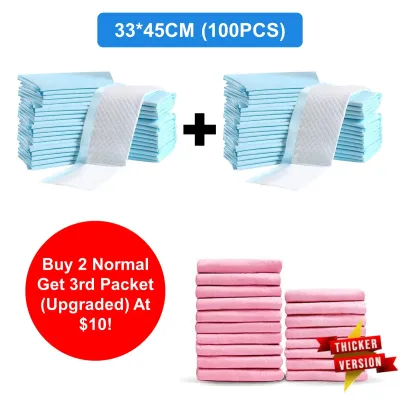
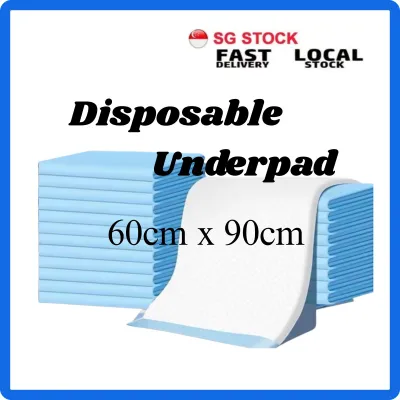
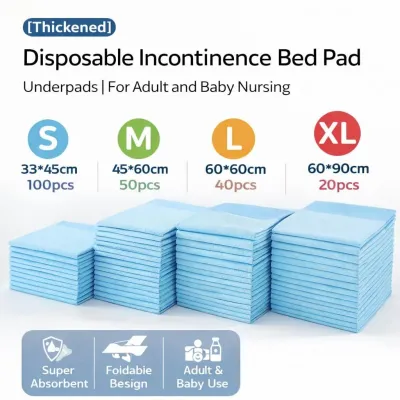
Prices are valid at publication and may change. Please refer to the product page for the latest price.
The bottom layer of the pad serves as the final barrier between moisture and your changing table. This backing must be completely leak-proof, usually made from a thin, water-resistant plastic or laminate material. A reliable backing ensures that even major leaks do not seep through to the fabric or foam of the changing table mattress underneath. In a humid environment, trapped moisture can quickly lead to mold or mildew growth on wooden changing tables or fabric covers, making a dependable waterproof barrier essential for long-term nursery hygiene.
While the backing keeps moisture in, the top sheet must remain exceptionally soft and breathable. Your baby’s skin is thin and highly sensitive, particularly in the diaper area where friction and moisture can trigger rashes. Look for top sheets made from non-woven fabrics that feel gentle to the touch and do not trap heat. Breathability is especially important in tropical climates, as a stuffy, non-breathable pad can cause your baby to sweat and become fussy during diaper changes.
Finally, consider the overall thickness and cushioning of the pad. While a disposable pad is not meant to replace the primary padding of your changing table mattress, a slightly thicker pad offers a softer surface for your baby’s head and back. This extra cushioning can make a noticeable difference when placing your baby down on a firm wooden or plastic changing table. However, ensure the thickness does not compromise the pad’s ability to lie flat or fold easily for storage and travel.
Sizing and Fit for Standard Changing Tables
To ensure safety and cleanliness, a disposable pad must fit the dimensions of your changing table mattress precisely. A pad that is too small leaves vulnerable areas of the table exposed to leaks, while a pad that is too large can bunch up, creating uneven surfaces and tripping hazards for active babies. Before purchasing any pads, use a measuring tape to determine the exact length and width of your changing table’s flat usable surface. Most standard changing tables accommodate pads around 50 by 70 centimeters, but dimensions can vary significantly between European, American, and Asian furniture brands.

If you use a contoured changing table—which features raised curved edges to help keep your baby centered—measuring becomes even more critical. You need to measure the flat inner valley of the contour rather than the total outer width of the table. The disposable pad should lie flat within this central valley without riding up the curved sides. If the pad climbs the edges, it can easily slide or shift when your baby moves, reducing its protective coverage and potentially causing your baby to lose traction.
Beyond basic dimensions, evaluate how the pad secures itself to the changing table surface. Many disposable pads feature integrated adhesive strips on the underside. These strips are designed to grip the changing table cover gently, preventing the pad from shifting as your baby kicks or rolls. If you choose pads without adhesive backing, look for options with textured, non-slip bottom surfaces that naturally resist sliding on smooth vinyl or fabric mattress covers.
Always check the manufacturer’s packaging for precise product dimensions before buying. Do not rely on generic size labels like “medium” or “large,” as these terms are not standardized across different brands. Keeping a small note of your changing table’s exact measurements on your phone makes it easy to verify compatibility whether you are browsing online marketplaces or shopping in physical baby boutiques.
Hygiene, Safety, and Material Considerations
Protecting your baby’s skin requires a careful review of the chemical and material composition of any disposable pad. Because the pad comes into direct contact with sensitive areas, prioritizing hypoallergenic and fragrance-free options is highly recommended. Fragrances and artificial scents are common triggers for contact dermatitis and infant eczema. Look for clear product labels indicating that the pads are free from chlorine, latex, phthalates, and synthetic dyes, which minimizes the risk of allergic reactions during daily use.
Caregivers should also verify any dermatological testing claims printed on the packaging. While terms like “dermatologically tested” are helpful indicators, it is wise to check if the product adheres to recognized international safety standards or has undergone independent laboratory evaluations. This step is particularly important for newborns, whose skin barriers are still developing and are highly susceptible to chemical absorption and environmental irritants.
Maintaining a sanitary changing environment also involves proper disposal habits. Used disposable pads should be rolled up tightly with the soiled side facing inward and disposed of immediately in a closed diaper bin. Leaving soiled pads on the changing table or floor compromises nursery hygiene and can attract pests. Additionally, always store unused disposable pads in their original sealed packaging, completely out of reach of infants and toddlers. Loose plastic backings and lightweight pads pose a serious suffocation hazard if a baby pulls them over their face.
Supervision is the most critical safety element during any diaper change. A disposable pad, even one with excellent adhesive strips, does not prevent a baby from rolling or sliding off a raised changing table. Never leave your baby unattended on the changing table for even a second, regardless of their age or physical development. Keep all clean diapers, wipes, creams, and fresh disposable pads within arm’s reach before you place your baby on the table, ensuring you can keep at least one hand on your child at all times.
Building Your Shortlist: Shopping and Evaluation Strategy
Creating a practical shortlist of disposable pads involves balancing performance, convenience, and ongoing household expenses. Because diaper changes occur multiple times a day, the cost of disposable items can accumulate rapidly. To manage your budget effectively, calculate the cost per unit rather than comparing total package prices. For example, divide the price of a pack by the number of pads inside to find the individual cost in S$. This allows you to make an objective financial comparison between bulk packs and smaller quantities.
When browsing online marketplaces or local baby stores, cross-reference the manufacturer’s specifications with verified buyer reviews. Pay close attention to feedback regarding how well the pads hold up against heavy wetness and whether the adhesive strips leave sticky residue on changing table covers. Real-world feedback from other parents can provide valuable insights into how the pads perform in local humidity levels and whether the sizing matches standard local changing table models.
Before committing to a large bulk purchase, it is highly advisable to buy a single, smaller trial pack. This trial period allows you to test the pad’s actual absorbency, check for any skin sensitivity or redness on your baby, and verify that the pad fits your specific changing table setup. If the pad slides too much or causes the slightest skin irritation, you can easily switch to an alternative option without wasting a large inventory of products.
Finally, consider the storage and portability of the pads. A good disposable pad should be easy to fold compactly, allowing you to slip a few into your diaper bag for outings, travel, or visits to family members. Having a versatile pad that transitions seamlessly from your home changing table to public changing stations ensures consistent hygiene and comfort for your baby wherever you go.
Frequently Asked Questions (FAQ)
Can I use a rectangular disposable pad on a contoured changing table?
Yes, you can use a rectangular disposable pad on a contoured changing table, provided the pad’s dimensions fit within the flat center valley of the mattress. To ensure safety, the pad must not climb up the curved or raised sides of the contour, as this can cause the pad to bunch up, slide, or create an uneven surface. Always measure the flat interior width of your contoured table before purchasing. If the rectangular pad is slightly too wide, do not fold the edges upward along the contours, as this reduces stability; instead, look for a smaller size that rests completely flat in the center.
How do I keep the disposable pad from sliding during a diaper change?
The most reliable way to prevent sliding is to choose disposable pads that feature built-in adhesive tabs on the back, which secure the pad directly to your changing table cover. If your preferred pads do not have adhesive, you can place a non-slip silicone mat or a textured drawer liner underneath the disposable pad to add friction. Avoid using household tapes or heavy industrial adhesives, as these can leave sticky residues that damage vinyl or fabric mattress covers. Always rely on your physical supervision and keep one hand on your baby to ensure they remain safe and secure during the change.

Community discussion
Share your experience or ask a question. Comments are reviewed before publication.