
Finding the ideal caddy organizer for your diaper bag in Singapore depends heavily on your daily parenting routine, the specific dimensions of your bag, and the volume of baby essentials you need to carry. While many brands offer stylish designs, the most practical option is one that seamlessly integrates into your existing gear without adding unnecessary bulk. A well-chosen organizer transforms a chaotic, deep bag into a structured system where diapers, wipes, and bottles are instantly accessible.
To make the right choice, it helps to establish a clear decision framework based on your primary diaper bag style. If you carry a wide, structured tote, a rigid caddy with firm walls will help maintain the bag’s shape and keep items upright. For those who prefer diaper backpacks, a flexible, collapsible organizer is far more practical, as it can conform to the curved contours of the pack. Regardless of the style, prioritizing wipe-clean, water-resistant materials is essential for managing the inevitable spills of daily parenting life. Rather than searching for a single universal winner, focusing on compatibility and material durability will lead you to the perfect brand for your family’s needs.
Key Features to Compare Across Caddy Organizer Brands
When comparing different caddy organizer brands, the internal compartment layout should be your first consideration. Look for organizers that feature dedicated, elasticated bottle loops or insulated pockets to keep milk or water bottles upright and at the desired temperature. Quick-access outer pockets are incredibly useful for storing items you need to grab in a split second, such as wet wipes, pacifiers, or soothing creams. Some brands also include shallow, zippered compartments that prevent tiny essentials like nail clippers, safety pins, or teething gels from sinking to the bottom of the organizer.
Products mentioned in this guide
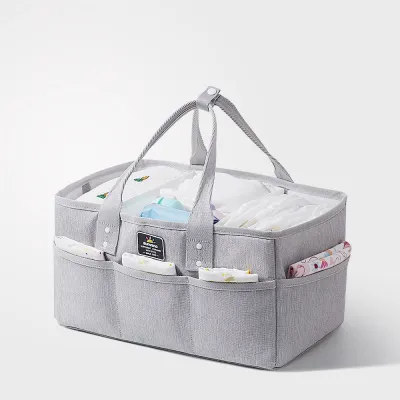
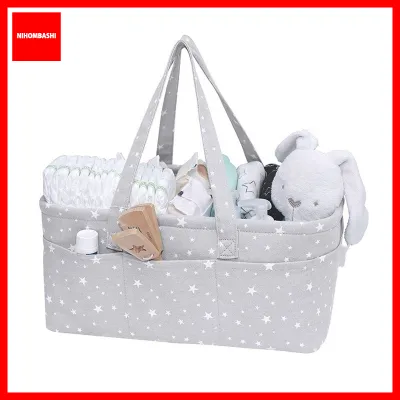
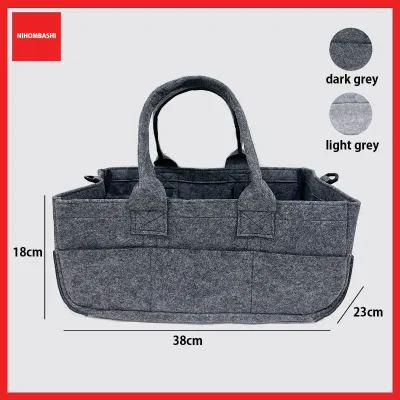
![[Local Shop] Baby Diaper Caddy Organizer Nursery Room Storage Bag](https://img.lazcdn.com/g/p/97b826d1268580040c9334c054e0a4ad.jpg_400x400q80.jpg_.webp)
Prices are valid at publication and may change. Please refer to the product page for the latest price.
Material specifications play a critical role in how well a caddy holds up to daily wear and tear. High-quality brands typically utilize water-resistant polyester, coated canvas, or premium felt that resists fraying. Pay close attention to the inner lining; a wipeable lining made of thermoplastic polyurethane (TPU) or laminated cotton allows you to clean up leaked formula or diaper cream with a simple damp cloth. Avoid brands that use thin, non-woven fabrics that absorb liquids and are prone to tearing at the seams after only a few weeks of use.
Portability features can greatly expand the utility of your caddy organizer. Many parents appreciate brands that design their caddies with detachable carry handles or wristlets, allowing you to lift the entire organizer out of your diaper bag to use as a standalone bedside station or a car organizer. Foldable or collapsible designs are also highly beneficial, as they allow you to store the caddy flat when it is not in use, saving valuable storage space in your home.
Finally, always check the manufacturer’s specifications for both the empty weight of the caddy and its recommended weight limit. Carrying a baby around Singapore’s bustling shopping malls or parks is physically demanding, and you do not want an organizer that adds significant weight before you even pack your baby gear. A lightweight yet structurally sound caddy ensures that your diaper bag remains comfortable to carry on long outings.
Matching Caddy Designs to Your Diaper Bag Size and Style
Achieving a perfect fit requires matching the structural design of the caddy to the specific style of your diaper bag. Rigid, structured caddies—often made of thick felt or reinforced polyester—are ideal for large, open tote bags. These caddies act as an internal skeleton, preventing the tote from collapsing inward and making it easy to see all your items at a glance. Conversely, if you use a diaper backpack, a flexible or semi-structured organizer is a much better fit. Flexible caddies can bend slightly to accommodate the curved top of a backpack, allowing you to maximize the vertical space without stretching the bag’s zippers.

Before making a purchase, it is essential to measure the interior dimensions of your diaper bag rather than relying on visual estimates. Empty your diaper bag completely and use a measuring tape to record the internal width, depth, and height. Compare these measurements directly against the exterior dimensions listed by the caddy brand. As a general rule, aim to leave at least 1 to 2 centimeters of clearance on all sides. This small buffer ensures that you can slide the organizer in and out smoothly without snagging the bag’s inner lining or struggling during a quick diaper change.
You will also need to decide between modular caddies and single-unit organizers. Modular caddies feature removable dividers, usually secured with hook-and-loop strips, which allow you to customize the interior layout. This flexibility is highly advantageous as your baby grows; you can easily reconfigure the space from holding tiny newborn diapers and bottles to accommodating larger toddler pull-ups, snack cups, and toys. Single-unit organizers, on the other hand, feature fixed, stitched compartments. While they offer less customization, they tend to provide superior structural stability and prevent smaller items from slipping underneath the dividers.
As you plan your setup, keep the combined weight of your gear in mind to protect your physical comfort. A fully packed diaper bag, complete with a caddy, diapers, wipes, spare clothes, bottles, and personal items, can quickly become heavy. Opting for a caddy made from lightweight materials helps keep the overall load manageable, reducing the risk of shoulder and back strain during daily commutes or weekend strolls.
Evaluating Brand Quality and Reliability for Baby Gear
With numerous brands available online, evaluating quality requires looking beyond attractive patterns and marketing claims. Start by checking the manufacturer’s specifications for material safety certifications. Because babies frequently touch nearby items and may even chew on the edges of accessible bags, verify that the caddy is made from non-toxic, BPA-free, and phthalate-free materials. Reputable brands will clearly state these safety standards in their product descriptions or user manuals, giving you peace of mind regarding chemical exposure.
Customer reviews are an invaluable resource for assessing long-term durability, but they must be analyzed carefully. When browsing online marketplaces or brand websites, filter the reviews to look for specific feedback on zipper durability, seam strength, and fabric wear. Pay attention to comments mentioning whether the stitching holds up under the weight of full bottles, or if the zippers glide smoothly when operated with one hand. A pattern of complaints about splitting seams or stuck zippers is a clear indicator to look at alternative brands.
It is also wise to compare the warranty terms and defect replacement policies offered by different manufacturers. Reliable baby gear brands often stand behind their products with a limited warranty that covers manufacturing defects, such as broken snaps or hardware failures, within a specified period after purchase. Understanding the process for claiming a replacement or refund before you buy can save you significant hassle if you receive a defective item.
Finally, learn to identify common red flags in product listings that suggest substandard quality. Be cautious of listings that omit detailed dimensions, use vague descriptions like “durable fabric” without specifying the exact material composition, or display heavily edited stock photos instead of real-life product angles. A lack of transparent product information often points to low-quality manufacturing, making it safer to choose a brand that provides comprehensive, clear specifications.
Where to Shop and What to Verify Before Checkout
To ensure you receive an authentic, high-quality product, always purchase your caddy organizer from reputable retail channels. Buying directly from official brand websites, authorized physical baby boutiques in Singapore, or verified flagship stores on major e-commerce platforms protects you from counterfeit goods. These authorized sellers are also more likely to honor manufacturer warranties and provide reliable customer support if you encounter any issues with your purchase.
Before proceeding to checkout, take a moment to verify the current stock status and estimated shipping times. If you are purchasing the caddy in preparation for a newborn’s arrival, ensure that the delivery window aligns with your timeline, especially if the item is shipping from an overseas warehouse. Additionally, review the retailer’s return policy carefully; because diaper caddies are hygiene-related baby products, some sellers may restrict returns or exchanges once the original packaging has been opened.
Always double-check the final checkout price to ensure it is displayed in S$ and includes all relevant costs. Be mindful of potential hidden fees, such as international shipping charges, local delivery surcharges, or processing fees that may only appear at the final stage of the transaction. Verifying the total cost upfront prevents unexpected expenses and helps you stay within your baby gear budget.
Once your purchase is complete, save all digital receipts, order confirmation emails, and tax invoices in a dedicated folder. Having these documents readily accessible is essential if you ever need to contact customer service, initiate a return, or make a warranty claim for a manufacturing defect. Keeping a clean paper trail ensures a smooth, stress-free resolution to any post-purchase issues.
Frequently Asked Questions (FAQ)
Can I use a regular household storage caddy instead of a branded diaper caddy?
While a regular household storage caddy can hold baby items, it often lacks the specialized features that make a diaper caddy safe and practical. Household caddies rarely include insulated bottle loops, secure wipe dispensers, or soft, padded compartments designed to protect delicate baby gear. Furthermore, generic storage bins may have sharp plastic edges or be made from materials that have not been certified as baby-safe. A generic caddy might suffice for short trips with an older toddler who requires fewer specialized items, but a dedicated diaper caddy is highly recommended for the newborn stage to ensure proper hygiene, spill containment, and quick organization.
How do I properly clean and maintain a caddy organizer after a spill?
When a spill occurs, act quickly by blotting up the excess liquid with a clean, dry cloth to prevent it from soaking into the seams. Next, consult the manufacturer’s care label to identify approved cleaning agents, as using harsh chemicals or machine washing can degrade water-resistant coatings and weaken the fabric. For most wipeable linings, a gentle wipe with a damp cloth and mild, baby-safe soap is sufficient. After cleaning, open all compartments and allow the caddy to air-dry completely in a well-ventilated area away from direct sunlight; thorough drying is crucial to prevent the growth of mold or mildew in hidden corners.

Community discussion
Share your experience or ask a question. Comments are reviewed before publication.