
Selecting the right baby yogurt in Singapore requires looking beyond attractive packaging and focusing on concrete nutritional benchmarks. While supermarket shelves and online marketplaces offer a wide array of imported and local dairy products, not all yogurts are formulated with an infant’s delicate digestive system and developmental needs in mind. To make an informed decision, parents must evaluate fat content, sugar limits, pasteurization, and ingredient purity. In Singapore’s tropical climate, ensuring food safety through strict cold chain management is also paramount. By understanding how to read nutrition labels and identify high-quality ingredients, you can confidently introduce this nutrient-dense food into your baby’s weaning journey.
When and Why to Introduce Yogurt to Your Baby
Yogurt is an excellent transitional food that can typically be introduced to infants around six months of age, coinciding with the start of solid foods. While whole cow’s milk should not be introduced as a primary drink until after twelve months due to its high mineral concentration and difficulty of digestion, yogurt undergoes a fermentation process that breaks down complex proteins and lactose, making it highly digestible and safe for younger infants.
Nutritionally, yogurt serves as a powerhouse for growing babies. It provides a concentrated source of calcium and phosphorus, which are essential for building strong bones and teeth during rapid growth phases. Additionally, the high-quality protein in yogurt supports muscle development, while the live active cultures (probiotics) help support the baby’s developing gut microbiome, promoting healthy digestion.
Products mentioned in this guide
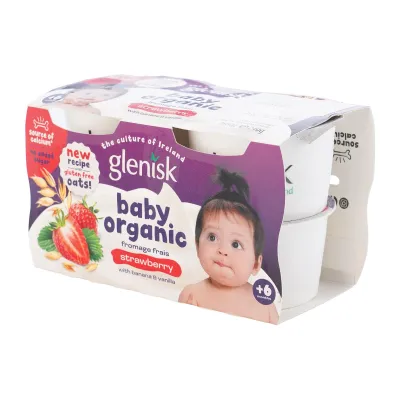
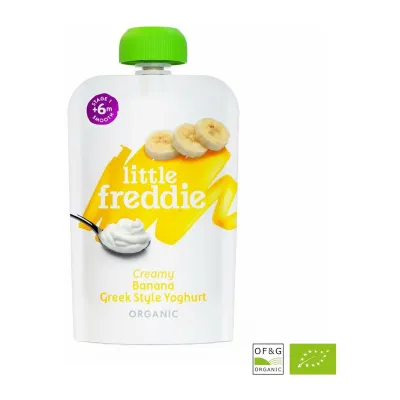
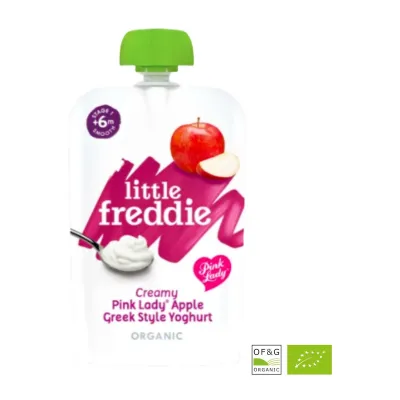
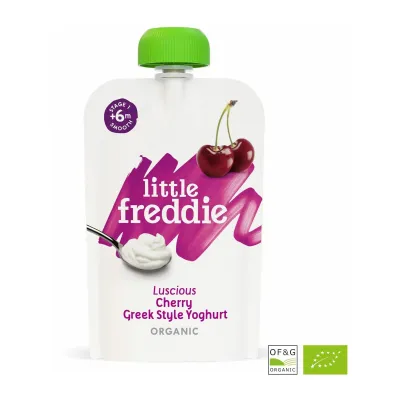
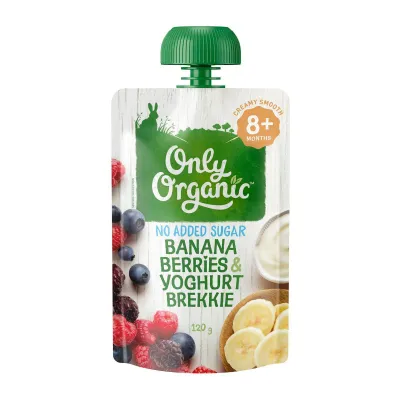
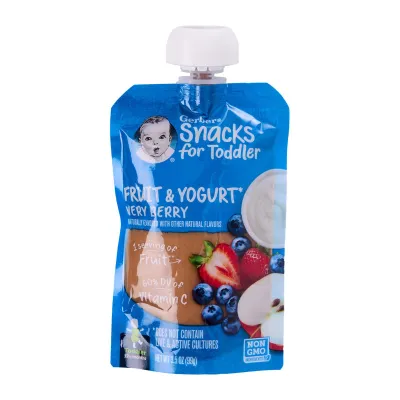
Prices are valid at publication and may change. Please refer to the product page for the latest price.
Before offering yogurt, ensure your baby displays the key developmental signs of readiness for semi-solid foods. Your baby should be able to sit upright with minimal support, maintain good head and neck control, and show active interest in what family members are eating. They should also have lost the tongue-thrust reflex, which automatically pushes solid objects out of the mouth, allowing them to safely swallow smooth, spoon-fed textures.
Essential Nutritional Criteria for Baby Yogurt
When evaluating yogurt options, the first and most critical criterion is the fat content. Always choose full-fat dairy products made from whole milk rather than low-fat, reduced-fat, or skimmed alternatives. Dietary fat is vital for infants and toddlers under two years old, as it provides the concentrated energy required to support rapid brain development, nervous system myelination, and overall physical growth.

Sugar content is another vital benchmark that requires strict scrutiny. The dietary guidelines for infants recommend zero added sugars in the first two years of life to prevent tooth decay and avoid programming a preference for overly sweet foods. When reading the Nutrition Information Panel (NIP) on a yogurt tub, you will see a value for “Sugars.” It is important to recognize that plain yogurt naturally contains lactose, a milk sugar, which typically accounts for roughly 3 to 6 grams of sugar per 100 grams of yogurt. Any value significantly higher than this range usually indicates the presence of added sugars, fruit concentrates, or syrups, which should be avoided.
Sodium levels must also remain exceptionally low, as an infant’s kidneys are still maturing and cannot efficiently process high amounts of salt. Check the label to ensure the sodium content is minimal, ideally under 50 milligrams per 100 grams.
Finally, verify that the product contains live active cultures. These beneficial bacteria, such as Lactobacillus bulgaricus and Streptococcus thermophilus, are responsible for fermenting the milk. The packaging should explicitly state that the yogurt contains live cultures, as some heat-treated yogurt products are pasteurized after fermentation, which kills these beneficial microorganisms and robs the yogurt of its probiotic benefits.
Decoding Yogurt Labels: Ingredients to Avoid
Navigating the ingredient list is the most reliable way to separate genuine, health-promoting baby yogurts from highly processed alternatives. Manufacturers often use clever marketing terms on the front of the packaging, but the ingredient list on the back reveals the true composition. A high-quality baby yogurt should ideally contain only two main ingredients: pasteurized whole milk (or cream) and live active cultures.
Be highly vigilant against hidden sugars disguised under various names in the ingredient list. Avoid products listing sucrose, fructose, glucose, cane sugar, brown rice syrup, corn syrup, maltodextrin, or fruit juice concentrates. Even organic fruit concentrates add unnecessary free sugars that can impact your baby’s developing palate and dental health.
Artificial additives, thickeners, and stabilizers are frequently added to commercial yogurts to improve shelf life or mimic the creamy texture of full-fat dairy in lower-fat products. Steer clear of yogurts containing modified food starch, gelatin, pectin, carrageenan, guar gum, or locust bean gum. Similarly, artificial sweeteners (such as sucralose, aspartame, or acesulfame potassium) and synthetic food colorings have no place in an infant’s diet and should be strictly avoided.
A critical safety rule for parents is the absolute avoidance of honey in any yogurt product given to infants under twelve months of age. Honey can contain spores of the bacterium Clostridium botulinum, which can germinate in an infant’s immature digestive tract and cause infant botulism, a rare but life-threatening illness. Always check the ingredient list of honey-flavored or sweetened yogurts to ensure this ingredient is completely absent.
Lastly, pay close attention to allergen warnings and manufacturing statements. If your family has a history of severe allergies, check whether the yogurt is processed in a facility that also handles gluten, soy, or tree nuts. Understanding these labels helps prevent accidental exposure to cross-contaminants.
Choosing the Right Texture and Type for Your Child's Age
As your baby progresses through different stages of weaning, the texture of the yogurt should match their oral motor skills. For beginners aged six to eight months, a completely smooth, thin, and uniform consistency is ideal. This allows them to practice moving food from the front of the mouth to the back and swallowing safely without gagging.
As your child reaches nine to twelve months and masters the pincer grasp and chewing motions, you can transition to thicker consistencies. Greek yogurt is an excellent option for this stage. Because Greek yogurt is strained to remove the liquid whey, it has a much thicker, velvety texture that clings well to a spoon, making it perfect for babies practicing self-feeding. Greek yogurt also boasts a higher protein concentration than regular yogurt, though it tends to have a tarter flavor profile that may take some adjustment.
For families exploring dairy-free or plant-based alternatives due to a diagnosed cow’s milk protein allergy (CMPA) or dietary preferences, extra care must be taken. Coconut, almond, oat, or soy yogurts can serve as alternatives, but they often present significant nutritional gaps compared to dairy. Plant-based yogurts are naturally lower in protein and calcium, and manufacturers frequently add thickeners, stabilizers, and sugars to replicate the mouthfeel of dairy. When choosing a plant-based alternative, select unsweetened versions that are explicitly fortified with calcium and vitamin D to support bone health.
Safe Feeding Practices and Allergy Monitoring
When introducing yogurt to your baby, start with small portion sizes to allow their digestive system to adapt. A serving of one to two tablespoons is sufficient for a six-month-old beginner. By twelve months, this can gradually increase to a quarter or half a cup, served once or twice a day as part of a varied diet.
Always serve yogurt at a safe temperature. Offering it chilled straight from the refrigerator is highly refreshing, especially in Singapore’s warm climate, but some babies prefer it closer to room temperature. Never microwave yogurt to warm it up; electromagnetic heating creates uneven hot spots that can easily burn your baby’s sensitive mouth, and the high temperatures will destroy the beneficial live probiotic cultures. If you wish to take the chill off, place the required portion in a small bowl and let it sit on the counter for ten to fifteen minutes before serving. Ensure any added fruits are thoroughly pureed or mashed to eliminate choking hazards.
Because cow’s milk is one of the most common childhood allergens, yogurt must be introduced with care. Offer yogurt for the first time during the morning or early afternoon rather than close to bedtime. This timing ensures you have several hours of active supervision to monitor your baby for any adverse reactions. Do not introduce any other new foods on the same day, and maintain a gap of three to five days before trying another potential allergen.
Monitor your baby closely for signs of an allergic reaction or food intolerance. Immediate allergic reactions typically occur within minutes to two hours of ingestion and may include hives, redness or swelling around the mouth and eyes, vomiting, or wheezing. Delayed reactions or intolerances might manifest as persistent diarrhea, abdominal bloating, excessive gas, or a worsening of eczema. If you observe any of these symptoms, stop feeding the yogurt immediately and consult your pediatrician. In the rare event of severe breathing difficulties or facial swelling, seek emergency medical attention immediately.
Navigating Supermarket Shelves and Online Stores
In Singapore, sourcing high-quality baby yogurt involves navigating both physical cold sections in supermarkets and digital grocery platforms. Because dairy products are highly perishable, maintaining the cold chain from the manufacturer to your refrigerator is critical to preventing the growth of harmful bacteria. When shopping in physical stores, make the dairy aisle your very last stop before heading to the checkout counter, and consider using an insulated cooler bag with ice packs for the journey home.
If you prefer the convenience of online grocery delivery, choose reputable platforms that guarantee temperature-controlled logistics. Ensure that someone is home to receive the delivery immediately, as leaving dairy products at room temperature on a Singapore doorstep, even for an hour, can compromise safety and accelerate spoilage. Inspect the packaging upon arrival; the foil seals should be completely intact, flat, or slightly concave, and never bloated or leaking.
When comparing local and imported options, look for label transparency. Singapore imports dairy extensively from countries with rigorous agricultural standards, such as Australia, New Zealand, and various European nations. Check that the product has clear English labeling that details the exact ingredients and nutritional values.
Always verify the expiration dates before purchase. Distinguish between “use by” dates, which indicate a strict food safety deadline after which the product should not be consumed, and “best before” dates, which relate to optimal quality and flavor. For infants, it is safest to strictly adhere to both dates and discard any product that has passed its expiration limit.
Frequently Asked Questions (FAQ)
Can I give my baby regular adult yogurt?
Yes, you can give your baby regular adult yogurt, provided it is plain, unsweetened, and made from pasteurized whole milk. Many plain, full-fat Greek or natural yogurts marketed for adults are identical in composition to baby-specific yogurts and are often more cost-effective. However, you must strictly avoid flavored adult yogurts, as they almost always contain high amounts of added sugars, artificial sweeteners, thickeners, and preservatives that are entirely unsuitable for an infant’s developing body.
Is lactose-free yogurt necessary for all babies?
No, lactose-free yogurt is not necessary for the vast majority of babies. During the fermentation process, the live active cultures break down a significant portion of the lactose (milk sugar) into lactic acid, making yogurt much easier to digest than fresh cow’s milk. Unless your pediatrician has formally diagnosed your baby with a specific medical condition or temporary lactose intolerance—often following a bout of gastroenteritis—standard full-fat dairy yogurt is perfectly safe and highly beneficial.
How should I store opened baby yogurt?
Once a container of baby yogurt is opened, it must be tightly sealed and stored in the coldest part of your refrigerator, ideally at 4°C or below, and consumed within 24 to 48 hours. To prevent contamination, never feed your baby directly from the main tub if you plan to save the remainder. Saliva from the baby’s spoon introduces digestive enzymes and bacteria into the container, which will rapidly break down the yogurt and cause it to spoil. Always spoon the desired portion into a separate, clean feeding bowl and immediately return the main container to the fridge.

Community discussion
Share your experience or ask a question. Comments are reviewed before publication.