
Introducing solid foods is an exciting milestone in your baby’s development, and rice crackers often serve as one of the first self-feeding snacks. In Singapore, the shelves of local supermarkets and online marketplaces are filled with various options, making the decision-making process overwhelming for parents. Choosing the right baby rice cracker requires a careful balance of nutritional safety, developmental suitability, and practical value.
To find the best options for your infant, you must look beyond colorful packaging and marketing claims. The ideal snack should support your baby’s growing motor skills while offering a clean, safe ingredient profile that aligns with pediatric feeding guidelines. By understanding how to evaluate nutrition labels, assess textures, and compare local options, you can confidently select snacks that nourish and protect your child.
Essential Nutritional Criteria for Baby Rice Crackers
When evaluating baby rice crackers, the ingredient list should be your primary focus. An infant’s developing organs, particularly their kidneys, are highly sensitive to sodium. Many adult rice crackers contain high levels of added salt for flavor, but baby-specific formulations must keep sodium to an absolute minimum. Look for products that explicitly state “no added salt” or show near-zero sodium levels on the nutritional information panel.
Products mentioned in this guide
![[Bundle of 2]Apple Monkey Organic Rice Cracker Multi Flavor for 8months+ (Corn/Spinach/Pumpkin/Sweet Potato/Blueberry/Strawberry) 2 x 30g HALAL](https://img.lazcdn.com/g/p/0b7be04da40841f1f9e2fdb09b992844.png_400x400q80.png_.webp)
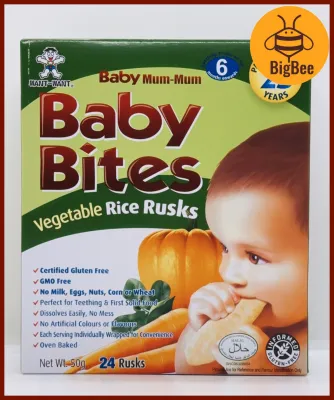
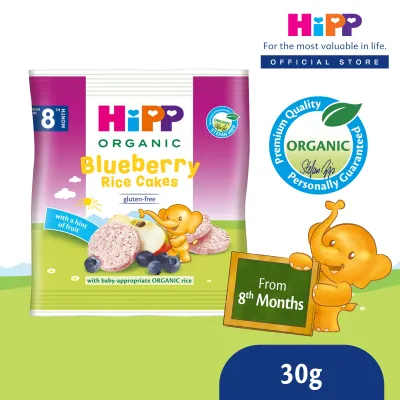
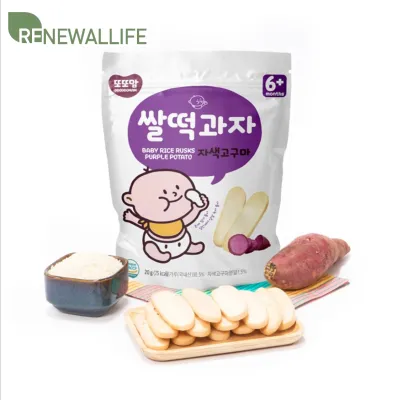
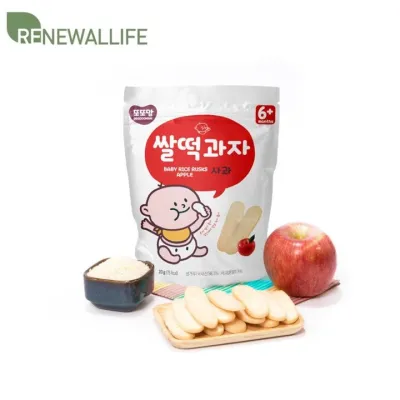
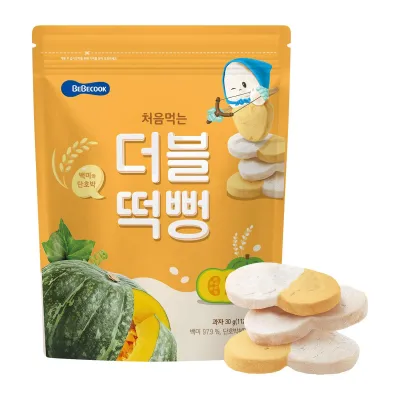
Prices are valid at publication and may change. Please refer to the product page for the latest price.
Added sugar is another critical ingredient to avoid in early childhood snacks. Introducing sweet flavors too early can shape a baby’s taste preferences toward sugary foods and contribute to tooth decay. Carefully inspect the ingredient list for hidden sugars, which may appear under names like cane sugar, brown rice syrup, fruit juice concentrate, or maltodextrin. The ideal baby rice cracker should rely on the natural, subtle sweetness of the grain itself rather than added sweeteners.
Iron fortification is a valuable feature to look for when comparing brands. Around six months of age, a baby’s natural iron stores begin to deplete, making dietary iron intake essential for healthy brain development. Some manufacturers fortify their rice crackers with iron, which can help supplement your baby’s daily requirements. Additionally, consider the type of rice used; whole-grain brown rice generally retains more natural fiber and nutrients than highly refined white rice, though it may have a slightly different texture.
Understanding how to interpret local packaging is crucial for making accurate comparisons. In Singapore, nutritional labels may display values per serving, per package, or per 100 grams. Because serving sizes vary significantly between brands, always use the “per 100g” column to make direct, apples-to-apples comparisons of sodium, sugar, and iron content. This ensures you are evaluating the actual nutritional density of the product rather than a misleadingly small serving size.
Matching Texture and Shape to Developmental Stages
The physical properties of a rice cracker must match your baby’s current oral motor skills to ensure safe consumption. For infants who are just beginning their transition to solid foods, a melt-in-the-mouth texture is non-negotiable. These crackers should dissolve rapidly upon contact with saliva, requiring minimal chewing or gumming. This rapid dissolution minimizes the risk of choking, especially when the baby is still learning how to manage solid pieces in their mouth.

As your baby grows, the shape and size of the cracker play a significant role in developing their fine motor skills. For younger babies practicing the palmar grasp—using their entire hand to hold an object—long, flat, and wide rusks are ideal. These shapes allow them to hold the cracker firmly while gnawing on the exposed end. As they transition to the pincer grasp, which involves using the thumb and index finger, smaller, bite-sized crackers or puffs can help refine their coordination.
Always verify the manufacturer’s age grading and specific safety warnings on the packaging before purchasing. These age recommendations are not arbitrary; they are based on the developmental milestones required to safely process the snack’s specific texture and size. Never assume a product is suitable for your baby simply because it is labeled as a “baby snack.” Carefully read the back of the pack for any explicit choking hazard warnings or instructions on how the product should be consumed.
Your selection should evolve alongside your baby’s chewing and swallowing abilities. If you notice your baby easily managing dissolvable rusks without coughing or gagging, they may be ready for slightly firmer textures that encourage active chewing. Conversely, if your baby struggles, spits out pieces, or shows signs of distress, immediately stop feeding that specific texture and consult a pediatrician or pediatric feeding specialist to assess their developmental readiness.
A Practical Framework for Comparing Local Brands
Navigating the wide array of baby food brands in Singapore requires a structured evaluation method. First, verify that the product complies with local food safety and labeling standards. Imported baby foods sold in reputable local supermarkets and registered online marketplaces must meet strict import regulations. Look for clear English labeling, importer details, and batch numbers, which are essential for tracking potential product recalls or safety alerts.
To evaluate the true economic value of different brands, calculate the price per serving rather than relying on the retail price alone. A larger box might seem expensive, but it may contain more individual portions, making it more cost-effective in the long run. To calculate this, divide the retail price of the package (in S$) by the total number of individual servings or the total weight in grams. This formula allows you to determine the exact cost per serving or cost per gram, helping you identify which product offers the best value. Keep in mind that bulk packaging or multi-packs sold in local supermarkets often present a lower cost per unit, but you must balance this with your baby’s consumption rate to avoid waste.
Ingredient sourcing transparency is another indicator of quality. High-quality brands often provide clear information about where their rice is grown and how it is processed. While organic certifications (such as USDA Organic or EU Organic) are common on baby food packaging, treat these labels as items to verify rather than absolute guarantees of safety. Research the brand’s reputation for quality control and check if they conduct regular testing for heavy metals, which can naturally accumulate in rice crops.
Allergen cross-contamination is a critical consideration, especially if your family has a history of food allergies. Even if a rice cracker’s primary ingredients are allergen-free, the product may be manufactured in a facility that processes common allergens. Carefully inspect the packaging for precautionary allergen labeling, such as “may contain traces of milk, soy, or wheat” or “manufactured on shared equipment.” If your baby has a known allergy, prioritize brands that explicitly disclose their allergen-control protocols and facility standards.
Safe Feeding Supervision and Storage Rules
No matter how safe or easily dissolvable a rice cracker claims to be, active and uninterrupted adult supervision is mandatory during every feeding session. Never leave your baby alone with a snack, and avoid feeding them while they are in a moving stroller, car seat, or carrier, as sudden movements can increase the risk of choking. Ensure your baby is seated completely upright in a secured high chair to facilitate safe swallowing.
Singapore’s tropical climate, characterized by high humidity and warm temperatures, presents unique challenges for food storage. Once a package of rice crackers is opened, exposure to the air will quickly cause them to absorb moisture, losing their crispness and becoming soft or rubbery. To prevent this, transfer any unused, individually wrapped crackers to a high-quality, airtight container immediately. Store the container in a cool, dry pantry away from direct sunlight.
Before offering a previously opened cracker to your baby, perform a quick freshness check. A safe rice cracker should snap cleanly when bent; if it bends or feels leathery, it has absorbed too much moisture and will not dissolve properly in your baby’s mouth. Discard any softened or stale pieces immediately to prevent choking hazards. Regularly check the expiration dates printed on the packaging, and do not feed your baby products that have passed their shelf life.
Finally, establish clear boundaries for when to conclude a feeding session. Pay close attention to your baby’s behavioral cues; if they begin to fuss, turn their head away, spit out the cracker, or show signs of fatigue, stop feeding immediately. Forcing a tired or disinterested baby to eat increases the risk of accidental inhalation or choking. Let your baby set the pace, ensuring that snack time remains a positive, safe, and developmental experience.
Frequently Asked Questions (FAQ)
At what age can babies safely start eating rice crackers?
Most babies are developmentally ready to try rice crackers around six months of age, but readiness depends on physical milestones rather than a strict calendar age. Your baby should be able to sit upright with minimal support, maintain good head control, and show active interest in food. Always verify the manufacturer’s age recommendation on the packaging, as some products are formulated for older infants. If your baby has developmental delays or difficulty swallowing, consult a pediatrician before introducing solid snacks.
Are all rice crackers naturally gluten-free and safe for allergies?
While pure rice is naturally gluten-free, not all commercial baby rice crackers are safe for children with severe allergies or celiac disease. Some brands add flavorings, sweeteners, or nutritional supplements that contain gluten, dairy, soy, or sesame. Furthermore, cross-contamination can occur if the crackers are processed on shared machinery that handles wheat or other allergens. Always read the ingredient list and allergen warnings carefully to verify the product’s safety for your baby’s specific dietary needs.

Community discussion
Share your experience or ask a question. Comments are reviewed before publication.