
Selecting the ideal solid foods for your infant is a pivotal step in their early growth and nutritional development. Among the vast array of options available to parents in Singapore, apple banana baby food pouches stand out as an exceptionally popular choice due to their natural sweetness, smooth texture, and portable convenience. However, navigating the crowded shelves of local supermarkets and online marketplaces requires a discerning eye. The best pouch is not simply the one with the most appealing marketing; rather, it is the product that aligns precisely with your baby’s current developmental stage, nutritional requirements, and safety needs.
To make an informed decision, parents must look beyond front-of-pack claims and learn to evaluate the structural and nutritional integrity of these products. This involves understanding the progression of food textures, decoding complex ingredient lists, verifying organic certifications, and practicing safe feeding habits. In Singapore’s warm climate, proper storage and handling of these pouches are also critical to preventing spoilage and ensuring food safety. By establishing a systematic evaluation framework, you can confidently choose high-quality options that support your baby’s health while enjoying the practical benefits of commercial baby food.
Key Criteria for Evaluating Apple Banana Pouches
When comparing commercial baby food pouches, establishing a clear baseline for safety and developmental suitability is essential. The first factor to consider is age appropriateness and texture progression. Infants transition through distinct feeding stages, starting with completely smooth, thin purees and gradually moving toward thicker, mashed textures with soft lumps. For beginners who are just starting solids—typically around six months of age, following pediatrician guidance—the puree must be entirely uniform and free of any solid particles to prevent gagging or choking. As your baby’s oral motor skills mature, you can introduce pouches that offer a slightly thicker consistency to encourage active chewing motions.
Products mentioned in this guide
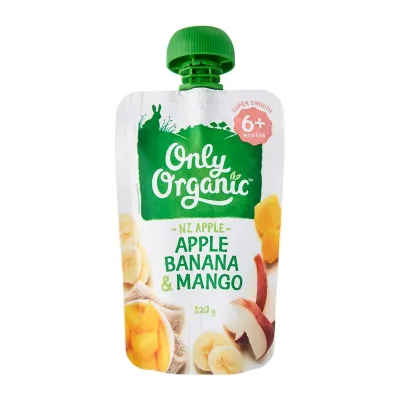
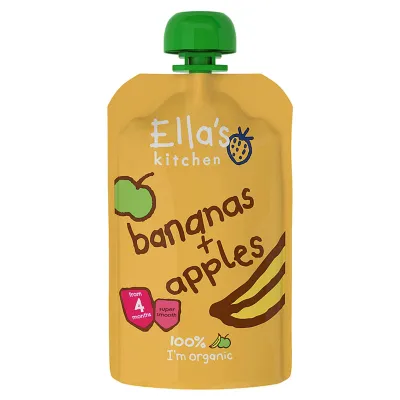
Prices are valid at publication and may change. Please refer to the product page for the latest price.
Ingredient simplicity is another critical benchmark. High-quality apple banana pouches should ideally consist of 100% whole fruit, with no added water, starches, or chemical thickeners. Manufacturers sometimes add starches (such as cornstarch or tapioca flour) or water to dilute the fruit content and lower production costs, which ultimately reduces the nutritional density of the meal. When evaluating a pouch, prioritize products where whole apples and bananas are the primary ingredients, ensuring your baby receives the full benefit of the natural dietary fiber, vitamins, and minerals inherent in the whole fruits.
Packaging safety features must never be overlooked when selecting products for infants. Ensure that any pouch you purchase explicitly states it is made from BPA-free materials, as this chemical can leach into food and pose health risks. Additionally, pay close attention to the design of the plastic cap. Infant product standards require caps to be choke-safe, which typically means they are designed with large, winged shapes or hollow centers that allow air to pass through in the unlikely event of accidental swallowing. Always inspect the cap before purchase to verify it is intact and securely sealed.
Comparing Formulation Types and Flavor Blends
As you explore the options available in Singapore, you will encounter various formulation types designed to match different stages of your baby’s dietary journey. Single-fruit or simple two-fruit blends containing only apple and banana are highly recommended for the initial phases of weaning. Introducing these simple blends allows you to monitor your baby for any potential food sensitivities or allergic reactions. By keeping the ingredient list minimal, you can easily isolate the cause if your baby experiences digestive discomfort or skin rashes, following the standard practice of waiting several days between introducing new food groups.

For older, more active babies who require more sustained energy throughout the day, complex blends offer an excellent way to expand their palate and nutritional intake. Many manufacturers enrich apple banana purees by incorporating ancient grains like quinoa, millet, or oats, which provide complex carbohydrates and dietary fiber. Other variations include the addition of dairy, such as Greek yogurt, to introduce protein and calcium, or mild vegetables like sweet potato, spinach, or butternut squash. These multi-ingredient blends help familiarize your baby with diverse flavor profiles, reducing the likelihood of picky eating habits forming later in childhood.
When deciding between organic and conventional fruit sourcing, it is important to understand how to verify these claims. Organic pouches are made from fruits grown without synthetic pesticides or fertilizers, which many parents prefer to minimize their baby’s exposure to agricultural chemicals. However, do not rely solely on the word “organic” printed on the front label. Instead, look for official, third-party organic certification seals on the back of the packaging, such as the USDA Organic logo, the European Union organic leaf, or Australian Certified Organic stamps. Verifying these credentials ensures that the product has met rigorous international standards from farm to shelf.
How to Read Baby Food Labels and Ingredient Lists
Decoding the nutrition information panel and ingredient list is the most reliable way to verify what actually goes into your baby’s food. One of the most common pitfalls in commercial baby food is the presence of hidden sugars disguised as fruit juice concentrates. While a package may boldly claim “no added sugar,” the inclusion of apple or pear juice concentrate significantly increases the total sugar content and glycemic load of the puree. Concentrates are essentially highly processed fruit sugars stripped of their natural fiber and beneficial nutrients, which can accustom your baby’s palate to excessive sweetness and impact their long-term dietary preferences.
To accurately assess the nutritional value, look at the serving size and the sugar content per 100 grams on the nutrition label. Comparing products using the per-100-gram standard allows for an objective comparison across different brands, regardless of individual pouch sizes. Keep in mind that both apples and bananas naturally contain fructose, so a moderate amount of sugar is expected; however, purees that rely on whole fruit fibers will generally have a lower sugar concentration and a higher fiber content than those heavily reliant on concentrates or juices.
Allergen cross-contamination is another vital aspect of label reading, particularly for families with a history of food allergies. Even if an apple banana pouch does not list common allergens like dairy, gluten, soy, or nuts as ingredients, the product may have been processed on shared equipment or in a facility that handles these substances. Carefully read the precautionary allergen statements, often indicated by phrases such as “may contain traces of” or “processed in a facility that also handles.” If your baby has a diagnosed allergy, verifying these manufacturing details is a crucial step in ensuring their safety.
Safe Feeding Practices and Pouch Usage Guidelines
While baby food pouches offer unparalleled convenience for busy parents, they should be used thoughtfully to support your baby’s long-term developmental milestones. Sucking food directly from a pouch nozzle bypasses the natural oral motor movements required for spoon-feeding and chewing. Over-reliance on direct pouch feeding can delay the development of the tongue and jaw muscles needed for speech and solid food consumption. To encourage proper oral motor skills, squeeze the puree onto a soft-tipped infant spoon or into a small bowl, allowing your baby to practice swallowing from a flat surface and eventually feed themselves.
Supervision is paramount during every feeding session to prevent choking and ensure safety. Never leave your baby unattended with a pouch, and do not allow them to play with or chew on the plastic cap, which can easily become a choking hazard if detached. If you are feeding your baby on the go, ensure you immediately dispose of the cap or keep it completely out of their reach. Additionally, avoid letting your baby fall asleep with a pouch nozzle in their mouth, as the prolonged contact of fruit sugars with emerging teeth can contribute to early childhood tooth decay.
Proper storage and handling are critical, especially in Singapore’s warm and humid tropical climate, which provides an ideal environment for bacterial growth. Once a pouch is opened, any contact with your baby’s saliva introduces bacteria into the food. If your baby feeds directly from the nozzle, any remaining puree must be discarded immediately after the meal. If you spoon-feed, you can squeeze the desired portion into a clean bowl and promptly recap the remaining pouch, storing it in the refrigerator at or below 4°C. Always refer to the manufacturer’s specific instructions printed on the packaging, which typically recommend consuming the refrigerated portion within 24 to 48 hours.
Building Your Shortlist: A Pre-Purchase Checklist
To help you finalize your selection when shopping in Singapore supermarkets or browsing online marketplaces, use this practical pre-purchase checklist to evaluate each brand objectively:
- Verify Developmental Readiness: Check the manufacturer's age recommendation on the packaging (such as 6+, 8+, or 12+ months) and ensure it aligns with your baby's physical signs of readiness and your pediatrician's advice.
- Calculate Unit Value: Compare the price per 100 grams rather than the flat price per pouch. Pouch sizes vary significantly, and calculating the unit cost in S$ ensures you are getting genuine value for your budget.
- Inspect Packaging Integrity: Examine each pouch physically before purchase or upon delivery. Avoid buying pouches that appear bloated, dented, punctured, or have broken safety seals on the caps, as these are signs of bacterial contamination or spoilage.
- Check Expiration Dates: Ensure the product has a reasonable shelf life remaining, especially if you plan to purchase in bulk or store the pouches for future travel.
- Review the Ingredient Hierarchy: Confirm that whole apples and bananas are listed as the primary ingredients, and verify that there are no added sugars, concentrates, starches, or artificial preservatives.
Frequently Asked Questions (FAQ)
Can I give apple banana pouches to my baby every day?
While apple banana pouches are a nutritious and convenient option, they should not be given as the sole or primary food source every day. Apples and bananas are naturally sweet, and offering them daily without variety can cause your baby to develop a strong preference for sweet flavors, making it more challenging to introduce bitter or savory vegetables later. To foster a balanced palate, ensure you rotate these fruit purees with a wide variety of vegetables, proteins, and iron-rich foods, using the pouches as a complementary part of a diverse diet.
Are homemade apple banana purees better than store-bought pouches?
Homemade purees offer distinct advantages, including maximum nutrient retention, complete control over the texture, and the absolute guarantee of fresh, preservative-free ingredients. However, preparing food at home requires a significant time investment and careful attention to hygiene standards. Commercial pouches, on the other hand, undergo rigorous quality control and pasteurization processes to ensure shelf stability and food safety, making them highly convenient for travel, dining out, or busy days when home preparation is not feasible.
How do I transition my baby away from pouches?
To transition your baby away from pouches, begin by squeezing the puree onto a spoon or into a bowl rather than allowing them to suck directly from the nozzle. This encourages the development of proper swallowing and oral motor skills. Gradually introduce thicker, mashed textures and soft, easily dissolvable finger foods, such as small pieces of ripe banana or steamed apple slices. Encouraging your baby to feed themselves with their fingers or a baby-safe spoon helps build independence and prepares them for family meals.

Community discussion
Share your experience or ask a question. Comments are reviewed before publication.