
Choosing the right sanitary disposal bag for soiled diapers requires balancing your specific diaper pail system, the bag’s material thickness, and its odor-barrier technology. In Singapore’s tropical climate, high humidity and warmth accelerate the breakdown of organic waste, making effective containment essential to prevent unpleasant smells from permeating your living space. The ideal choice is a bag that fits securely within your disposal setup, resists punctures from heavy wet diapers, and utilizes physical barrier films rather than heavy artificial fragrances to block odors. Selecting the wrong bag can lead to messy leaks, persistent odors, and unnecessary expenses over your child’s diapering years. By understanding the key differences in bag construction, compatibility, and materials, you can establish a hygienic and hassle-free diaper disposal routine.
Core Criteria for Choosing Diaper Disposal Bags
Managing daily diaper waste requires a bag that can withstand both physical stress and chemical breakdown. Wet diapers are surprisingly heavy, containing significant amounts of liquid that put constant pressure on the bottom and sides of the bag. If the plastic is too thin or the seams are poorly constructed, the bag can easily split when you lift it out of the diaper pail, resulting in a highly unhygienic cleanup. When shopping for sanitary disposal bags, look for options that feature reinforced bottom seals, such as star seals or double-welded seams, which distribute the weight of the waste more evenly across the plastic.
Odor containment is another critical factor that separates specialized diaper bags from standard utility bags. Standard single-layer plastic bags are porous on a microscopic level, allowing volatile organic compounds and gas molecules to slowly seep through the material and escape into the surrounding air. High-quality diaper disposal bags utilize multi-layer extrusion technology, bonding several thin layers of different polymers together to create a highly dense barrier that blocks gas transmission. This physical barrier is far more effective at maintaining a fresh indoor environment than bags that simply attempt to mask odors with strong artificial scents, which can often combine with waste odors to create an even more unpleasant smell.
Products mentioned in this guide
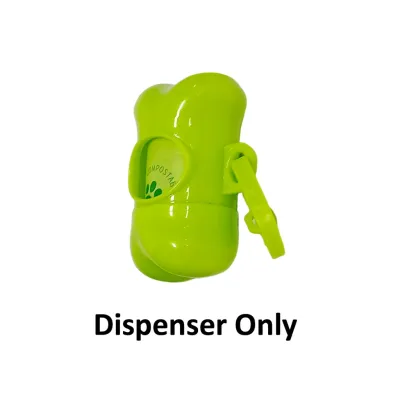
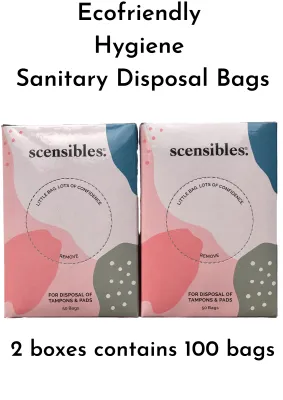
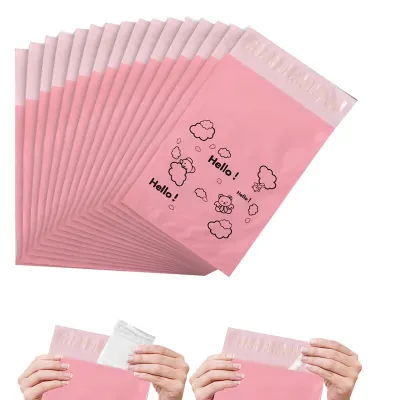
Prices are valid at publication and may change. Please refer to the product page for the latest price.
Capacity and sizing must also align with your household’s daily diaper output and your specific disposal habits. Newborns can easily go through ten to twelve diapers a day, resulting in a high volume of relatively low-odor waste that needs frequent clearing. As your baby grows and transitions to solid foods, the volume of diapers decreases, but the weight and intensity of the odor increase dramatically. Choosing a bag size that matches your daily routine ensures you do not leave highly odorous waste sitting in your home for too long, while also avoiding the waste of plastic that occurs when emptying a large, half-filled bag.
Matching Bags to Your Diaper Pail System
Before purchasing any sanitary disposal bags, you must determine whether your diaper pail requires a proprietary refill system or if it can accommodate universal, generic bags. Many popular diaper pails on the market are designed around proprietary refill cassettes, which house a continuous tube of plastic film. This design allows you to pull down the plastic, tie a knot at the bottom to start a new bag, and cut the film when the pail is full to seal the waste away. While these proprietary systems offer unmatched convenience and a guaranteed fit, they lock you into a single brand’s ecosystem, which can become quite costly over the several years your child will wear diapers.

If you prefer a more cost-effective approach, many parents opt for universal continuous rolls or standard gusseted trash bags. To use these successfully, you must carefully measure your diaper pail’s inner ring diameter, the depth of the canister, and the mechanism used to secure the bag in place. Some pails feature a tension ring or a series of rubber flaps that hold the bag open; if the bag you choose is too narrow, it will slip off the ring under the weight of the first few diapers, causing waste to fall directly into the bottom of the pail. Conversely, a bag that is too wide will bunch up around the rim, preventing the pail’s lid from sealing properly and allowing odors to escape into the room.
Evaluating the trade-offs between proprietary convenience and universal cost-effectiveness is a personal decision that depends on your budget and tolerance for manual setup. Proprietary cassettes are designed to minimize your contact with the soiled portion of the bag during disposal, making them a highly hygienic option for busy caregivers. On the other hand, high-quality universal bags can offer comparable thickness and odor protection at a fraction of the cost, provided you take the time to verify the dimensions and secure them properly within your pail.
Material and Thickness: Balancing Durability and Eco-Impact
The material composition of your diaper disposal bags plays a significant role in both their physical performance and their environmental footprint. Most traditional diaper bags are made from high-density polyethylene (HDPE) or low-density polyethylene (LDPE), which offer excellent stretch, tear resistance, and moisture barrier properties. However, as families become more environmentally conscious, plant-based and biodegradable alternatives have grown in popularity. These eco-friendly bags are typically derived from renewable resources like cornstarch, sugarcane, or vegetable oils, offering a lower carbon footprint during the manufacturing process.
When evaluating these materials, it is important to understand how they perform under real-world conditions. Plant-based plastics can sometimes be more prone to tearing or stretching when exposed to high moisture levels over several days, which is a common scenario with wet diapers. To compensate for this, high-quality eco-friendly bags are often made slightly thicker than their conventional plastic counterparts. You should check the product specifications for thickness indicators, ensuring the bag feels substantial and robust enough to resist punctures from sharp diaper tabs or adhesive strips.
In Singapore, understanding the local waste management system is crucial when choosing between standard and biodegradable bags. Singapore’s domestic waste is collected and sent directly to waste-to-energy incineration plants rather than being buried in landfills where biodegradation can occur. Because of this, biodegradable or compostable bags do not have the environmental conditions required to break down naturally after disposal; instead, they are incinerated alongside general waste. For local households, the primary environmental benefit of choosing plant-based bags is the reduction in fossil fuel consumption during production, rather than any post-disposal composting benefits. Therefore, parents can focus on selecting the most durable, leak-resistant bag available, whether it is made from recycled conventional plastics or renewable plant materials.
Odor-Blocking Technologies and Scent Options
Controlling the odor of soiled diapers requires a sophisticated approach to material engineering. The most effective diaper disposal bags utilize physical barrier technologies, such as co-extruded multi-layer films that incorporate specialized polymers like ethylene vinyl alcohol (EVOH) or nylon. These materials have incredibly low gas permeability, meaning they physically block the tiny molecules responsible for fecal and ammonia odors from passing through the plastic. This technology is highly effective at keeping odors contained within the bag, even when the diaper pail is kept in a warm, enclosed space like a bathroom or service yard.
In contrast, some manufacturers rely on chemical odor neutralizers or heavy artificial fragrances to mask unpleasant smells. While scented bags—often featuring lavender, citrus, or baby powder fragrances—may seem appealing, they can pose challenges for sensitive household members. Infants have highly delicate respiratory systems and sensitive skin; exposure to strong synthetic fragrances in enclosed spaces can sometimes trigger respiratory irritation or allergic skin reactions. If your baby has sensitive skin or a history of eczema, it is generally safest to opt for unscented, dye-free bags that rely entirely on physical barrier films to manage odors.
You can also enhance your odor-control strategy by looking at how the bag interacts with the diaper pail’s built-in features. Some pails are designed to accommodate baking soda cartridges or activated carbon filters, which sit in a compartment under the lid. These filters work by adsorbing stray odor molecules that escape into the air inside the pail when a diaper is dropped in. Combining a high-quality, unscented physical barrier bag with an active carbon filter in the pail provides a highly effective, fragrance-free odor management system that keeps your home smelling clean without exposing your baby to unnecessary chemicals.
Building Your Shortlist: What to Check Before Buying
To avoid purchasing bags that are incompatible with your setup or prone to tearing, it is helpful to establish a systematic verification process before making a purchase. First, consult your diaper pail’s user manual or the manufacturer’s website to find the exact recommended bag dimensions, including the flat width, length, and opening diameter. If you are using a generic bag, compare these measurements against the product specifications on the packaging to ensure a secure fit around the pail’s mounting ring.
Next, examine the product labels for specific material details and quality indicators. Look for terms such as “multi-layer film,” “puncture-resistant,” or “reinforced seams,” which indicate that the bag has been engineered to handle the weight and moisture of wet diapers. If environmental impact is a priority for you, verify whether the plant-based materials are certified by reputable international bodies, keeping in mind that these materials will ultimately be incinerated in Singapore’s waste system but still offer carbon-reduction benefits during manufacturing.
Finally, avoid buying large bulk quantities of a new bag brand until you have conducted a small-scale test in your own home. Purchase a single roll or a small pack first, and use it to dispose of diapers over a forty-eight-hour period. Observe how well the bag holds up to the weight of several wet diapers, check for any signs of moisture seeping through the seams, and pay close attention to whether any odors escape into the room. This real-world test is the most reliable way to ensure the bags meet your household’s standards for hygiene and convenience before you commit to a long-term supply.
Frequently Asked Questions (FAQ)
Can I use regular kitchen trash bags for diaper disposal?
While you can physically fit a standard kitchen trash bag into many diaper pails, they are generally not recommended for daily diaper disposal. Kitchen bags are typically made from single-layer polyethylene, which is highly permeable to gas molecules and will allow strong diaper odors to seep into your living space within a matter of hours. Furthermore, kitchen bags are usually much larger than specialized diaper bags, meaning you will either have to leave soiled diapers in your home for a week to fill the bag, or throw away a mostly empty bag, resulting in significant plastic waste.
How often should I empty the diaper pail to prevent odors?
To maintain a hygienic home environment, especially in Singapore’s warm and humid climate, you should aim to empty your diaper pail every two to three days. Even the highest-quality sanitary disposal bags cannot completely stop the buildup of moisture and bacteria inside a sealed container over long periods. If you notice condensation forming on the inside of the pail lid, or if a puff of foul air escapes every time you open the hatch, it is a clear indicator that the bag should be tied off and disposed of immediately, regardless of whether it has reached full capacity.

Community discussion
Share your experience or ask a question. Comments are reviewed before publication.