
When searching for the safest kids soap in Singapore, many parents look for an official “HSA certification” on the packaging. However, a crucial regulatory distinction exists: standard kids soaps and baby washes are classified as cosmetic products by the Health Sciences Authority (HSA). This means they do not undergo a pre-market approval or certification process. Instead, they are regulated through a mandatory notification system and post-market surveillance. To ensure your child’s bathing products are safe, you must understand how to verify that a local importer has filed the necessary notification with the HSA, and learn how to evaluate the formulation yourself.
By focusing on regulatory compliance, understanding how to read ingredient labels, and purchasing through secure local channels, you can confidently select products that protect your child’s delicate skin. This guide provides a practical framework to help you navigate the local market, decode product labels, and make informed decisions for your family.
Understanding HSA Regulations for Kids Bathing Products
The Health Sciences Authority regulates children’s bathing products in Singapore to ensure they meet safety and quality standards before reaching consumers. However, the depth of regulatory oversight depends entirely on how the product is classified. Standard kids soaps, body washes, bubble baths, and shampoos are categorized as cosmetic products. Their primary purpose is to cleanse or beautify the skin, and they do not require pre-market approval or direct certification from the government.
Products mentioned in this guide
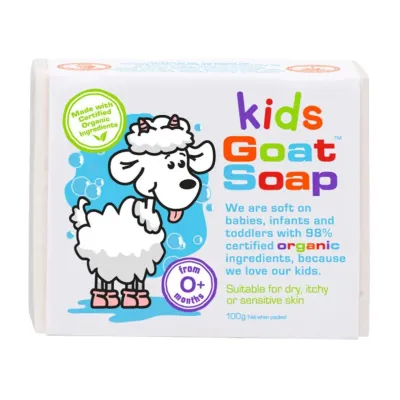
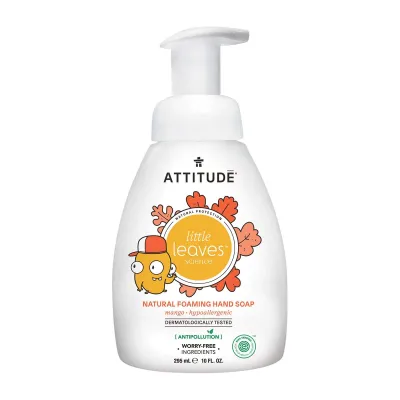
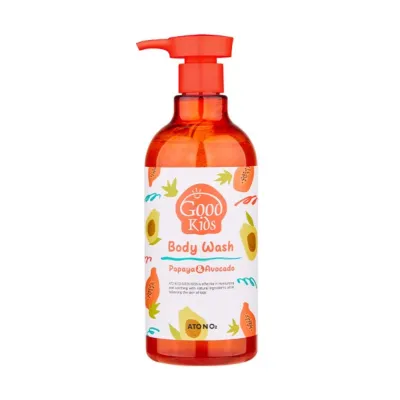
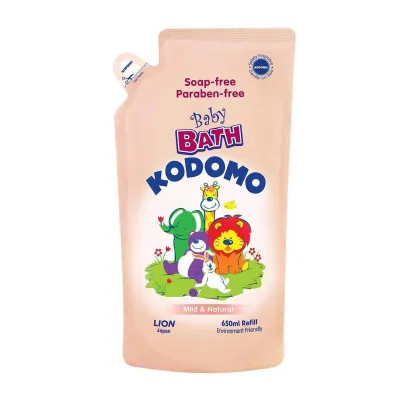
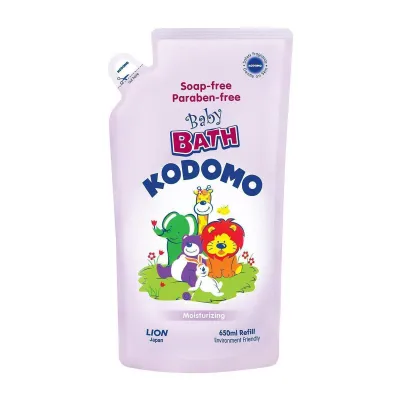
Prices are valid at publication and may change. Please refer to the product page for the latest price.
In contrast, products that claim to treat, cure, or alleviate specific medical conditions—such as severe eczema, psoriasis, or fungal infections—are classified as therapeutic products or medicinal products. These therapeutic formulations must undergo a rigorous pre-market evaluation and registration process. If a kids soap is marketed purely for daily cleansing, it remains under the cosmetic framework, which relies on a notification system rather than individual product testing by the authority.
Under the cosmetic regulatory framework, any local company, importer, or manufacturer must submit a product notification to the HSA before placing the kids soap on the Singapore market. This notification is a formal declaration by the company that the product complies with all local safety standards, contains only permitted ingredients within safe limits, and is manufactured under good manufacturing practices. It is important to note that this notification is not an endorsement of efficacy or safety by the HSA, but rather a legal registration of responsibility.
To maintain safety after products enter the market, the HSA employs a robust post-market surveillance system. This includes conducting regular audits of product information files, performing random sample testing of products sold in retail stores, and monitoring adverse reaction reports from healthcare professionals and consumers. If a kids soap is found to contain banned substances, undeclared active ingredients, or excessive levels of microbial contaminants, the HSA will issue public alerts and mandate immediate product recalls to protect the public.
How to Verify Product Safety and Regulatory Compliance
While consumers do not have access to a public database of every notified cosmetic product, you can still take active steps to verify that a kids soap brand meets local safety standards. The HSA regularly updates its official portal with safety alerts, press releases, and product recall histories. Before purchasing a new brand, especially one that is imported or less familiar, check the HSA website to ensure the product has not been flagged for safety violations, contamination, or undeclared ingredients.

Another reliable way to verify compliance is by examining the product packaging for mandatory labeling requirements. Under Singapore’s cosmetic regulations, every kids soap sold locally must feature clear, legible labeling in English. The packaging must display the full list of ingredients using international nomenclature, the batch number, the country of manufacture, and the name and address of the local importer or distributor. The presence of a local distributor’s contact details is a strong indicator of regulatory compliance, as it shows a registered local entity is taking legal responsibility for the product.
Parents should remain vigilant against common red flags on product packaging and online listings. Be highly cautious of kids soaps that lack English labeling, omit the full ingredient list, or fail to state a local distributor’s contact details. Additionally, look out for unsubstantiated medical claims on standard cosmetic soaps, such as “cures eczema instantly” or “completely prevents skin infections.” Under local regulations, cosmetic products are strictly prohibited from making therapeutic claims. If a product makes these claims without being registered as a therapeutic product, it is non-compliant and potentially unsafe.
Essential Safety Criteria for Choosing Kids Soap
A child’s skin barrier is significantly thinner, more delicate, and more permeable than an adult’s, making it highly susceptible to dryness and environmental irritants. Healthy skin maintains a slightly acidic pH, typically between 4.5 and 5.5, which supports the natural skin barrier and protects against harmful bacteria. Traditional bar soaps are often highly alkaline, with a pH of 9 to 10, which can strip away natural lipids and disrupt this protective barrier. When selecting a kids soap, prioritize formulations that are explicitly labeled as pH-balanced or slightly acidic to preserve the skin’s natural defenses.
Marketing terms like “tear-free” and “hypoallergenic” are frequently used on kids soap labels, but they require careful interpretation. A “tear-free” label generally means the product is formulated with mild, non-ionic surfactants that do not irritate the sensitive mucous membranes of the eyes. While this provides practical comfort during bath time, it does not mean the product is entirely free of synthetic chemicals. Similarly, “hypoallergenic” indicates that the product has been formulated to minimize the risk of allergic reactions, often by excluding common allergens. However, because there is no universal standard for the term, it does not offer a absolute guarantee that a highly sensitive child will not react to the product.
To ensure a kids soap is truly gentle, you must look closely at the cleansing agents, known as surfactants, used in the formulation. Harsh surfactants, such as sodium lauryl sulfate (SLS), are highly effective at removing dirt but can easily strip the skin of its natural moisture, leading to irritation, redness, and flaking. For children, look for mild, plant-derived surfactants that cleanse without disrupting the lipid barrier. Ingredients such as coco-glucoside, decyl glucoside, and cocamidopropyl betaine are excellent alternatives that provide a gentle lather while maintaining skin hydration.
Decoding Ingredient Labels: What to Embrace and Avoid
Reading the ingredient list on a kids soap bottle is the most reliable way to determine its suitability for your child’s skin. Look for beneficial, nourishing ingredients that actively support skin hydration and soothe irritation. Colloidal oatmeal is highly regarded for its ability to calm itchy, dry skin and lock in moisture. Glycerin is an excellent humectant that draws water into the outer layers of the skin, while natural plant oils, such as sunflower seed oil, jojoba oil, and chamomile extract, provide gentle nourishment and help reinforce the skin’s natural barrier.
Conversely, there are several common ingredients you should minimize or avoid to protect sensitive young skin. Synthetic fragrances are among the leading causes of contact dermatitis and skin irritation in children, so opting for fragrance-free formulations is highly recommended. Strong sulfates should be avoided in favor of milder surfactants. Additionally, pay close attention to the preservative systems used; while preservatives are necessary to prevent bacterial and mold growth in water-based products, certain older preservatives, such as methylisothiazolinone (MIT) or formaldehyde-releasers, carry a higher risk of triggering skin allergies.
If your child has a history of eczema, known allergies, or highly reactive skin, establish a systematic approach to introducing new bathing products. Always perform a patch test before using a new kids soap for a full bath. Apply a small amount of the diluted soap to a small area of your child’s skin, such as the inside of the forearm or the back of the neck, rinse it off completely, and monitor the area for 24 to 48 hours. If you observe any signs of redness, swelling, itching, or irritation, discontinue use immediately and note the ingredients to help identify potential triggers in the future.
Secure Purchasing Channels in Singapore
Where you purchase your kids soap is just as important as the ingredients on the label. Buying from established physical pharmacies, major supermarkets, and official brand retail stores in Singapore offers the highest level of safety. These retailers source their inventory directly from authorized local distributors who comply with HSA notification requirements. This ensures that the products are authentic, properly labeled for the local market, and have been stored and transported under appropriate conditions.
When shopping on e-commerce platforms or online marketplaces, exercise extra caution to avoid counterfeit or non-compliant products. Prioritize official brand stores or authorized reseller storefronts that carry verified badges. Avoid purchasing from unverified third-party sellers who may be offering parallel imports. Parallel imports might not have been stored in temperature-controlled environments, which can cause the formulation to degrade, and they often lack the mandatory English labeling and local importer contact details required for regulatory accountability.
Once your purchase is delivered, perform a quick physical inspection before using the product on your child. Check that the safety seal is intact and shows no signs of tampering or leakage. Ensure the packaging has not been warped or damaged, which can indicate exposure to extreme heat during transit or storage in Singapore’s humid climate. Verify that the label includes clear English instructions, a full ingredient list, and the contact details of the local distributor. If any of these elements are missing or compromised, refrain from using the product and contact the seller or distributor for clarification.
Frequently Asked Questions (FAQ)
Do all kids soaps require pre-market HSA approval?
No, standard kids soaps do not require pre-market approval or certification from the Health Sciences Authority (HSA). In Singapore, general kids bathing products are regulated as cosmetics. Under this framework, local importers or manufacturers must submit a product notification to the HSA before selling the product. This notification system places the responsibility on the company to ensure safety and compliance. Pre-market evaluation and registration are reserved for therapeutic products that make medical or treatment claims.
What steps should I take if my child reacts to a new soap?
If your child experiences skin irritation, redness, or hives after using a new soap, stop using the product immediately. Gently rinse the affected area with lukewarm, plain water to remove any remaining soap residue, and pat the skin dry with a soft towel. Avoid applying other scented lotions or home remedies to the irritated area. Monitor your child’s symptoms closely; if the redness, itching, or swelling persists, worsens, or is accompanied by signs of distress, consult a pediatrician or dermatologist for professional medical advice.

Community discussion
Share your experience or ask a question. Comments are reviewed before publication.