
Quick Answer: Key Criteria for Baby Cotton Balls
Selecting the right cotton balls for your baby requires prioritizing purity, structural integrity, and chemical safety. Because a newborn’s skin barrier is exceptionally thin and highly permeable, standard cosmetic cotton balls often fall short of safe baby care standards. The ideal baby cotton ball must be made of 100% pure cotton, completely free from synthetic fiber blends that can cause micro-abrasions on delicate skin.
Furthermore, the manufacturing process must exclude optical brighteners, fluorescent whitening agents, and harsh chlorine bleaches, which can leave chemical residues. A high-quality baby cotton ball must also feature a low-lint or lint-free construction to prevent loose fibers from entering your baby’s eyes, nose, or ear canals. Finally, the cotton balls should possess a practical size and density, allowing them to hold moisture effectively without disintegrating during use.
Material and Quality Standards to Verify
Pure Cotton vs. Certified Organic Cotton
When browsing the baby care aisle, you will frequently encounter options labeled as standard purified cotton and certified organic cotton. Standard purified cotton is thoroughly washed and processed to remove natural oils and impurities, making it highly absorbent and safe for general use. Certified organic cotton, however, is harvested from non-genetically modified plants grown without synthetic pesticides or fertilizers. For parents managing a baby with extremely sensitive skin or eczema, verifying organic certifications on the packaging offers an extra layer of reassurance regarding agricultural chemical residues.
Products mentioned in this guide
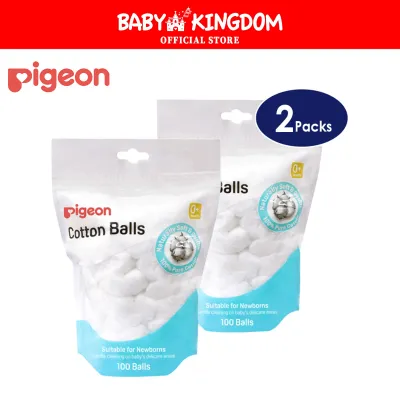
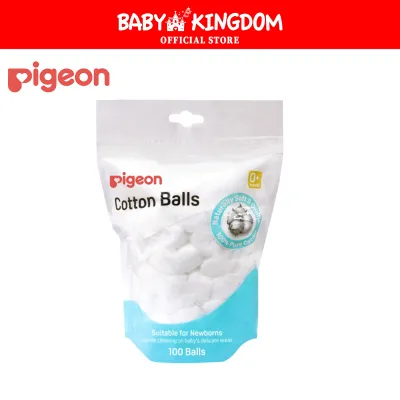
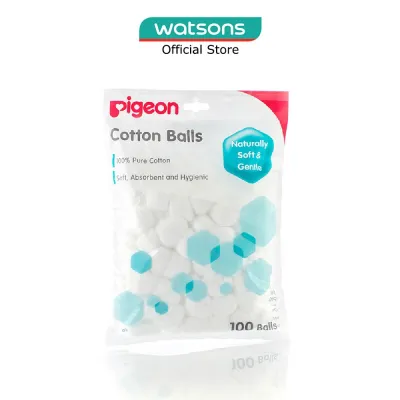
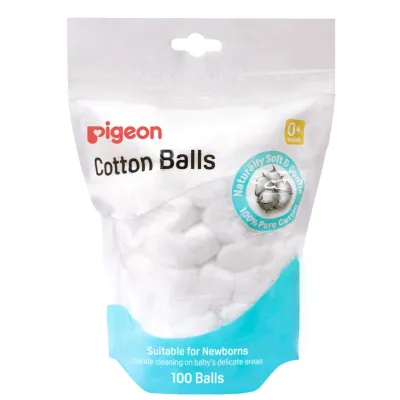
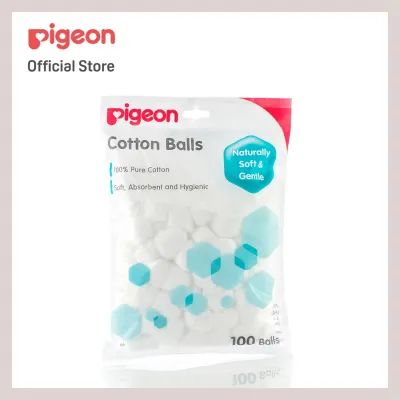
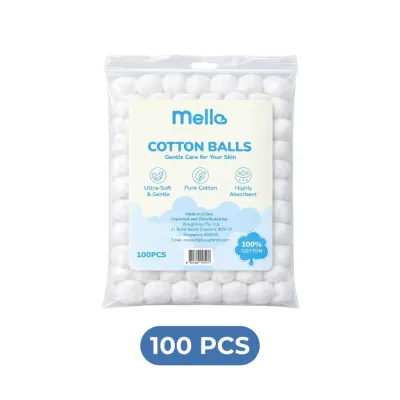
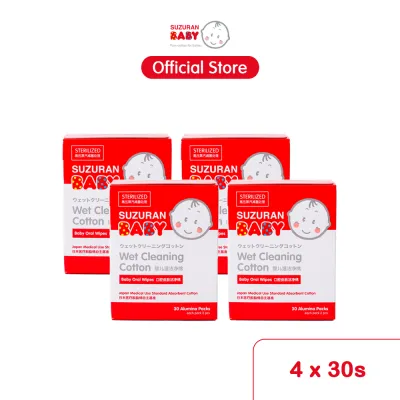
Prices are valid at publication and may change. Please refer to the product page for the latest price.

Fiber Length and Lint Shedding
The physical structure of the cotton fibers directly influences how much the ball will shed during a grooming session. High-quality baby cotton products utilize long-staple cotton fibers, which are spun tightly to keep the structure intact. Cheaper alternatives often use short-staple fibers that easily break apart when wet, leaving tiny white threads on your baby’s eyelashes or inside the outer ear folds. These loose fibers can cause mechanical irritation, scratching, or involuntary rubbing, which increases the risk of localized skin infections.
Bleaching and Whitening Processes
Raw cotton is naturally off-white or yellowish, requiring a purification process to achieve the clean white appearance consumers expect. It is crucial to verify how the manufacturer bleached the cotton. Look for products that specify hydrogen peroxide bleaching or oxygen-based purification rather than elemental chlorine bleaching. Chlorine bleaching can produce trace dioxin byproducts, which are undesirable for direct contact with infant mucous membranes. Additionally, avoid any products containing optical brighteners, which are chemical dyes added solely to make the cotton look artificially bright under light.
Hypoallergenic and Dermatological Claims
Many brands display prominent “hypoallergenic” or “dermatologically tested” labels on their packaging. While these terms suggest a lower likelihood of causing allergic reactions, they are not universally standardized across all manufacturing regions. Parents should treat these claims as invitations to verify the product’s actual ingredient list. Ensure there are no added fragrances, synthetic binders, or moisturizing lotions embedded in the dry cotton, as these additives are the primary culprits behind contact dermatitis in infants.
Safety and Design Features for Delicate Grooming
Density, Softness, and Wet Strength
A baby cotton ball must strike a delicate balance between softness and structural density. If the cotton is too loose, it will collapse into a soggy, flat mass the moment it touches water, forcing you to use excessive friction to clean the skin. Conversely, if the cotton is packed too tightly or contains synthetic binders, it may feel rough against your baby’s face. The ideal cotton ball retains a springy, cushion-like texture when damp, allowing you to glide it gently over skin creases without applying downward pressure.
Round Balls vs. Flat Pads vs. Cotton Tips
Different grooming tasks require distinct physical shapes to ensure safety and efficiency. Traditional round cotton balls are highly versatile, holding a generous amount of water for wiping larger areas like the chin or neck. Flat, round, or square cotton pads distribute pressure more evenly, making them excellent for wiping closed eyelids or cheeks. Cotton tips or swabs should be reserved strictly for the intricate folds of the outer ear, and they must feature safety bulbs that physically prevent deep insertion into the ear canal.
Packaging Hygiene in Humid Climates
In warm, humid environments like Singapore, open cotton packaging can quickly absorb moisture from the air, turning the cotton balls into breeding grounds for mold and bacteria. When selecting a product, prioritize packaging that supports long-term hygiene. Resealable zip-lock bags, rigid plastic tubs with airtight lids, or individually wrapped travel packs are highly preferable to simple open-ended plastic sleeves. Always store your baby’s cotton supply in a cool, dry cupboard rather than a damp bathroom cabinet.
Choking Hazards and Supervision
Dry cotton balls are lightweight, soft, and highly appealing to curious babies who have entered the oral exploration stage of development. A single cotton ball can easily be pulled apart, stuffed into the mouth, and become a serious choking hazard or airway obstruction. Never leave a bag of cotton balls within your baby’s reach, and never hand a cotton ball to a baby to hold during diaper changes or grooming sessions. Always dispose of used cotton balls immediately in a closed diaper pail or waste bin.
Specific Use Cases: Face Wiping vs. Ear Cleaning
Best Practices for Baby Face Wiping
Cleaning your baby’s face requires a systematic approach to prevent the spread of bacteria, particularly around the eyes. Always wash your hands thoroughly with soap and water before starting. Dampen a fresh cotton ball with lukewarm, sterile water or a pediatrician-approved liquid cleanser. Gently wipe from the inner corner of the eye outward to prevent debris from entering the tear duct. Crucially, use a completely fresh cotton ball for each eye; reusing the same cotton ball can easily transfer localized infections from one eye to the other. Continue with fresh cotton balls for the forehead, cheeks, and around the mouth, wiping gently along natural skin creases.
Safety Boundaries for Ear Cleaning
When it comes to cleaning your baby’s ears, safety must be your absolute priority. Cotton balls should only be used to wipe the outer ear (the auricle) and the skin directly behind the earlobe where milk residue and sweat tend to accumulate. Never, under any circumstances, insert a cotton ball, cotton swab, or any other object into your baby’s ear canal. The ear canal is self-cleaning, and inserting objects pushes earwax deeper, potentially causing wax impaction, skin scratches, or a ruptured eardrum.
Recognizing When to Stop and Consult a Professional
While routine grooming is healthy, parents must recognize when home cleaning is no longer appropriate. Stop using cotton balls immediately and consult a pediatrician if you observe persistent skin redness, flaking, or small bumps on your baby’s face after wiping. If you notice yellow or green discharge from the eyes, crusting that glues the eyelids shut, or if your baby is constantly tugging at their ears and crying, these are signs of potential infection or impacted wax that require professional medical evaluation rather than home grooming.
Appropriate Alternatives for Specific Tasks
Cotton balls are not always the only or best tool for every baby grooming task. For general bath-time face washing, a reusable, ultra-soft bamboo or organic cotton washcloth can be highly effective and environmentally friendly, provided it is laundered with hypoallergenic detergent after every single use. For clearing nasal passages or cleaning very specific skin folds, specialized medical-grade silicone bulbs or soft saline wipes may offer better control and safety than loose cotton fibers.
How to Evaluate and Shortlist Safe Cotton Balls
Step-by-Step Label Reading
When shopping at local pharmacies or browsing online marketplaces, take a systematic approach to reading the product label. First, verify the material composition; it should explicitly state “100% cotton” or “100% organic cotton” rather than generic terms like “soft fibers” or “synthetic blend.” Next, locate the country of origin and the manufacturer’s contact details. Reliable brands provide clear contact information and batch numbers, which are essential if you ever need to check for product recalls or report a quality issue.
Verifying Safety Certifications
Because chemical claims can be vague, look for recognized third-party textile certifications printed on the packaging. Standards such as the Global Organic Textile Standard (GOTS) or OEKO-TEX Standard 100 (specifically Class 1, which is designated for baby products) indicate that the cotton has undergone testing for harmful substances. While these certifications do not guarantee absolute safety, they provide verifiable evidence that the manufacturer has complied with strict international chemical limits.
Assessing Real-World Feedback
Before purchasing a new brand of cotton balls, especially when buying in bulk from online marketplaces, read customer reviews with a critical eye. Look specifically for feedback regarding how the cotton behaves when wet. Search for keywords like “shredding,” “lint,” “falling apart,” or “chemical smell.” If multiple parents report that the cotton balls leave a lot of residue or have a strong medicinal odor upon opening, it is best to avoid that product and choose a more reliable alternative.
Conducting an At-Home Patch Test
Even if a product checks all the safety boxes on paper, your baby’s unique skin may still react to it. Before using a new brand of cotton balls on your baby’s sensitive facial area, conduct a simple at-home patch test. Dampen one cotton ball with clean water and gently pat it onto a small, clear patch of skin on your baby’s inner arm or thigh. Wait 24 hours and monitor the area closely for any signs of redness, swelling, or tiny bumps. If the skin remains clear, you can proceed with using the cotton balls for facial grooming.
Frequently Asked Questions (FAQ)
Can I use regular adult cotton balls for my baby?
It is highly recommended to avoid using standard adult cosmetic cotton balls for infant care. Adult cotton balls are frequently manufactured using shorter, lower-grade fibers that shed lint excessively, posing a risk of eye irritation or fiber inhalation for a newborn. Additionally, adult cosmetic cotton is often treated with optical brighteners to make it look pristine on vanity tables, and some brands incorporate synthetic polyester blends to reduce production costs. If baby-specific cotton balls are temporarily unavailable, look for high-quality, unbleached, 100% pure cotton pads designed for sensitive skin, ensuring you verify the ingredient list first.
Are organic cotton balls significantly better for baby skin?
Organic cotton balls offer distinct environmental and chemical-reduction benefits, but their superiority depends heavily on post-harvest processing. While organic farming eliminates synthetic pesticides during cultivation, the cotton can still be processed with harsh chemicals or synthetic binders during manufacturing. Therefore, certified organic cotton is highly beneficial for babies with compromised skin barriers, provided the packaging also confirms chlorine-free processing and the absence of added fragrances. If your budget is a priority, conventionally grown 100% pure cotton that is oxygen-bleached and lint-free remains an entirely safe and effective choice for daily grooming.
What should I do if cotton lint gets into my baby's eye or ear?
If you notice a stray cotton fiber in your baby’s eye, do not attempt to wipe it out with a dry cloth or your fingers, as this can scratch the cornea. Instead, gently flush the eye using a few drops of sterile saline solution or clean, lukewarm water, allowing the natural blinking reflex to wash the fiber toward the outer corner. If lint enters the outer ear canal, never use tweezers, cotton buds, or bobby pins to fish it out, as you risk pushing the fiber deeper or injuring the delicate canal skin. If the fiber does not wash out naturally, or if your baby exhibits persistent eye redness, tearing, rubbing, or ear discomfort, seek immediate assistance from a pediatrician.

Community discussion
Share your experience or ask a question. Comments are reviewed before publication.