
Caring for a baby’s hair in Singapore’s warm, humid climate presents unique challenges. Daily outdoor play often leads to sweaty scalps, while spending hours in air-conditioned rooms can strip moisture from delicate strands. When fine baby hair begins to tangle or dry out, parents naturally look for a gentle baby conditioner. However, navigating the crowded shelves of local pharmacies and online marketplaces requires more than just picking a bottle with a cute label. Ensuring that a product is safe for your little one starts with understanding local regulatory standards, specifically how the Health Sciences Authority (HSA) regulates cosmetic products, and learning how to decode ingredient lists.
By focusing on verification rather than marketing claims, you can protect your baby’s sensitive scalp from unnecessary irritants. This guide outlines how to navigate Singapore’s regulatory landscape, identify safe ingredients, and choose the right product for your child’s developmental stage.
What HSA Compliance Means for Baby Conditioners
Many parents search for “HSA-certified” or “HSA-approved” baby products, but it is crucial to understand that the Health Sciences Authority does not formally certify, approve, or test cosmetic products before they hit the market. Instead, Singapore operates under a post-market surveillance system aligned with the ASEAN Cosmetic Directive. Under this framework, any company importing or manufacturing cosmetic products—including baby shampoos and conditioners—must submit a product notification to the HSA before selling them locally.
Products mentioned in this guide
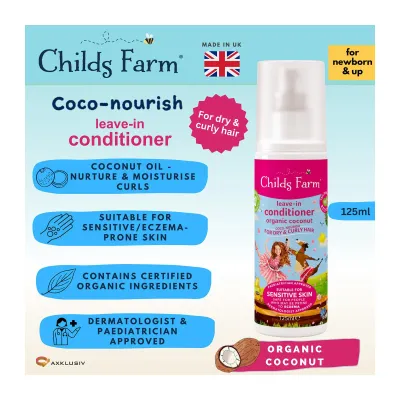
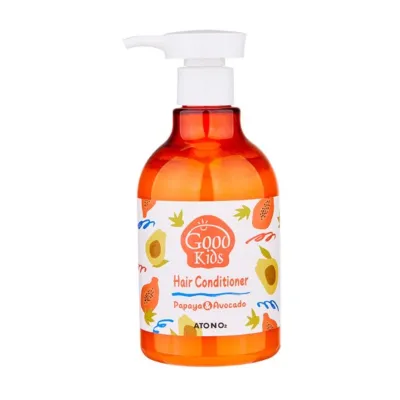
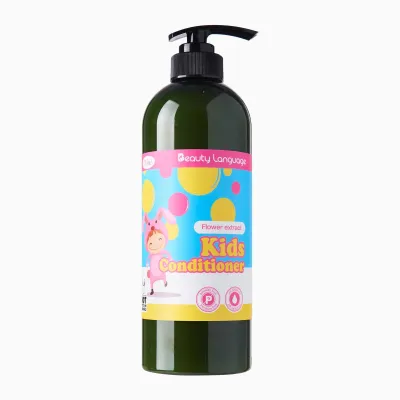
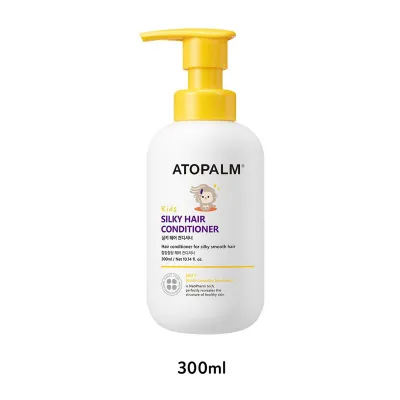
Prices are valid at publication and may change. Please refer to the product page for the latest price.
This notification process means the local distributor or manufacturer has declared that the product complies with safety guidelines, does not contain prohibited substances, and is manufactured under hygienic conditions. It places the legal responsibility on the company to ensure safety. For parents, verifying that a baby conditioner has a valid HSA notification is the absolute baseline for safety. It ensures there is a registered local entity accountable for the product’s safety and that the formulation adheres to regional cosmetic standards.
Relying on unnotified products, especially those purchased from unauthorized parallel importers on online marketplaces, increases the risk of exposing your baby to unregulated ingredients or substandard manufacturing practices. Because infant skin is highly permeable, choosing products with a verified regulatory status in Singapore is a critical step in minimizing exposure to harmful contaminants.
Decoding Ingredient Labels for Infant Hair Care
Reading the ingredient list on a baby conditioner can feel like deciphering a foreign language, but a few basic principles can help you identify gentle, nourishing formulations. Infant skin and hair are significantly thinner and more sensitive than adult skin, making them highly susceptible to irritation and chemical absorption. When reviewing a label, remember that ingredients are listed in descending order of concentration. The first few ingredients make up the bulk of the product.

Look for mild, plant-derived emollients and humectants that support the scalp’s natural moisture barrier. Ingredients such as glycerin, aloe vera leaf juice, and chamomile extract are excellent for soothing sensitive scalps while providing light hydration. Natural oils like jojoba oil or sweet almond oil can help detangle fine hair without leaving a heavy, greasy residue. These ingredients work by smoothing the hair cuticle, reducing friction, and preventing the painful knots that often occur during sleep or play.
Conversely, there are several common additives you should actively avoid. Strong surfactants and sulfates, such as sodium lauryl sulfate (SLS), are unnecessary in a conditioner and can strip natural oils, leading to dry, itchy scalps. Synthetic fragrances are a leading cause of contact dermatitis in infants; look for products labeled “fragrance-free” rather than “unscented,” as unscented products may still contain masking fragrances. Additionally, avoid harsh preservatives like parabens, formaldehyde donors (such as DMDM hydantoin), and methylisothiazolinone (MIT), which have been linked to skin sensitization and allergic reactions.
How to Verify a Product's HSA Notification Status
Verifying whether a baby conditioner is officially notified in Singapore is a straightforward process that parents can perform online. The HSA maintains a public database of notified cosmetic products, accessible through their official consumer portal. To check a product, you can search using the brand name, product name, or the name of the local importer.
When searching the database, ensure the spelling matches the packaging exactly. A successful search will display the product name, the company responsible for placing the product on the market, and the notification number. If a product does not appear in the database, it may not be legally notified for sale in Singapore, which should serve as an immediate red flag.
Beyond the online portal, you can spot potential compliance issues directly on the packaging. Legally compliant cosmetic products sold in Singapore must feature English labeling that includes the full ingredient list, usage instructions, batch number, and the name and address of the local importer or distributor. If you find a baby conditioner with labels entirely in a foreign language, missing distributor details, or carrying extravagant, unverified claims like “cures eczema instantly,” it is best to avoid the purchase. If you cannot confirm a product’s notification status, contact the retailer for clarification or choose an alternative product with a verifiable record.
Building Your Shortlist: Texture, Scent, and Packaging Checks
Once you have filtered out unnotified products and harsh ingredients, you can narrow down your shortlist based on practical usability during bath time. Bathing an active baby can be a slippery, fast-paced task, making product design and sensory factors highly influential in your daily routine.
First, consider the “tear-free” claim. While tear-free formulations are common in baby shampoos, they are also relevant for rinse-off conditioners. These formulas typically use non-ionic surfactants or specific pH-balanced ingredients that are less likely to sting if soapy water accidentally runs down your baby’s face. However, “tear-free” does not mean “irritation-free.” You should still exercise caution and rinse the hair carefully, keeping the product away from the eyes.
Next, evaluate the packaging. Squeeze bottles can be difficult to operate with one hand while holding a wet, squirming baby with the other. Pump dispensers are generally much more convenient, allowing you to dispense a precise amount of conditioner with a single press. Look for pumps that can be locked to prevent accidental spills or curious toddlers from pumping out the product themselves.
Finally, weigh the trade-offs of scents. While many parents love the classic “baby smell,” fragrance-free options are always the safest choice for newborns and infants with sensitive skin or eczema. If you prefer a scented product, opt for those that use very low concentrations of naturally derived extracts, and always perform a patch test on a small patch of skin before full application.
When and How to Safely Introduce Conditioner to Your Baby
Newborns and young infants rarely need hair conditioner. Their hair is typically fine, short, and easily managed with a gentle, two-in-one baby wash. As your baby grows into a toddler—usually around the age of one or when their hair becomes longer, thicker, or curly—you may notice more tangles, frizz, or dryness. This developmental transition is the ideal time to introduce a dedicated baby conditioner.
When applying conditioner, safety and technique are paramount. Always wash your hands first. Pour a small, pea-sized amount of conditioner onto your fingertips and apply it strictly to the mid-lengths and ends of your baby’s hair. Avoid applying conditioner directly to the scalp, as this can clog hair follicles, contribute to cradle cap, or cause unnecessary skin contact. Keep a clean, dry washcloth nearby to wipe away any stray product immediately.
Rinse the hair thoroughly with lukewarm water, cup your hand over your baby’s forehead to shield their eyes and face from the runoff, and ensure no residue is left behind. Always monitor your baby closely during and after the bath. If you notice any signs of scalp irritation, redness, hives, or persistent scratching, stop using the product immediately. Wash the area with plain water and consult a pediatrician if the symptoms do not clear up quickly.
Frequently Asked Questions (FAQ)
Do babies actually need hair conditioner?
For most newborns and young infants, hair conditioner is not a necessity. Their scalps naturally produce sufficient oils to keep their fine, short hair soft, and a mild baby shampoo or top-to-toe wash is usually more than enough. However, as babies grow and develop longer, thicker, or curly hair, friction from car seats, crib sheets, and daily play can cause tangling and matting. In these specific scenarios, a gentle, baby-specific conditioner can be highly beneficial. It helps smooth the hair shaft, making detangling easier and reducing hair breakage during brushing, which ultimately makes bath time a much more comfortable experience for both parent and child.
Can I use adult conditioner on my baby if it is HSA-notified?
No, you should not use adult conditioners on babies, even if the product is legally notified with the HSA. Adult hair products are formulated for mature skin and hair, meaning they often contain much higher concentrations of active ingredients, stronger synthetic fragrances, and preservatives that are unsafe for delicate infant skin. Furthermore, adult conditioners are rarely formulated to be tear-free and often have a lower pH level that can cause severe stinging and irritation if it gets into a baby’s eyes. Infant skin is thinner and absorbs substances more readily, making baby-specific formulations essential for safety.
What should I do if my baby develops a rash after using a new conditioner?
If your baby develops a rash, redness, or signs of irritation after using a new conditioner, stop using the product immediately. Gently rinse your baby’s scalp and skin with lukewarm, plain water to remove any remaining product residue, avoiding further scrubbing which can worsen the irritation. Keep the affected area clean and dry, and avoid applying any other scented lotions or bath products. If the rash persists, spreads, causes obvious discomfort, or is accompanied by swelling or a fever, seek professional medical evaluation from a pediatrician. You can also report adverse cosmetic reactions to the HSA or through your healthcare provider to help monitor product safety in Singapore.

Community discussion
Share your experience or ask a question. Comments are reviewed before publication.