
When buying food scissors for your child’s meals, you should look for rounded safety tips, secure blade covers or locking mechanisms, food-grade materials like high-quality stainless steel or ceramic, and a design that is easy to dismantle for thorough cleaning. These features ensure that preparing bite-sized portions for weaning babies and toddlers remains hygienic, quick, and safe, whether you are at home or dining out. Choosing the right tool involves balancing material durability with ease of maintenance to match your family’s daily routine.
As your child transitions to solid foods, the way you prepare their meals changes significantly. Toddlers and weaning babies require their food to be cut into precise, age-appropriate sizes to match their developing chewing abilities and prevent choking hazards. While a standard kitchen knife and cutting board can accomplish this, the process can be slow, messy, and impractical when managing a hungry child. Dedicated food scissors offer a streamlined, portable alternative that allows you to portion meals directly in the serving bowl.
Why Dedicated Food Scissors Matter for Weaning and Toddler Meals
Using specialized scissors over standard kitchen tools offers distinct practical advantages for daily child meal prep. The primary benefit is the ability to perform quick, precision cutting directly in the child’s bowl or plate. This eliminates the need to dirty a separate cutting board for every meal, saving valuable cleanup time during busy weekdays. With a dedicated tool, you can easily cut noodles, vegetables, pasta, and soft meats into safe, bite-sized portions in a matter of seconds.
Products mentioned in this guide
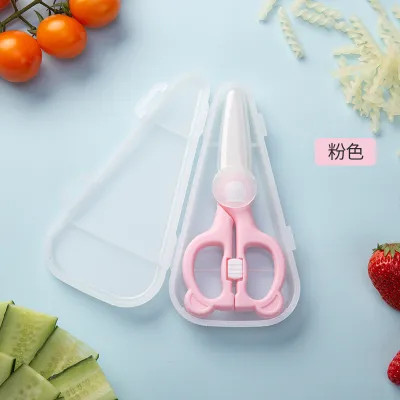
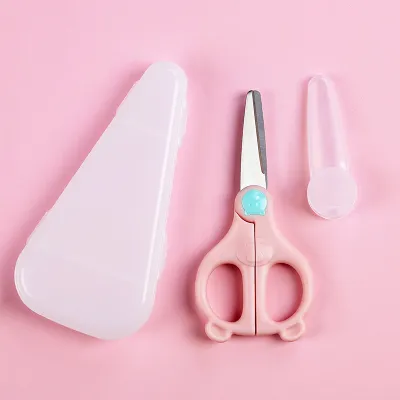
![[CHEAPEST] Baby Little Bear Ceramic Food Scissors / Stainless Steel Food Scissors High Quality with Travel Case Cover Safety Lock [Baebear.sg]](https://img.lazcdn.com/g/p/4b8b926562243d8539977af6f76205f8.jpg_400x400q80.jpg_.webp)
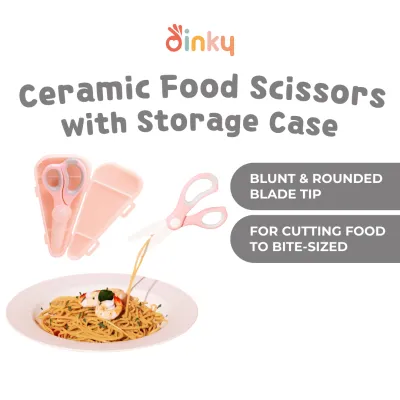
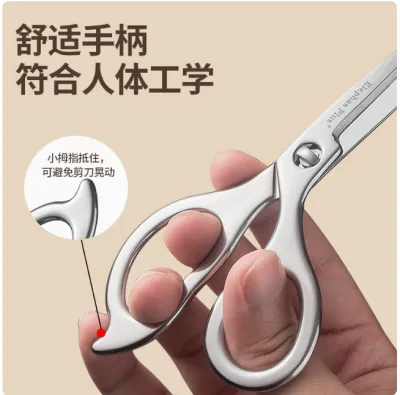
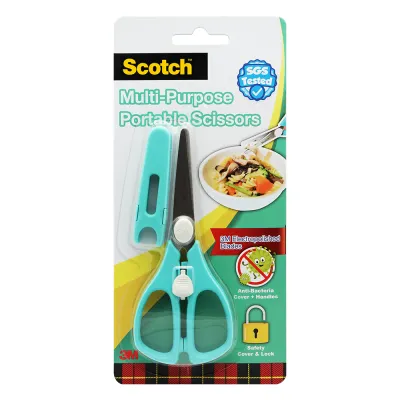
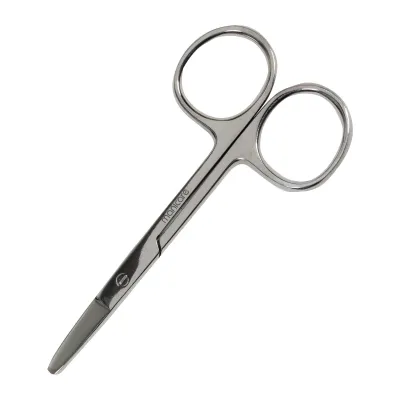
Prices are valid at publication and may change. Please refer to the product page for the latest price.
Minimizing cross-contamination is another critical reason to keep a dedicated pair of scissors for your child’s food. Standard kitchen shears are often used for opening packages, cutting raw meat, or trimming garden herbs, which can introduce harmful bacteria to a young child’s sensitive digestive system. By reserving a specific pair of scissors solely for your child’s cooked meals, you establish a reliable hygienic boundary that protects their health.
Portability is a major factor for families who frequently dine out or travel. Whether you are visiting a local cafe, a restaurant, or a busy food centre, standard table cutlery is rarely suited for finely mincing toddler meals. Compact food scissors designed for children’s meals typically come with protective travel cases, allowing you to carry them safely in a diaper bag and portion food discreetly at the table.
Essential Safety Features to Check Before Buying
When evaluating different models, safety should be your primary consideration. Start by examining the blade tips of the scissors. Standard household scissors feature sharp, pointed tips that can easily scratch plastic baby bowls, puncture silicone plates, or cause accidental injury if your child makes a sudden movement near the table. Look for scissors with rounded or blunt tips, which significantly reduce the risk of accidental punctures during active meal prep.

Storage safety is equally important, especially when carrying the scissors in a bag or storing them in a kitchen drawer. Look for models that feature secure locking mechanisms, such as sliding locks or button-activated guards, which prevent the blades from opening unexpectedly. A snug-fitting blade cover or a dedicated travel case is essential for keeping the blades clean and preventing accidental cuts when you are reaching into your diaper bag.
Always verify the manufacturer’s warnings and age suitability labels on the packaging before making a purchase. Some food scissors are designed strictly for adult operation and must be kept entirely out of reach of children, while others may have specific guidelines regarding the types of food they can safely cut. Understanding these boundaries helps ensure you use the tool safely and maintain its structural integrity over time.
Blade Materials and Food-Grade Compliance
The material of the blades determines how well the scissors cut, how easy they are to clean, and how long they will last. The two most common materials used for children’s food scissors are stainless steel and ceramic, each presenting distinct characteristics:
- Stainless Steel: This material is highly durable, resistant to chipping, and capable of cutting through tougher textures like meats and fibrous vegetables. However, stainless steel requires thorough drying after washing to prevent rust spots, particularly in humid climates.
- Ceramic: Ceramic blades are completely rust-proof, non-reactive, and excellent for maintaining a sharp edge without transferring metallic tastes or odors to the food. The trade-off is their brittleness; ceramic blades can chip or shatter if dropped on hard tiled floors or used to cut through bones or extremely hard foods.
To ensure the safety of your child’s meals, check the product packaging and manufacturer specifications for food-grade material compliance. Look for clear indications that the plastics used in the handles and covers are free from harmful chemicals like BPA. Rather than relying solely on vague marketing terms, look for recognized food-safe certifications or compliance labels detailed in the product documentation.
Ergonomics and Caregiver Convenience
Preparing meals for a toddler involves repetitive cutting motions that can quickly cause hand fatigue. To make the process more comfortable, look for scissors that incorporate ergonomic design elements. Some models feature spring-loaded or auto-open mechanisms that automatically push the handles back open after each cut, reducing the physical effort required from your fingers and wrist.
Handle texture and shape play a significant role in safety and comfort. Look for handles with non-slip grips, rubberized loops, or textured surfaces that provide a secure hold even when your hands are wet or greasy from kitchen prep. The loops should be large enough to accommodate adult fingers comfortably without pinching.
Additionally, consider the usability of the design if you have left-handed caregivers in your household. Many standard scissors are contoured specifically for right-handed use, which can make them awkward or painful for left-handed users to operate. Checking the product description to ensure the scissors feature an ambidextrous design will make meal prep easier for everyone involved in feeding your child.
Hygiene and Cleaning Requirements
The pivot point or hinge of any pair of scissors is a prime location for food residue, moisture, and bacteria to accumulate. To prevent these hygiene issues, look for scissors designed with detachable or take-apart hinges. These models allow you to easily separate the two blades for thorough cleaning and drying, ensuring no food particles remain trapped in the joint.
Before purchasing, check the manufacturer’s care instructions regarding cleaning methods. Determine whether the scissors are dishwasher-safe or if they require hand-washing to preserve the blade edge and handle material. If you plan to use a steam or UV sterilizer, verify that the plastic components of the scissors can withstand high temperatures or sterilization cycles without warping or degrading.
Avoid designs that feature complex crevices, deep decorative grooves, or highly textured handles where food residue can easily become lodged. Smooth, solid surfaces are much easier to wipe clean and sanitize quickly, helping you maintain a high standard of hygiene with minimal effort.
Building Your Shortlist: A Pre-Purchase Checklist
To find the right food scissors for your family, start by matching the tool’s primary design to your specific lifestyle needs. If you primarily prepare meals at home, a sturdier, slightly larger pair of stainless steel shears might be the most practical choice. Conversely, if you frequently eat out or travel, a lightweight ceramic pair with a compact, secure travel case will be more convenient.
Before finalizing your purchase, verify the retailer’s return policies and check if the manufacturer offers any warranty or replacement parts. Having access to replacement blade covers or cases can extend the lifespan of your purchase if a component is misplaced during an outing.
Finally, take the time to assess verified user feedback regarding the long-term performance of the models you are considering. Look for specific comments addressing how well the blades maintain their sharpness over several months of daily use, whether the hinge mechanism remains secure after repeated dismantling, and how easily the plastic parts withstand regular washing and sterilization.
Frequently Asked Questions (FAQ)
Can I use regular kitchen scissors for my baby's food?
While regular kitchen scissors can cut food, they are not recommended for preparing baby meals due to safety and hygiene risks. Standard kitchen shears often have sharp, pointed tips that can easily scratch plates or cause accidental cuts during quick meal prep. They are also frequently used for general kitchen tasks, which increases the risk of cross-contamination. Dedicated baby food scissors feature rounded tips, child-safety locks, and materials designed specifically for hygienic, table-side meal preparation.
Are ceramic blades better than stainless steel for kids' food scissors?
Neither material is universally superior, as both have distinct trade-offs. Ceramic blades are completely rust-proof, lightweight, and do not transfer odors, making them excellent for humid environments and cutting soft fruits, vegetables, and noodles. However, they are fragile and can chip if dropped. Stainless steel blades are highly durable and can handle tougher meats, but they require diligent drying to prevent rust. Choose the material that best aligns with your typical meal prep and maintenance preferences.
How do I know when it is time to replace the scissors?
You should replace your child’s food scissors if you observe physical signs of wear that compromise safety or hygiene. Inspect the tool regularly for permanent blade dullness, rust spots on metal parts, or loose pivot joints that prevent clean cuts. Additionally, look for cracks in the plastic handles or travel cases, as these crevices can harbor bacteria and weaken the structural integrity of the tool, making it unsafe to use.

Community discussion
Share your experience or ask a question. Comments are reviewed before publication.