
Finding the right tomato cracker for your baby or toddler in Singapore involves balancing taste, developmental readiness, and nutritional safety. While tomato-flavored snacks are popular for their savory, slightly tangy appeal, many adult versions are packed with sodium, artificial flavorings, and preservatives that are unsuitable for young digestive systems. To choose the best options available in local supermarkets and specialty baby stores, parents must look beyond attractive packaging and focus on age-appropriate textures, clean ingredient profiles, and strict safety standards. This guide provides a comprehensive framework to help you evaluate and select the safest, most nutritious tomato crackers for your little one.
Understanding Age Appropriateness and Texture Requirements
Babies do not chew like adults; they use their gums and tongue to mash food. Therefore, the texture of a tomato cracker must match their current developmental stage. For infants starting solid foods around six months, the ideal cracker is one that dissolves almost instantly when it comes into contact with saliva. These are often referred to as rice rusks or melt-in-the-mouth puffs, which minimize the risk of choking during the early stages of self-feeding.
As babies reach nine to twelve months, they begin to develop their pincer grasp, which is the ability to pick up small objects between the thumb and index finger. At this stage, smaller, bite-sized tomato puffs or lightly baked grain sticks are excellent for encouraging self-feeding. These crackers should still be soft enough to be easily mashed between the gums but firm enough not to crumble instantly when held by tiny hands.
Products mentioned in this guide
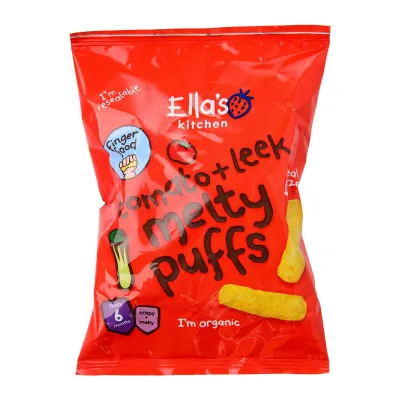
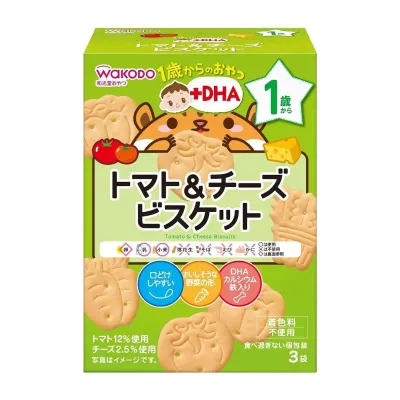
Prices are valid at publication and may change. Please refer to the product page for the latest price.
Toddlers over twelve months have more teeth and stronger jaw muscles, allowing them to handle firmer baked biscuits or multi-grain crackers. However, parents must remain cautious. Crackers that are too hard, thick, or brittle can snap into sharp fragments in the mouth, presenting a serious choking hazard. Avoid crackers with hard seeds, whole grains, or tough outer crusts that do not soften quickly with saliva.
Every reputable baby food brand prints an age guide on its packaging, such as “6 months+” or “12 months+”. While these guidelines are highly useful, they are not a substitute for active parental observation. Parents should assess their child’s individual chewing and swallowing skills before introducing a new texture, and always supervise snack times closely to prevent choking incidents.
Evaluating Ingredients and Nutritional Profiles
Reading the ingredient list is the most reliable way to verify what actually goes into a tomato cracker. Ingredients are listed in descending order of weight, meaning the first three to four ingredients make up the majority of the snack. For a high-quality tomato cracker, you want to see whole grains, such as organic brown rice, jasmine rice, or oats, and real tomato powder or tomato paste near the top of the list, rather than refined starches or sugars.

Watch out for artificial additives. Many commercial tomato snacks rely on artificial tomato flavorings, synthetic colors, and flavor enhancers like monosodium glutamate to mimic the taste of real tomatoes. For babies and toddlers, these additives are completely unnecessary and potentially irritating to their developing systems. Choose brands that derive their color and flavor solely from dehydrated organic tomatoes.
Sodium and sugar levels require strict scrutiny. The kidneys of infants and young toddlers are still maturing and cannot efficiently process high amounts of sodium. Pediatric guidelines generally recommend keeping sodium intake to an absolute minimum, particularly for babies under one year old. When comparing tomato cracker brands in Singapore, check the nutrition information panel and select products with the lowest sodium content per serving, ideally those with no added salt or sugar.
Allergen awareness is another critical step. Tomato crackers often contain wheat, soy, or dairy, which are common childhood allergens. Even if a cracker is naturally gluten-free, it may be processed in a facility that handles wheat, leading to cross-contamination. Carefully read the allergen warnings on the label, especially if your child has a known sensitivity or a family history of food allergies.
Navigating Labels and Safety Standards
Navigating the packaging of baby snacks requires a critical eye. Parents should look for recognized food safety marks and certifications that verify the product’s manufacturing standards. Organic certifications, such as the USDA Organic or EU Organic logo, indicate that the ingredients were grown without synthetic pesticides or genetically modified organisms. For families with specific dietary requirements, verifying Halal or kosher certifications on the packaging is also essential.
Singapore’s tropical climate presents unique challenges for food storage. High humidity and warm temperatures can accelerate food spoilage and cause crackers to lose their crispness quickly. Before purchasing, inspect the packaging integrity to ensure there are no micro-tears or broken seals. Check the expiration date carefully, keeping in mind that imported organic products often have shorter shelf lives due to the absence of chemical preservatives.
Beware of misleading marketing claims on the front of the box. Phrases like “all-natural,” “made with real vegetables,” or “veggie-rich” are frequently used to create a health halo around snacks that are otherwise highly processed. A tomato cracker might contain real tomato powder but still be loaded with palm oil, salt, and maltodextrin. Always turn the box over to verify these claims against the actual ingredient list and nutrition facts panel.
Safe manufacturing practices are paramount. Look for brands that explicitly state their compliance with international food safety standards, such as HACCP or ISO certifications. These systems ensure that the manufacturing process is monitored closely to prevent physical, chemical, or biological contamination, giving you peace of mind that the snack is safe for your child.
Building Your Shortlist: Where and How to Shop
When shopping for baby tomato crackers in Singapore, you have several reliable avenues. Local supermarkets often carry dedicated baby food aisles featuring international and regional brands. Specialty baby boutiques and organic grocers are excellent sources for premium, allergen-friendly options. Online marketplaces and specialized e-commerce platforms also offer a wide selection, often allowing you to buy in bulk for better value.
To make your shopping experience more efficient, create a conditional shortlist based on your child’s specific dietary needs. For example, if your baby is sensitive to gluten, your shortlist should focus exclusively on rice- or quinoa-based tomato crackers. If you are prioritizing low-sodium options, filter your choices to brands that state “no added salt” on their labels. Having a clear set of criteria helps you filter out unsuitable products quickly.
Introducing tomato crackers to your child’s diet should be done systematically. Tomatoes are moderately acidic and can occasionally cause a mild, harmless contact rash around the mouth, which should not be confused with a systemic allergic reaction. Introduce the cracker as a single new food over a period of three to five days, monitoring your child for any signs of adverse reactions, such as hives, vomiting, or breathing difficulties.
Portion control and meal planning are also important. While tomato crackers are a convenient snack, they should not replace nutrient-dense whole foods like fresh fruits, vegetables, and proteins. Use crackers as an occasional treat or a tool to practice self-feeding skills during snack times. Ensure your child is seated upright in a high chair and fully supervised by an adult throughout the entire feeding process.
Frequently Asked Questions (FAQ)
Can babies with reflux or sensitive stomachs eat tomato-flavored crackers?
Tomatoes are naturally acidic, which can sometimes trigger or worsen symptoms of acid reflux in sensitive infants. However, the tomato powder or paste used in commercial baby crackers is highly processed and often used in very small quantities, which significantly reduces its overall acidity compared to fresh tomatoes. If your baby has a history of reflux or a sensitive stomach, introduce tomato crackers in very small amounts and observe them closely for signs of discomfort, such as spitting up, fussiness, or arching their back. If you notice any persistent digestive issues, pause the snack and consult your pediatrician for professional guidance.
How should I store opened packs of baby crackers in a humid climate?
Singapore’s high humidity can cause opened crackers to absorb moisture rapidly, turning them soggy, stale, and potentially prone to mold growth within a short period. To maintain their crisp texture and ensure food safety, transfer any leftover crackers immediately to a clean, airtight glass or BPA-free plastic container. Store the container in a cool, dry pantry away from direct sunlight and heat sources like the stove or oven. Avoid storing baby snacks in the refrigerator unless specified by the manufacturer, as the condensation that forms when the container is opened can ruin the texture. If a cracker feels soft, bendy, or has an unusual smell, discard it immediately.

Community discussion
Share your experience or ask a question. Comments are reviewed before publication.