
Trimming a newborn’s nails can be one of the most nerve-wracking tasks for new parents. A baby’s nails grow incredibly fast, often requiring attention multiple times a week to prevent them from scratching their delicate faces. However, newborn nails are also extremely soft, thin, and closely adhered to the surrounding skin, making the margin for error very small. Using standard adult nail care tools poses a significant risk of accidental nicks and cuts, which can lead to discomfort or minor infections.
Selecting the right baby nail scissors is a critical safety decision that directly impacts your confidence and your baby’s comfort. The ideal tool must balance precise cutting ability with protective design elements that safeguard tiny fingers. By evaluating specific safety features, ergonomic handles, and material quality, you can find a pair of scissors that turns a stressful chore into a calm, routine task. This guide outlines the essential criteria to help you identify safe, effective tools and build a reliable shortlist for your baby’s nail care routine.
Essential Safety Features to Evaluate
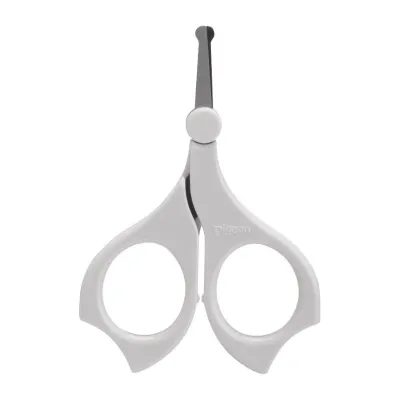
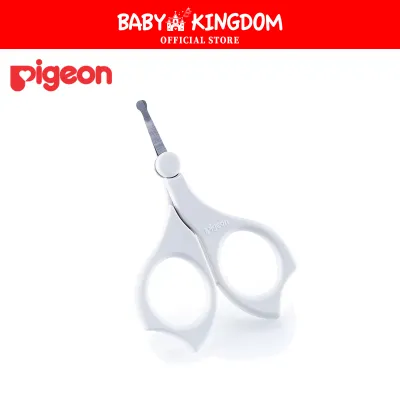
When shopping for baby nail scissors, safety features should always be your primary consideration. The most critical design element to look for is a rounded or blunt tip. Unlike adult scissors, which have sharp, pointed ends, baby-specific scissors feature bulbous, rounded tips. This design ensures that if your baby makes a sudden, unexpected movement during the trimming process, the blunt ends will not puncture or scratch their delicate skin. This simple modification provides a physical barrier against accidental injury, giving you peace of mind as you navigate the tiny contours of their fingers.
Products mentioned in this guide
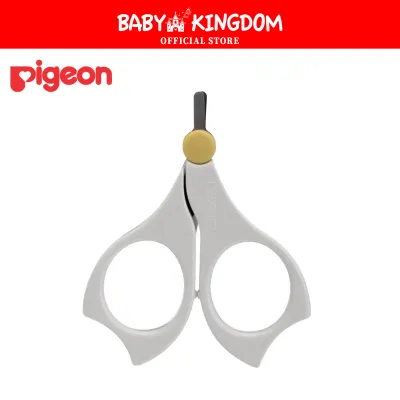
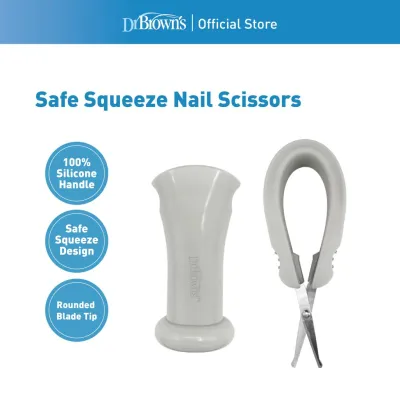
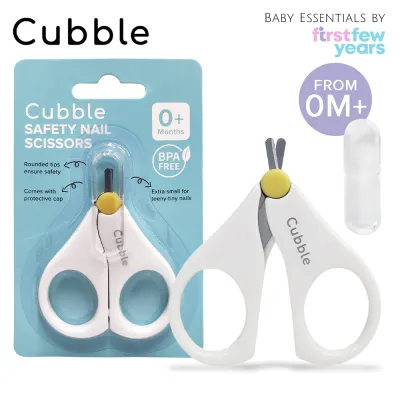
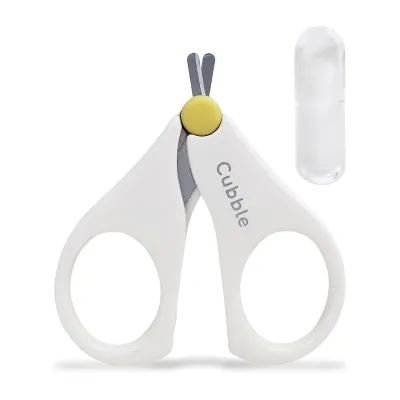
Prices are valid at publication and may change. Please refer to the product page for the latest price.
The dimensions of the blades themselves are equally important. Baby nail scissors are engineered with short, thin blades that are scaled down to match the size of newborn nails. Short blades limit the cutting field, allowing you to see exactly where the metal meets the nail. This high visibility is crucial for avoiding the sensitive skin of the nail bed. Furthermore, the blades must be thin enough to slide gently under the soft, flexible nail without pinching or pushing the surrounding skin upward into the cutting path. Thick blades can obstruct your view and increase the likelihood of catching the skin.
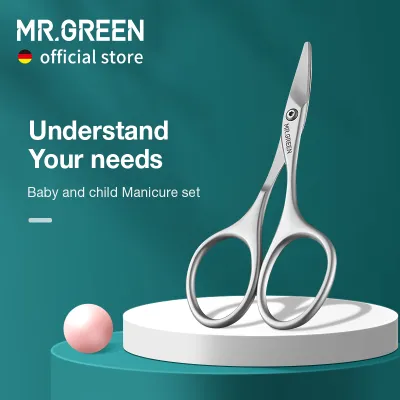
Another key aspect of blade design is the curvature. Many baby nail scissors feature slightly curved blades rather than straight ones. This gentle curve mimics the natural, rounded shape of a baby’s fingertip, allowing you to make smooth, continuous cuts without leaving sharp corners behind. Additionally, pay attention to the tension of the pivot screw. The blades should glide smoothly against each other without being too loose or too tight. If the pivot is too loose, the blades may fold the nail instead of cutting it; if it is too tight, it will require excessive force, reducing your control.
Finally, consider how the scissors are protected when they are not in use. High-quality baby nail scissors typically come with a custom-fit protective cap or storage cover. This accessory serves multiple safety purposes. It prevents the blades from becoming dull or damaged if they bump against other items in a drawer or diaper bag. More importantly, a secure cap ensures that the blades are not exposed to dust, lint, or accidental contact when you reach into your nursery storage. Always verify that the cap fits snugly and cannot be easily shaken off, maintaining a clean and safe tool between uses.
Ergonomics and Handling for Caregivers
While the safety features protect your baby, the ergonomic design of the scissors protects your control over the tool. Trimming tiny nails requires a steady hand, and the handle design plays a massive role in preventing slips. Look for scissors that feature non-slip textures or rubberized grips on the finger loops. During post-bath grooming sessions—which is often the easiest time to trim nails because they are at their softest—your hands may be slightly damp. A textured handle ensures that the scissors remain firmly anchored in your fingers, reducing the risk of a sudden slip that could startle or injure your baby.

The size and shape of the finger loops must also accommodate the caregiver’s hands. Many baby nail scissors are designed with oversized loops to ensure that adults of all hand sizes can maintain a comfortable and secure grip. If the loops are too small, they can pinch your fingers, causing muscle fatigue and reducing your precision. Conversely, if they are too large without any interior lining, your fingers may slide around, compromising your leverage. Testing the feel of the loops or checking product dimensions can help you find a pair that offers balanced tension and comfortable control.
Additionally, pay attention to the orientation of the scissors. Most standard baby nail scissors are designed to be ambidextrous, allowing both left-handed and right-handed caregivers to use them with equal ease. However, some specialized models may have contoured handles optimized for a specific dominant hand. If you are left-handed, verify that the blade alignment and handle shape will not obstruct your line of sight or force your hand into an awkward angle. A natural, comfortable grip allows you to focus entirely on the precise movement of the blades.
The overall length of the scissors also impacts your handling. Baby nail scissors are typically much shorter than standard household scissors, keeping the center of gravity closer to your hand. This compact size improves stability and reduces hand fatigue during meticulous trimming sessions. Some models even include an extra plastic extension or finger rest on the outer edge of one of the loops, allowing you to rest your pinky finger for additional stability and control when making precise cuts.
Material Quality and Hygiene Verification
The materials used in baby nail scissors directly affect their durability, safety, and hygiene. High-quality stainless steel is the industry standard for the blades, as it resists rust and maintains a sharp edge over time. When evaluating products, check the official packaging or manufacturer specifications to verify the grade of stainless steel used. In Singapore’s humid climate, rust resistance is particularly vital, as moisture in the air can accelerate the degradation of low-quality metals. A rusted blade is a major health hazard and must never be used on a child.
Hygiene is paramount when caring for a newborn, whose immune system is still developing. Before purchasing, review the manufacturer’s approved guidelines for cleaning and sanitizing the scissors. Some models can be wiped down with isopropyl alcohol, while others may have plastic handles that cannot tolerate harsh chemicals or high heat. Never assume that a tool can be boiled or steam-sterilized unless the manufacturer explicitly states it is safe to do so. Unauthorized sterilization methods can warp plastic components, loosen the pivot screw, or degrade the blade’s integrity.
Over time, even high-quality scissors will show signs of wear. It is important to inspect the tool regularly before each use. Look for any signs of dullness, such as the blades folding or tearing the nail rather than cutting it cleanly. A dull blade requires more force to cut, which significantly increases the risk of slipping. Additionally, check for any wobble at the pivot point; if the blades are loose, they will not align correctly, leading to uneven cuts. If you observe any rust, loose parts, or dullness, discard the scissors immediately and replace them.
Furthermore, check for lead-free and BPA-free plastics in the handles. Since babies often try to grab objects or put things in their mouths, ensuring that the plastic components are free from harmful chemicals is an important safety check for any nursery tool. Storing the scissors in a dedicated baby grooming kit or a sealed container helps protect them from environmental moisture and household dust, ensuring they remain clean and ready for use.
Scissors vs. Alternative Nail Care Tools
Understanding the unique physical characteristics of newborn nails helps clarify why scissors are often the preferred choice for early infancy. A newborn’s nails are incredibly thin, pliable, and closely attached to the underlying skin. In the first few weeks of life, the nail and the skin of the nail bed can be almost indistinguishable. This makes traditional adult clippers highly risky, as their clipping action relies on a blind squeeze that can easily trap and pinch the skin beneath the nail.
When comparing baby nail scissors to other common tools, several distinct advantages emerge. Scissors offer superior visibility because the blades are thin and the cutting action is open, allowing you to see the exact point of contact throughout the entire cut. Standard baby clippers, while smaller than adult versions, still obscure your view of the nail bed during the clip. Electric nail files or emery boards are another popular alternative, using rotating abrasive pads to file down the nail. While electric files are very gentle and virtually eliminate the risk of cutting the skin, they can be slow, require batteries, and may cause mild friction heat if held in one spot for too long.
Another factor to consider is the noise and tactile feedback. Electric files and clippers can make noise—either a motor hum or a sharp clicking sound—that might startle a sleeping or sensitive baby. Scissors are completely silent, making them the ideal tool for trimming nails while your baby is asleep. Additionally, scissors offer unmatched tactile feedback; you can feel the resistance of the nail as you cut, which helps you gauge the pressure and avoid cutting too deep.
As your baby grows, their nail texture and your grooming preferences may evolve. During the newborn stage, the precision and control of baby nail scissors are unmatched for trimming soft, paper-thin nails. However, as your child approaches six months of age, their nails will begin to harden and thicken. At this developmental milestone, you might find that a combination of tools works best—using scissors for quick trims and hangnails, and a baby clipper or electric file for shaping the tougher edges. Evaluating your comfort level and your baby’s temperament will help you decide which tool fits each stage of growth.
Building Your Shortlist: A Pre-Purchase Checklist
To help you navigate the wide variety of options available on online marketplaces and in physical baby specialty stores, it is helpful to use a structured verification checklist. First, look for explicit age-appropriateness labels on the packaging. Manufacturers design tools specifically for different stages, so ensure the product is marked as suitable for newborns (often labeled as 0+ months). Additionally, check for any recognized safety standard markings or quality certifications relevant to your region, which indicate that the product has undergone basic safety testing.
Next, leverage the experiences of other parents by reading user reviews on ecommerce platforms. Look past the overall star rating and search for specific feedback regarding long-term durability, blade sharpness, and ease of use. Pay close attention to any recurring complaints about mechanical failures, such as the pivot screw loosening quickly, or safety concerns like the blades being too sharp or poorly aligned. Real-world feedback from other caregivers can reveal practical issues that may not be apparent from the product description alone.
Finally, verify the manufacturer’s customer support policies before making your purchase. Check if the product comes with a warranty or a clear return policy in case the scissors arrive with manufacturing defects or misaligned blades. While baby nail scissors are generally affordable, a brand that stands behind its product quality is more likely to produce a reliable, safe tool. Additionally, check if the manufacturer offers replacement caps or storage cases, as losing these accessories can compromise the hygiene and safety of your nail care routine.
Frequently Asked Questions (FAQ)
When should I start trimming my newborn's nails?
You should start trimming your newborn’s nails as soon as they appear long enough to scratch their skin or when the edges become sharp and jagged. Rather than waiting for a specific day count or age milestone, observe the actual length and sharpness of your baby’s nails. Some babies are born with long nails that require immediate attention, while others may not need a trim for the first few weeks. Always check the manufacturer’s minimum age recommendations printed on the packaging of your baby nail scissors to ensure the tool is appropriate for your baby’s current stage. If you feel anxious or unsure about how to handle your baby’s nail development, consult your pediatrician or a qualified healthcare professional for guidance.
How do I properly clean and store baby nail scissors?
To maintain the hygiene and structural integrity of your baby nail scissors, always follow the specific cleaning, disinfecting, and drying instructions provided exclusively by the manufacturer. Generally, wiping the blades with a cotton pad dipped in isopropyl alcohol after each use is a safe way to sanitize the metal. Avoid using harsh household chemicals, boiling water, or unauthorized steam sterilization methods unless the manufacturer’s manual explicitly states they are safe, as extreme heat can warp plastic handles and degrade the blade alignment. After cleaning, ensure the scissors are completely dry before placing them back into their protective cap. Store the tool securely in a dry, clean location that is completely out of reach of children to prevent accidental injuries.

Community discussion
Share your experience or ask a question. Comments are reviewed before publication.