
Protecting an active toddler from sharp furniture corners is a top priority for parents in Singapore, where modern apartments often feature compact layouts with multi-functional furniture. Finding the right baby table edge protector requires balancing immediate impact absorption, material safety, and long-term adhesive durability. Because young children naturally explore their environment with their hands and mouths, the materials you introduce into your living space must be thoroughly vetted for chemical safety. Furthermore, Singapore’s tropical humidity presents a unique challenge for adhesive backings, making proper selection and installation critical to prevent guards from peeling off prematurely.
To secure your home effectively, you must evaluate edge protectors based on their material composition, profile shape, and adhesive quality. Rather than relying on generic product claims, a methodical approach to assessing safety standards, measuring furniture dimensions, and understanding installation techniques will ensure your child remains protected during their most active developmental stages. This guide provides a comprehensive framework to help you select, install, and maintain edge guards that suit your home’s aesthetic and your family’s safety needs.
Key Safety and Material Standards to Check
When shopping for baby safety products on online marketplaces or in local specialty stores, verifying material safety certifications is your first line of defense. Because infants and toddlers frequently bite or chew on edge guards during teething phases, the chemical composition of these products is just as important as their physical cushioning. Look for products that explicitly state they are free from bisphenol A (BPA), phthalates, heavy metals, and latex. Reliable manufacturers will often reference compliance with international safety standards, such as the European Union’s EN 71-3 standard for toy safety or REACH regulations, which restrict harmful chemical substances. Always inspect product packaging or digital listings for verified testing labels rather than accepting broad, unsubstantiated claims of non-toxicity.
Products mentioned in this guide
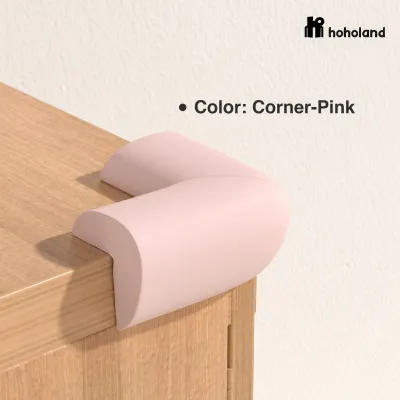

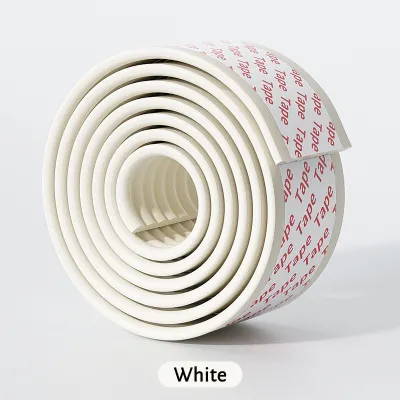
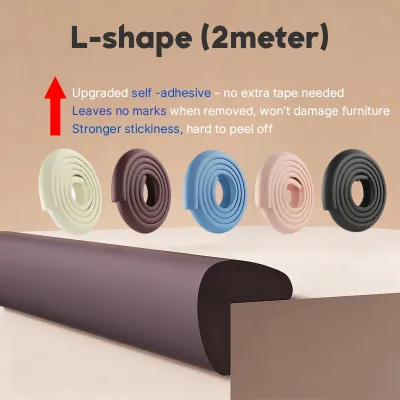
Prices are valid at publication and may change. Please refer to the product page for the latest price.
Physical density is another critical factor that determines how well a protector cushions a fall. A high-density guard will absorb the force of an impact and prevent a child’s head from making direct contact with the hard wood or glass underneath. To evaluate density, perform a simple pinch test: compress the material firmly between your thumb and forefinger. If the material easily collapses to the point where you can feel your fingers meeting with minimal resistance, it may not provide sufficient protection for high-impact areas or taller tables. For low coffee tables and TV consoles, which are at the exact height of a crawling or cruising baby’s forehead, thicker and denser materials are highly recommended.
Finally, the adhesive backing must be carefully matched to your specific furniture finish to ensure a secure hold without causing permanent damage. Many high-quality edge protectors utilize acrylic-based double-sided tapes, which offer excellent shear strength and resistance to moisture. In Singapore’s humid climate, standard rubber-based adhesives can soften and slide, leaving a sticky residue while allowing the protector to peel away. Before purchasing, check the manufacturer’s instructions to confirm whether the adhesive is compatible with polyurethane-coated wood, tempered glass, metal, or laminated surfaces.
Comparing Common Edge Protector Materials
Selecting the right material involves balancing aesthetic preferences, the type of furniture you own, and your child’s current developmental stage. The two most common categories of edge protectors are soft foams and transparent plastics, each offering distinct advantages and trade-offs. While one material might excel at cushioning high-velocity impacts in a play area, another might be better suited for preserving the clean lines of a glass dining table in your living room. Understanding these differences allows you to customize your childproofing strategy room by room.

Foam and NBR (Nitrile Butadiene Rubber)
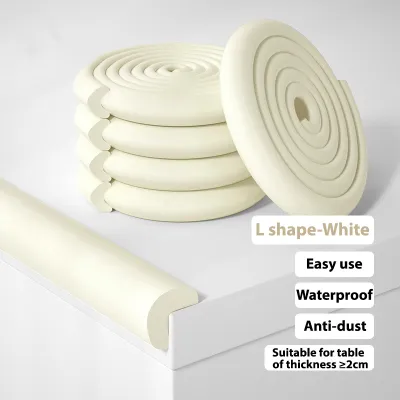
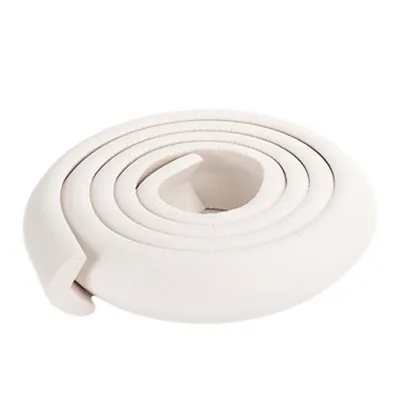
Foam edge protectors, typically made from Nitrile Butadiene Rubber (NBR), are highly favored for their exceptional shock absorption and soft, spongy texture. These guards are thick and highly compressible, making them the ideal choice for sharp, unforgiving edges on heavy wooden dining tables, low-slung coffee tables, and stone countertops. Because NBR foam can be manufactured in various colors, you can often find options that closely match your dark wood, white laminate, or grey stone furniture, helping the safety gear blend more naturally into your home decor.
However, foam protectors do have notable drawbacks that parents must consider. The soft, textured surface of NBR foam can be highly appealing to teething babies, who may attempt to bite off and swallow small chunks of the material. This creates a potential choking hazard, meaning close caregiver supervision is necessary, and damaged foam guards must be replaced immediately. Additionally, foam is bulkier than other materials, which can significantly alter the appearance of your furniture and make the protected edges more prominent. Foam is also more susceptible to absorbing liquids and oils, requiring regular, careful cleaning to maintain hygiene.
Silicone and Clear PVC
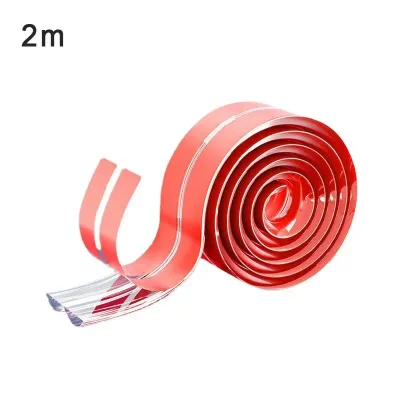
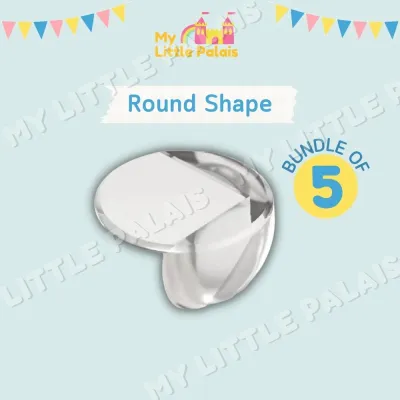
For parents who prefer a more discreet childproofing solution, silicone and clear Polyvinyl Chloride (PVC) edge protectors offer an excellent alternative. These materials are transparent or semi-translucent, allowing the natural grain of your wooden tables or the sleek edge of a glass table to remain visible. Because they are much slimmer and less conspicuous than bulky foam guards, they are highly suited for formal dining areas and modern, minimalist interiors. Silicone, in particular, is highly durable, resistant to biting, and naturally hypoallergenic, making it a safer option for teething children who tend to chew on household surfaces.
Despite their aesthetic appeal, transparent plastic and silicone guards require careful inspection to ensure they offer adequate impact protection. Because these materials are thinner and firmer than NBR foam, they rely on structural design—such as internal air pockets or ribbed chambers—to absorb shock. When choosing silicone or PVC guards, look for profiles that feature a hollow-core design or a multi-layered structure, which compresses under pressure to disperse the force of a collision. Additionally, clear adhesives are required for these protectors to maintain their transparent look, so you must verify that the included tape is UV-resistant to prevent it from yellowing over time when exposed to sunlight near windows.
How to Measure and Select the Right Profile
To achieve a seamless and secure fit, you must accurately measure your furniture and select the appropriate profile shape before making a purchase. Gaps or poorly fitted guards not only compromise safety but also invite curious little fingers to pull the protectors off. Start by measuring the total perimeter of the table edges you plan to cover using a flexible measuring tape. If you are childproofing multiple pieces of furniture, document the measurements for each piece separately, noting whether the edges are straight, curved, or meet at sharp ninety-degree angles.
Edge protectors are available in several profiles, each designed for specific furniture shapes. L-shaped profiles are the most common and are designed to wrap around standard ninety-degree edges, covering both the top surface and the vertical side of the table. U-shaped profiles are ideal for thin surfaces, such as glass tabletops or metal shelving, as they wrap around the top, edge, and bottom of the surface simultaneously, providing complete coverage. For rounded tables or irregular shapes, continuous rolls of flexible material are highly versatile, as they can be cut to custom lengths and bent slightly to follow gentle curves.
When calculating the total length of material needed, always add a ten percent margin to your final measurements to account for cutting errors and corner adjustments. If you are using continuous rolls, you will also need to decide between purchasing pre-cut corner pieces or cutting the corners yourself. Pre-cut corner guards are highly recommended for beginners, as they eliminate the need for complex miter cuts and ensure a neat, gap-free fit at the most dangerous points of the table. If you choose to cut continuous rolls to fit corners, use a sharp utility knife and a metal ruler to achieve clean, precise forty-five-degree angles.
Installation, Adhesion, and Removal Guidelines
The effectiveness of any baby edge protector depends heavily on how well it is installed. Proper surface preparation is the most critical step in ensuring a long-lasting bond, especially in Singapore’s humid environment. Begin by thoroughly cleaning the furniture surface with a mixture of mild dish soap and water, or a rubbing alcohol solution if the furniture finish permits. Remove all dust, grease, wax, and fingerprint oils, as even a microscopic layer of debris can prevent the adhesive from bonding correctly. Allow the surface to dry completely before proceeding; applying tape to a damp surface will inevitably lead to premature peeling.
Once the surface is clean and dry, measure and cut your edge protector to the exact length required. Apply the double-sided adhesive tape to the inside of the protector first, pressing down firmly along the entire length to eliminate air bubbles. When applying the protector to the table, start from one end and gradually press it onto the edge, working your way to the other end to maintain alignment. Once the guard is in place, apply firm, even pressure along the entire surface for at least sixty seconds. For the best results, allow the adhesive to cure undisturbed for twenty-four hours before allowing children near the furniture or subjecting the guard to any pulling forces.
When your child outgrows the need for edge protectors, removing them safely requires patience to avoid damaging delicate wood veneers, lacquers, or glass surfaces. Never attempt to rip the guards off forcefully, as this can tear away the wood grain or leave a stubborn, unsightly residue. Instead, use a handheld hair dryer on a low-heat setting to gently warm the adhesive through the protector. The heat will soften the acrylic or rubber-based glue, allowing you to slowly peel the guard away from one end. Any remaining adhesive residue can be safely dissolved using a small amount of vegetable oil, baby oil, or a dedicated adhesive remover, followed by a wipe-down with a damp cloth.
Red Flags and Features to Avoid
Navigating the vast array of baby safety products online can be overwhelming, and many low-cost options carry hidden risks. One of the most critical red flags to avoid is edge protectors that consist of small, easily detachable decorative elements. While cartoon-shaped corner guards may look appealing, they can easily be pried off by a determined toddler and quickly become a severe choking hazard. Stick to simple, streamlined designs that do not feature small parts, loose embellishments, or easily removable components.
Another common issue is the inclusion of low-quality, generic adhesive tapes that are not formulated to withstand high humidity. Many budget-friendly edge guards come bundled with thin, non-branded double-sided tape that loses its tackiness within a few weeks of exposure to Singapore’s warm, moist air. If a product listing does not specify the brand or type of adhesive included, consider purchasing high-quality, reputable double-sided mounting tape separately to ensure a secure and reliable installation.
Lastly, avoid edge protectors made from overly rigid plastics or low-density foams that do not compress upon impact. A protector that is too hard defeats the purpose of childproofing, as it will fail to absorb the energy of a fall and can still cause bruising or lacerations. Always prioritize materials that offer a balance of firmness and compressibility, ensuring they are soft enough to cushion a delicate forehead yet durable enough to withstand daily wear and tear.
Frequently Asked Questions (FAQ)
When should I remove baby table edge protectors?
Most parents find that the need for edge protectors diminishes when their child reaches around two to three years of age. At this stage, children have typically developed better spatial awareness, physical coordination, and walking stability, significantly reducing the frequency of accidental falls. However, instead of removing all safety guards at once, adopt a gradual removal strategy. Start by removing protectors from low-traffic areas or higher tables that are no longer at head height, while keeping them on high-risk zones like low coffee tables until you are confident in your child’s stability.
Can edge protectors damage my wooden or glass tables?
Adhesives can potentially damage delicate furniture finishes, particularly untreated wood, soft veneers, or antique lacquers. When the adhesive is pulled off, it can lift the top layer of varnish or wood fibers along with it. To minimize this risk, always use the heat-softening removal method with a hair dryer rather than pulling the guard off cold. For highly sensitive or valuable wooden surfaces, you may want to consider using tension-fit guards or temporary physical barriers that do not rely on strong chemical adhesives.
How do I clean and maintain silicone or foam edge guards?
To maintain hygiene without degrading the protective materials, clean the guards regularly using a damp cloth and a mild, baby-safe detergent. Avoid using harsh chemical cleaners, bleach, or abrasive scrubbing pads, which can break down NBR foam or scratch the surface of silicone and PVC. Inspect the edge protectors weekly for signs of wear and tear, such as peeling edges, cracks, or bite marks. If you notice any loose sections or damaged material, replace the affected guard immediately to prevent choking hazards and ensure continuous protection.

Community discussion
Share your experience or ask a question. Comments are reviewed before publication.