
When selecting an adhesive ear cleaner for your baby’s grooming kit in Singapore, safety must be your absolute priority. Because an infant’s ear canal is exceptionally delicate, narrow, and naturally self-cleaning, no single grooming tool can guarantee absolute safety if used incorrectly. The safest adhesive ear cleaner is not one that promises deep cleaning, but rather one designed strictly for the outer ear. It must feature physical design barriers that prevent deep insertion, utilize hypoallergenic and skin-safe adhesives, and align perfectly with your baby’s specific developmental stage.
By focusing on products that target only the visible, external parts of the ear, you can maintain your baby’s hygiene without risking damage to their fragile eardrum or disrupting the natural protective environment of the ear canal. This guide outlines the essential safety features, label verification steps, and proper usage techniques to help you make an informed choice for your baby’s daily care routine.
Understanding Adhesive Ear Cleaners and Baby Ear Safety
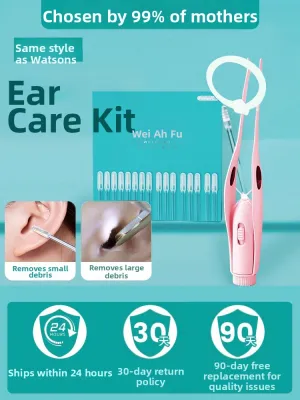
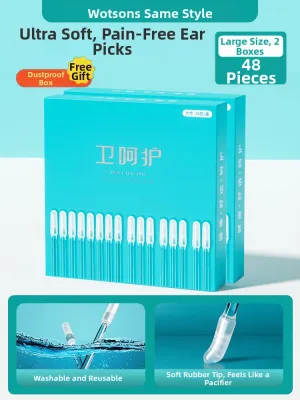
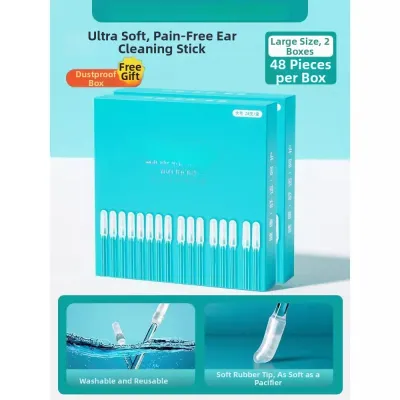
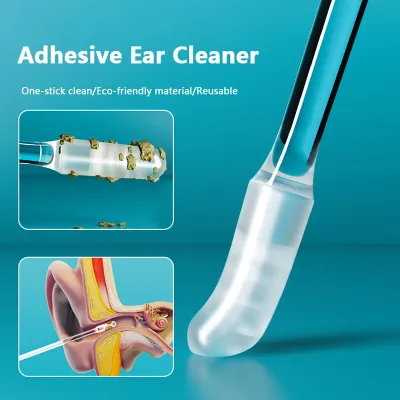
Adhesive ear cleaners are specialized grooming tools designed to lift dry skin flakes, loose dirt, and superficial wax from the outer ear without the need for scraping or moisture. Unlike standard cotton swabs, which have a uniform cylindrical shape and fluffy cotton tips, adhesive cleaners typically feature a gently tacky, pressure-sensitive adhesive on a soft tip. Some designs use a spiral silicone head, while others utilize a modified cotton bud structure where one end is coated with a mild, skin-safe adhesive. The primary mechanism relies on simple contact adhesion: when the tip touches loose debris on the outer ear, the debris sticks to the adhesive and is lifted away cleanly, minimizing the friction and rubbing that can irritate sensitive infant skin.
Products mentioned in this guide

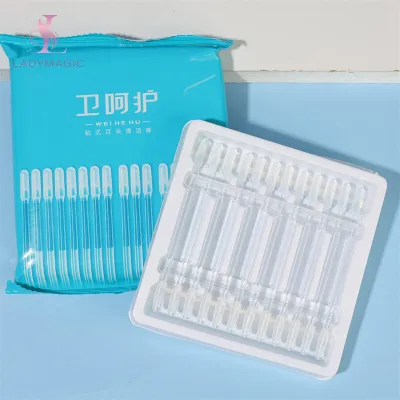
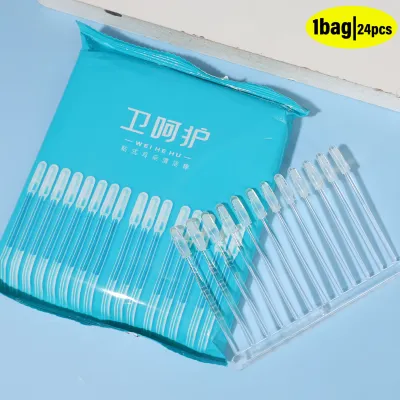
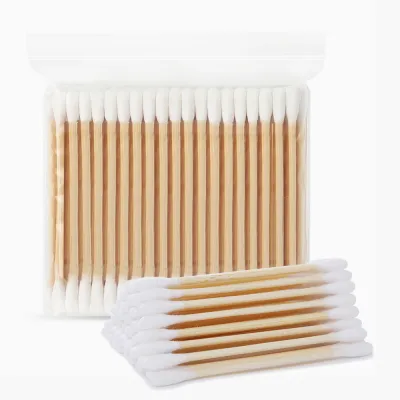
Prices are valid at publication and may change. Please refer to the product page for the latest price.
To understand why these tools must be selected and used with extreme caution, it is helpful to look at the anatomy of a baby’s ear. An infant’s ear canal is much shorter, straighter, and more horizontal than an adult’s, meaning the delicate tympanic membrane (the eardrum) sits much closer to the external opening. Furthermore, the skin lining the canal is incredibly thin and easily scratched. Pediatricians and ear, nose, and throat (ENT) specialists emphasize that the ear canal is a self-cleaning organ. Cells inside the canal slowly migrate outward, carrying old wax and debris with them. This earwax, or cerumen, is not dirt; it is a vital protective barrier that lubricates the canal, traps dust, and possesses natural antibacterial properties that help prevent infections.
The universal medical consensus regarding baby ear hygiene is straightforward: you should never insert any cleaning tool, cotton swab, or adhesive tip into the ear canal itself. Doing so risks pushing earwax deeper, which can lead to painful impaction, temporary hearing loss, or localized infections. More critically, sudden movement from a baby during insertion can cause the tool to puncture the eardrum, leading to severe pain and potential long-term hearing complications. Therefore, adhesive ear cleaners must be viewed strictly as external grooming aids, designed solely to tidy up the visible folds of the outer ear (the pinna) and the area immediately surrounding the entrance of the canal.
Key Safety Features to Evaluate Before Buying
When shopping for an adhesive ear cleaner to add to your baby’s grooming kit, you must look past marketing claims and carefully evaluate the physical design of the product. The most critical safety feature is an anti-penetration design. High-quality baby ear cleaners often incorporate physical stops, such as an oversized safety shield or a bulbous, stepped tip design. These physical barriers are engineered to be wider than a typical infant’s ear canal opening, making it mechanically difficult or impossible for a caregiver to accidentally insert the tip too deeply. If a product resembles a standard, straight-shaft cotton swab without any safety flare or barrier, it carries a much higher risk of accidental over-insertion and should generally be avoided for infant care.

Material safety is another paramount consideration, especially given the high prevalence of sensitive skin and eczema among infants in Singapore’s humid climate. You should examine the product packaging to verify that the adhesive used is hypoallergenic, dermatologically tested, and free from common skin irritants. The shaft and tip materials should be made from medical-grade silicone, high-quality BPA-free plastics, or premium organic cotton. Avoid products that do not clearly state the composition of their adhesive, as low-grade adhesives can leave a sticky residue inside the ear, which can trap dirt or cause localized allergic contact dermatitis.
Age grading is a crucial indicator of a product’s suitability. Manufacturers design these tools with specific developmental stages in mind, taking into account the average size of an infant’s ear at various months of growth. Always check the packaging for an explicit minimum age recommendation or weight range. A tool designed for a toddler or older child may have a tip that is too large or an adhesive that is too strong for a newborn. Never assume a product is safe for a newborn unless the label explicitly states it is suitable for that age group.
Finally, you must assess the structural integrity of the cleaner. The adhesive tip, whether made of silicone, rubber, or cotton, must be securely and permanently bonded to the central shaft. During manufacturing, poor quality control can result in tips that loosen or detach when exposed to body heat or mild tension. If a tip detaches while in use, it can become a foreign body lodged in the outer ear, requiring medical intervention to remove. Before purchasing, inspect the product construction, and always perform a quick manual check by gently tugging the tip of each individual cleaner before using it on your baby.
Building Your Shortlist: What to Check on the Label
Navigating the baby care aisle in Singapore’s retail pharmacies or browsing online marketplaces requires a critical eye. To build a safe shortlist, start by looking for clear safety compliance marks and pediatric testing claims on the packaging. Reputable manufacturers often subject their products to independent dermatological testing to ensure the adhesive is gentle on infant skin. Look for labels that explicitly state “pediatrician-tested,” “hypoallergenic,” or show compliance with recognized international safety standards for children’s products. While these labels do not replace careful usage, they indicate that the manufacturer has invested in basic safety verification.
Be vigilant against common red flags on product packaging. Avoid items that feature vague age ranges, such as “for the whole family,” without specifying safe parameters for infants. Missing manufacturer contact details, lack of an ingredient list for the adhesive, or instructions written in poorly translated, ambiguous language are significant warning signs. Most importantly, reject any product that makes misleading claims of “deep canal cleaning,” “wax extraction from the inner ear,” or promises to cure ear infections. These claims run directly counter to safe pediatric practices and suggest the product is not designed with infant safety in mind.
Another decision point is choosing between reusable and disposable adhesive ear cleaners. Disposable, single-use adhesive swabs are highly convenient and hygienic, as they eliminate the risk of cross-contamination or bacterial growth between uses. However, they generate more waste and require ongoing purchases. Reusable options, typically featuring washable silicone tips with a naturally tacky surface, are more environmentally friendly and cost-effective over time. If you choose a reusable tool, you must carefully review its sterilization and maintenance requirements. Ensure you can easily wash, sanitize, and dry the tool according to the manufacturer’s instructions without degrading the adhesive properties of the tip, as damp or improperly cleaned tools can harbor harmful bacteria.
Lastly, evaluate the physical handling characteristics of the cleaner, specifically the handle grip and shaft flexibility. A baby can squirm or make sudden, unpredictable movements at any moment during grooming. A safe ear cleaner should have an ergonomic, non-slip handle that allows you to maintain a firm, steady grip even with slightly damp hands. The shaft itself should offer a balance of flexibility and strength; a semi-flexible shaft will bend slightly under sudden pressure, absorbing the force of an unexpected head turn and reducing the risk of localized trauma to the outer ear.
Safe Usage Practices and When to Seek Professional Help
Even the safest tool can cause harm if used incorrectly, making proper technique the cornerstone of baby ear hygiene. When preparing to clean your baby’s ears, ensure you are in a well-lit room free from distractions. Hold your baby securely, perhaps during a calm moment after a bath when they are relaxed. Gently support their head to minimize sudden movements. Using the adhesive cleaner, restrict your movements entirely to the visible, external parts of the ear. Gently wipe around the outer ear folds (the pinna), the groove behind the earlobe where sweat and milk residue often collect, and the very entrance of the ear canal. Never push, press, or slide the tool into the dark opening of the canal.
As a caregiver, you must remain highly observant during the grooming process. Stop using the tool immediately if your baby shows any signs of distress, discomfort, or active resistance. Forcing a grooming tool on a struggling baby significantly increases the risk of accidental injury. Additionally, inspect the ear before and after cleaning; if you notice any localized redness, swelling, skin irritation, or if the baby scratches their ear frequently after use, discontinue using the product and monitor the skin closely.
There are several scenarios where home grooming must be suspended entirely in favor of professional medical evaluation. If you observe any unusual discharge, such as yellow or green fluid, pus, or blood, or if you notice an unpleasant odor coming from the ear, these are classic signs of an ear infection that require prompt attention from a pediatrician. Similarly, if you suspect your baby has a buildup of hardened earwax deep inside the canal (wax impaction), do not attempt to dissolve or extract it yourself with adhesive tools or ear drops. Instead, visit a local polyclinic or a general practitioner in Singapore, where a healthcare professional can safely inspect the ear canal using an otoscope and perform a safe, controlled removal if necessary.
Frequently Asked Questions (FAQ)
Can I use regular cotton swabs instead of an adhesive ear cleaner?
Regular cotton swabs are not recommended for cleaning a baby’s ears because their uniform, narrow shape makes it very easy to accidentally insert them too deeply into the delicate ear canal. When a standard swab is inserted, it acts like a plunger, pushing loose earwax deeper into the canal and compacting it against the eardrum. This can lead to painful wax impaction, irritation, and potential injury to the eardrum if the baby moves suddenly. Specialized baby adhesive ear cleaners or safety swabs are specifically engineered with physical safety barriers, bulbous tips, or gentle adhesive surfaces designed to target only the outer ear, making them a much safer choice for an infant’s grooming kit.
How often should I clean my baby's ears with these tools?
There is no medical need to clean your baby’s ears on a rigid daily schedule, as earwax is a natural, self-cleaning substance that protects the ear canal. You should only clean the outer ear when you notice visible buildup of dry wax, dust, or sweat in the outer folds or behind the earlobe. For most babies, a gentle wipe with a damp washcloth during bath time is sufficient for daily hygiene. If you choose to use an adhesive ear cleaner, limit its use to once or twice a week, or only when visible debris accumulates on the external ear. Always prioritize the natural self-cleaning process of the inner canal and avoid over-grooming, which can strip away protective oils and dry out the sensitive skin of the outer ear.

Community discussion
Share your experience or ask a question. Comments are reviewed before publication.