
When shopping for an ear cleaner for kids, the most critical features to look for are physical safety guards, soft medical-grade materials, and ergonomic designs that prevent deep insertion. Unlike adult grooming tools, children’s ear cleaners must be specifically engineered to account for a child’s delicate anatomy and sudden, unpredictable movements. By focusing on tools that target only the outer ear and feature built-in depth limiters, you can safely manage your child’s hygiene without risking injury to their sensitive ear canal.
Why Standard Ear Cleaners Are Unsafe for Children
Children are not just smaller versions of adults; their physical anatomy is highly delicate and still developing. The ear canal of an infant or toddler is extremely short and narrow, meaning the eardrum sits much closer to the external opening than it does in an adult. This proximity makes the eardrum highly vulnerable to accidental contact, which can cause severe pain or permanent damage.
Furthermore, young children rarely remain perfectly still during grooming routines. A sudden head turn, a startle reflex, or a playful wiggle can instantly turn a routine cleaning session into an emergency if you are using an inappropriate tool. Standard cotton swabs and rigid adult ear picks lack the safety mechanisms necessary to buffer against these sudden movements.
Products mentioned in this guide
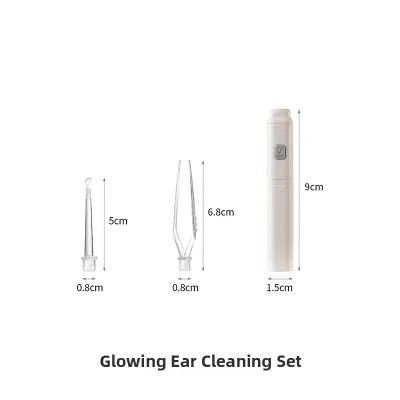
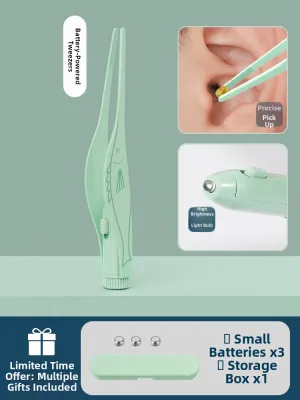
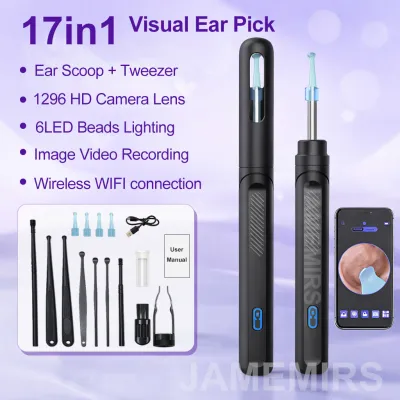
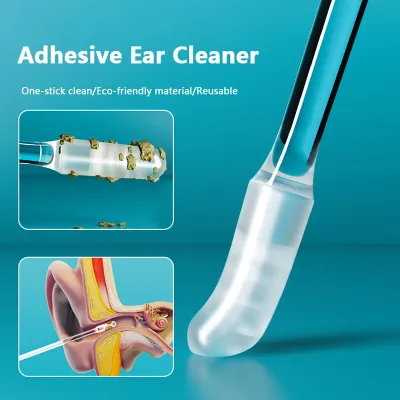



Prices are valid at publication and may change. Please refer to the product page for the latest price.
Using standard cotton swabs often worsens the very problem you are trying to solve. Instead of removing earwax, the wide, blunt tip of a cotton swab tends to act like a plunger, pushing the wax deeper into the canal where it can become impacted. Additionally, the dry cotton fibers can cause micro-abrasions on the thin, sensitive skin lining the ear canal, creating entry points for bacteria and increasing the risk of painful outer ear infections.
Critical Safety Features to Verify Before Buying
To protect your child from accidental injury, the first and most important feature to verify is a physical depth-limiting guard. This is often designed as a wide collar, flange, or bulky base situated just behind the cleaning tip. This structural barrier physically prevents the tool from being inserted too deeply into the ear canal, regardless of how much pressure is applied or how suddenly your child moves.

Another key safety feature is a flexible or bendable tip. Unlike rigid plastic or metal tools that remain stiff under pressure, a high-quality children’s ear cleaner features a tip that yields or bends when it encounters resistance. This flexibility acts as a shock absorber, significantly reducing the force exerted on the delicate tissues of the ear if your child makes an unexpected movement.
You should also closely inspect the edges of any tool you consider. The cleaning tip must feature rounded, blunt, or smooth spoon-shaped edges rather than sharp or pointed profiles. Even minor roughness on a plastic edge can scratch the sensitive skin of the outer ear, leading to discomfort and potential irritation.
Many modern ear cleaners come equipped with built-in LED lights or miniature cameras to improve visibility. While these features can be helpful for inspecting the outer ear, they should never be viewed as a guarantee of safety. Enhanced visibility does not replace the need for physical safety guards, as a parent’s hand can still slip, or a child can still flinch. Use these illuminated tools strictly as visual aids to check the outer ear, rather than as a license to perform deep extractions.
Evaluating Materials for Safety and Hygiene
The materials used in a child’s ear cleaner directly impact both safety and hygiene. Medical-grade or food-grade silicone is widely considered the gold standard for children’s grooming tools. Silicone is exceptionally soft, hypoallergenic, and gentle on sensitive skin, providing a comfortable experience for your child while offering a reliable grip for the parent.
When browsing products on an online marketplace or in a local baby care aisle, always verify the material safety claims directly on the product packaging. Look for explicit labels indicating that the product is BPA-free, phthalate-free, and latex-free. These certifications ensure that no harmful chemicals will leach into your child’s skin during use.
Avoid any ear cleaning tools made of rigid metals, glass, or hard, brittle plastics. While these materials are common in adult ear care kits, they pose an unacceptable risk for active toddlers and infants. A rigid tool can easily lacerate the ear canal or puncture the eardrum if the child bumps against it, whereas soft silicone will simply bend.
Hygiene is another crucial factor, as the ear is highly susceptible to bacterial infections. Choose non-porous materials that resist bacterial buildup and can withstand regular sanitization. The tool should be easy to clean with warm, soapy water, and ideally, it should be compatible with standard baby sterilizers or boiling water without warping or degrading.
Design Elements That Improve Parental Control
A safe ear cleaner must not only be gentle on the child but also easy for the parent to control. Look for tools featuring non-slip, ergonomic handles designed specifically for a parent’s hand. A textured grip or a wider handle shape ensures you maintain a firm hold, even if your hands are damp or your child is squirming.
The angle of the tool’s head is another design element that significantly affects usability. An angled head or an offset tip allows you to maintain a clear line of sight into the outer ear while you work. If the tool is completely straight, your own hand and fingers will often block your view, forcing you to work blindly and increasing the risk of an accidental slip.
If you are considering a motorized or suction-based ear cleaner, pay close attention to the noise level. Children have highly sensitive hearing, and a loud, buzzing motor placed close to their ear can easily startle or terrify them. Opt for models that emphasize quiet operation to keep the grooming experience calm and stress-free.
Finally, consider the practicalities of storage and travel. A compact design that includes a protective cap or a dedicated storage case is highly beneficial. This keeps the cleaning tips sanitary and free from household dust, pet hair, or lint between uses, ensuring the tool is always ready for safe application.
Matching Ear Cleaner Types to Your Child's Needs
Different stages of childhood and varying wax conditions require different grooming approaches. Understanding the main categories of ear cleaners helps you select the most appropriate tool for your family’s specific situation.
Silicone-tipped swabs and loops are excellent for daily maintenance and are best suited for gently wiping the outer ear folds, known as the pinna, and the area behind the ear. These tools are designed strictly for external use and are ideal for infants and toddlers who require gentle cleaning of surface oils and superficial wax.
Visual or lighted cleaners are highly useful for cautious inspection. If you suspect your child has a buildup of wax, these tools allow you to look clearly into the outer portion of the ear canal without inserting anything deeply. They are best used as diagnostic aids to help you decide whether a trip to the pediatrician is necessary, rather than as tools for aggressive home extraction.
Gentle suction or vacuum devices are sometimes marketed for home use, but they require extreme caution. Before purchasing one, you must strictly verify the manufacturer’s pediatric age limits, pressure settings, and safety warnings. Generally, suction devices are not recommended for infants or young toddlers without direct professional guidance, as the delicate pressure balance in a young child’s ear is easily disrupted.
Regardless of the tool you choose, always remember that the ear canal is naturally self-cleaning. Earwax is a healthy, protective substance that traps dust and debris, gradually moving outward on its own. Your primary goal when using any home grooming tool should be to clean only the visible, outer portions of the ear, leaving the inner canal untouched.
Safe Usage Boundaries and Maintenance
Even the safest tool can cause harm if used incorrectly. Always read and strictly follow the manufacturer’s age, weight, and usage guidelines printed on the product packaging. Never assume a tool is safe for an infant simply because it is labeled as a baby product; verify the specific age recommendations first.
Maintaining strict hygiene is essential to prevent introducing bacteria into your child’s ears. Establish a consistent sanitization routine after every single use. Wash reusable silicone tips thoroughly with warm, soapy water, rinse them completely, and allow them to air dry in a clean environment. If the manufacturer permits, use a baby bottle sterilizer or a quick dip in boiling water to ensure complete sanitization.
Knowing when to stop is the most critical aspect of home ear care. Cease using any home cleaning tool immediately and consult a qualified healthcare professional if your child shows signs of pain, discomfort, bleeding, fluid discharge, or a foul odor coming from the ear. These symptoms can indicate an infection, a foreign object, or impacted wax that requires professional medical intervention.
Additionally, never attempt to use any ear cleaning tool if your child has an active ear infection, has tympanostomy tubes inserted, or has a known or suspected perforated eardrum. In these scenarios, the ear’s natural protective barriers are compromised, and any home intervention can lead to serious complications. When in doubt, always prioritize a professional medical evaluation over home grooming.
Frequently Asked Questions (FAQ)
Is it ever safe to clean inside my child's ear canal at home?
No, you should never attempt to clean inside your child’s ear canal at home. The ear canal is a self-cleaning structure, and inserting any object—whether a cotton swab, a silicone loop, or a metal tool—risks pushing wax deeper, scratching the delicate lining, or puncturing the eardrum. Home cleaning should be strictly limited to the outer ear, or pinna, and the skin directly behind the ear.
How do I know if my child's earwax needs professional removal?
You should seek professional medical help if you observe signs of wax impaction or blockage. These signs include your child tugging or rubbing at their ears, complaining of a clogged sensation or difficulty hearing, or showing signs of unexplained irritability. If you can see a hard, dark plug of wax completely blocking the ear canal, or if there is any discharge or unusual odor, schedule an appointment with a pediatrician.
Can I use baby oil or ear drops to soften wax before using a cleaner?
You should never introduce baby oil, commercial ear drops, or any other liquids into your child’s ear canal without first consulting a pediatrician. While softening agents are sometimes used to treat impacted wax, they can cause severe complications if your child has an undiagnosed perforated eardrum or an active infection. A healthcare provider can safely assess the ear and recommend the appropriate, age-safe drops if necessary.
Community discussion
Share your experience or ask a question. Comments are reviewed before publication.