
When infants transition from crawling to pulling themselves up, sharp furniture corners and table edges become immediate hazards in Singaporean homes. Baby-proofing requires selecting edge guards (桌子包边) that balance impact protection, adhesive reliability, and material safety. While online marketplaces and local baby specialty stores offer a vast array of options, parents must evaluate products based on verifiable material standards, adhesive performance, and compatibility with specific furniture surfaces. No edge guard provides absolute safety; caregiver supervision remains the primary line of defense. This guide outlines how to evaluate and choose the most reliable table edge guard options for your home, ensuring a secure environment for your growing child.
Key Criteria for Evaluating Edge Guard Brands
To make an informed decision when browsing local ecommerce platforms, parents must look beyond marketing claims and focus on verifiable product specifications. The first and most critical dimension is material safety. Because infants and toddlers frequently explore their surroundings by tasting and chewing on objects, any edge guard installed within their reach must be chemically safe. Reputable baby safety brands will provide clear labeling indicating that their products are non-toxic, BPA-free, lead-free, and phthalate-free. Parents should look for compliance with recognized international safety standards, such as the European Toy Safety Standard (EN 71) or REACH regulations. Since these certifications are dynamic and subject to change, it is highly recommended to verify these claims on the manufacturer’s official website or product packaging rather than relying solely on third-party seller descriptions.
The second evaluation dimension is shock absorption, which is directly tied to the material’s density and thickness. High-impact zones, such as the sharp corners of low coffee tables or dining tables, require guards that can effectively cushion a fall. When comparing brands, look for density specifications, often indicated by terms like “high-density NBR” (Nitrile Butadiene Rubber) or specific thickness measurements in millimeters. A guard that is too soft will bottom out under the force of a fall, offering little protection, while a guard that is too hard will not cushion the blow sufficiently. The ideal choice provides a firm yet yielding barrier that distributes the force of an impact.
Products mentioned in this guide
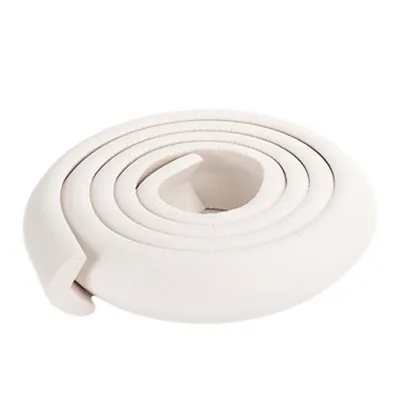
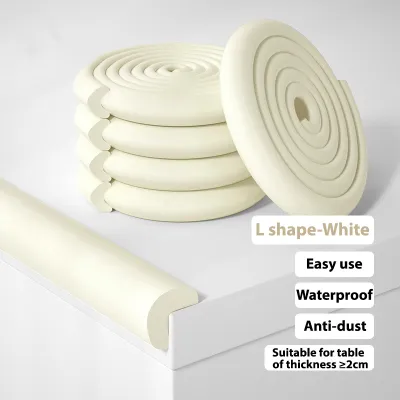
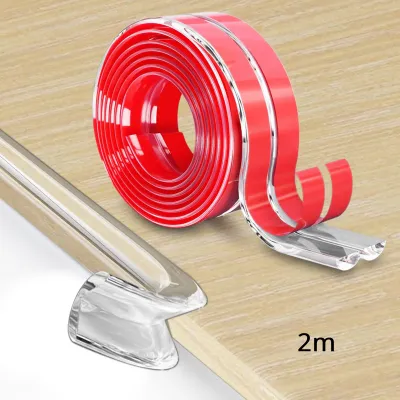
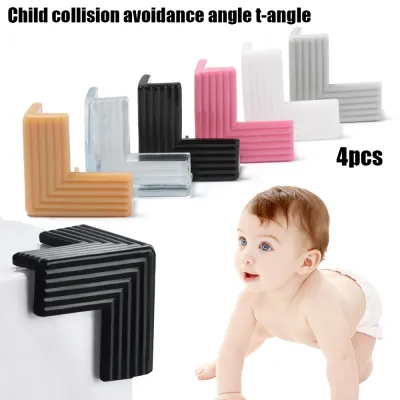
Prices are valid at publication and may change. Please refer to the product page for the latest price.
Adhesive quality is another pivotal factor that determines the longevity and safety of the edge guard. A guard is only effective if it remains securely attached to the furniture. Poor-quality adhesives will quickly peel away under the persistent pulling of a toddler, creating both a choking hazard and exposing the sharp edge once again. Look for brands that utilize high-quality, double-sided acrylic tapes or partner with established adhesive manufacturers. The adhesive must offer strong initial tack and long-term holding power, yet be formulated to allow for clean, residue-free removal when the guard is no longer needed.
Finally, durability against physical wear is essential. Toddlers are remarkably persistent and will often attempt to peel, pull, or bite the edge guards. Foam materials, while highly cushioned, are susceptible to tearing and biting, which can result in small, ingestible pieces. If your child is in an active teething phase, prioritize highly durable, tear-resistant materials like silicone or rubber. Always inspect the guards daily for any signs of damage, and be prepared to replace them immediately if they show signs of wear.
Comparing Common Edge Guard Materials and Designs
Understanding the strengths and limitations of different materials allows parents to match the edge guard to their child’s developmental stage and specific household needs. Foam guards, typically made of Nitrile Butadiene Rubber (NBR) or Ethylene-Vinyl Acetate (EVA), are highly popular due to their soft, pillowy texture and exceptional shock absorption. They are excellent for younger infants who are just learning to stand and are prone to frequent, heavy falls. However, foam guards are bulky and highly visible, which can disrupt the aesthetic of your living space. More importantly, foam is vulnerable to biting and tearing. If a teething toddler manages to bite off a chunk of foam, it poses an immediate choking risk. Therefore, foam guards require vigilant caregiver supervision and must be replaced at the first sign of puncture or tearing.

Clear silicone and PVC strips offer a much sleeker, low-profile alternative that preserves the natural look of your wood, glass, or marble tables. Silicone is highly durable, resistant to biting, and easy to wipe clean, making it an excellent choice for dining tables where food spills are common. However, silicone is generally firmer than NBR foam, meaning it distributes impact rather than absorbing it completely. It is highly suitable for older toddlers who have better balance but still need protection against accidental bumps.
Rubber options provide a heavy-duty middle ground, offering excellent durability and moderate cushioning. They are highly resistant to wear and tear, making them suitable for high-traffic areas or outdoor furniture on balconies and patios. However, rubber guards can sometimes have a strong initial odor and may not be as widely available in aesthetic residential designs.
When choosing a design, parents must also decide between pre-taped guards and separate adhesive rolls. Pre-taped options save significant installation time and ensure even alignment, as the adhesive is already applied to the backing by the manufacturer. However, they limit your ability to choose a different adhesive if the default one is incompatible with your furniture. Separate rolls allow you to customize the adhesive strength or use specialized tapes for challenging surfaces, though they require more precision and effort during setup.
Matching Guards to Common Household Furniture Surfaces
Different furniture materials require specific adhesive and guard combinations to ensure a secure bond without causing permanent damage to the surface. Glass tables present a unique challenge because any adhesive residue or air bubbles will be highly visible through the glass. Clear silicone guards are the preferred choice for glass dining tables or coffee tables. When applying guards to glass, it is crucial to verify that the adhesive is formulated for non-porous surfaces and will not leave a stubborn, cloudy residue when removed. Avoid heavy, opaque foam guards on glass, as they can easily peel away due to the smooth, low-friction surface of the glass.
Solid wood and veneer furniture require careful consideration to prevent damage to the finish. Strong adhesives can strip away varnishes, lacquers, or delicate wood veneers during removal, leaving unsightly patches. When selecting an edge guard brand for wooden tables, look for acrylic-based adhesives that are labeled as wood-safe. It is highly recommended to test a small piece of the adhesive on an inconspicuous part of the table (such as the underside) for a few days to check if it reacts with the wood finish or leaves permanent stains.
Marble and stone surfaces are porous and can absorb oils or chemicals from adhesives, leading to permanent discoloration or staining. Additionally, heavy-duty adhesives are often required to bond with the textured or cold surface of stone. Parents should verify that the adhesive used is compatible with sealed stone and will not strip the protective sealant. If in doubt, consult the furniture manufacturer before applying any strong adhesives to high-value stone pieces.
Curved or irregular edges, such as round dining tables or custom-shaped countertops, require highly flexible edge guards. Rigid PVC or thick, pre-molded corner guards will not conform to curved surfaces and will quickly pop off. Flexible silicone strips or soft NBR foam rolls are highly adaptable and can be easily manipulated around curves. For sharp, irregular corners, look for brands that offer pre-molded L-shaped or U-shaped corner protectors to ensure a seamless fit without requiring complex cutting.
Installation, Maintenance, and Safe Removal Checklist
Proper installation and maintenance are just as important as choosing the right brand. Even the highest-quality edge guard will fail if the surface is not prepared correctly or if the adhesive is not allowed to cure.
To ensure a secure and long-lasting bond, follow this step-by-step checklist:
- Surface preparation: Thoroughly clean the furniture edge with a mild degreasing agent or rubbing alcohol. Verify first that the cleaning agent will not damage your furniture's finish. Remove all dust, grease, wax, and moisture. Allow the surface to dry completely; even a tiny amount of moisture or dust will severely compromise the adhesive bond.
- Application techniques: Measure and cut the edge guard to the exact length required. If using separate tape, apply it to the guard first, then peel the backing. Press the guard firmly onto the furniture edge, applying consistent pressure along the entire length for at least 30 seconds.
- Curing time: Crucially, allow the adhesive to cure undisturbed for at least 24 hours (or the manufacturer's recommended time) before allowing your child near it. Applying tension or pulling on the guard before it fully cures will lead to premature peeling.
- Regular inspection: Edge guards are not a permanent fixture and must be inspected daily. Check for lifting corners, peeling edges, or signs of wear. If a guard becomes loose, it must be re-secured or replaced immediately, as a loose guard is easily pulled off by a child and can become a choking or strangulation hazard. Additionally, check porous foam guards for accumulated dirt, food crumbs, or mold, especially in humid climates like Singapore.
- Safe removal methods: When it is time to remove the edge guards, do not rip them off forcefully, as this can damage your furniture. Instead, use a hairdryer on a low, warm setting to gently heat the adhesive. This softens the glue, allowing you to slowly peel the guard away. Any remaining residue can be treated with a furniture-safe adhesive remover, vegetable oil, or mild soapy water, depending on the furniture material. Always wipe the area clean afterward.
Frequently Asked Questions (FAQ)
How often should I replace baby table edge guards?
The lifespan of a table edge guard depends on the material, the environment, and your child’s behavior. Generally, foam guards should be inspected frequently and replaced every 6 to 12 months, or immediately if they show signs of degradation such as yellowing, hardening, crumbling, or tearing. If your child is actively teething and chewing on the guards, they may need to be replaced much sooner to prevent choking hazards. Adhesive failure—indicated by lifting edges or a loss of grip—is another clear sign that it is time for a replacement. For porous materials like foam, hygiene is also a factor; if the guards become stained with food or moisture, replace them to prevent bacterial growth.
Are clear silicone edge guards as safe as thick foam ones?
Both materials offer distinct safety profiles, and the right choice depends on your child’s developmental stage and your specific furniture. Thick foam (NBR) guards provide superior shock absorption, making them excellent for sharp corners where a falling toddler might sustain a high-impact bump. However, foam is easily bitten and torn, posing a choking risk for teething babies. Clear silicone guards are highly durable, bite-resistant, and visually unobtrusive, but they are firmer and offer less impact cushioning. For younger infants who are pulling themselves up and prone to heavy falls, foam guards (under close supervision) offer better impact protection. For older toddlers who are walking but need protection from sharp edges, durable silicone strips are often the safer, more durable choice.

Community discussion
Share your experience or ask a question. Comments are reviewed before publication.