
Baby-proofing a home in Singapore requires careful attention to detail, especially when dealing with sharp furniture edges, low-profile coffee tables, and custom-built carpentry common in modern apartments. An edge protector strip serves as a vital physical barrier to cushion accidental bumps and falls as infants transition to crawling and walking. However, selecting a reliable brand involves more than picking the most visible option on an online marketplace. Because Singapore’s tropical climate features high relative humidity, adhesives can degrade faster than expected, and materials can deteriorate if not suited to local conditions. To secure your home effectively, you must evaluate brands based on their adhesive chemistry, material safety certifications, and physical durability.
Always remember that baby-proofing products are designed to complement, not replace, active adult supervision. As children develop new motor skills, their ability to pull, chew, or peel household items increases. Therefore, choosing a high-quality edge guard is as much about preventing choking hazards from loose parts as it is about cushioning impacts. By understanding what makes a brand reliable, you can make an informed decision that keeps your child safe and preserves the integrity of your furniture.
Key Criteria for Evaluating Edge Protector Strip Brands
When assessing different edge protector strip brands, the adhesive quality and its compatibility with your specific household surfaces must be your primary consideration. A protector is only as reliable as its bond; if a strip peels away easily, it ceases to offer protection and can quickly become a choking hazard for a curious toddler. Look for brands that specify the type of adhesive backing they use, such as pressure-sensitive acrylic tapes or heavy-duty double-sided foam adhesives. These adhesives must perform reliably across diverse materials, including varnished wood, tempered glass, metal frames, and painted drywall. Some adhesives are formulated to bond exceptionally well with non-porous surfaces like glass but may struggle on textured or matte-painted walls, making it essential to verify compatibility before purchasing.
Products mentioned in this guide
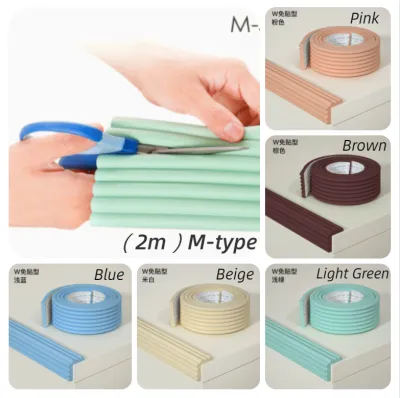
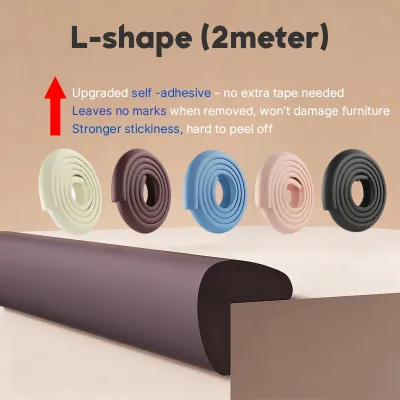
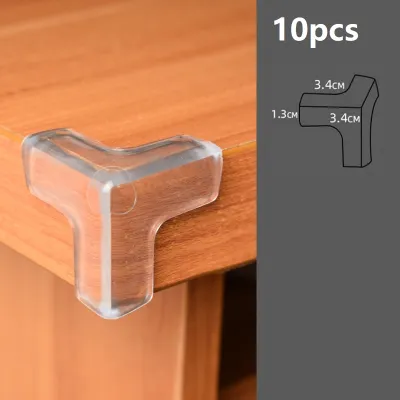
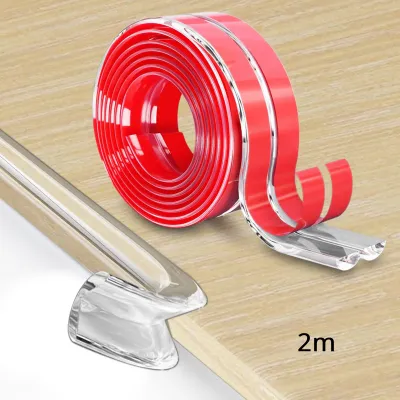
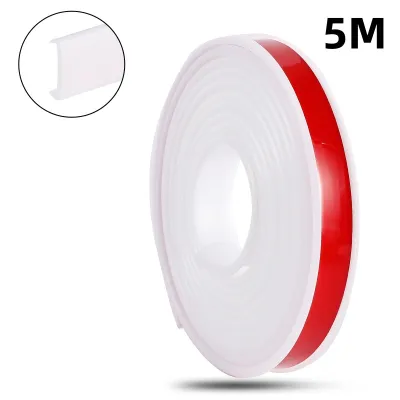
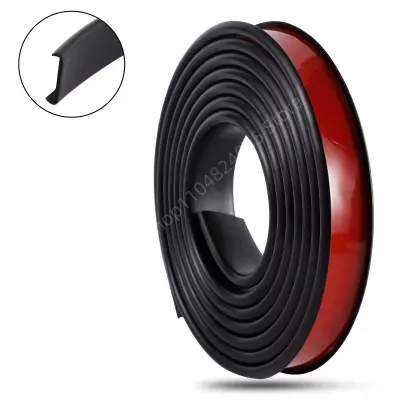
Prices are valid at publication and may change. Please refer to the product page for the latest price.
Material safety is another non-negotiable criterion when evaluating baby-proofing brands. Infants and toddlers naturally explore their environment using their mouths, meaning any edge guard installed within their reach is highly likely to be chewed, licked, or pulled. Reliable brands provide clear, verifiable documentation regarding the chemical composition of their products. You should look for explicit indicators on the packaging or official brand documentation showing that the materials are free from harmful substances such as bisphenol A (BPA), phthalates, heavy metals, and flame retardants. Rather than accepting generic “non-toxic” marketing claims, prioritize brands that reference compliance with international safety standards, which you can verify independently.
Finally, the physical profile and impact absorption capabilities of the strip must match your furniture and your child’s developmental stage. The thickness and density of the material determine how effectively it disperses the force of an impact. For sharp, high-risk corners on heavy dining tables or TV consoles, a thicker, high-density foam or a robust silicone guard is typically necessary to prevent injury. Conversely, low-profile edges on delicate glass tables may require slim, high-transparency strips that blend into the furniture while still offering a resilient buffer. A reliable brand will offer a range of dimensions and profiles, allowing you to select the precise thickness required for different furniture types without compromising on safety or aesthetics.
Common Materials and Their Trade-Offs
Understanding the physical properties of common edge guard materials allows you to make an informed decision based on your specific household needs. Silicone is a highly popular choice for modern Singaporean homes due to its excellent transparency and sleek aesthetic. It blends seamlessly with glass, light wood, and minimalist furniture, making the baby-proofing measures less visually obtrusive. Silicone is also incredibly durable, resistant to tearing, and easy to wipe clean. However, because silicone is relatively heavy and dense, it requires a highly robust adhesive to stay anchored, especially when applied to curved or uneven surfaces. If the adhesive backing is subpar, the natural tension of the silicone can cause it to pull away from the furniture edge over time.

Nitrile Butadiene Rubber (NBR) foam is another widely used material, prized for its exceptional shock-absorbing properties. NBR foam is soft, spongy, and highly effective at cushioning high-impact bumps, making it ideal for low-lying coffee tables and sharp wooden corners where toddlers are most prone to falling. Despite its excellent protective qualities, NBR foam has distinct trade-offs. It is highly susceptible to wear and tear; curious toddlers can easily bite off or pick apart pieces of the soft foam, creating a severe choking hazard. Additionally, NBR foam is prone to discoloration over time when exposed to sunlight, and its porous surface can absorb dirt, oils, and moisture, making it more challenging to sanitize thoroughly in Singapore’s humid climate.
Polyvinyl Chloride (PVC) strips offer a cost-effective and highly structured alternative for edge protection. PVC guards are generally easy to clean, resistant to water, and available in various pre-molded shapes that fit snugly over standard table edges. However, PVC is typically less flexible than silicone or NBR foam, which can make installation on non-standard furniture profiles difficult. From a safety perspective, standard PVC can be rigid, meaning it may not absorb high-impact forces as gently as softer foam or thick silicone. Furthermore, some lower-grade PVC products may contain plasticizers or chemical additives that require careful verification to ensure they meet modern safety standards for children’s products.
How to Verify Brand Reliability and Safety Claims
In the baby-proofing market, many products carry generic labels such as “baby-safe,” “eco-friendly,” or “premium quality” without providing any supporting evidence. To protect your child, you must learn to look past these marketing terms and actively verify safety claims. Reliable brands will openly reference recognized international safety standards and testing certifications on their packaging or official websites. Look for compliance marks such as the European Standard for toy safety (EN 71), which regulates chemical migration and physical safety, or certifications indicating compliance with REACH or RoHS regulations. If a brand claims to be certified but does not specify the testing body or standard, treat this as a significant warning sign.
Analyzing customer feedback on local e-commerce platforms and parenting forums is another practical way to gauge real-world reliability. When reading reviews, look beyond the overall star rating and focus on detailed accounts of long-term performance. Pay close attention to recurring complaints regarding adhesive failure, especially in warm or humid environments, as well as reports of the material tearing, crumbling, or emitting strong chemical odors upon unboxing. If multiple parents note that the strip peeled off within a few weeks or that their child was able to bite through the material easily, it is a strong indication that the product may not withstand daily use or provide adequate protection.
Identifying red flags during your research can save you from purchasing substandard or hazardous products. A major red flag is the complete absence of an ingredient list or material specification on the product packaging. Reliable manufacturers are transparent about what goes into their products, listing the exact polymers and adhesives used. Additionally, be cautious of brands that lack clear manufacturer contact information, customer support channels, or a physical address. If a product has no traceable manufacturer, resolving safety concerns, obtaining installation guidance, or seeking a replacement for a defective batch becomes nearly impossible.
Installation, Maintenance, and Safe Removal
Proper installation is critical to ensuring that even the highest-quality edge protector strip performs as intended. Before applying any adhesive, you must prepare the furniture surface thoroughly to remove dust, oils, polish residues, and moisture. Clean the area using a mild soap solution or a rubbing alcohol mixture, ensuring the surface is completely dry before proceeding. In Singapore’s humid climate, even a microscopic layer of moisture or oil can severely compromise the adhesive bond. Once the surface is dry, apply the strip firmly, pressing down along the entire length for at least thirty seconds to activate the pressure-sensitive adhesive. For optimal bonding, allow the adhesive to cure undisturbed for twenty-four hours before allowing children near the furniture.
Maintaining the edge protectors involves regular cleaning to prevent the buildup of dust, food particles, and bacteria without degrading the material or weakening the adhesive. Use a damp microfiber cloth with a mild, baby-safe detergent to wipe down the strips. Avoid using harsh chemical solvents, abrasive scrubbers, or alcohol-based cleaners for routine maintenance, as these substances can break down the polymer structure of foam or silicone and dissolve the adhesive backing. If you notice any edges beginning to lift, address them immediately rather than waiting for the entire strip to peel away, as loose edges invite children to pull and play with the protector.
When the time comes to remove the edge guards, doing so carelessly can strip paint, varnish, or wood veneer from your furniture. To minimize damage, use a hair dryer on a low, warm setting to gently heat the adhesive backing, which softens the bond and makes it easier to peel away. Slowly pull the strip back at a shallow angle, applying heat continuously as you progress. If you encounter significant resistance, or if you are dealing with antique, delicate, or high-value wooden furniture, stop immediately. In such cases, consult the furniture manufacturer or a professional restoration specialist to identify safe adhesive solvents that will not ruin the specific finish of your piece.
Building Your Shortlist: What to Look for When Shopping
When you are ready to purchase edge protector strips from local baby specialty stores or online marketplaces, creating a structured checklist will help you select the right product. Begin by measuring all the sharp edges and corners you intend to cover. Decide whether you need continuous rolls, which allow you to cut custom lengths for long TV consoles or kitchen countertops, or pre-cut corner pieces, which provide a neat, seamless fit for sharp table corners. Combining both types often yields the most secure and visually clean result, as cutting and folding a continuous roll around a sharp ninety-degree corner can sometimes create weak points where the adhesive is prone to lifting.
Next, evaluate the seller’s customer service policies and responsiveness. Reliable brands and authorized distributors in Singapore typically offer clear return policies for defective items and are responsive to inquiries regarding product specifications or installation advice. Before finalizing your purchase, check if the seller provides clear instructions in English and offers support if you receive a batch with compromised adhesive. A seller who stands behind their product with a reasonable return window or a satisfaction guarantee is generally more trustworthy than an anonymous storefront offering no recourse for defective goods.
Perform a final verification of your selected products before checking out. Ensure that the dimensions of the strip match the thickness of your furniture edges; a strip that is too wide will overhang and peel off easily, while one that is too narrow will not cover the sharp impact points adequately. Double-check that the material type matches the specific room conditions—such as choosing highly durable, easy-to-clean silicone for high-traffic dining areas and soft, high-density NBR foam for low-lying bedroom furniture. By systematically verifying these details, you can secure your home with confidence, knowing you have chosen a reliable, durable, and safe solution for your family.
Frequently Asked Questions (FAQ)
Can edge protector strips damage wooden furniture upon removal?
Yes, edge protector strips can potentially damage wooden furniture, depending on several factors. The strength of the adhesive, the type of wood finish (such as veneer, lacquer, or solid oil-rubbed wood), the environmental humidity, and how long the strip has been applied all play a role. High humidity can cause some adhesives to bond more aggressively or degrade into a sticky residue that bonds chemically with the wood finish. To mitigate this risk, always use a gentle removal technique involving low heat from a hair dryer to soften the adhesive before peeling. If the finish begins to lift, stop immediately and consult a professional furniture restorer.
How often should baby-proofing edge guards be replaced?
Baby-proofing edge guards should be inspected regularly and replaced as soon as they show signs of wear or compromise. Perform visual and tactile checks monthly to look for material tearing, crumbling, permanent compression, or loss of shock absorption. If you notice the adhesive lifting, or if the material has been chewed or damaged by a toddler, replace the strip immediately to prevent choking hazards. Additionally, as your child grows and their mobility changes—such as transitioning from crawling to running—you may need to update your edge guards to match their new height and impact risks.

Community discussion
Share your experience or ask a question. Comments are reviewed before publication.