
When baby-proofing your home, choosing the right baby edge protector is a balance between impact absorption, material safety, and adhesive reliability. In Singapore’s warm and humid climate, adhesive failure is a common issue, making the choice of tape just as critical as the protective material itself. To make an immediate decision, look for high-density foam or thick silicone that bounces back when compressed, paired with high-quality acrylic adhesives that resist peeling.
Always verify that the product is certified non-toxic and free from heavy metals, as curious toddlers frequently bite or chew on these guards. Caregiver supervision remains the most important safety measure, but a well-chosen edge protector provides an essential physical barrier against sharp corners. By focusing on material density, surface compatibility, and secure installation, you can significantly reduce the risk of minor bumps turning into serious injuries.
Understanding Baby Edge Protector Materials and Safety Standards
To select the safest edge protector, you must first understand the physical properties of the materials available on the market. The three most common materials used for baby-proofing sharp edges are Nitrile Butadiene Rubber (NBR) foam, silicone, and Polyvinyl Chloride (PVC). Each material offers distinct advantages in terms of shock absorption, durability, and aesthetic integration into your living space.
Products mentioned in this guide
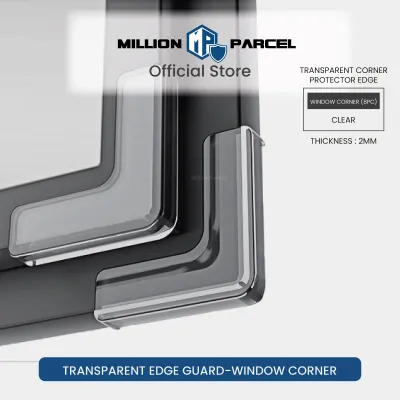
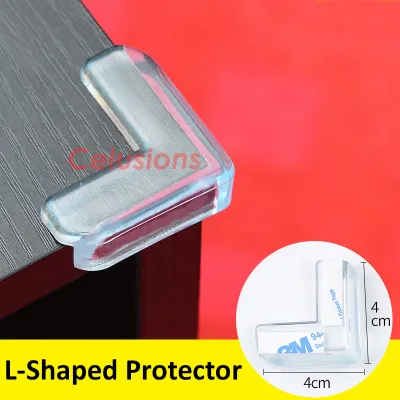
![[SG SELLER] [FREE SHIPPING] Baby Safety Corner Protectors Bumper Guard Furniture Cupboard Window Edge Cover Child Safe](https://img.lazcdn.com/g/p/8b3ed5feab8f258f705f0ae349fe5d0f.jpg_400x400q80.jpg_.webp)
![[SG] Transparent Corner Protector | Corner Guard Baby Safety Corner Protector for Table & Furniture Corner Edge Bumper](https://img.lazcdn.com/g/p/2c50bffc2ff9a577f539ca8b522b78f3.jpg_400x400q80.jpg_.webp)
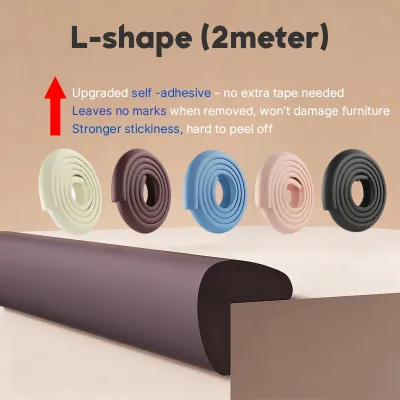
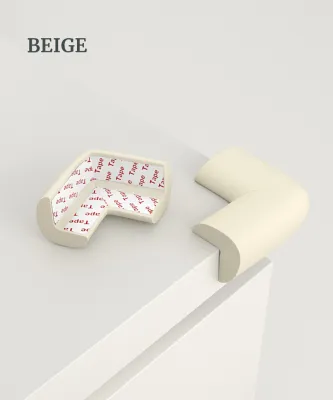
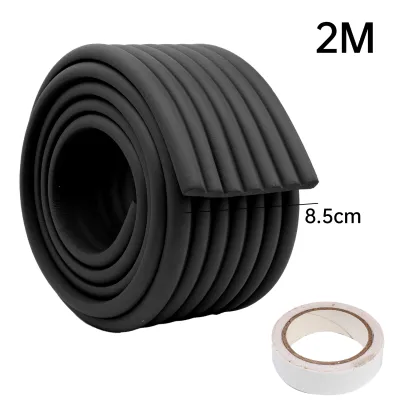
Prices are valid at publication and may change. Please refer to the product page for the latest price.
NBR foam is highly popular due to its soft, spongy texture and excellent impact absorption. High-density NBR foam disperses the force of a collision effectively, preventing serious bruising or cuts when a toddler bumps into a sharp corner. However, NBR foam is susceptible to bite marks and tearing if a teething baby decides to chew on it, which can create small foam pieces that present a serious choking hazard.
Silicone edge protectors offer a firmer, more durable alternative that resists chewing and tearing much better than foam. Silicone is naturally hypoallergenic, easy to clean, and often comes in clear or translucent designs that blend seamlessly with modern furniture. While silicone is slightly firmer than foam, it still provides sufficient cushioning to prevent injuries on sharp edges.
PVC protectors are typically the firmest option and are often used for low-profile corner guards. They are highly durable and resistant to wear, but they do not offer the same level of soft cushioning as NBR foam or silicone. When choosing PVC, it is crucial to verify that the material is free from harmful plasticizers, such as phthalates, which are sometimes used to make PVC flexible.
Verifying non-toxic claims requires looking beyond basic marketing buzzwords on the packaging. Because babies interact closely with these protectors, look for manufacturers that explicitly state compliance with international safety standards, such as European EN 71-3 or RoHS certifications. These standards verify that the materials do not contain harmful levels of heavy metals, lead, BPA, or phthalates.
Inspect the physical quality of the protector before installation. Low-quality foam often feels overly airy, compresses completely flat under light finger pressure, and does not bounce back to its original shape. If the material tears easily when gently tugged, it is highly likely to fail under the stress of a teething child and should be avoided to prevent choking risks.
How to Match Edge Protectors to Your Furniture and Home Surfaces
Selecting the right edge protector also depends heavily on the specific furniture pieces and surface materials in your home. Singaporean homes often feature a mix of solid wood, engineered wood veneers, glass, metal, and painted plaster walls, each requiring a different approach to adhesion and protection.

Solid wood and glass surfaces generally tolerate adhesives well, but delicate wood veneers and painted walls are prone to damage during removal. If you are applying protectors to painted surfaces or thin veneers, look for adhesives designed for clean removal, or plan to use a heat source like a hairdryer to soften the glue when it is time to take them down. Glass coffee tables benefit greatly from clear silicone U-shaped protectors, which grip both the top and bottom of the glass edge securely.
The choice between pre-taped protectors and those requiring separate double-sided tape depends on your installation preferences. Pre-taped options save time and ensure even adhesive distribution, but they offer less flexibility if you need to adjust the placement. Separate double-sided tapes, such as those utilizing high-bond acrylic adhesives, allow you to customize the tape placement and choose stronger adhesives suited for humid environments.
The shape of the protector must match the profile of the edge you need to cover. L-shaped protectors are ideal for standard 90-degree table edges and cabinet tops, providing coverage for both the top and side surfaces. U-shaped protectors are designed to wrap around thin edges, such as glass tabletops or metal shelving, shielding both the top, bottom, and outer edge simultaneously. Corner cushions are pre-molded caps designed specifically to cover the sharpest points of tables and counters, where impact risks are highest.
Identifying Reliable Brands and Where to Buy in Singapore
Navigating the market to find reliable baby edge protector brands requires a systematic approach rather than relying on generic online lists. Because safety standards are voluntary for many home-proofing products, the responsibility falls on the caregiver to verify the credibility of the manufacturer.
Start by researching brands that specialize exclusively in child safety products rather than general household goods. Reputable manufacturers maintain official websites where they publish detailed material specifications, installation guides, and safety compliance certificates. You can often find these trusted brands at authorized local baby boutiques, department stores, or dedicated safety retailers in Singapore.
When browsing online marketplaces, pay close attention to verified customer reviews that discuss long-term performance. Look for feedback specifically mentioning how well the adhesive holds up in Singapore’s humid climate, as high humidity can cause low-quality glues to fail within weeks. Reviews that mention the material crumbling, tearing easily, or emitting a strong chemical odor are clear indicators of substandard manufacturing.
Always inspect the packaging of the product, whether physically in-store or via high-resolution digital listings. Legitimate brands provide clear safety warnings, detailed material compositions, and age recommendations. Avoid products that arrive in plain plastic bags with no brand name, no manufacturer contact information, and no clear instructions, as these rarely undergo rigorous safety testing.
Price is often a reliable indicator of material density and adhesive quality. While basic corner guards can be found on budget platforms for under S$2, high-quality, certified non-toxic edge protectors typically range from S$10 to S$30 or more, depending on the length of the roll and the materials used. Investing in a slightly higher-priced product from a dedicated safety brand ensures better impact protection and reduces the risk of chemical exposure or choking hazards.
Step-by-Step Installation and Maintenance for Maximum Safety
Even the highest-quality edge protector will fail if it is not installed and maintained correctly. Proper surface preparation and regular inspections are essential to ensure the protectors remain secure and effective over time.
Begin by thoroughly cleaning the furniture surface to remove dust, oils, and polish residues that can prevent the adhesive from bonding. Use a clean cloth dampened with rubbing alcohol or a mild soap solution, and allow the surface to dry completely. Avoid using oily household cleaners or furniture polishes immediately before installation, as they leave a slick residue that ruins adhesive grip.
When applying the protector, peel off the adhesive backing and position it carefully along the edge. Press down firmly along the entire length of the protector for at least 30 seconds to activate the pressure-sensitive adhesive. For the best results, allow the adhesive to cure undisturbed for at least 24 hours before allowing your child near the furniture or applying any pulling force to the guard.
Establish a routine to physically inspect the edge protectors at least once a week. Check for any signs of peeling edges, loose corners, or material degradation. If you notice that a foam protector has bite marks, tears, or is starting to crumble, remove it immediately and replace it to prevent your baby from swallowing loose pieces.
Frequently Asked Questions (FAQ)
Can baby edge protectors damage wooden or glass furniture when removed?
Yes, strong adhesives can potentially damage delicate wood veneers, lift paint, or leave stubborn residue on glass surfaces if removed improperly. To minimize the risk of damage, always test a small piece of the adhesive on an inconspicuous area of the furniture before full installation. When it is time to remove the protector, use a hairdryer on a low-heat setting to gently warm and soften the adhesive backing. Slowly peel the protector back at a shallow angle rather than pulling it straight up. Any remaining sticky residue on glass or solid wood can be cleaned using a mild adhesive remover, rubbing alcohol, or a small amount of vegetable oil, followed by a wipe-down with soapy water.
How often should I replace foam edge guards?
Foam edge guards should be replaced as soon as they show visible signs of wear, tearing, or loss of adhesion. In Singapore’s humid climate, adhesives can degrade over time, causing the edges to lift and creating a peeling hazard that curious babies will want to pull. Additionally, if your child is teething and has begun biting or chewing on the foam, inspect the guards daily for bite marks or missing chunks. If the foam feels brittle, thin, or easily crumbles when pinched, it has reached the end of its lifespan and must be replaced immediately to maintain adequate impact protection and prevent choking.
Community discussion
Share your experience or ask a question. Comments are reviewed before publication.