
When your baby transitions from crawling to pulling themselves up, your home suddenly presents a new set of hazards. Sharp corners of coffee tables, TV consoles, and dining tables become immediate points of concern. Finding reliable edge and corner guard brands in Singapore requires looking beyond basic aesthetics to evaluate material safety, impact absorption, and adhesive performance under local environmental conditions.
Because toddlers naturally explore their surroundings with their hands and mouths, the reliability of a baby-proofing brand rests on verifiable safety standards. A high-quality edge guard must cushion impacts effectively while remaining securely attached to the furniture, even when subjected to curious fingers. This guide outlines the essential criteria for evaluating edge guard brands, compares common materials, and provides practical steps to verify safety claims before installation.
Essential Criteria for Evaluating Edge Guard Brands
Evaluating baby-proofing brands starts with verifying their material safety certifications. Since children often bite or chew on furniture edge guards, you must ensure the materials do not contain harmful chemicals. Look for brands that provide clear documentation of compliance with international safety standards, such as European Union (EN 71) or RoHS certifications. These standards verify that the products are free from bisphenol A (BPA), phthalates, heavy metals, and flame retardants. Rather than relying solely on product descriptions on online marketplaces, check the manufacturer’s official website for downloadable test reports or certificate numbers that you can verify independently.
Products mentioned in this guide
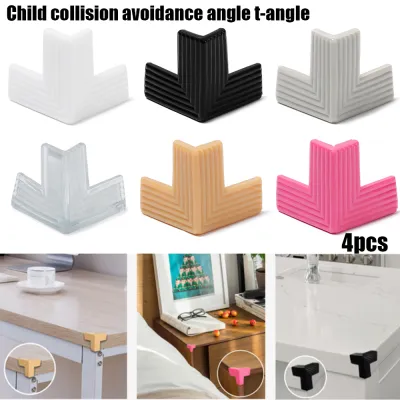
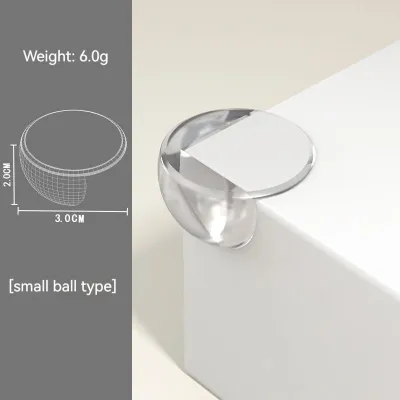
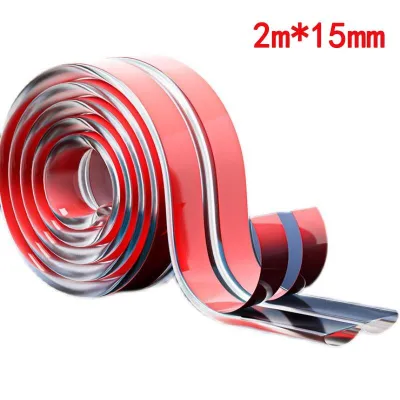
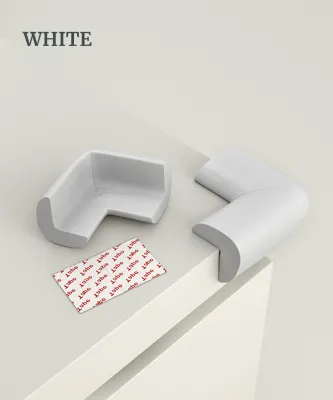

Prices are valid at publication and may change. Please refer to the product page for the latest price.
The density and thickness of the edge guard are critical for effective shock absorption. A thin or low-density guard may bottom out during a hard impact, offering little protection to a falling child. High-density materials, often specified by their density rating or Shore durometer hardness, absorb and distribute impact forces more efficiently. For sharp, low-lying furniture like TV consoles, thicker and denser guards are highly recommended. Conversely, for dining tables where older children might bump their heads while standing, a slimmer profile with high density can offer sufficient protection without interfering with seating comfort.
Adhesive performance is another vital factor, particularly in Singapore’s warm and humid climate. High humidity can cause low-quality adhesives to soften, slide, or peel off entirely, creating a choking hazard if a child manages to detach a corner piece. Reliable brands often partner with established adhesive manufacturers, supplying double-sided tapes designed to withstand humidity and shear force. However, you must balance adhesive strength with the ease of removal. If you live in a rented apartment or have delicate wood finishes, look for brands that specify clean, residue-free removal, and always verify these claims through user reviews and spot tests.
Material and Design Differences Across Popular Brands
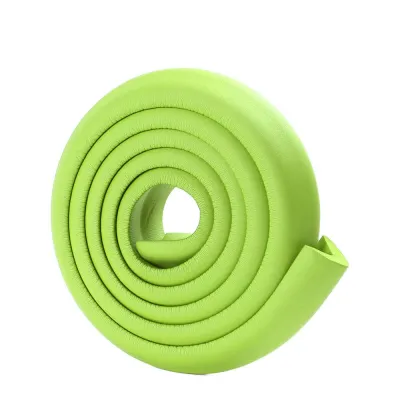
When comparing edge guard brands, you will encounter three primary materials: Nitrile Butadiene Rubber (NBR) foam, Polyvinyl Chloride (PVC), and silicone. NBR foam is highly popular due to its soft, pillowy texture and excellent impact absorption. It is highly suitable for low-traffic areas and sharp edges where maximum cushioning is needed. However, NBR foam is susceptible to tearing and can be easily bitten off by teething toddlers, meaning you must monitor its condition closely and replace damaged sections immediately to prevent choking risks.

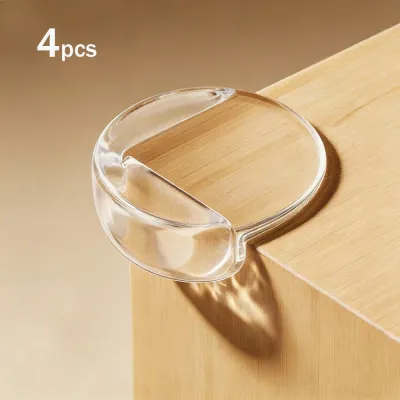
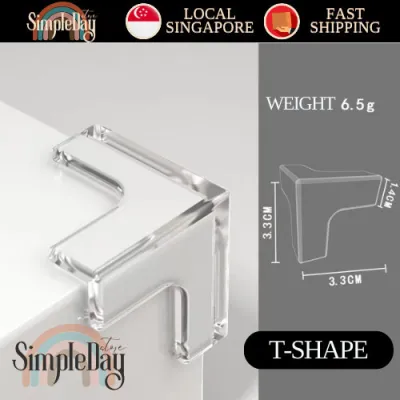
PVC edge guards offer a firmer, more durable alternative that resists biting and tearing. They are often semi-flexible and can be manufactured in transparent designs, making them less visually intrusive on modern furniture. While PVC is highly durable, it is naturally rigid and requires plasticizers to make it flexible. Therefore, when choosing a PVC-based brand, it is crucial to verify that the product is certified phthalate-free. PVC guards also tend to have slightly less cushioning than NBR foam, making them better suited for older toddlers who need moderate protection rather than soft cushioning.
Silicone edge guards represent a premium category, combining excellent durability, flexibility, and bite resistance. Food-grade silicone is naturally non-toxic and easy to clean, making it an excellent choice for high-chair trays or dining tables where food contact is common. Transparent silicone guards maintain their clarity longer than PVC, which can yellow over time when exposed to sunlight. However, silicone is a non-porous material that requires specialized, high-bond adhesives to stay secure, and these products generally carry a higher price point.
The choice between pre-taped corner guards and continuous rolls depends on your furniture layout. Pre-molded corner guards are designed specifically for 90-degree angles, offering a neat fit for table corners without the need for complex cutting. Continuous rolls, on the other hand, allow you to customize the length for long edges, curved surfaces, or irregular furniture shapes. Many reliable brands offer matching sets containing both continuous rolls and pre-molded corners, ensuring a consistent aesthetic and material performance throughout your home.
Aesthetic integration is an important consideration for maintaining a cohesive home environment. Many brands offer a wide range of colors, including wood tones, cream, grey, black, and white, allowing you to match the guards to your furniture. While transparent guards are popular for glass or minimalist furniture, they can sometimes highlight the adhesive tape underneath, creating a hazy appearance. Choosing a solid color that closely matches your wood grain or paint finish often results in a cleaner look while ensuring the guard remains visible enough for adults to avoid bumping into it.
How to Verify Safety Claims and Adhesive Quality
Before installing any edge guards, you must carefully read the manufacturer’s specifications and warnings. Verify the recommended age range and check if the product is designed for the specific developmental stage of your child. Some brands explicitly state that their products are not suitable for children who are actively teething due to the risk of material ingestion. Always check for warnings regarding small parts, as detached corner guards can easily fit into a child’s mouth and pose a severe choking hazard. Caregiver supervision remains the most critical safety measure, regardless of the brand’s quality.
To protect your furniture from permanent damage, conduct a hidden adhesion test before full installation. Apply a small piece of the provided adhesive tape and a section of the edge guard to an inconspicuous area of the furniture, such as the underside of a table or the back of a cabinet leg. Leave the test piece in place for 24 to 48 hours to simulate real-world bonding conditions. Carefully remove the guard following the manufacturer’s removal instructions—often involving warming the adhesive with a hairdryer—to check if it peels away the wood veneer, lacquer, or paint.
Once the edge guards are installed, you should actively observe their structural integrity and performance. Gently pull on the edges to ensure the adhesive has bonded securely to the surface without lifting. Press down on the material to verify that it springs back to its original shape quickly, indicating good elasticity and shock absorption. If you notice your child attempting to peel, pull, or chew on the guards, monitor them closely. If the behavior persists, you may need to temporarily restrict access to that area, switch to a more bite-resistant material like silicone, or consult a professional childproofing service.
Where to Buy and What to Check Upon Delivery
When purchasing edge guards in Singapore, it is best to buy from official brand stores or authorized distributors on local e-commerce platforms and specialty baby retailers. Avoid purchasing unbranded, generic safety products from third-party sellers who cannot provide verifiable safety certificates or clear manufacturer contact details. Buying from reputable sources ensures you receive genuine products that meet chemical safety standards and include high-quality adhesive tapes rather than cheap, low-grade alternatives.
Upon delivery, inspect the packaging thoroughly before opening or installing the product. Ensure the manufacturer’s seal is intact and that the packaging displays clear branding, safety certifications, and batch numbers. Check the adhesive tapes for any signs of degradation, such as peeling backing paper or a dry, non-sticky texture, which can occur if the product has been stored in a warm warehouse for an extended period. The package should also include detailed, step-by-step installation instructions, including surface preparation guidelines, which are crucial for achieving a strong bond.
Familiarize yourself with the seller’s return and exchange policies before making a purchase. If you receive a defective batch—such as deformed molded corners, missing adhesive tape, or materials with a strong, persistent chemical odor—you should contact the seller immediately for a replacement or refund. Reliable brands and authorized sellers typically offer straightforward return processes for manufacturing defects, ensuring you do not have to compromise on your child’s safety with substandard materials.
Frequently Asked Questions (FAQ)
How often should edge guards be replaced?
Edge guards are subject to wear and tear and should be inspected weekly as part of your home safety routine. You should replace them immediately if you observe signs of material degradation, such as yellowing, cracking, tearing, or crumbling foam, which can reduce shock absorption and create choking hazards. Additionally, if the adhesive begins to fail—causing the guard to slide, lift at the corners, or peel away easily—you must clean the furniture surface thoroughly and reapply fresh, manufacturer-approved adhesive tape, or replace the entire guard to ensure it remains secure against toddler curiosity.
Are transparent edge guards completely invisible on dark wood?
Transparent edge guards are rarely completely invisible, especially on dark wood furniture. Light refracting through the clear plastic or silicone material often creates a noticeable white or silvery sheen along the edges. Furthermore, the double-sided adhesive tape used to secure the guard is typically visible underneath, appearing as a hazy or cloudy layer that can detract from the wood’s natural grain. If you want to maintain the aesthetic of dark wood furniture, choosing a solid-colored edge guard in dark brown or black that matches the wood tone often provides a much cleaner and more integrated appearance than a transparent option.

Community discussion
Share your experience or ask a question. Comments are reviewed before publication.