
Securing a home for a curious toddler requires moving beyond generic babyproofing gadgets to focus on specialized safety hardware. To protect your child effectively, you must identify a high-quality child door lock that matches your specific door profiles—such as heavy wooden doors in HDB flats or sliding glass doors in modern condominiums—and verify that the manufacturer uses durable, non-toxic materials. While established baby safety brands like Safety 1st and Dreambaby are widely recognized, long-term reliability depends on choosing the correct lock mechanism for your home’s layout, door materials, and your child’s developmental stage.
Every home features different door styles, and a lock that secures a bedroom door may fail entirely on a balcony or bathroom entrance. Evaluating a brand’s reliability involves understanding how its locking mechanisms withstand daily wear, how easily adults can operate them in emergencies, and how well they adhere to various surfaces under Singapore’s humid tropical climate.
Types of Child Door Locks and Their Best Uses
Selecting an effective child door lock requires matching the device to the specific door handle or movement mechanism in your home. Standard interior doors, sliding balcony doors, and heavy main entrances all require distinct engineering solutions to prevent unauthorized access.
Products mentioned in this guide
![[SG 🚚] 4 Pcs Door Lever Lock Baby Proofing Door Handle Lock Childproofing Door Knob Lock Easy To Install](https://img.lazcdn.com/g/p/7415801eab422ef6d4415dad6625f42d.jpg_400x400q80.jpg_.webp)
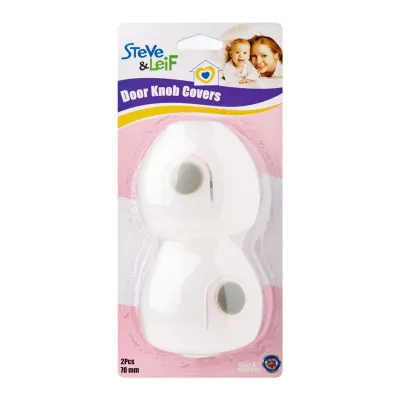
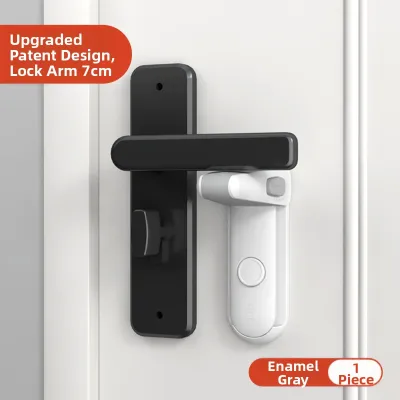
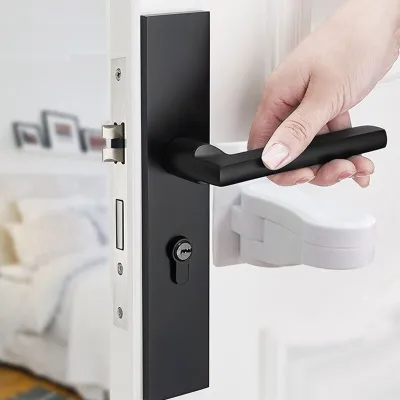
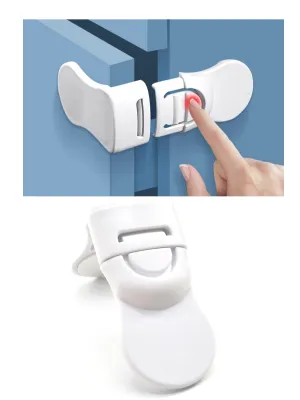
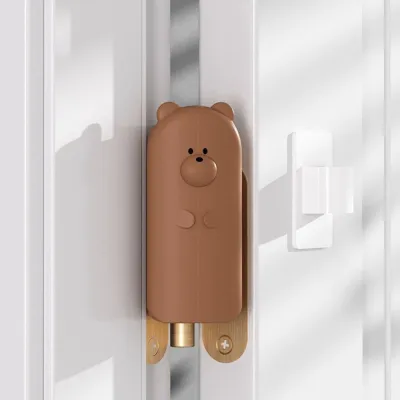
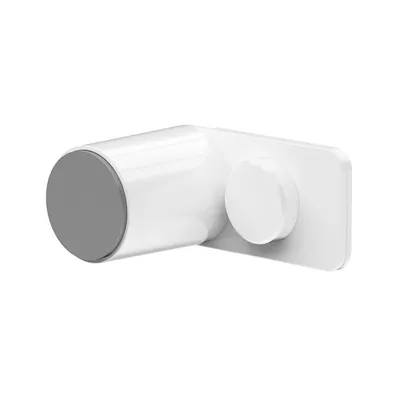
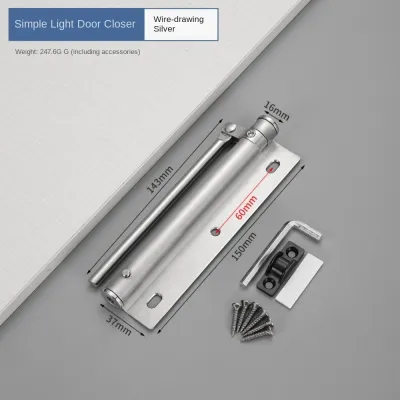
Prices are valid at publication and may change. Please refer to the product page for the latest price.
Lever Handle Locks and Covers
Lever handles are incredibly common in modern Singapore residential developments, but they are also the easiest for toddlers to operate. Children quickly learn to use their body weight to pull down on a lever, opening the door effortlessly. Lever handle locks install directly behind the handle, utilizing two adjustable arms to block the handle from moving upward or downward. High-quality brands design these locks to fit standard lever profiles, allowing parents to secure bedrooms or home offices without replacing the existing hardware.
Sliding Door and Window Locks
Sliding glass doors, frequently used to access balconies in high-rise condominiums, present a significant fall hazard if left unsecured. Standard sliding door locks use physical barriers or adhesive-mounted folding flaps that lie flat to let the door slide open, or stand upright to block the door’s path. Because sliding doors operate on lateral tracks, these locks must be engineered to resist high horizontal shear forces when a child repeatedly pushes against the glass.
Top-Mounted Door Locks
Top-mounted locks sit securely on top of the door frame, completely out of a young child’s physical reach. These devices feature a peg that mounts to the frame and a sliding plastic or metal bracket that slips over the peg to keep the door closed. These locks are highly recommended for utility rooms and bathrooms, as they prevent toddlers from entering unsupervised or accidentally locking themselves inside from the bathroom floor level.
Door Stoppers and Finger Pinch Guards
While not traditional locking mechanisms, finger pinch guards are essential safety accessories that prevent doors from closing completely. Made of heavy-duty, flexible foam or durable rubber, these U-shaped guards slip over the edge of the door, keeping it slightly ajar even when slammed. This simple intervention prevents painful finger pinch injuries and ensures doors cannot lock shut due to sudden drafts or heavy-handed play.
How Door Locks Differ from Cabinet Locks
Parents often wonder if they can use standard cabinet locks on interior doors, but the two categories serve entirely different structural purposes. Cabinet locks are designed to secure lightweight cupboard doors that experience minimal pulling force. In contrast, a child door lock must withstand the full body weight of a pulling toddler, larger surface areas, and hundreds of high-impact daily operations. Using a cabinet lock on a heavy passage door often results in rapid plastic fatigue or adhesive failure, compromising your child’s safety.
Core Safety Features That Define a Reliable Brand
When evaluating child door lock brands, look past aesthetic appeal to focus on core engineering and material safety standards. A reliable lock must balance robust child resistance with seamless adult accessibility, ensuring safety without compromising daily convenience.

Dual-Action Release Mechanisms
An effective child proofing lock relies on a “dual-action” or “adult-easy, child-hard” release mechanism. These designs require two simultaneous physical actions to disengage, such as squeezing two side buttons while rotating the lock arm, or sliding a release tab while lifting the latch. Because young children lack the hand span, finger strength, and bilateral coordination required to perform these dual actions, they cannot bypass the lock, even if they watch an adult operate it.
Material Safety and Structural Durability
Children are naturally curious and may touch, pull, or even attempt to bite safety locks installed at their eye level. Reliable brands manufacture their locks using high-grade, BPA-free, and non-toxic ABS (Acrylonitrile Butadiene Styrene) plastic. ABS plastic is highly favored in safety manufacturing because it resists cracking, shattering, and structural fatigue under repeated impact or extreme temperature shifts.
Emergency Release Functionality
While keeping children out of dangerous areas is the primary goal, preventing them from becoming trapped inside a room is equally critical. For bedroom and bathroom doors, look for locks that feature an emergency bypass or can be operated from both sides of the door. If a child manages to engage a lock from the inside, an adult must be able to quickly disengage the mechanism from the outside using a simple tool, a coin, or a high-mounted release switch.
Clear Manufacturer Documentation and Warnings
Trustworthy manufacturers do not hide behind vague packaging; they provide explicit product specifications and safety boundaries. A reliable brand will clearly state maximum weight limits, recommended age ranges, and precise compatibility guidelines. Furthermore, reputable brands print clear warnings about where the product should never be installed, such as primary fire exits or designated emergency evacuation doors.
How to Evaluate Brands and Read Product Reviews
Navigating the baby safety market requires a critical eye to separate high-performing safety hardware from cheap, unreliable imitations. By analyzing manufacturer documentation and reading user feedback systematically, parents can make informed purchasing decisions.
Verifying Manufacturer Support and Documentation
Before purchasing a lock, visit the manufacturer’s official website to verify the availability of clear installation manuals and video tutorials. Brands that invest in comprehensive, step-by-step guidance and offer responsive customer support are far more likely to produce reliable hardware. Excellent customer service is invaluable if you need to clarify compatibility with an unusual door frame or request replacement parts.
Analyzing User Reviews for Real-World Performance
When browsing online marketplaces, look beyond overall star ratings and focus on detailed, long-term user reviews. Search specifically for recurring complaints regarding adhesive failure, plastic snapping, or children easily figuring out the unlock sequence. Pay close attention to reviews from users living in humid tropical climates, as persistent moisture can severely impact adhesive performance over time.
Navigating Established Brands versus Unbranded Alternatives
Well-known baby safety brands, such as Safety 1st and Dreambaby, are excellent starting points because they design products specifically to meet international safety guidelines. However, a recognized brand name alone does not guarantee a lock will fit your specific door configuration. Avoid cheap, unbranded locks that lack clear manufacturing standards, material disclosures, or traceable customer service channels, as these products often fail prematurely under daily stress.
Matching Lock Mechanisms to Your Door Materials
An otherwise excellent child door lock will fail if it is incompatible with your door’s material or surface finish. Understanding how different installation methods interact with wood, metal, glass, and laminates is essential for maintaining both home safety and property value.
Adhesive-Mounted versus Screw-Mounted Locks
Adhesive-mounted locks are highly popular in Singapore, especially for renters or homeowners wishing to preserve expensive door finishes. These locks use heavy-duty double-sided tape to bond the device to the door surface without drilling. Screw-mounted locks, while requiring permanent modifications, offer the highest level of physical security and are ideal for heavy wooden doors or high-traffic areas where adhesive might eventually degrade.
Surface Compatibility and Bonding Requirements
Adhesive locks perform exceptionally well on smooth, non-porous surfaces such as varnished wood, metal, glass, and high-pressure laminates. However, they struggle to bond securely to textured wood, porous surfaces, or walls painted with matte or chalky finishes. If your door features deep decorative grooves or a highly textured surface, a screw-mounted lock or an alternative safety barrier may be necessary to ensure a secure hold.
The Challenge of Metal Fire-Rated Doors
Most HDB flats and condominiums in Singapore feature heavy, metal fire-rated doors at their main entrance or kitchen entry. These doors are constructed to withstand extreme heat and require significant force to close and latch properly. Standard adhesive-mounted child locks often fail on these surfaces due to the door’s weight and the textured powder coating commonly applied to metal fire doors. Crucially, drilling holes into a certified fire door can void its fire-safety certification and violate local building regulations; parents should consult a professional locksmith or use non-invasive, high-mounted physical barriers instead of altering a fire door.
Protecting Your Door Finish and Warranty
Before applying high-strength adhesives or drilling holes into any door, check the manufacturer’s warranty and care instructions. Some premium wood veneers or laminated finishes can peel or discolor when exposed to strong chemical adhesives or when the adhesive is removed. If you are renting your home, verify your tenancy agreement guidelines regarding minor hardware installations to avoid losing your security deposit.
Installation, Maintenance, and Safe Removal
Proper installation and consistent maintenance are just as important as the quality of the lock itself. Following a disciplined installation routine ensures the lock performs as intended, while proper removal techniques protect your doors from permanent damage.
Preparing the Surface for Adhesive Locks
To ensure a permanent, secure bond for adhesive-mounted locks, you must prepare the target surface meticulously. Begin by cleaning the area thoroughly with isopropyl alcohol (rubbing alcohol) to remove all dirt, grease, and fingerprint oils; avoid using standard household cleaners, as they often leave behind a slick residue. Allow the surface to dry completely, apply the lock firmly, and let the adhesive cure undisturbed for the manufacturer’s recommended time—typically 24 to 48 hours—before applying any physical stress.
Routine Maintenance and Safety Inspections
Child door locks are mechanical safety devices that experience wear and tear with every use. Establish a weekly routine to inspect each lock in your home, checking for hairline cracks in the plastic, loose mounting screws, or peeling adhesive edges. Test the spring tension and sliding mechanisms to ensure they operate smoothly without sticking or jamming, and clean any moving parts with a dry microfiber cloth.
Damage-Free Adhesive Removal Techniques
When your child outgrows the need for safety locks, you can remove adhesive-mounted devices without damaging your doors. Direct the warm air from a hairdryer on a low setting toward the adhesive pad for one to two minutes to soften the glue. Once warmed, gently slide a piece of dental floss or a flexible plastic scraper behind the lock to slice through the softened adhesive tape. Clean away any remaining sticky residue using a mild adhesive remover, eucalyptus oil, or isopropyl alcohol, testing a small, hidden area of the door finish first.
When to Stop Use and Replace a Lock
Never compromise on safety when a lock shows signs of wear or when your child’s physical capabilities change. Stop using and replace a child door lock immediately if you notice visible cracks, failing adhesive, or if your child successfully bypasses the locking mechanism. As children grow, their motor skills and problem-solving abilities improve; a lock that secured a crawling infant may need to be upgraded to a more complex, high-mounted system once they reach toddlerhood.
Frequently Asked Questions (FAQ)
Can child door locks be used on exterior or main entrance doors?
Child door locks should generally not be installed on primary exterior doors or designated emergency fire exits. During an emergency, such as a fire, household members must be able to evacuate the home immediately without navigating complex, multi-step childproof latches. To secure a main entrance safely, consider installing a high-mounted deadbolt or chain lock that sits completely out of a toddler’s reach but remains intuitive and easy for any adult or older child to operate quickly from the inside.
Are magnetic child door locks better than mechanical ones?
Magnetic child door locks offer excellent aesthetic benefits because they install entirely inside the door frame, keeping the exterior clean and free of visible plastic hardware. They are highly effective at keeping children out because they can only be opened using a specialized magnetic key held by an adult. However, mechanical locks are often preferred for high-traffic passage doors because they do not require you to carry or locate a physical magnetic key every time you need to open the door, eliminating the risk of becoming locked out if a key is misplaced.

Community discussion
Share your experience or ask a question. Comments are reviewed before publication.