
Choosing the right food for your growing infant is one of the most significant decisions you will make during their first year. When navigating the transition to solid foods, selecting an organic baby food plan tailored to your child’s specific developmental stage ensures they receive clean, age-appropriate nutrition. By matching certified organic ingredients with your baby’s evolving physical capabilities, you can support their growth safely and effectively.
Every infant develops at their own pace, making it essential to look beyond age labels on packaging. A successful feeding journey combines an understanding of organic certification standards with a close observation of your child’s readiness for new textures and nutrients. This guide provides a practical framework to help you evaluate store-bought options, verify ingredient safety, and build a balanced feeding routine.
Understanding Organic Labels and Safety Standards
Navigating the baby food aisle requires a clear understanding of what organic labels actually mean. When shopping in Singapore, look for recognized international certification logos on the packaging, such as the USDA Organic seal, the EU Organic leaf, or Australia’s NASAA Organic certification. These logos verify that the ingredients were grown without synthetic pesticides, genetically modified organisms (GMOs), or chemical fertilizers, adhering to strict agricultural standards.
Products mentioned in this guide
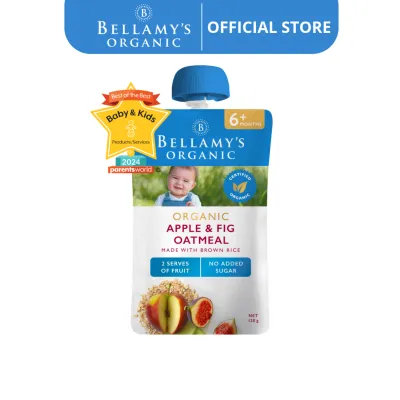
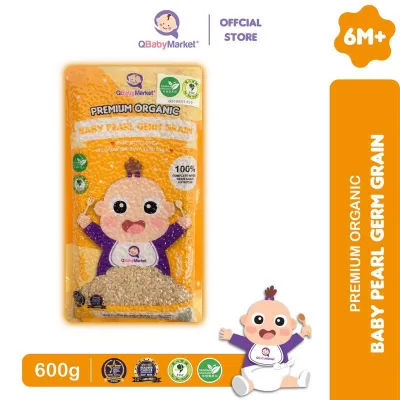
Prices are valid at publication and may change. Please refer to the product page for the latest price.
Reading the ingredient list is just as crucial as checking for certification seals. Authentic organic baby food should list recognizable, whole-food ingredients, with minimal processing aids or additives. Be cautious of products that carry an organic label but contain non-organic synthetic preservatives, artificial colors, or flow agents designed to extend shelf life.
While organic options minimize exposure to synthetic chemicals, they do not eliminate the need for general food safety vigilance. Always monitor your baby for any signs of adverse reactions, such as skin rashes, vomiting, or unusual digestive distress, after introducing a new food. If you suspect an allergic reaction, observe any breathing difficulties, or notice a product recall notice from local food safety authorities, stop using the food immediately and consult a pediatrician.
Matching Nutritional Needs to Your Baby's Age
As your baby grows, their nutritional requirements and physical capabilities undergo rapid changes. Transitioning from a liquid-only diet to solid foods requires a careful progression of textures to prevent choking while meeting their expanding energy needs.
It is vital to cross-reference the age recommendations printed on baby food packaging with your child’s actual developmental milestones. Physical signs of readiness—such as holding their head up steadily, sitting with minimal support, and showing interest in what you are eating—are far more reliable indicators than chronological age alone.
6 Months: First Tastes and Iron-Rich Options
At around six months of age, your baby’s natural iron stores begin to deplete, making nutritional iron a primary focus. When selecting your first organic baby food products, look for single-ingredient, completely smooth purees that allow you to introduce new flavors gradually.
Check product labels for organic single-grain cereals fortified with iron, or opt for naturally iron-rich purees made from organic spinach, lentils, or finely pureed meats. Introducing only one single-ingredient food at a time, and waiting three to five days before introducing another, makes it much easier to identify the source of any potential food sensitivity.
During this early stage, feeding is primarily about exploration and building tolerance rather than consuming large volumes. Watch your baby’s cues closely; if they push the spoon away with their tongue or turn their head, they may not be ready for that specific texture or flavor yet.
8 to 10 Months: Texture Progression and Energy Density
By eight to ten months, most babies are ready to transition from smooth purees to thicker, more textured foods. Look for packaging indicators that specify mashed, lumpy, or textured blends, which help your baby develop essential chewing and swallowing muscles.
This stage demands higher energy density to support rapid physical development and increased movement. Verify that the ingredient list includes healthy fats and complex carbohydrates, such as organic avocado, coconut oil, oats, quinoa, or sweet potato, which provide sustained energy.
As you introduce soft finger foods, safety remains the top priority. Ensure all pieces are small, soft enough to mash between your fingers, and free of hard skins or seeds. Active caregiver supervision is absolutely mandatory during every meal to prevent choking hazards, regardless of how comfortable your baby seems with self-feeding.
12+ Months: Toddler Meals and Balanced Nutrition
Reaching the one-year mark brings a transition toward family-style meals and a highly varied diet. Organic toddler meals and snacks should be selected to complement, rather than replace, the fresh foods prepared at home.
When evaluating toddler-targeted organic products, carefully check the nutrition facts panel for sodium and added sugar levels. Many commercial toddler snacks contain hidden sweeteners or excessive salt to enhance flavor; choose products with zero added sugars and minimal sodium to help your child develop a preference for natural flavors.
Be cautious of specific high-risk ingredients that are unsuitable for young children. Avoid any products containing raw or unpasteurized ingredients, and remember that honey must never be given to children under twelve months due to the risk of infant botulism. Additionally, avoid foods with excessively high fiber content, which can fill up a toddler’s small stomach too quickly and prevent them from absorbing other essential nutrients.
Evaluating Ingredients and Packaging for Daily Use
Maintaining a safe and nutritious diet for your baby requires a critical eye when examining product packaging and ingredient lists during your routine shopping trips. Many commercial products use filler ingredients to reduce production costs while maintaining an organic label.
Scan the ingredient list for hidden sugars, which may appear under names like organic cane sugar, fruit juice concentrate, or brown rice syrup. While these ingredients are technically organic, they contribute unnecessary sugars that can impact dental health and shape long-term taste preferences. Similarly, look out for unnecessary thickeners, such as organic corn starch, tapioca starch, or guar gum, which dilute the nutritional density of the food.
Packaging integrity is your first line of defense against foodborne illness. Before purchasing or serving, inspect squeeze pouches, glass jars, and plastic tubs for any signs of bloating, leaks, or broken safety seals. In Singapore’s warm and humid climate, proper storage is critical; always check the expiration dates on the packaging and follow the manufacturer’s instructions for refrigeration. Once a pouch or jar has been opened, store it in the refrigerator immediately and discard any leftovers within twenty-four to forty-eight hours to prevent harmful bacterial growth.
Building a Flexible Organic Feeding Plan
Creating a sustainable feeding routine involves finding a practical balance between convenience and fresh, whole foods. Commercial organic options offer excellent convenience for busy days or travel, but they should ideally be integrated alongside fresh, homemade meals.
Combining store-bought organic purees with simple home-prepared foods—such as mashed bananas, steamed sweet potatoes, or soft-cooked lentils—ensures your baby experiences a wide variety of natural textures and flavors. This approach also helps manage household grocery budgets, allowing you to prioritize organic purchases for specific ingredients that tend to carry higher pesticide loads when grown conventionally.
Always practice responsive feeding by learning to recognize your baby’s unique hunger and fullness cues. Signs of hunger include leaning toward the spoon, reaching for food, or showing excitement, while fullness is often indicated by turning away, closing the mouth, or playing with the food. Never force your baby to finish a portion, as this can disrupt their natural ability to self-regulate their food intake.
Be prepared to adjust your feeding plan dynamically as your baby grows or experiences health changes. If your child experiences digestive changes, teething discomfort, or temporary illness, their appetite and texture preferences may shift. Consult a pediatrician or a registered pediatric dietitian to tailor your feeding strategy if you have concerns about your baby’s growth trajectory or nutritional intake.
Frequently Asked Questions (FAQ)
Is organic baby food always nutritionally superior to conventional options?
Organic baby food is not automatically superior in terms of basic vitamin and mineral content, as both organic and conventional crops offer similar baseline nutritional values. However, the primary benefit of choosing organic is the significant reduction in exposure to synthetic pesticide residues, chemical fertilizers, and genetically modified ingredients. For infants, whose developing organs and smaller body masses make them more sensitive to environmental toxins, minimizing this exposure can be a meaningful consideration. When managing a budget, you can balance your choices by opting for organic versions of fruits and vegetables that typically have higher pesticide residues, while choosing conventional options for foods with protective outer skins, like bananas or avocados.
How should I introduce potential allergens using organic baby food?
When introducing common food allergens—such as peanuts, tree nuts, eggs, soy, wheat, fish, and shellfish—using commercial organic products, start by carefully reading the packaging for allergen statements and cross-contamination warnings. Introduce only one potential allergen at a time, in a very small amount and a texture that is safe for your baby’s developmental stage, such as a smooth puree. Ensure your baby is healthy and free of any active illnesses on the day of introduction, and monitor them closely for at least two hours afterward. Look for signs of an allergic reaction, which can include hives, swelling of the face or lips, vomiting, diarrhea, or wheezing. If you observe any mild symptoms, stop feeding the food immediately and contact your doctor; if you observe severe symptoms like difficulty breathing or widespread swelling, seek emergency medical care immediately.

Community discussion
Share your experience or ask a question. Comments are reviewed before publication.