
Parents in Singapore looking for healthy, convenient feeding options often turn to baby food pouches. While searching for options with no added sugar, it is essential to recognize that product formulations, retail availability, and stock levels in local supermarkets and online marketplaces fluctuate constantly. Relying on a static list of brands can lead to frustration when products are reformulated or out of stock. Instead, mastering the skill of reading ingredient labels, understanding nutritional criteria, and knowing how to verify current stock in Singapore empowers you to build a reliable, healthy shortlist tailored to your baby’s specific developmental needs.
By learning to look past front-of-pack marketing claims, you can confidently navigate the baby food aisle. This guide provides a practical framework for evaluating ingredients, assessing nutritional density, and practicing safe feeding habits to support your baby’s growth and long-term relationship with food.
Decoding "No Added Sugar" and Hidden Sweeteners on Labels
Understanding the difference between naturally occurring sugars and added sugars is the first step in selecting high-quality baby food. Natural sugars are inherently present in whole fruits, vegetables, and dairy products. These sugars are bound within a complex food matrix containing fiber, vitamins, and minerals, which slows down digestion and absorption. Added sugars, conversely, are introduced during manufacturing to enhance flavor, improve texture, or extend shelf life. They provide empty calories and can contribute to an early preference for overly sweet foods.
Products mentioned in this guide
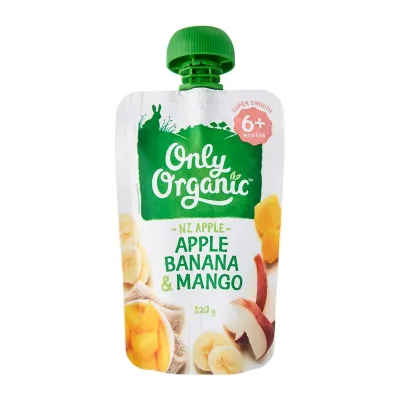
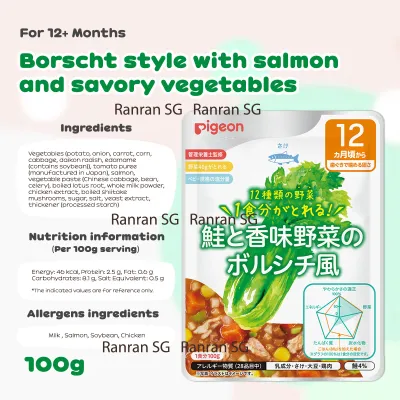
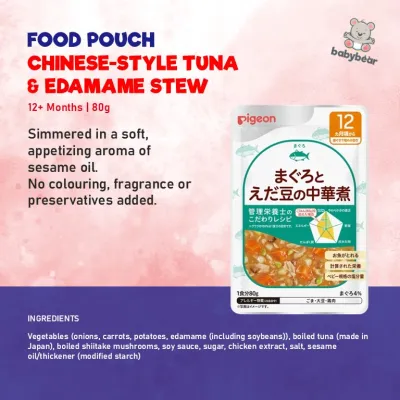
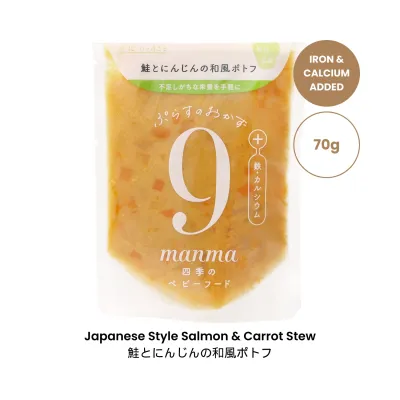
Prices are valid at publication and may change. Please refer to the product page for the latest price.
Many commercial purees utilize fruit juice concentrates, such as apple, pear, or grape juice concentrate, to sweeten vegetable-heavy blends. Although derived from fruit, these concentrates are highly processed and stripped of their natural fiber. From a nutritional standpoint, they function similarly to added sugars, rapidly raising blood glucose levels and masking the natural, earthy flavors of vegetables. When reviewing an ingredient list, look for whole food ingredients rather than reconstituted juices or concentrates.
Manufacturers often use alternative names for sugar that may not be immediately recognizable. Common hidden sugars include sucrose, dextrose, maltodextrin, barley malt, cane juice, and various syrups. Additionally, artificial sweeteners and sugar alcohols, such as sorbitol, xylitol, aspartame, and sucralose, must be avoided in baby food. These substances are not suitable for a baby’s developing digestive system and can interfere with the natural development of their taste preferences.
It is also important to distinguish between different labeling claims. A “no added sugar” claim indicates that no sugar or sugar-containing ingredients were introduced during processing, though natural sugars from the fruits or vegetables remain. “Unsweetened” typically means the product contains no added sugars, artificial sweeteners, or juice concentrates to boost sweetness. “No sugar” or “sugar-free” claims are rarely found on fruit or vegetable purees because these foods naturally contain fructose. Always verify the ingredient list on the back of the packaging rather than relying solely on front-of-pack marketing highlights.
Key Nutritional and Safety Criteria for Food Pouches
Evaluating a baby food pouch requires looking beyond sugar content to assess the overall nutritional profile. Sodium levels should be exceptionally low or zero, as a baby’s kidneys are still developing and cannot process high amounts of salt. Check the nutrition information panel to ensure no salt has been added to the blend.

Fiber content is another critical indicator of quality. Fiber supports healthy digestion and helps regulate blood sugar absorption. Purees that retain more of their natural fiber are generally closer to whole foods and offer better nutritional value. Compare similar product types to identify options that maintain a higher fiber-to-sugar ratio.
Ingredient density is equally important. High-quality pouches list whole vegetables, grains, or proteins, such as lentils, quinoa, or meats, near the top of the ingredient list. Be cautious of blends that rely primarily on water, apple puree, or pear puree as cheap fillers, which dilute the nutritional density of the product. A high-quality pouch should offer a diverse range of nutrients rather than just fruit-based calories.
Always verify that the pouch is appropriate for your baby’s specific developmental stage. Manufacturers typically categorize products by stages, which correspond to different textures and ingredient complexities. Ensure the texture matches your baby’s chewing and swallowing capabilities, and carefully check for allergen declarations. If you are introducing common allergens like dairy, gluten, or soy, do so individually and under close supervision rather than through a complex multi-ingredient pouch.
Packaging safety is a paramount consideration for any commercial baby food. Ensure the pouch is explicitly labeled as BPA-free to prevent chemical leaching into the food. Inspect the physical design of the pouch; the spout must be secure, and the cap should be large and structured to prevent accidental swallowing or choking. Never allow a baby to play with or chew on the plastic cap unsupervised.
How to Find and Verify Pouch Brands in Singapore
Finding reliable baby food pouches in Singapore involves exploring a mix of physical and digital retail channels. Major local supermarkets, specialty baby boutiques, and official brand stores on online marketplaces frequently stock imported organic and natural baby foods. Because stock levels and product availability can be unpredictable, keeping a flexible shortlist of acceptable brands is more practical than searching for a single specific product.
Formulations can vary by region, and manufacturers occasionally update their ingredients without changing the front packaging design. When shopping online, the ingredient list displayed on an e-commerce product page may not always reflect the current stock. To ensure accuracy, cross-reference the digital product description with the physical label upon delivery, or contact the retailer directly to confirm the ingredient list before making a purchase.
To manage your household budget effectively, compare the price per serving rather than the flat retail price per pouch. Calculating the cost per 100 grams allows you to make accurate comparisons between different brands and package sizes. In Singapore, prices can vary significantly depending on whether the product is organic, imported, or sold in bulk packages.
While bulk-buying options can offer better value in S$, parents must balance cost savings with product freshness. Check the expiration dates carefully, particularly for organic pouches that do not contain artificial preservatives. Avoid purchasing large quantities of a single flavor before verifying that your baby tolerates and enjoys the taste, as babies can quickly change their preferences.
Safe Feeding Practices and Transitioning Away from Pouches
While baby food pouches offer convenience, how they are served plays a significant role in your baby’s development. Sucking puree directly from a pouch spout bypasses the oral motor movements required for chewing and swallowing solid foods. Regular direct sucking can also bathe emerging teeth in natural sugars, increasing the risk of early childhood dental caries. To support proper oral development and dental health, squeeze the puree onto a spoon or into a small bowl for feeding.
Using a spoon encourages your baby to practice active lip closure, tongue coordination, and swallowing control. It also allows them to see, smell, and touch the food, which is a crucial part of sensory development. Pouches should serve as a convenient supplement to fresh, whole foods rather than the primary method of feeding.
Recognizing when your baby is ready to transition away from smooth purees is essential for their developmental progress. Look for observable signs of readiness, such as the ability to sit upright with minimal support, good head control, curiosity about family meals, and the ability to swallow mashed or textured foods without gagging. Gradually introduce thicker textures, mashed foods, and soft finger foods to encourage jaw development and speech skills.
Proper storage and hygiene are critical to preventing bacterial growth, especially in Singapore’s warm and humid climate. If your baby has fed directly from the pouch spout, discard any leftovers immediately, as saliva introduces bacteria into the pouch. If you have squeezed the puree onto a clean spoon, you can typically recap the remaining portion and store it in the refrigerator. Always follow the manufacturer’s specific storage instructions, which generally recommend consuming the refrigerated portion within 24 to 48 hours. Never freeze or microwave the pouch packaging itself unless it is explicitly labeled as safe to do so.
Frequently Asked Questions (FAQ)
Can babies have fruit pouches every day?
While fruit pouches provide a convenient source of vitamins, relying on them daily can encourage a strong preference for sweet flavors over savory ones. It is important to balance fruit purees with a variety of vegetables, proteins, and iron-rich whole foods to support a balanced diet. If you have concerns about your baby’s nutritional intake or sugar consumption, consult a pediatrician or a qualified healthcare professional for personalized dietary guidance.
Are reusable food pouches a safer or better alternative?
Reusable food pouches allow parents to prepare fresh, homemade purees and reduce single-use plastic waste, but they require meticulous hygiene. Cleaning reusable pouches thoroughly can be challenging, as food residue can easily become trapped in the corners, seams, and spout, leading to mold and bacterial growth. If you choose reusable options, select durable, food-grade silicone or BPA-free plastic designs that can be fully opened for cleaning, and inspect them regularly for wear, tear, or mold.

Community discussion
Share your experience or ask a question. Comments are reviewed before publication.