
Selecting the right baby food products for your little one is a journey that requires careful observation of their physical development rather than simply following the age numbers printed on the front of a package. While brands like Little Freddie design their product ranges around specific age milestones, every baby develops at their own unique pace. Matching your baby’s current chewing skills and physical readiness signs to the appropriate texture profile is the most reliable way to ensure a safe, positive, and nutritionally supportive weaning experience.
By understanding how to transition through different textures—from smooth purees to mashed blends and chunkier meals—you can help your baby build essential oral motor skills. This guide outlines how to evaluate your baby’s readiness for each stage, what to look for on product labels, and how to safely introduce new flavors and textures using the Little Freddie range as a framework.
Understanding Weaning Readiness and Brand Stage Guidelines
Before purchasing any baby food pouches or meals, it is essential to recognize the physical signs that indicate your baby is ready to start solids. The World Health Organization and local pediatric guidelines generally recommend exclusive breastfeeding or formula feeding for the first six months, but individual developmental readiness can vary. Key physical milestones include the ability to sit upright with minimal support, which is crucial for maintaining a safe swallowing posture and reducing choking risks.
Products mentioned in this guide
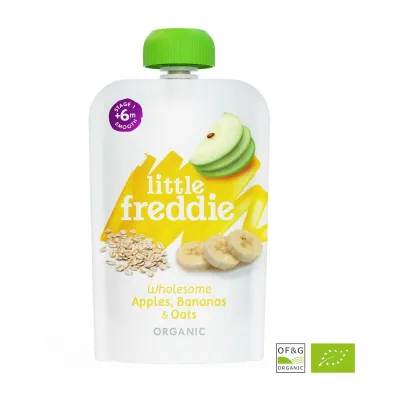
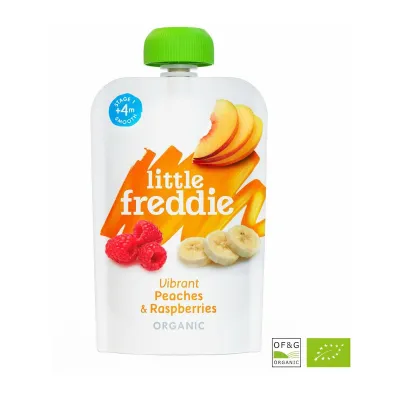

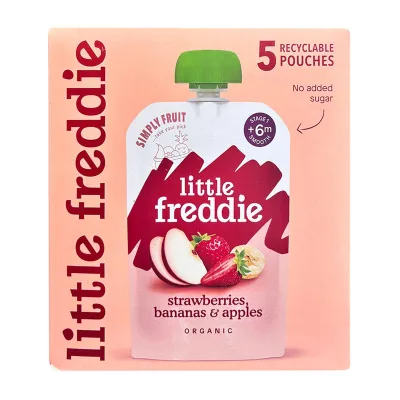
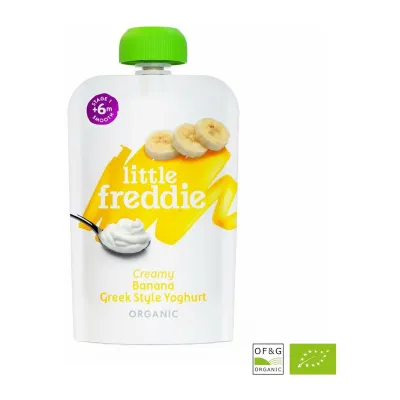
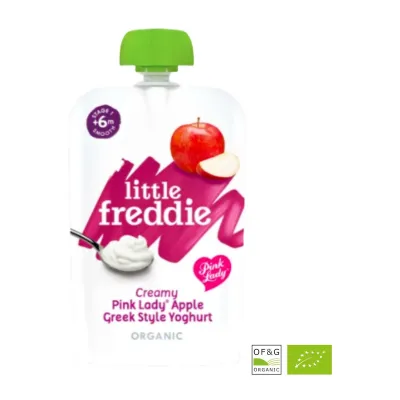
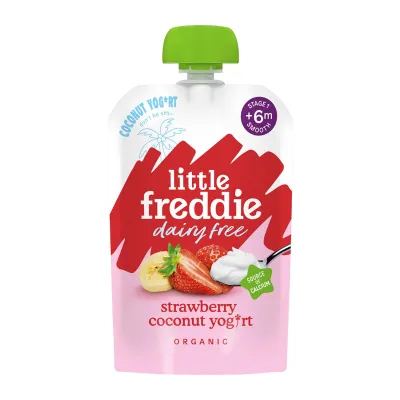
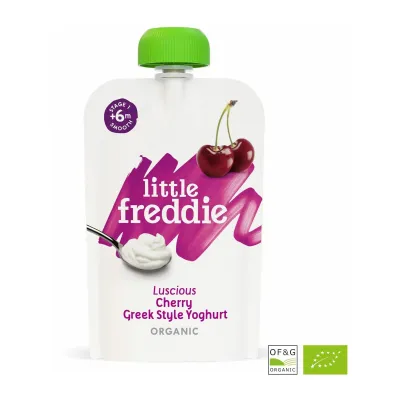
Prices are valid at publication and may change. Please refer to the product page for the latest price.
Another vital sign of readiness is excellent head and neck control, allowing your baby to turn their head away when they are full or lean forward when interested in food. You should also observe whether your baby has lost the tongue-thrust reflex, an involuntary reaction where infants push solid objects out of their mouth with their tongue. If your baby still automatically pushes a spoon or food away with their tongue, their oral motor skills may not yet be mature enough for solids.
When exploring the Little Freddie product range, you will notice stage numbers, age recommendations, and texture descriptions printed on the packaging. Stage 1 products are typically marked for babies around four to six months onwards, Stage 2 for six months and older, and Stage 3 for nine to twelve months and beyond. These age brackets serve as general starting points, but they should never override your observation of your baby’s actual physical capabilities.
Transitioning between these stages must be guided by your baby’s chewing ability and interest in food. If your baby easily swallows smooth purees and shows curiosity about what you are eating, they may be ready to progress. Conversely, if they gag excessively or struggle to manage thicker textures, it is safer to pause, return to a smoother texture, and consult a healthcare professional if you have ongoing concerns about their swallowing development.
Stage 1: Selecting Smooth Purees for First Tastes (Around 4 to 6 Months)
The initial phase of weaning is focused on introducing your baby to the concept of swallowing solid food and experiencing new tastes. For this early stage, you should look for single-ingredient or very simple-blend purees that feature a completely smooth, runny texture. These purees should slide easily off a spoon, requiring minimal effort from your baby to move the food to the back of their mouth and swallow safely.

When browsing Little Freddie’s early-weaning options, check the packaging carefully for “Stage 1” indicators or explicit “first tastes” labels. These products are specifically processed to eliminate any lumps, seeds, or thick fibers that could pose a choking hazard or overwhelm a beginner’s digestive system. Starting with mild, single-vegetable purees, such as parsnip, sweet potato, or carrot, is often recommended to help your baby get used to savory flavors before introducing sweeter fruits.
Introducing new ingredients one at a time is a fundamental safety practice during this first stage of weaning. By offering a single new ingredient and waiting a few days before introducing another, you can easily monitor your baby for any potential allergic reactions or digestive sensitivities. Keep a close eye on their skin for rashes, observe their stool patterns, and note any changes in their overall comfort levels after each new food is introduced.
Caregiver supervision is absolutely paramount during every feeding session, even when serving the smoothest Stage 1 purees. Ensure your baby is seated securely in an upright highchair and never leave them unattended while eating. If you notice any signs of an allergic reaction, such as hives, swelling, or difficulty breathing, stop feeding immediately and seek urgent medical attention.
Stage 2: Transitioning to Mashed Textures and Mixed Flavors (6 to 9 Months)
As your baby approaches six to nine months of age, their oral motor skills will begin to advance, allowing them to handle more complex textures. This is the ideal time to transition from completely smooth purees to mashed textures, soft lumps, and multi-ingredient blends. Introducing these textures encourages your baby to practice lateral tongue movements and active chewing motions, which are essential for speech development and jaw strength.
Little Freddie’s Stage 2 products are designed to support this transition by offering thicker consistencies and soft, manageable pieces. These meals often combine multiple fruits, vegetables, grains, and proteins, helping to expand your baby’s palate and accustom them to savory, complex flavor profiles. When selecting these products, look for labels that describe the texture as “mashed” or “textured” to ensure they provide the right level of challenge for your baby’s developing chewing skills.
This stage also marks a significant nutritional shift, as your baby’s natural iron stores begin to deplete around six months of age. It is important to check product labels for the introduction of iron-rich protein sources, such as poultry or legumes, as well as wholesome grains like oats, quinoa, or spelt. Carefully review the ingredient list on the back of the pouch to identify any common allergens, such as gluten, dairy, or fish, that are being introduced for the first time.
When introducing these more complex meals, continue to prioritize safety by monitoring how your baby manages the soft lumps. If they struggle or gag frequently, you can use a spoon to mash the larger pieces further before serving. Remember that gagging is a normal, protective reflex as babies learn to navigate textures, but persistent choking signs require immediate intervention and a temporary return to smoother foods.
Stage 3: Choosing Chunkier Meals for Self-Feeding (9 to 12 Months and Beyond)
By the time your baby reaches nine to twelve months, they are likely becoming more independent and eager to feed themselves. Stage 3 meals are formulated to support this active phase of development, featuring chunkier textures, larger soft pieces, and formats that encourage self-feeding. These products help your baby refine their pincer grasp—the ability to pick up small pieces of food between their thumb and index finger.
When choosing Little Freddie Stage 3 products, look for meals that incorporate distinct, soft chunks of vegetables, grains, or pasta. These pieces must be soft enough to be easily mashed between your baby’s gums, even if they do not yet have a full set of teeth. Offering these chunkier meals alongside soft finger foods allows your baby to explore different textures and build confidence in their self-feeding abilities.
The nutritional demands of an older, more active baby are significantly higher than those of a newborn. Verify that the portion sizes and nutritional profiles of your chosen Stage 3 meals align with your baby’s increased energy and iron requirements. Look for hearty combinations that include substantial protein sources, complex carbohydrates, and a variety of vegetables to ensure each meal is nutrient-dense and satisfying.
Before serving any Stage 3 meal, always review the preparation and heating instructions on the packaging. Some chunkier meals are designed to be served warm, which can help soften the ingredients and make them easier to chew. Always stir the heated food thoroughly to eliminate any hot spots, and test the temperature on the inside of your wrist before offering it to your baby to prevent burns.
Evaluating Ingredients, Allergens, and Packaging Safety Before Feeding
Regardless of the weaning stage your baby is currently in, establishing a habit of thoroughly evaluating product labels and packaging safety is essential. When reading the ingredient list on any baby food product, verify that there are no added sugars, excessive salt, or unnecessary preservatives. High-quality baby food should rely entirely on the natural flavors and sweetness of the whole-food ingredients used in the recipe.
Allergen safety is another critical factor to verify before purchase. Locate the allergen declarations on the back of the pouches or meal trays to ensure they match your baby’s dietary safety profile. Manufacturers frequently update their recipes or process different products on shared lines, so it is vital to check the label of every single pouch, even if you have purchased the same flavor in the past.
Physical packaging inspection must be performed before every single feeding session. Inspect the pouch seals to ensure they are completely intact and have not leaked during transit or storage. For products with screw-on caps, verify that the safety seal is unbroken, and for jars or trays, check that the safety button on the lid has not popped up. Always check the expiration date printed on the packaging, and discard any product that is past its shelf life or shows signs of bloating or damage.
Frequently Asked Questions (FAQ)
Can I mix different Little Freddie stages if my baby is between ages?
Yes, mixing different stages is a highly effective way to help your baby transition between textures at their own pace. If your baby is ready for more flavor variety but still struggles with the larger lumps in Stage 2 or Stage 3 meals, you can mix a small amount of a chunkier meal into a smooth Stage 1 puree. This allows you to gradually increase the texture density without overwhelming your baby’s swallowing capabilities. Always prioritize your baby’s safety and comfort over the strict age recommendations printed on the packaging.
How should I store opened Little Freddie pouches and meals?
Once a baby food pouch or meal tray has been opened, any unused portion must be stored properly to prevent spoilage. Seal the pouch tightly with its cap and place it in the refrigerator immediately. In warm and humid climates like Singapore, prompt refrigeration is especially critical to prevent rapid bacterial growth. Most manufacturers recommend consuming refrigerated leftovers within 24 to 48 hours; always check the specific product label for exact instructions. Crucially, if your baby has fed directly from the pouch nozzle or if a spoon used for feeding has been dipped back into the food, discard any leftovers immediately, as saliva introduces bacteria that can cause rapid spoilage.
Are Little Freddie products suitable for babies with specific dietary needs?
To determine if a specific product is suitable for your baby’s dietary restrictions, you must carefully read the ingredient list and allergen declarations on each individual package. Formulations can vary significantly between different flavors and batches, making pre-purchase verification essential. If your baby has known severe food allergies, eczema, or other medical dietary requirements, do not rely solely on packaging labels. Always consult a pediatrician or a registered dietitian to create a safe, tailored weaning plan before introducing new food groups or brands.

Community discussion
Share your experience or ask a question. Comments are reviewed before publication.