
Selecting the right kids food scissors requires matching blade safety, grip ergonomics, and overall size to your child’s specific weaning or self-feeding milestone. Rather than looking for a single universal tool, caregivers must evaluate whether the scissors will be used strictly by an adult to prepare meals or if a toddler will eventually use them to build independence. This guide outlines the critical features to assess, how to align them with developmental stages, and the safety checks necessary before making a purchase.
Preparing meals for a young child often involves resizing food to prevent choking and encourage self-feeding. Standard kitchen knives can be cumbersome when dining out or trying to quickly chop noodles, vegetables, and meats directly inside a small baby bowl. Specialized food shears offer a portable, efficient alternative, but their design must align with your child’s developmental stage to ensure safety and utility.
By understanding what to look for in terms of materials, safety locks, and handle designs, you can select a tool that simplifies meal preparation while keeping your child safe. Whether you are starting the weaning journey or helping a toddler transition to independent eating, the right pair of scissors can make a significant difference in your daily routine.
Products mentioned in this guide
![[SG] Scotch™ Portable Food Scissors PS-AB Baby & Toddler Food Cutting Scissors (Green / Pink) [Evergreen Stationery]](https://img.lazcdn.com/g/p/07d19067b1b7e233319a50218240647c.jpg_400x400q80.jpg_.webp)
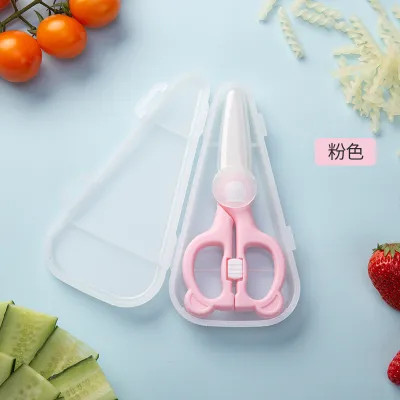

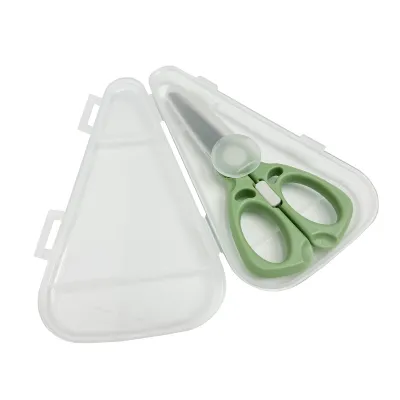

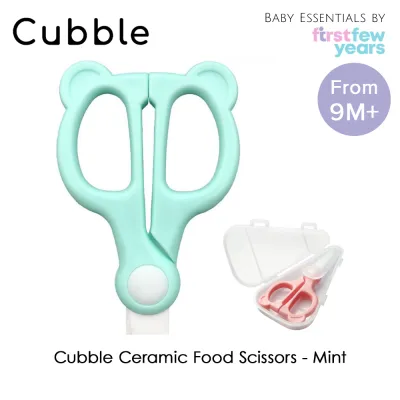
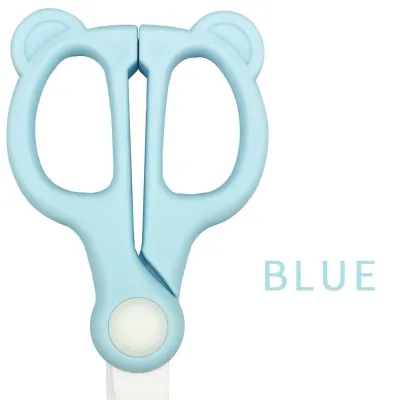

Prices are valid at publication and may change. Please refer to the product page for the latest price.
Understanding Your Child's Feeding Stage and Scissor Needs
Every child progresses through weaning and self-feeding milestones at their own pace. Before purchasing kids food scissors, it is essential to distinguish between caregiver-led cutting and child-led cutting. During the early stages of weaning, the primary user of the scissors is the parent or caregiver, who needs a highly efficient tool to prepare soft purees, mashes, and bite-sized pieces.
As your child transitions from smooth textures to solid finger foods, their fine motor skills and grip strength begin to develop. This transition marks a shift in how food is prepared and eventually how utensils are handled. Observing your child’s ability to grasp objects, coordinate hand-to-mouth movements, and show interest in self-feeding will help you determine when they might be ready to transition to more independent tools.
While age brackets on product packaging offer a general guideline, they should not be the sole deciding factor. A child’s physical readiness, hand-eye coordination, and ability to follow basic safety instructions are far more reliable indicators of whether they can safely interact with or use food scissors under direct supervision. Always prioritize observable motor skills and manufacturer-specified age limits over generic age recommendations.
Caregivers must also consider the environment where the scissors will be used. A tool designed solely for home meal preparation might prioritize heavy-duty blades, whereas a pair meant for dining out at local food centers or restaurants needs to be lightweight, compact, and equipped with a secure protective cover. Assessing these daily scenarios ensures the chosen tool fits seamlessly into your family’s lifestyle.
Key Features to Evaluate in Kids Food Scissors
Evaluating the physical and mechanical attributes of food scissors is crucial for ensuring safety, efficiency, and comfort. Different materials and designs serve distinct purposes depending on whether an adult or a child is operating the tool.

Blade Material and Design
When examining the blades of kids food scissors, the two primary materials you will encounter are ceramic and stainless steel. Ceramic blades are highly resistant to rust, do not transfer metallic tastes to food, and often stay sharp for extended periods without requiring sharpening. However, they can be brittle and may chip if dropped on hard kitchen tiles or used to cut through hard bones.
Stainless steel blades offer exceptional durability and can easily cut through tougher textures like meats and fibrous vegetables. To maintain their performance, they require regular washing and thorough drying to prevent corrosion. When choosing stainless steel, look for food-grade alloys that resist staining and are robust enough for daily sterilization.
Safety is a paramount concern, so look for blades with rounded or blunt tips rather than sharp points. Blunt tips significantly reduce the risk of accidental puncture wounds if the scissors slip or if a curious toddler reaches for them. Additionally, check if the blades feature micro-serrations, which help grip slippery foods like grapes, cherry tomatoes, or noodles, preventing them from sliding out of the blades during cutting.
Handle Grip and Ergonomics
The handle design of kids food scissors directly impacts how comfortable and safe they are to use. For caregiver-led cutting, look for ergonomic handles made from non-slip materials like silicone or textured thermoplastic rubber. These materials provide a secure grip even when your hands are wet or covered in food residue during busy meal preparation.
If the scissors are intended for toddler use, the handle loops must be sized appropriately for smaller hands. Large loops designed for adults can cause a child’s hand to slip, leading to poor control and potential injury. Lightweight builds and easy-squeeze spring mechanisms are ideal for toddlers, as they reduce the hand strength required to make a clean cut.
Ambidextrous handle designs are highly beneficial during the early years when a child’s hand dominance is still developing. Scissors that can be used comfortably with either the left or right hand allow your child to explore their natural grip without frustration. Ensure the handle material is free from harmful chemicals and is comfortable for both quick snips and extended meal prep sessions.
Safety Mechanisms and Accessories
Built-in safety features are essential for preventing accidental cuts and maintaining hygiene, especially when storing or transporting the scissors. A reliable blade lock or sliding safety cover is a critical feature to verify. This mechanism should be robust enough to prevent a toddler from easily opening the blades, yet simple enough for an adult to operate with one hand.
For families who frequently eat out, portable accessories are highly valuable. Look for food scissors that come with a dedicated storage cap, a clip-on travel case, or a lanyard attachment. These accessories keep the blades clean during transport and prevent residual food oils from staining the inside of your diaper bag or purse after use.
Before purchasing, always check the manufacturer’s guidelines regarding heat resistance and cleaning compatibility. Some plastic handles or ceramic components may warp or degrade if exposed to high-temperature steam sterilizers or dishwasher cycles. Verifying these limits beforehand ensures the longevity of the safety mechanisms and the overall structural integrity of the tool.
Matching Scissor Features to Developmental Milestones
Aligning specific scissor features with your child’s feeding progression ensures that the tool remains safe and effective. As your child grows, their interaction with food changes, requiring a shift in the tools you use to prepare and serve their meals.
Early Weaning and Caregiver-Led Cutting
During the early weaning phase, typically starting around six months, infants consume very soft foods, purees, and finely mashed textures. At this stage, the food scissors are operated exclusively by the caregiver. The ideal tool for this phase prioritizes sharp, efficient blades that can quickly mince soft vegetables, pasta, and tender meats directly inside the baby’s serving bowl.
Because caregivers often have their hands full while managing a hungry infant, ergonomics and ease of use are paramount. Look for scissors that feature a spring-loaded mechanism, which automatically reopens the blades after each cut, reducing hand fatigue during repetitive chopping. One-handed operation capabilities allow you to hold the bowl or comfort your child with one hand while preparing their food with the other.
Since the infant does not interact with the scissors, the focus remains on adult safety and convenience. However, strict safety locks are still necessary to prevent accidental cuts when retrieving the scissors from a drawer or bag. Ensure the locking mechanism is engaged immediately after cleaning and storing the tool out of the child’s reach.
Transitioning to Solids and Finger Foods
As your child approaches their first birthday, they begin to explore a wider variety of textures and firmer finger foods. During this transitional phase, you will need versatile blades that can handle both soft steamed vegetables and slightly tougher textures like grilled chicken or soft fruits without crushing them. The goal is to create uniform, bite-sized pieces that encourage safe self-feeding.
To prevent food from slipping and sliding during preparation, consider using a dedicated cutting board or a stable silicone tray attachment. Cutting food on a stable surface rather than directly in a delicate bowl prevents damage to your tableware and ensures more precise cuts. This practice also helps maintain a hygienic preparation environment.
Even though the child is not yet operating the scissors, they are highly active and curious during meals. Maintain strict adult supervision at all times, keeping the scissors well out of the child’s reach on the dining table. Establish a habit of engaging the safety lock or sliding the protective cover back onto the blades immediately after every single use.
Toddler Self-Feeding and Independence
When your toddler shows interest in cutting their own food—usually around preschool age—the criteria for choosing scissors shift dramatically. At this stage, the tool must be designed specifically for child use, prioritizing safety features that prevent self-injury. Look for scissors with highly blunt tips, plastic-covered blades, or specialized child-safe cutting edges that cut food but resist cutting skin.
The scissors must feature lightweight, easy-squeeze handles that match the limited hand strength and coordination of a young child. Verify the manufacturer’s explicit age recommendations, weight limits, and safety warnings on the packaging before allowing your child to handle the tool. Never assume a product is safe for self-feeding without verifying these official guidelines.
Direct and constant adult supervision is mandatory whenever a toddler is using food scissors. Establish clear behavioral rules, such as sitting flat in their high chair or booster seat, keeping the scissors over their plate, and never running or playing with the tool. If the child exhibits unsafe behavior or refuses to follow instructions, immediately stop use and store the scissors safely away.
Safety, Hygiene, and Maintenance Checklist
Maintaining the cleanliness and structural integrity of kids food scissors is vital for preventing bacterial contamination and mechanical failure. Because these tools come into direct contact with cooked foods, they can easily harbor bacteria in hard-to-reach crevices if not cleaned properly.
Always follow the manufacturer’s specific instructions for disassembly and cleaning. Many modern food scissors are designed to separate into two individual blades, allowing you to thoroughly clean the hinge area where food particles and moisture tend to accumulate. If the scissors do not disassemble, use a fine-bristled bottle brush or a dedicated crevice brush to clean around the joint and spring mechanism.
Verify the dishwasher safety labels on the product packaging or user manual before placing the scissors in a dishwasher cycle. High temperatures and harsh detergents can degrade certain plastics, weaken adhesive bonds, or cause ceramic blades to chip. If hand-washing is recommended, use mild dish soap and warm water, and ensure the scissors are completely dry before closing the safety lock or placing them in their travel case.
Establish a regular routine to visually inspect the scissors before each use. Check the blades for any signs of dullness, rust, loose hinges, or chipping, especially if you are using ceramic blades. Inspect the handle grips to ensure they are not cracking, peeling, or becoming sticky, which can compromise your grip during use.
Define clear conditions for when it is time to discard and replace the food scissors. If you notice a compromised safety lock that no longer stays securely closed, a chipped ceramic blade, visible rust on stainless steel, or a loose hinge that affects cutting alignment, stop using the tool immediately. Continuing to use a damaged tool increases the risk of plastic or ceramic fragments entering your child’s food, or physical injury during meal prep.
Building Your Shortlist: What to Verify Before Buying
Before finalizing your purchase, it is important to verify product claims and safety standards through reliable sources. E-commerce product listings on online marketplaces can sometimes contain inaccurate or exaggerated descriptions, so always cross-reference these claims with the official brand website or the physical user manual.
Verify that the materials used in the scissors are certified food-safe and free from harmful chemicals. Look for explicit indications of BPA-free plastics, food-grade silicone, and high-quality stainless steel or ceramic materials. These certifications should be verified through official brand channels or reputable testing documentation rather than relying solely on unverified product tags.
Check the manufacturer’s warranty terms and return policies, particularly regarding mechanical parts like springs, locks, and hinges. A high-quality pair of food scissors should have robust moving parts that do not fail after a few weeks of use. Understanding the return policy protects you in case of manufacturing defects or if the tool does not meet your ergonomic needs.
Do not assume that a pair of food scissors will be universally compatible with all your existing baby gear. Check the manufacturer’s guidelines to ensure the scissors can be safely sterilized in your specific steam sterilizer, UV sterilizer, or boiling water setup. Additionally, verify that the size of the scissors and their travel case fits comfortably within your diaper bag compartments or high chair storage trays.
Frequently Asked Questions (FAQ)
Can I use regular kitchen scissors instead of specialized kids food scissors?
Regular kitchen scissors are generally not suitable for preparing baby food or for child-led feeding due to several safety and design differences. Standard kitchen shears often feature long, pointed blades that pose a high risk of puncture injuries if a child reaches for them or if you slip while cutting food in a small bowl. They also lack the specialized safety locks and protective travel covers that make kids food scissors safe for on-the-go use.
Furthermore, standard kitchen scissors are designed for adult hands and require significant grip strength, making them impossible for a toddler to use safely. Using the same shears for raw meat preparation and baby food also increases the risk of cross-contamination unless they are meticulously sanitized between uses. Specialized kids food scissors are designed specifically to address these safety, ergonomic, and hygienic needs.
At what age should I stop using food scissors for my child?
The transition away from food scissors depends on your child’s individual developmental progress rather than a strict chronological age. Generally, children are ready to transition to standard child-safe utensils, such as a butter knife or a blunt training knife, when they demonstrate improved wrist rotation, bilateral coordination, and the ability to stabilize food with a fork while cutting with their other hand.
Mastering these fine motor skills and showing a consistent ability to follow safety rules are the true indicators of readiness. If your child experiences developmental delays or struggles with hand strength, it is advisable to consult a pediatric occupational therapist for personalized guidance on utensil progression. Continue using food scissors as a preparation tool until your child can safely and efficiently manage whole food textures on their own.

Community discussion
Share your experience or ask a question. Comments are reviewed before publication.