
Selecting a baby body wash in Singapore involves more than just picking a pleasant scent or an attractive bottle from the shelf. Because an infant’s skin is incredibly delicate, parents must prioritize safety, regulatory compliance, and formulation suitability. In Singapore, the gold standard for ensuring a cosmetic product meets local safety regulations is verifying its Health Sciences Authority (HSA) notification status. While many parents search for “HSA-certified” or “HSA-approved” brands, understanding how the local notification system works is the first step toward making an informed and safe choice for your little one.
The tropical climate of Singapore, characterized by high humidity and year-round warmth, presents unique challenges for infant skincare. Babies sweat easily, which can lead to clogged pores, heat rash, and localized irritation. At the same time, spending prolonged periods in air-conditioned indoor spaces can strip moisture from their skin, leading to dry, itchy patches. Consequently, daily baths are a standard routine for most local families. This frequent bathing makes the choice of a baby body wash highly consequential, as a harsh cleanser can quickly compromise the skin’s natural barrier.
To navigate the vast array of options available in local retail stores and online marketplaces, parents need a reliable framework. This guide explains what HSA notification actually entails, how to verify a product’s regulatory status, what key ingredients to look for or avoid, and how to safely introduce a new body wash into your baby’s bath routine.
Products mentioned in this guide
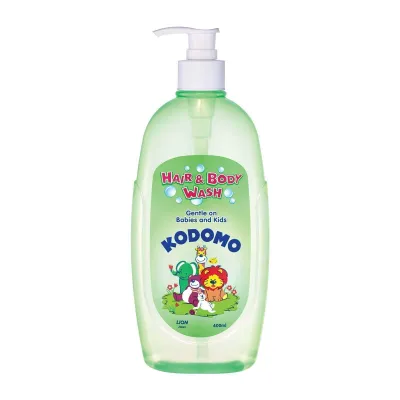
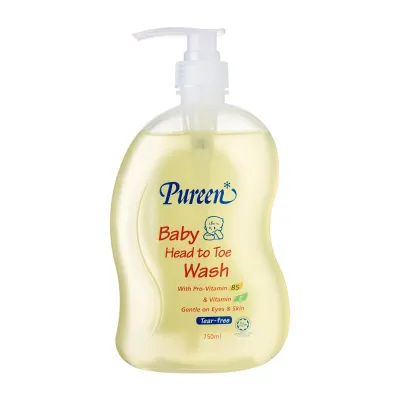
![Cetaphil Baby Wash & Shampoo with Organic Calendula and Sunflower Seed Oil 400ML [Gentle & Hypoallergenic] Bath Gel](https://img.lazcdn.com/g/p/e6e531bcf89c8264e607e7de5f8bb93e.jpg_400x400q80.jpg_.webp)
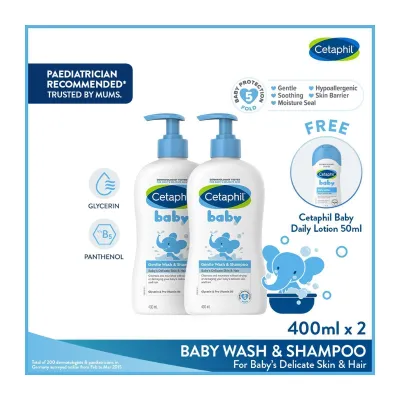
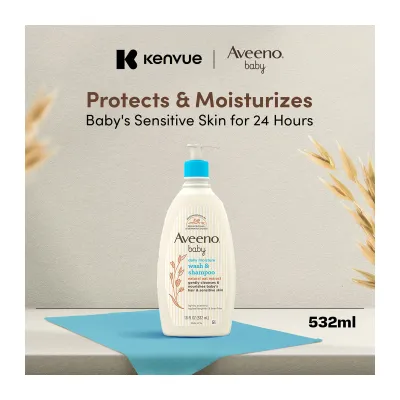
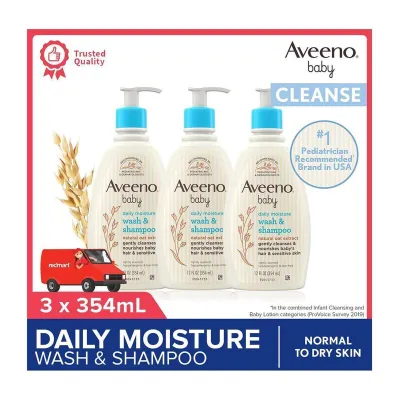
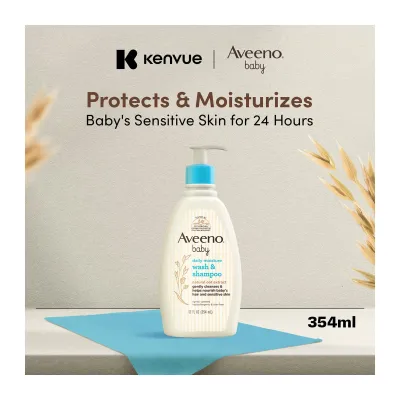
Prices are valid at publication and may change. Please refer to the product page for the latest price.
Understanding HSA Notification for Baby Body Wash
When shopping for baby care products in Singapore, you will frequently encounter terms like “HSA notified” or “HSA registered.” It is crucial to understand what these terms mean to set realistic safety expectations. In Singapore, all cosmetic products—including baby body washes, shampoos, bubble baths, and lotions—are regulated under the Health Products Act and the Health Products (Cosmetic Products – ASEAN Cosmetic Directive) Regulations. Under this framework, any company intending to sell a cosmetic product locally must submit a product notification to the Health Sciences Authority (HSA) before the product can be placed on the market.
A common misconception is that HSA notification is equivalent to a formal approval or certification of efficacy. In reality, the HSA does not conduct pre-market testing, clinical trials, or laboratory evaluations to endorse a product’s performance or guarantee that it is completely free from allergens. Instead, the notification process is a regulatory mechanism where the local importer or manufacturer (known as the notifier) declares that the product complies with all local safety guidelines, contains only permitted ingredients within safe limits, and is manufactured under good manufacturing practices. The responsibility for safety and quality remains firmly with the local company that notifies the product.
This regulatory scope is designed to protect consumers by filtering out known hazardous substances, heavy metals, and prohibited chemicals before they reach retail shelves. However, because every baby’s skin is unique, a valid HSA notification does not eliminate the possibility of an individual allergic reaction or localized skin irritation. It serves as a baseline guarantee of regulatory compliance and safety standards, but it does not replace the need for parental observation and careful ingredient checking. Understanding this distinction helps parents approach product selection with a balanced perspective, combining regulatory verification with hands-on care.
How to Verify HSA Notification on Product Labels
Verifying whether a baby body wash has been properly notified with the HSA is a practical step that any parent can take. The physical packaging of the product is your primary source of information. Under Singapore’s cosmetic regulations, all legally sold cosmetic products must feature clear, legible labeling in English. This label must include several mandatory details: the product name, a complete list of ingredients using their international nomenclature (INCI names), instructions for safe use, the batch reference number, the expiry date or period-after-opening (PAO) symbol, and the name and address of the local company responsible for importing or distributing the product in Singapore.

The presence of a local distributor’s name and address on the packaging is one of the most reliable indicators of a legitimate, HSA-notified product. This local entity acts as the notifier and is legally accountable to the HSA for the product’s safety. If you encounter a baby body wash that only lists an overseas manufacturer and lacks any local contact information, it may be a parallel import that has bypassed the official notification process. While parallel imports are not inherently dangerous, they carry a higher risk of being unnotified, counterfeit, or stored in suboptimal conditions during transit.
To verify a product’s status definitively, parents can utilize the official online portal provided by the HSA. The HSA maintains a public cosmetic product notification database that is accessible to anyone. By entering the product’s brand name, exact product name, or the name of the local distributor into the search portal, you can check if a valid notification exists. If the search yields no results, it is highly advisable to exercise caution and avoid purchasing the product until its regulatory status can be confirmed.
When shopping online, identifying red flags becomes even more critical. E-commerce platforms and online marketplaces often host third-party sellers who ship products directly from overseas. These products may not have undergone the mandatory HSA notification process in Singapore. Red flags to watch out for include product descriptions written entirely in foreign languages, blurred or missing ingredient lists in the product images, and a lack of clear information regarding the local importer. Purchasing from authorized local distributors or established retail pharmacies is the safest way to ensure the product you receive is genuine and compliant.
Key Ingredient and Formulation Checks for Infant Skin
While verifying HSA notification ensures that a baby body wash meets basic regulatory safety standards, parents must also evaluate the formulation to ensure it is suitable for their infant’s specific skin needs. An infant’s skin barrier is significantly different from an adult’s; it is up to thirty percent thinner, loses moisture much faster, and is highly susceptible to environmental irritants. Therefore, a gentle, non-stripping formulation is essential to maintain the skin’s natural integrity.
One of the first things to look for on a product label is a “tear-free” claim. Formulations labeled as tear-free typically utilize mild, non-ionic or amphoteric surfactants rather than harsh cleansing agents. These specialized surfactants have a larger molecular structure, which prevents them from easily penetrating and irritating the sensitive mucous membranes of a baby’s eyes. While a tear-free claim is a helpful guide, parents should still avoid getting soap directly into their baby’s eyes and rinse thoroughly with clean water if accidental contact occurs.
Another critical factor is the pH level of the formulation. Healthy human skin has a slightly acidic surface pH, typically ranging between 4.5 and 5.5, which forms a protective layer known as the acid mantle. This acidic environment is crucial for maintaining the skin barrier and defending against harmful bacteria. Traditional bar soaps are often highly alkaline, which can disrupt this delicate balance, strip away essential lipids, and leave the skin dry and vulnerable. Choosing a baby body wash that is explicitly formulated to be pH-balanced—ideally matching the natural acidity of infant skin—helps preserve this protective barrier.
Parents should also learn to identify and avoid common ingredients that are known to trigger skin irritation or allergic reactions in infants. Synthetic fragrances and artificial colorants are among the most frequent culprits behind contact dermatitis. Even products marketed as “natural” may contain essential oils or botanical extracts that can be highly sensitizing to delicate skin. For newborns and infants with sensitive or eczema-prone skin, fragrance-free formulations are generally the safest choice. Additionally, harsh sulfates such as Sodium Lauryl Sulfate (SLS) should be avoided, as they are highly efficient at stripping away the skin’s natural oils, leading to severe dryness and irritation.
Finally, it is important to consider the age of your baby when selecting a body wash. The skincare needs of a newborn differ significantly from those of an older infant. For the first few weeks of life, a newborn’s skin is still adapting to the extrauterine environment, and bathing with plain, lukewarm water is often sufficient. If a cleanser is used, it should be an ultra-gentle, fragrance-free formula specifically designed for newborns. As your baby grows, becomes more active, starts crawling, and begins eating solid foods, they will naturally accumulate more dirt, sweat, and sunscreen residue. At this stage, a slightly more robust but still gentle, HSA-notified body wash can be introduced to ensure thorough cleansing without compromising the skin barrier.
Building Your Shortlist: A Shopping Checklist
To simplify the process of choosing a safe and effective baby body wash, parents can synthesize these verification and formulation criteria into a practical shopping checklist. Whether you are browsing the aisles of a local pharmacy in Singapore or scrolling through an online marketplace, keeping these steps in mind will help you make a confident decision.
Begin with a physical or digital label audit. Ensure the product features clear English labeling, a complete list of ingredients, and the contact details of a local Singapore distributor. If you are shopping online, verify that the seller is an authorized retailer, an official flagship store, or a reputable local pharmacy chain. Avoid purchasing from unverified third-party sellers who cannot guarantee the authenticity or proper storage of their inventory.
Next, perform an ingredient scan. Look for key terms such as “fragrance-free,” “sulfate-free,” and “pH-balanced,” and cross-reference these claims with the ingredient list on the back of the bottle. Ensure that harsh surfactants like SLS or strong synthetic perfumes are absent from the formulation. If your baby has a known skin condition like eczema, look for products that have been formulated specifically for sensitive skin and carry recommendations from pediatric dermatological associations.
Once you have selected a product and brought it home, the final and most crucial step before full-body use is conducting a patch test. Apply a small, dime-sized amount of the body wash to a localized area of your baby’s skin, such as the inner arm or behind the ear, during their regular bath. Rinse it off completely and monitor the area closely over the next twenty-four to forty-eight hours. Look for any signs of localized reaction, including redness, swelling, dry patches, tiny bumps, or signs of itching and discomfort.
If your baby’s skin remains clear and healthy after the patch test, you can proceed to use the body wash for their regular baths. However, if any signs of irritation or allergic reaction develop, stop using the product immediately. Gently rinse the affected area with cool, clean water to remove any lingering residue. If the reaction is severe, spreads to other parts of the body, or causes your baby significant distress, seek professional medical advice from a qualified pediatrician or dermatologist. Never attempt to treat a severe skin reaction with self-prescribed medicated creams without professional guidance.
Frequently Asked Questions (FAQ)
Do all baby body washes sold in Singapore need HSA notification?
Yes, any baby body wash that is classified as a cosmetic product must be notified with the Health Sciences Authority (HSA) before it can be legally sold in Singapore. Under local regulations, cosmetic products are defined as substances intended to be placed in contact with the external parts of the human body for the primary purpose of cleansing, perfuming, protecting, or keeping them in good condition. This category encompasses almost all standard baby body washes, shampoos, and bubble baths.
However, if a product makes therapeutic or medicinal claims—such as claiming to cure eczema, treat fungal infections, or act as a medical-grade antiseptic—it is no longer classified as a cosmetic. Instead, it falls under the category of therapeutic products or medicated washes. These products are subject to a different, much more stringent regulatory pathway that requires formal registration, clinical evidence of efficacy, and pre-market approval by the HSA. Parents should read the product packaging carefully; if a wash claims to treat a specific medical condition, it must be registered accordingly, and it is always best to consult a pediatrician before using such specialized products on your infant.
What should I do if my baby reacts to an HSA-notified body wash?
If your baby experiences an adverse skin reaction after using an HSA-notified body wash, the first step is to remain calm and discontinue use of the product immediately. Strip the baby and gently rinse their skin with plain, lukewarm water to ensure all traces of the cleanser are completely removed. Avoid rubbing the skin with a towel; instead, gently pat it dry with a clean, soft cotton cloth.
Monitor the skin closely over the next few hours. If the redness, rash, or hives persist, worsen, or cover a large portion of the body, schedule an appointment with a pediatrician or a pediatric dermatologist for a professional evaluation. They can help identify the specific allergen and prescribe safe, infant-appropriate treatments to soothe the irritation. Do not apply any over-the-counter medicated creams or steroid ointments without a doctor’s explicit recommendation.
Additionally, you can report the adverse reaction to the HSA. The HSA monitors the safety of cosmetic products on the market through post-market surveillance. By reporting adverse events—either directly through the HSA website or via your healthcare provider—you contribute to a safer marketplace. If multiple reports are received regarding a specific product or batch, the HSA can investigate, issue public advisories, or order the local distributor to recall the affected products from store shelves.

Community discussion
Share your experience or ask a question. Comments are reviewed before publication.