
To find the best baby biscuits in Singapore for healthy snacking, parents must look beyond attractive packaging and focus on nutritional density, age-appropriate textures, and clean ingredient lists. While snacks offer a convenient way to bridge energy gaps between meals, many commercial options contain hidden sugars, excessive sodium, or structural designs that pose choking hazards. Choosing the right biscuit involves verifying local nutritional labels, understanding developmental milestones, and selecting products that support self-feeding without compromising long-term dietary habits.
A truly healthy baby biscuit serves multiple purposes beyond simply keeping a child occupied. It should provide essential micronutrients, encourage self-feeding skills, and introduce safe textures that match the baby’s oral motor development. By understanding how to analyze ingredient lists, recognize age-appropriate textures, and navigate local retail options, caregivers can make informed decisions that support their child’s long-term health and relationship with food.
Key Nutritional Standards for Infant and Toddler Biscuits
When evaluating baby biscuits, nutritional density should be the primary consideration. During the first two years of life, a child’s stomach capacity is small, but their nutritional requirements are exceptionally high. Every bite needs to contribute positively to their growth, meaning empty calories from refined starches and sugars should be minimized.
Products mentioned in this guide
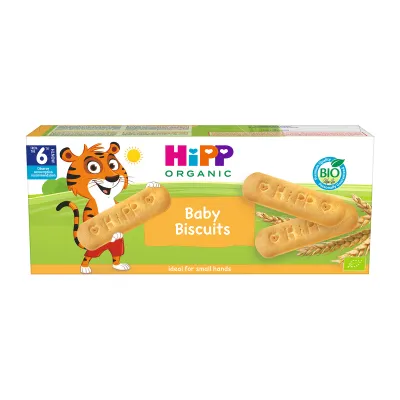
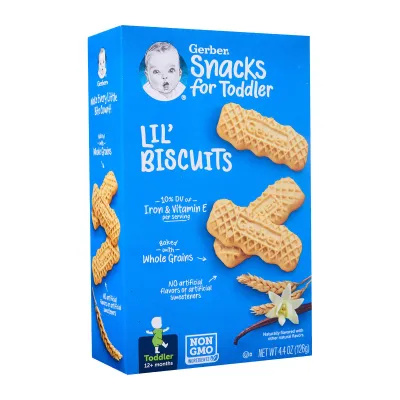
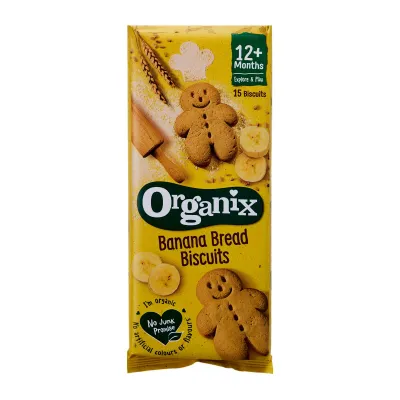
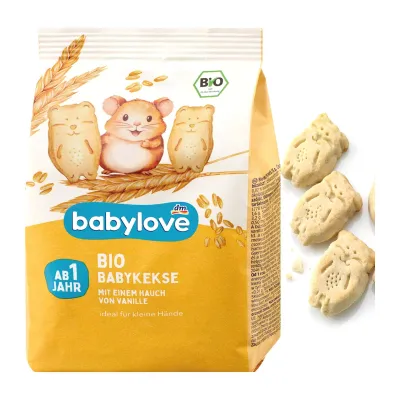
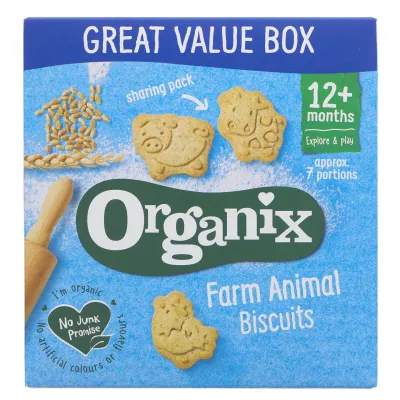
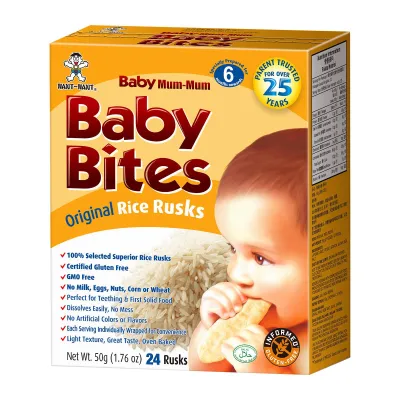
Prices are valid at publication and may change. Please refer to the product page for the latest price.
Pediatric dietary guidelines generally recommend that snacks for infants under twelve months contain zero added sugars. For toddlers over one year, added sugars should be strictly limited to less than ten percent of their daily energy intake. Excess sugar consumption in early childhood not only increases the risk of dental caries but also programs a preference for overly sweet foods. When reviewing a product, look for options where sugar is minimal, ideally derived naturally from whole fruit pieces rather than concentrated juices.
Sodium is another critical nutrient to monitor. An infant’s developing kidneys cannot efficiently process high amounts of salt. Dietary guidelines suggest that infants under twelve months should consume less than 370 milligrams of sodium per day, while toddlers aged one to three should limit their intake to less than 1,000 milligrams daily. Healthy baby biscuits should ideally contain minimal or no added sodium, ensuring that snacking does not inadvertently lead to salt overload.
Fortification can elevate a simple biscuit from a basic snack to a valuable source of developmental support. Many high-quality baby biscuits are fortified with iron, calcium, and B vitamins. Iron is particularly crucial for infants around six months of age, as their natural prenatal iron stores begin to deplete, and breast milk alone no longer meets their daily requirements. Calcium supports rapid bone and tooth development during these active growth phases. Caregivers should check the nutrition panel to see if these micronutrients are present in meaningful quantities.
The carbohydrate source in the biscuit also dictates its nutritional value. Biscuits made from whole grains, such as oats, brown rice, spelt, or whole wheat, are superior to those relying on highly refined white flour. Whole grains retain their natural dietary fiber, which promotes healthy digestion and prevents constipation—a common issue when infants transition to solid foods. Furthermore, fiber slows carbohydrate absorption, providing a steady release of energy.
Ingredients to Avoid and Limit in Baby Snacks
Reading the ingredient list is the most reliable way to identify potential red flags in baby snacks. Manufacturers often use complex terminology to mask ingredients that are unsuitable for young children. A general rule of thumb is that the shorter and more recognizable the ingredient list, the better the product is for your baby.

Hidden sugars are a frequent culprit in processed baby biscuits. Even if a package claims “no added cane sugar,” it may contain alternative sweeteners that have a similar physiological impact. Ingredients such as maltodextrin, glucose syrup, barley malt extract, brown rice syrup, and fruit juice concentrates are all forms of sugar. While fruit juice concentrate sounds natural, it lacks beneficial fiber and contains highly concentrated fructose, which can still contribute to tooth decay.
Unhealthy fats should also be avoided in early childhood nutrition. Trans fats, often listed as partially hydrogenated vegetable oils, have no place in a child’s diet due to their negative impact on cardiovascular health. Saturated fats, particularly those derived from low-quality palm oil, are frequently used in commercial baking to extend shelf life and improve texture. Essential fats should come from high-quality sources like whole grains or healthy oils rather than cheap processing fats.
Artificial additives, including synthetic colors, artificial flavors, and chemical preservatives, offer zero nutritional value and should be avoided entirely. Young children are more sensitive to chemical additives than adults. Preservatives are often unnecessary in dry biscuits anyway, as the low moisture content naturally preserves the product. Look for biscuits that rely on natural preservation methods, such as vitamin E (often listed as tocopherols) or citric acid, if any are used at all.
Allergen management is another vital aspect of ingredient screening. The most common allergens found in biscuits include gluten (from wheat, barley, or rye), dairy (milk solids or butter), soy, and eggs. If your family has a history of allergies, or if your baby has shown signs of sensitivity, it is essential to look for dedicated allergen-free labels. Many manufacturers process baby biscuits on shared lines that handle wheat or milk, so reading the precautionary allergen statements (such as “may contain traces of…”) is critical for sensitive infants. If you suspect your child has a food allergy or sensitivity, consult a pediatrician or a registered dietitian before introducing new snack foods.
Texture, Size, and Choking Hazard Considerations
The physical characteristics of a baby biscuit are just as important as its nutritional content. Because infants are still developing their chewing and swallowing coordination, the wrong texture or shape can present a serious choking hazard. Caregivers must match the biscuit’s physical properties to the child’s specific developmental stage and always supervise their child during feeding sessions to prevent choking, regardless of the biscuit’s design.
For early eaters, typically around six months of age, dissolvability is the key safety feature. A safe baby biscuit or rusk should dissolve rapidly when it comes into contact with saliva, requiring minimal jaw pressure to break down. This ensures that if a baby bites off a piece, the fragment softens quickly into a safe, swallowable consistency. Parents can test this themselves by placing a piece of the biscuit on their own tongue to see how quickly it dissolves without chewing.
The shape and size of the biscuit should support the baby’s motor skill development. Around six months, babies use their palmar grasp—using their entire hand to scoop up objects. Biscuits designed as long, sturdy rusks or wide wafers are ideal for this stage, as they allow the baby to hold the bottom of the snack while gnawing on the top. As the baby approaches nine to twelve months, they develop the pincer grasp, using their thumb and index finger to pick up smaller items. At this stage, smaller, bite-sized puffs can help refine these motor skills.
Texture requirements change significantly as a child grows into a toddler. While a six-month-old needs a highly dissolvable rusk, a twelve-month-old toddler who has developed several teeth and better lateral tongue movement can handle slightly firmer textures. Toddler biscuits can have a bit more crunch, encouraging active chewing which helps strengthen jaw muscles and supports speech development. However, these firmer biscuits should still break apart cleanly without splintering into sharp, hard shards. Always verify the manufacturer’s age recommendations on the packaging before introducing a new texture.
How to Read and Verify Product Labels in Singapore
Navigating the grocery aisles in Singapore requires a practical understanding of local food labeling systems. By knowing what to look for on the packaging, parents can quickly filter out products that do not meet their standards.
One of the most recognizable guides on local shelves is the Healthier Choice Symbol (HCS), administered by the Health Promotion Board (HPB). When displayed on snack foods, this red-and-white logo indicates that the product meets specific nutritional criteria set by the government, such as being lower in sodium, lower in saturated fat, or higher in whole grains compared to similar products in the same category. While the HCS is a helpful quick-reference tool, parents should still read the full nutrition label to verify exact sugar and sodium levels.
The Nutrition Information Panel (NIP) provides the exact breakdown of macronutrients and micronutrients. When reading the NIP, it is crucial to distinguish between the “per 100g” column and the “per serving” column. The “per 100g” column is highly useful for comparing two different brands directly, as it standardizes the measurements. The “per serving” column, on the other hand, tells you exactly what your child will consume in one typical snack session. Ensure the serving size listed is realistic, as some manufacturers lower it artificially to make sugar or sodium levels appear lower.
The order of ingredients on the label is determined by weight, from highest to lowest. This means the first three to four ingredients make up the vast majority of the biscuit. If the list begins with refined wheat flour, sugar, or palm oil, the biscuit is primarily composed of these ingredients, regardless of any prominent “organic fruit” claims on the front of the box. Ideally, the first ingredient should be a whole grain, such as whole oats or brown rice flour, followed by natural fruit purees or vegetable powders. Always verify the latest safety standards, ingredient lists, and potential allergen warnings directly on the product packaging, as formulations can change without notice.
Smart Shopping: Where to Buy and What to Check
In Singapore, parents have access to a wide variety of baby food products through both physical retail stores and online platforms. Knowing where to shop and how to verify product authenticity is essential for ensuring safety and quality.
Mainstream supermarkets and specialized maternity stores offer different advantages. Large supermarket chains in Singapore carry a reliable selection of mainstream baby food brands, which are regularly audited for safety and compliance with local food regulations. Specialized maternity boutiques and organic grocers often stock niche, premium, or imported brands that focus on specific dietary needs, such as gluten-free, vegan, or minimally processed options. However, these specialized products often come at a premium price.
E-commerce platforms and online marketplaces have become highly popular for purchasing baby snacks in bulk. While convenient, online shopping requires extra vigilance. Always verify the seller’s credentials; look for official brand stores or highly rated local distributors. Check the product description or message the seller directly to confirm the expiry date, as baby foods often have a shorter shelf life due to the lack of artificial preservatives. Be cautious of heavily discounted items, which may be close to expiration or poorly stored parallel imports.
Imported baby biscuits require careful evaluation. Singapore imports food from all over the world, meaning you will find products compliant with European, American, Australian, or Japanese standards. While these international standards are generally high, the labeling formats can differ. For instance, some countries do not require the explicit listing of added sugars, or they may use different daily value percentages. Ensure that any imported product has an English ingredient label, either printed directly on the box or applied as a sticker by the importer, so you can fully verify the contents before feeding them to your child.
Frequently Asked Questions (FAQ)
Can I give regular adult biscuits to my toddler?
No, regular adult biscuits are not suitable for infants or toddlers. Adult biscuits are formulated for mature digestive systems and taste preferences, meaning they typically contain significantly higher levels of refined sugar, sodium, and saturated fats. A single adult chocolate or digestive biscuit can easily exceed a toddler’s recommended daily limit for added sugar and sodium. Furthermore, adult biscuits do not have the rapid-dissolve properties of baby-specific rusks. They can break off into hard, sharp fragments that pose a severe choking hazard for young children who are still learning to chew and swallow safely.
How many baby biscuits should my child eat per day?
Baby biscuits should be treated as occasional snacks rather than a primary food source. As a general guideline, one to two small biscuits or wafers per day is sufficient for infants and toddlers who are eating three balanced meals. Snacks should complement, not replace, breast milk, formula, or nutrient-dense whole foods like fresh fruits, vegetables, and proteins. If you notice your child refusing their main meals, it may be a sign that they are consuming too many snacks. Always monitor your child’s appetite and adjust portion sizes to ensure that snacking does not interfere with their intake of essential nutrients from primary meals.

Community discussion
Share your experience or ask a question. Comments are reviewed before publication.