
Choosing the right eco-friendly cloth training pants for your child involves balancing sustainable materials, functional design, and practical maintenance. In Singapore’s tropical climate, finding a solution that supports your child’s independence while remaining easy to wash and dry is key to a successful potty training journey. Rather than searching for a single perfect brand, parents can make the most sustainable choice by understanding fabric properties, verifying environmental certifications, and establishing a care routine tailored to local conditions.
By transitioning from disposable diapers to reusable training pants, you significantly reduce household waste. This guide outlines how to evaluate materials, verify brand claims, and maintain your cloth training pants to ensure they last through potty training and beyond.
What Makes Cloth Training Pants Eco-Friendly?
To determine how sustainable a pair of training pants is, start by examining the fiber content on the product label. Natural fibers such as organic cotton, bamboo, and hemp are highly renewable resources that offer excellent breathability for a toddler’s sensitive skin. Organic cotton is grown without synthetic pesticides, while hemp requires minimal water and land to thrive. Bamboo is often processed into rayon or lyocell, offering a silk-like texture that remains soft even after multiple washes.
Products mentioned in this guide
![[LIL BUBBA] 6 LAYERS BABY TOILET TRAINING PANTS 100% COTTON](https://img.lazcdn.com/g/p/c56b2007b3a393656d4eb854930b5adb.jpg_400x400q80.jpg_.webp)
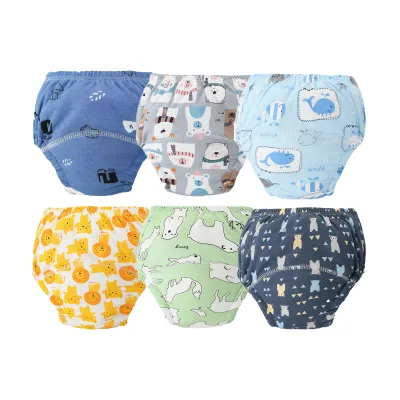
![[SG Ready Stock] Baby Toilet Training Pants 6 Layers Cotton Toddler Kid Potty Training Underwear Washable Cloth Diaper Children Day Gifts](https://img.lazcdn.com/g/p/3987f2eec680cd64554d9932f24c6993.jpg_400x400q80.jpg_.webp)
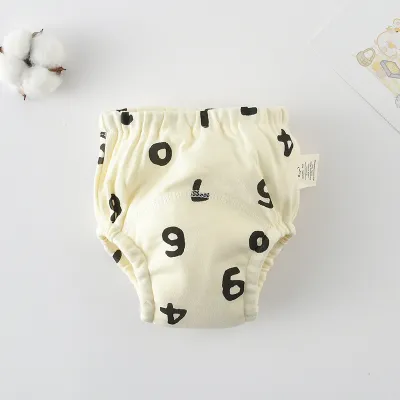
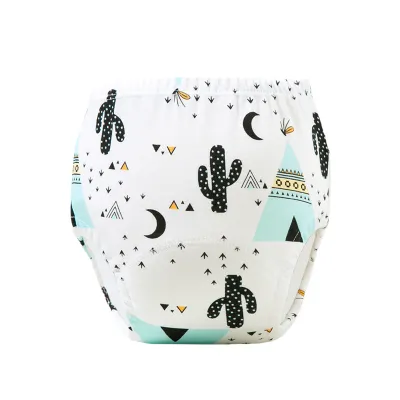
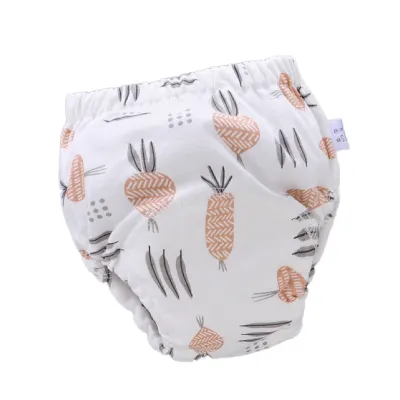
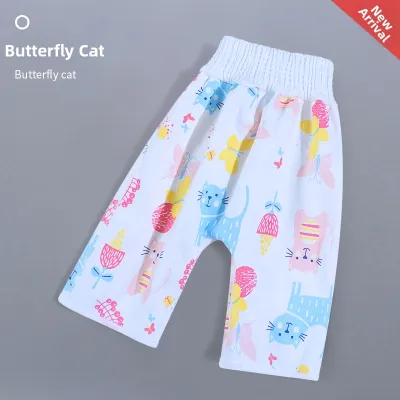
Prices are valid at publication and may change. Please refer to the product page for the latest price.
In contrast, many training pants incorporate synthetic materials like polyester or polyurethane laminate (PUL) to provide a waterproof outer barrier. While synthetics are highly effective at preventing leaks, they are derived from petrochemicals and do not easily degrade. When evaluating synthetic components, look for brands that use recycled polyester (rPET) for their waterproof layers, which helps divert plastic waste from landfills.
It is also important to look closely at claims of biodegradability. Some brands market their training pants as biodegradable or compostable, but these materials typically require specific industrial composting conditions—such as high heat, controlled moisture, and specialized microbes—to break down. In a typical household waste system, these components will not decompose quickly. Therefore, the truest form of eco-friendliness in training pants is durability; choosing high-quality, reusable pants that can be washed hundreds of times or passed down to younger siblings is far more impactful than relying on biodegradable claims.
Finally, consider the manufacturing processes behind the fabrics. Sustainable textile production prioritizes closed-loop systems, where water and non-toxic solvents are recycled during fiber processing rather than being discharged into local waterways. Choosing brands that use non-toxic, water-based dyes also ensures that no harmful chemical residues remain on the fabric or enter the environment during production.
Key Features for Effective Potty Training
While sustainability is a priority, training pants must also function effectively to support your child’s development. The primary purpose of training pants is to help toddlers recognize the physical sensation of wetting. Unlike highly absorbent disposable diapers that use superabsorbent polymers (SAP) to lock moisture away instantly, cloth training pants are designed with a “feel-wet” inner lining. This allows the child to feel the dampness immediately, helping them connect the bodily sensation of urinating with the need to use the toilet.

At the same time, the pants must provide adequate containment to manage small accidents. They should feature a absorbent inner core—often made of a few layers of cotton or bamboo microfiber—paired with a water-resistant outer layer. This combination is designed to catch dribbles and minor leaks, protecting your furniture and floors while your child makes their way to the bathroom. Keep in mind that training pants are not intended to hold a full diaper’s worth of liquid; they are a transitional tool rather than a highly absorbent diaper substitute.
To prevent leaks during sudden movements, check for gentle, snug elastics around the thighs and waist. The leg openings should fit closely against the skin without leaving red marks or restricting movement. A proper fit ensures that small accidents are contained within the absorbent core rather than escaping through the sides.
Encouraging independence is another crucial aspect of potty training. Look for designs with highly elastic, pull-up waistbands that allow toddlers to easily slide the pants up and down on their own. Avoid complex closures, snaps, or buttons that might frustrate a child who is rushing to the toilet. Some designs feature side snaps solely for easy removal in the event of a larger accident, which allows parents to take off soiled pants without pulling them down the child’s legs.
How to Verify a Brand's Eco-Friendly Claims
With many brands marketing their products as green or sustainable, verifying these claims through independent standards is the best way to avoid greenwashing. Look for recognized third-party certifications listed on the product packaging or brand website. The Global Organic Textile Standard (GOTS) is the gold standard for organic fibers, ensuring that the textile contains a high percentage of certified organic materials and is processed under strict environmental and social criteria.
For chemical safety, look for the Standard 100 by Oeko-Tex certification. This independent testing system verifies that every component of the garment—including threads, buttons, linings, and prints—has been tested for harmful substances and is safe for close contact with sensitive toddler skin. Certifications like these provide peace of mind that the materials are free from toxic flame retardants, heavy metals, and formaldehyde.
Assess the brand’s overall transparency regarding its supply chain. Reputable eco-friendly brands often share detailed information about where their materials are sourced, the locations of their manufacturing facilities, and the working conditions of their factory employees. A brand that openly discusses its production challenges and sustainability goals is generally more reliable than one that relies on vague buzzwords like “all-natural” or “eco-safe.”
Do not overlook the impact of packaging and shipping materials. A truly sustainable brand extends its eco-friendly philosophy to how products are delivered. Prioritize brands that ship their products in plastic-free, recyclable, or compostable packaging, such as FSC-certified cardboard boxes or paper mailers. Avoid brands that wrap each individual pair of training pants in single-use plastic bags, as this unnecessary waste contradicts the purpose of choosing a reusable product.
Buying and Caring for Cloth Training Pants in Singapore
In Singapore, parents can find high-quality cloth training pants through specialized local baby boutiques that curate sustainable parenting products, as well as directly from official brand websites. Purchasing from local boutiques often allows you to inspect the fabric texture and check the sizing in person, ensuring a better fit for your child before making a commitment.
Maintaining cloth training pants in Singapore’s warm, highly humid climate requires a consistent laundry routine to prevent mildew, bacteria growth, and stubborn ammonia odors. Avoid letting wet or soiled pants sit in a closed, airtight diaper pail, as the lack of airflow combined with humidity creates an ideal environment for mold. Instead, use an open, well-ventilated laundry basket (often called dry pailing) and wash the pants every one to two days.
When washing, start with a short cold rinse or pre-wash cycle without detergent to flush out urine and loose debris. Follow this with a warm main wash cycle using a standard, residue-free laundry detergent. Avoid using fabric softeners, fabric conditioners, or dryer sheets, as these products leave a waxy coating on the fibers that drastically reduces the absorbency of the training pants over time. If you encounter stubborn stains, a gentle oxygen bleach can be used, but avoid harsh chlorine bleach which can degrade the waterproof laminate and elastics.
Proper drying is essential for preserving the longevity of the materials. Line-drying your training pants in a well-ventilated area or under direct sunlight is an excellent way to naturally sanitize the fabric and fade minor stains. However, prolonged exposure to intense, direct afternoon sunlight can dry out and crack the waterproof TPU layer and degrade the elastic waistband. To protect these sensitive components, hang the pants in a shaded but breezy outdoor area, or turn them inside out so the inner fabric faces the sun while the waterproof outer layer is protected.
Frequently Asked Questions (FAQ)
Can cloth training pants be used overnight?
Cloth training pants are primarily designed for daytime use when children are awake and learning to recognize the urge to use the bathroom. Because they feature a slim absorbent core to encourage toddler independence, they generally do not have the capacity to hold a full bladder release during long periods of sleep. For overnight protection, check the manufacturer’s guidelines to see if the pants can accommodate additional absorbent boosters, or transition to dedicated overnight cloth diapers which offer the heavy-duty absorbency needed to prevent leaks and ensure uninterrupted sleep.
How many pairs of cloth training pants do I need?
The number of training pants you need depends on your child’s current stage of potty training and your household laundry schedule. In the early stages, when accidents are frequent, a toddler may go through 4 to 6 pairs of pants per day. Given Singapore’s high humidity, which can extend line-drying times to 24 hours or more, maintaining a starting stash of 10 to 15 pairs is highly practical. This ensures you always have clean pants available while the soiled ones are being washed and dried.
Are bamboo training pants better than organic cotton?
Neither material is universally superior, as both offer distinct advantages for potty training. Bamboo fabrics are exceptionally soft, highly absorbent, and gentle on sensitive skin, making them comfortable for toddlers to wear throughout the day. Organic cotton is highly breathable, structurally durable, and stands up exceptionally well to frequent hot washes and line drying. When choosing between the two, check the specific fabric blend, thickness, and third-party certifications to find a balance of softness, durability, and absorbency that suits your child’s needs.

Community discussion
Share your experience or ask a question. Comments are reviewed before publication.